Description
Batch-Matched Coating Control — Roll-to-roll colour and GSM consistency verified through in-line coating checks and 100% pre-shipment inspection before container loading.
Technical Specifications
| Parameter | Value |
|---|---|
| Product Type | PVC Coated Tarpaulin |
| Base Material | PVC & Polyester |
| Yarn Count Options | 500D×500D, 500D×840D, 1000D×1000D, 1000D×1300D, 1300D×1300D, 1000D×2000D |
| Weight Range (GSM) | 350 / 400 / 420 / 500 / 600 / 650 / 750 / 900 g/m² |
| Thickness Range | 0.29mm / 0.32mm / 0.38mm / 0.44mm / 0.46mm / 0.55mm / 0.65mm |
| Mesh Density | 30×19 / 20×20 / 30×15 |
| Tensile Strength (Warp) | 1650 N – 3900 N (grade dependent) |
| Tensile Strength (Weft) | 1600 N – 3500 N (grade dependent) |
| Softening Temperature | ≥ 80 °C |
| Brittle Temperature | ≤ -50 to -60 °C |
| Melting Point | 212 °C |
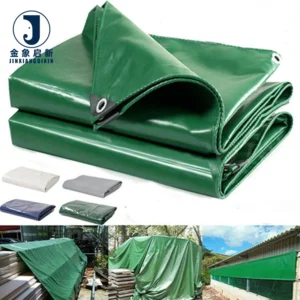
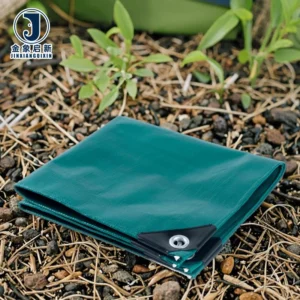
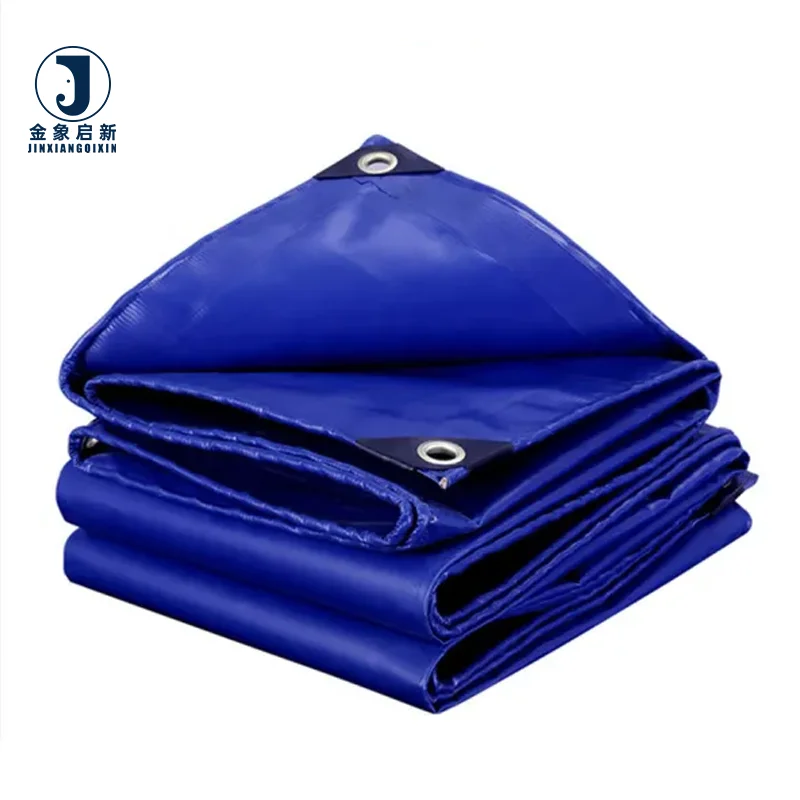
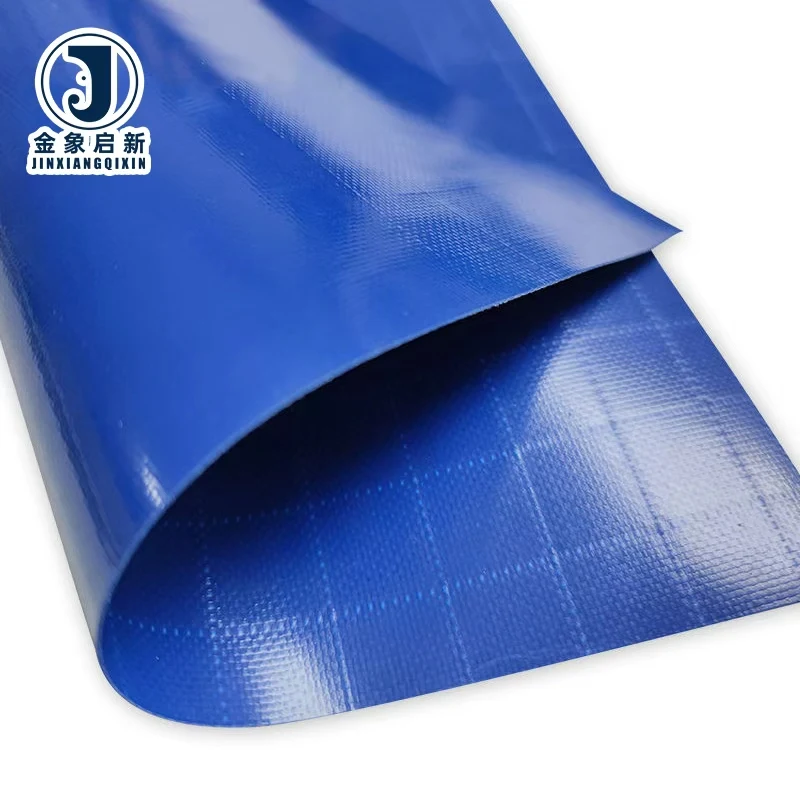
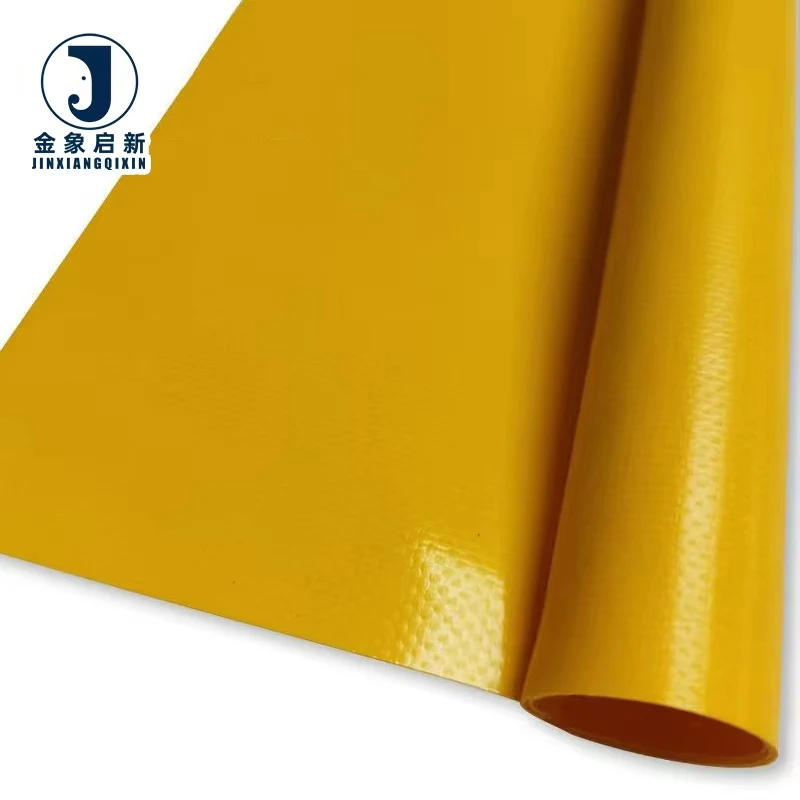
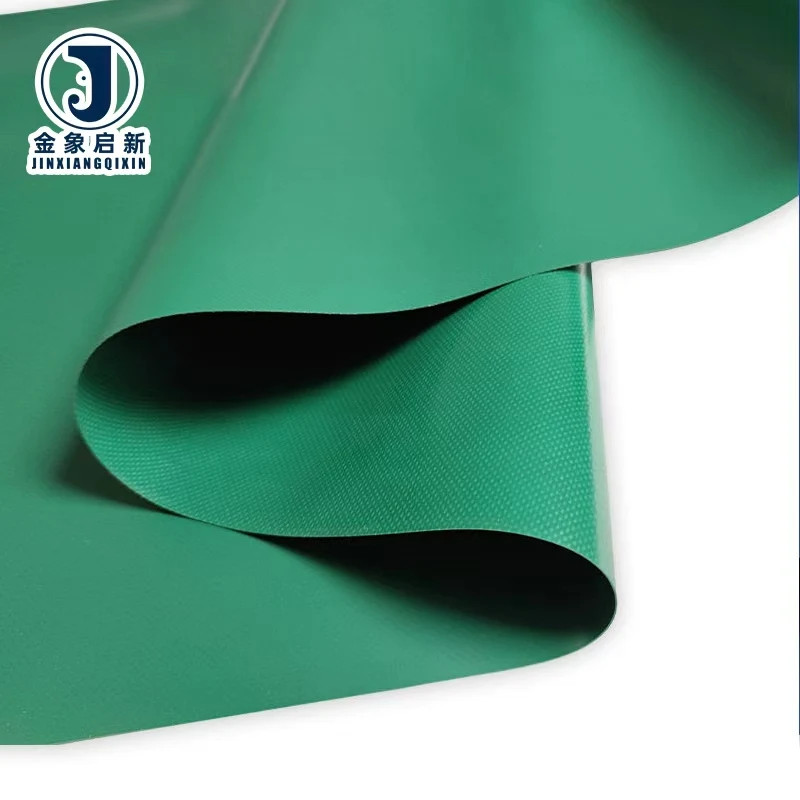
| Surface Finish | Smooth, leather-like texture |
| Key Features | Waterproof, flame retardant grades available — confirm the grade required for your market, UV treatment available — confirm test basis for your region |
Application Suitability
| Application | Exposure & Requirement |
|---|---|
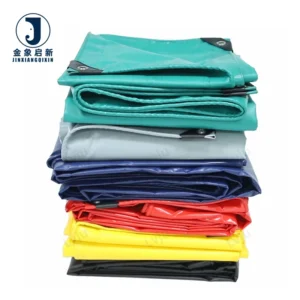
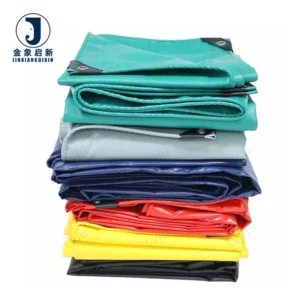
| Tarpaulin distributor stock | Multiple GSM grades in one container, consistent colour across rolls for regional resale |
| Tent and awning fabrication | Roll stock cut to pattern, colour match across panels, weldable seams for assembly |
| Transport fleet side curtains | Continuous flexing, road debris abrasion, weather exposure, UV stability |
| Inflatable structure manufacturing | Air-holding seams, repeated inflation cycles, coated surface for heat welding |
| Construction site covers | Puncture resistance from tools and materials, rain exposure, wind uplift loads |
Why Batch Colour Consistency Matters More Than the Shade Card
A colour card approves a hue; only roll-to-roll process control keeps it identical across a full container load.
When a distributor unrolls two panels from the same order and sees a visible shade shift at the overlap, the entire batch becomes suspect. The root cause is usually inconsistent pigment dispersion in the PVC compound or fluctuating coating temperature between production runs. Buyers who specify PVC coated tarpaulin roll stock for resale or fabrication cannot afford this variance [NEED_CITE: colour measurement standards for coated textiles per ISO 105 series]. The consequence is not aesthetic — it is a rejected shipment and a fractured supply relationship.
Colour Matching as a Production Discipline, Not a Post-Check
Achieving uniform shade across dozens of PVC coated tarpaulin rolls requires controlling pigment concentration at the compounding stage and maintaining stable coating-head temperature throughout the run. Batch dye records linked to each roll number allow traceability when a fabricator flags a mismatch weeks after delivery. Without this discipline, the same colour code can drift between the first roll and the last roll off the line.
GSM Verification and Roll-to-Roll Weight Control
Weight compliance is the second axis of batch consistency. A PVC coated tarpaulin roll quoted at a specific GSM must arrive at that weight — verified by spot-cut sampling across the production run and documented in the pre-shipment inspection record [NEED_CITE: GSM measurement method for coated fabrics per ISO 2286]. Under-weight rolls cut profit margins for distributors reselling by the square metre and reduce the tensile margin for fabricators building load-bearing covers.
Reading the Specification Sheet Beyond the Headline Weight
The GSM figure alone tells a buyer almost nothing about how the fabric will behave under tension or at a heat-welded seam. A 650 g/m² roll built on a 1000D×1000D base with a 20×20 mesh count will tear and stretch very differently from a 650 g/m² roll using a 500D×840D yarn at 30×19 density — the same weight achieved through thicker coating rather than stronger yarn. Knife-coated construction with adequate adhesive bonding between the PVC layer and the polyester scrim delivers higher peel strength than simple laminated alternatives, which matters when the fabric is heat-welded into panels. The softening threshold of ≥ 80 °C and brittle point of ≤ -50 °C define the operating envelope: rolls stored in unheated containers during winter transit may stiffen and crack if unrolled before reaching ambient temperature.
The Hidden Cost of Ordering on Weight Alone
Specifying by GSM without locking the yarn count, mesh density, and coating method invites substitution. A roll that meets the weight target through heavier coating but lighter base fabric will show lower tear propagation resistance and weaker weld-line adhesion [NEED_CITE: tear propagation test methods for coated fabrics]. Fabricators cutting truck side curtains from such material often discover that the welded seam fails before the fabric body does — precisely at the flex point where the load shifts during transit. For wholesale buyers filling a container, this failure mode does not appear on the sample swatch.
Why Source Roll Stock Through This Process
Three full production lines and 36 sets of professional equipment allow concurrent runs of different GSM grades without cross-contamination of colour compounds. A 10-person R&D team develops custom width, colour, and print samples within days, so bulk production starts from a confirmed specification rather than an assumption. Dedicated QA/QC at every production stage — from base fabric inspection through coating weight measurement to final roll winding — catches deviation before it ships. Roll packing lists provide individual roll weight, length, and width for container loading reconciliation, eliminating guesswork at the port of discharge. ISO and CE certified production supports import documentation requirements across North American, European, and Asian markets.
Documentation & Verification
- Material specification sheet stating base fabric denier, coating type, and colour reference per roll
- Pre-shipment inspection record confirming GSM spot-check, colour match, and edge construction
- Roll packing list with individual roll weight, length, and width for container loading plans
- Test report for UV and flame-retardant grades where applicable to stated standards
- Certificate of origin and customs support documentation for cross-border shipment
Fabrication, Handling & Storage
- Heat-weld seams at temperatures matched to the PVC coating softening point of ≥ 80 °C for full adhesion
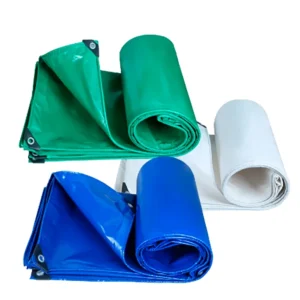
- Store PVC coated tarpaulin rolls upright on pallets to prevent flat-spot deformation at the core
- Allow cold-stiffened rolls to reach ambient temperature before unrolling to avoid coating micro-cracks
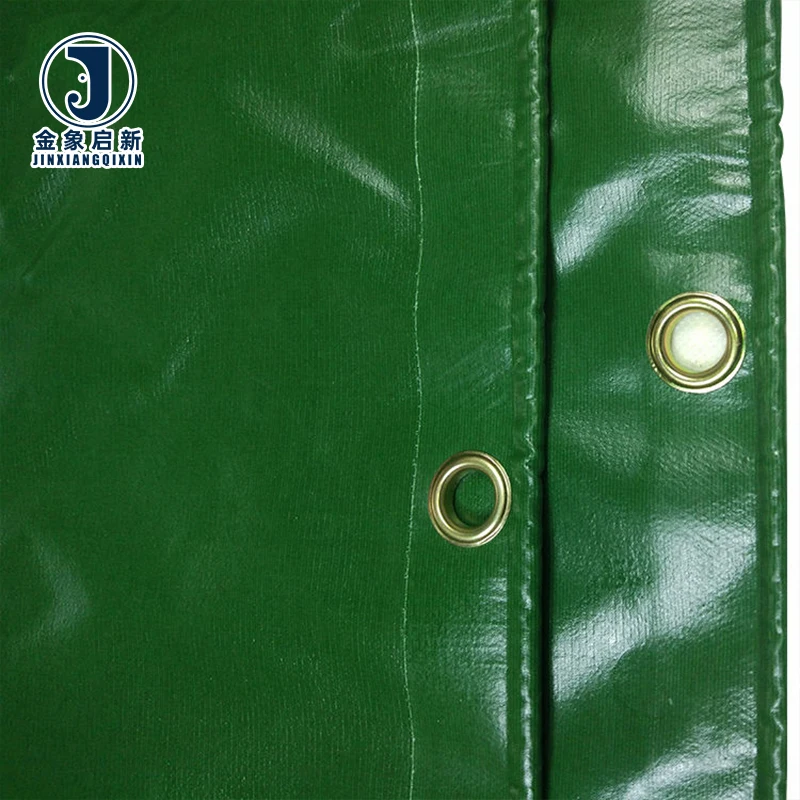
- Use rotary blade cutters on the smooth leather-like surface to prevent edge fraying at the polyester scrim
- Plan panel layouts to minimise off-cuts, particularly on heavier grades where waste cost per square metre is higher
- Repair field damage by hot-air welding compatible PVC patches over the affected area
What to Include in Your Enquiry
Specify the GSM grade, yarn count preference, and target roll width so we can confirm stock availability or custom production lead time. State whether your end market requires flame-retardant or UV-stable grades and which test standard applies locally. Confirm your packing preference — roll, bale, or carton — and container type so we can provide a loading plan with roll count and weight before dispatch.
Frequently Asked Questions
Q: Can I mix different GSM grades in a single container order?
A: Yes. Mixed-grade containers are common for distributors stocking a full product range. Each roll is tagged with its GSM, yarn count, and colour reference, and the packing list breaks down the count and weight per grade for customs and warehouse receiving. Confirm your target grades and we will provide a container loading plan.
Q: How do you guarantee colour consistency across 50 or more rolls of the same shade?
A: Pigment compounding is controlled at the batch level with dye records linked to each roll number. In-line coating checks monitor colour and weight during the run, and a 100% pre-shipment inspection confirms shade match against the approved sample. We ship a reference swatch from the production batch for your verification on arrival.
Q: What is the lead time for custom width or printed branding on roll stock?
A: Custom width and print orders require sample development first, typically completed within days of specification confirmation. Once the sample is approved, bulk production lead time depends on order volume and current line scheduling. We provide a firm dispatch date at the quotation stage so you can plan container bookings.
Q: Do UV and flame-retardant rolls ship with a test report?
A: Rolls produced with UV treatment or flame-retardant additives ship with documentation stating the treatment type. Specific test reports are provided where a recognised standard was applied during production. State your market’s required standard at enquiry stage so we can confirm applicability and include the correct documentation.
Q: How are rolls packed for container loading optimisation?
A: Rolls are available in roll packing, bale packing, or carton format depending on your handling preference and container type. We provide a detailed packing list showing roll count, individual dimensions, and total weight so you can reconcile the shipment at discharge. Loading plans are available before dispatch to maximise container utilisation.