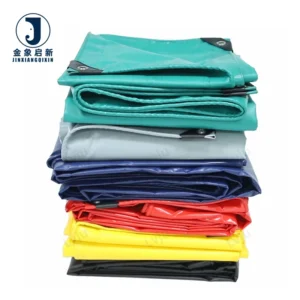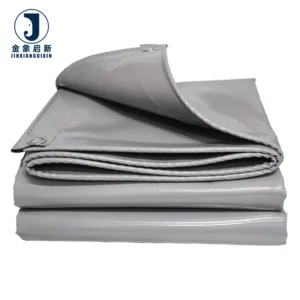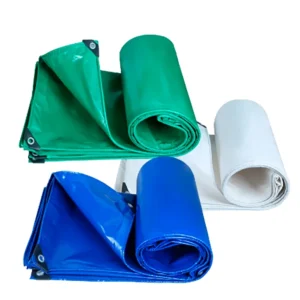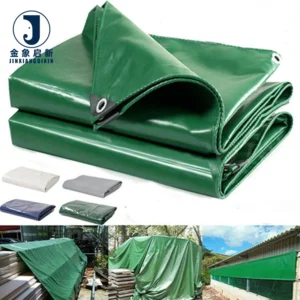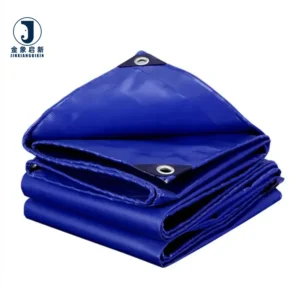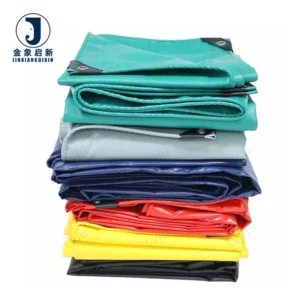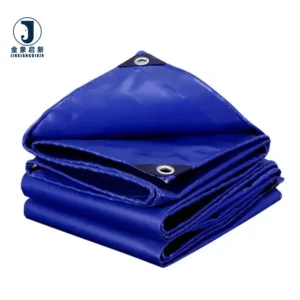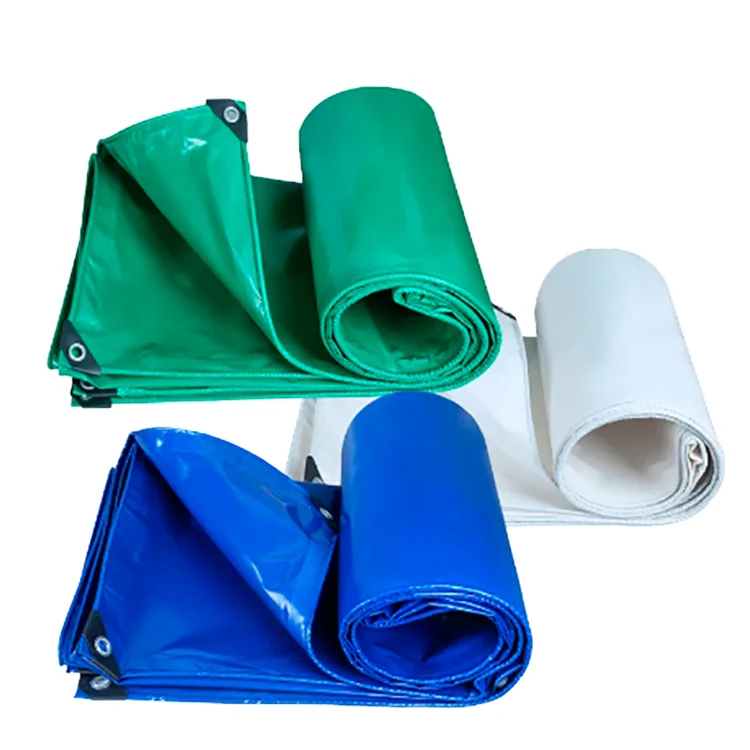
Description
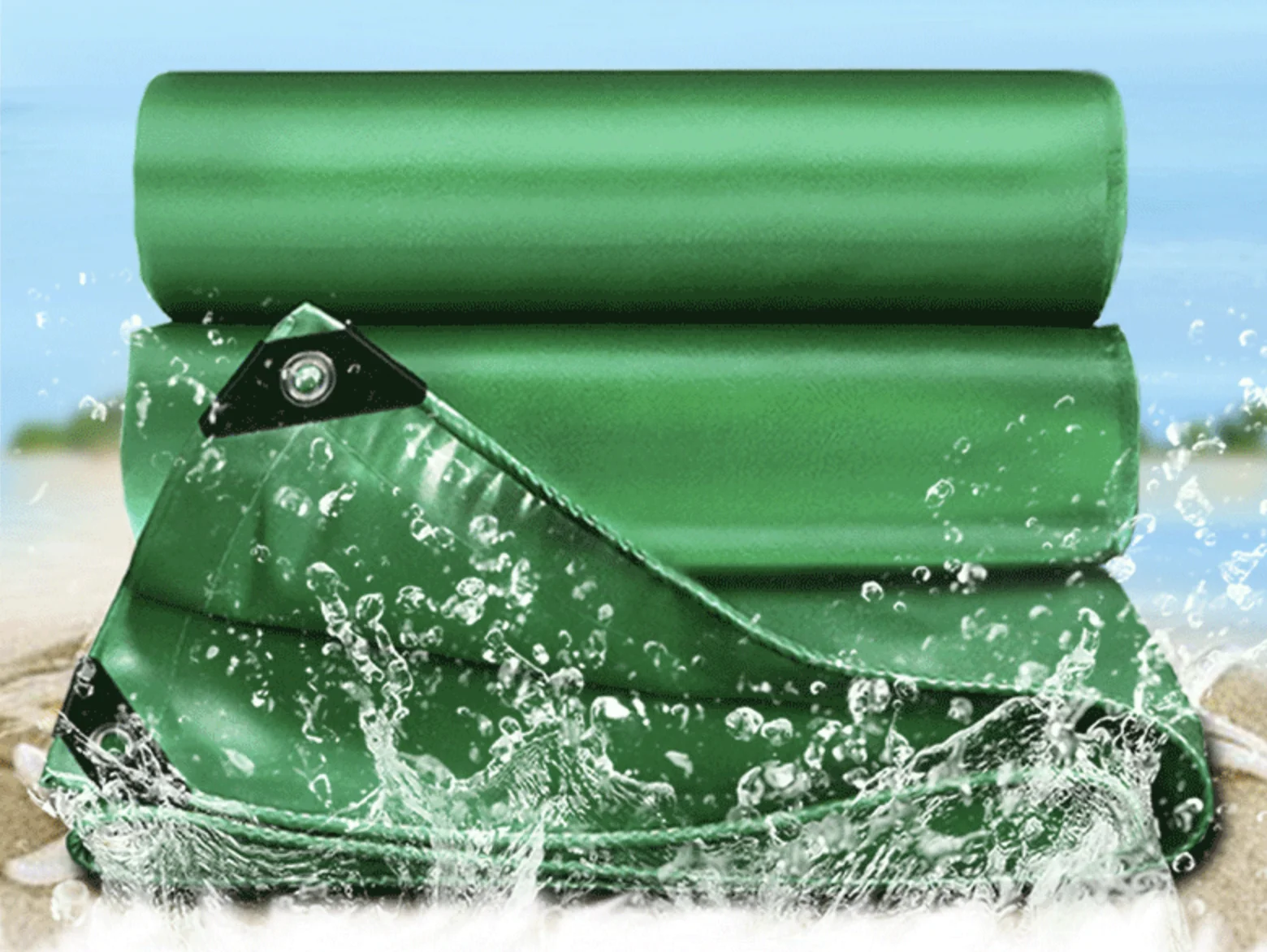
Batch-Controlled Coating Consistency — every roll of PVC knife-coated tarpaulin fabric verified for GSM, colour and coating adhesion against the material specification sheet before dispatch.
Technical Specifications
| Parameter | Value |
|---|---|
| Product Type | PVC Coated Tarpaulin Fabric |
| Coating Method | Knife coated / Tricot coated |
| Coating Material | PVC |
| Base Fabric Construction | Woven plain |
| Weight | 500GSM |
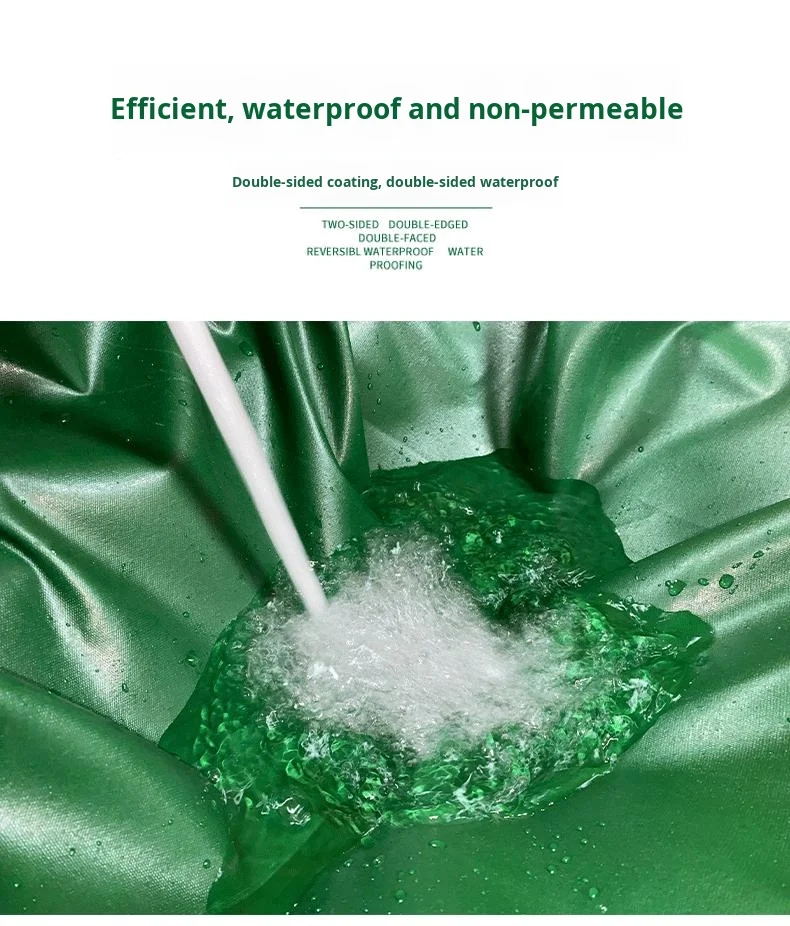
| Waterproof Rating | Anti-permeable ≥ 20KPa |
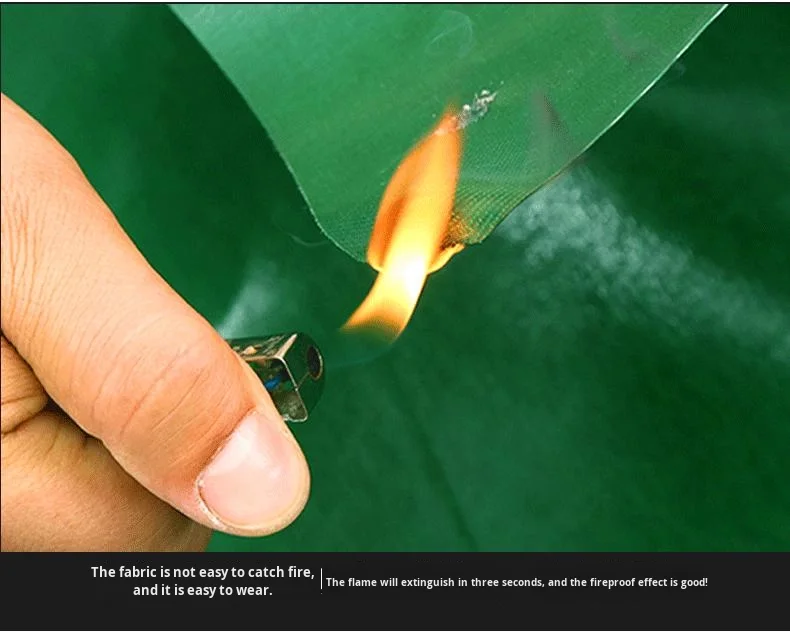
| Flame Retardant | ≤ 10 seconds (grade not stated — confirm the grade required for your market) |
| Low-Temperature Flexibility | -30°C |
| Surface Style | Plain, wrinkle resistant |
| Treatment | Anti-UV (test basis not stated), anti-mildew, anti-corrosion (acid, alkali, brine) |
| Key Features | Waterproof, flame retardant, anti-UV, mildew proof, chemical resistant |
Application Suitability
| Application | Exposure & Requirement |
|---|---|
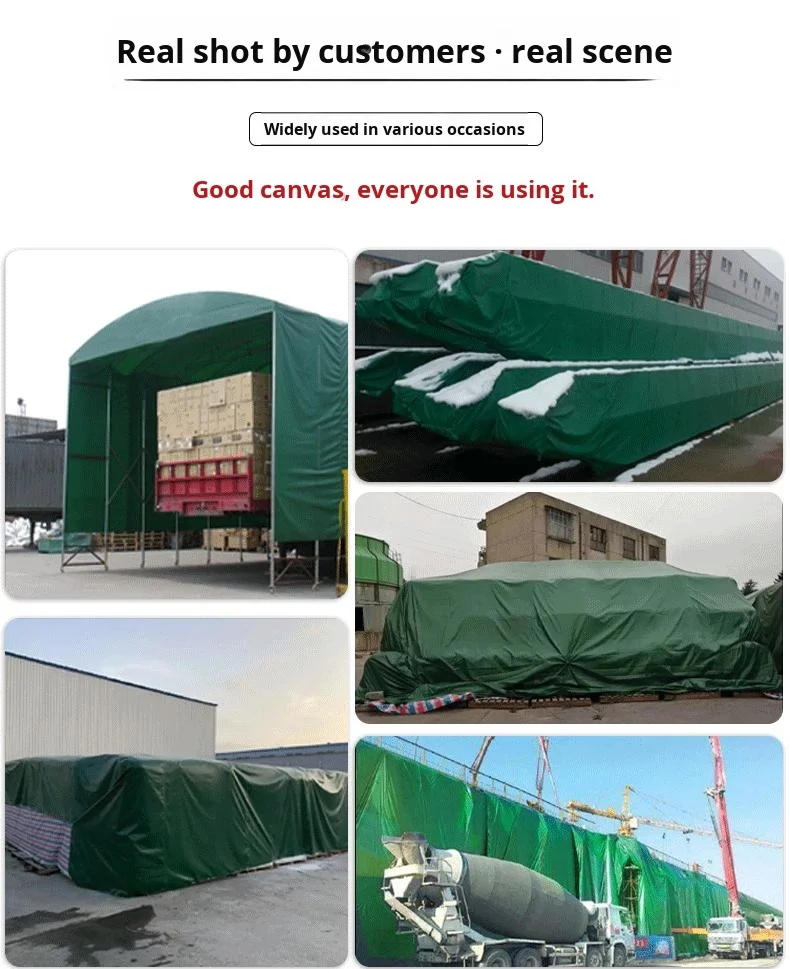
| Tent and canopy manufacturing | Extended outdoor UV exposure, repeated assembly and teardown, waterproof integrity at seams |
| Awning fabrication | Constant sun exposure, wind-load flexing, colour fastness across adjacent panels |
| Truck tarpaulin covers | Road abrasion, weather exposure, tie-down stress at reinforced edges |
| Industrial waterproof covers | Chemical contact, outdoor storage, long-term moisture barrier requirement |
| Tarpaulin distributor roll stock | Batch consistency across rolls, verified GSM for regional resale compliance |
Why Colour Consistency Across Rolls Matters More Than Price Per Metre
Colour variation between rolls in the same container is only discovered when panels are installed side by side — by then the entire shipment is committed.
For awning and tent fabricators, a visible colour shift between two adjacent panels means the installer either rejects the job or lives with a compromised appearance. This problem does not show up on a sample card or a single test swatch. It emerges only when multiple PVC knife-coated tarpaulin fabric rolls from the same order are unrolled next to each other under natural light. [NEED_CITE: colour variation in PVC coated fabric batches and its impact on large-panel assembly projects]
The root cause is often inconsistent pigment dosing or temperature fluctuation across the coating line. A controlled knife coating process with in-line colour monitoring addresses this before the roll is wound. For wholesale buyers stocking roll inventory, this means fewer customer returns and fewer partial-roll write-offs.
Roll-to-Roll Weight Verification for Wholesale Confidence
When buying by the roll, the stated GSM on the quotation must match the actual weight on arrival. Knife coated construction allows precise control over coating weight because the blade gap and paste viscosity are set before each production run. This PVC knife-coated tarpaulin fabric is produced with dedicated QA checkpoints at every coating stage, ensuring the 500GSM grade is maintained from the first metre to the last.
Each roll is inspected against the material specification sheet before winding. This matters for distributors who sell on to fabricators — a lighter-than-specified roll not only disappoints the end buyer but also underperforms on tensile and tear resistance. Verified weight is the baseline for every other performance claim.
Batch Documentation That Supports Your Receiving Inspection
A certificate of origin and a packing list are standard. What separates a reliable wholesale supply from an uncertain one is documentation that actually supports your receiving QC. Every consignment of this PVC knife-coated tarpaulin fabric ships with a roll packing list detailing individual roll weights and the container loading plan, so your warehouse team can verify count and condition at the door. [NEED_CITE: coated fabric pre-shipment inspection standards and documentation requirements]
For importers managing container loads, knowing the exact roll count, weight distribution and loading sequence means faster unloading and fewer claims for transit damage. The documentation is built for the logistics chain, not just for compliance.
How Knife Coating and Base Fabric Determine Real-World Performance
The plain weave base fabric provides the structural backbone — warp and weft yarns carry tensile and tear loads, while the PVC coating protects against water, UV and chemical exposure. The 500GSM weight reflects the combined mass of base fabric and coating; a higher GSM alone does not guarantee higher strength if the base fabric density is low.
Knife coating forces PVC paste into the weave under blade pressure, producing strong mechanical adhesion between coating and yarn. This is critical for weld performance: when fabricators heat-weld seams, the coating must bond without delaminating from the base fabric. The tricot coating variant adds dimensional stability, reducing bias stretch during cutting and fabrication. The anti-permeable rating of ≥ 20KPa confirms waterproof integrity suitable for outdoor structural applications. Low-temperature flexibility at -30°C ensures the coating remains pliable in cold-climate warehousing and winter installation. [NEED_CITE: relationship between knife coating adhesion and heat-weld seam performance in PVC tarpaulins per ISO 1421]
The Hidden Cost of Skipping Colour and Weight Checks Before Bulk Orders
Approving a single sample and then placing a full container order without batch-level verification is a common shortcut. The problem surfaces weeks later when the rolls arrive and colour shifts are visible across panels, or when the GSM on the receiving scale does not match the quotation. For tent manufacturers assembling large canopies, this means either accepting a visual defect or cutting around it — both options waste material and labour.
Flame retardant claims without a confirmed grade can result in failed site inspections. A tent installed at a public event may be checked against local fire codes, and "flame retardant ≤ 10 seconds" without a recognised test standard leaves the fabricator exposed. Requesting the applicable grade for your target market before production avoids costly rework. [NEED_CITE: fire safety compliance requirements for temporary structures and tent fabric certification]
Why Fabricators and Distributors Source This Roll Stock Here
Three full production lines with 36 sets of professional equipment support bulk roll orders with reliable lead times, so container schedules are not disrupted by capacity bottlenecks. A 10-person R&D team handles custom width, colour matching and pattern printing, developing samples within days so you can verify before committing to volume.
Dedicated QA at every production stage — not just final inspection — means coating weight, colour and adhesion are checked during the run, not after the roll is wound. Every order ships with 100% pre-shipment inspection and a documented inspection record. Nearly 30 years of coated fabric production underpins process control that new entrants cannot replicate.
Documentation & Verification
- Material specification sheet stating 500GSM, base fabric construction and PVC coating type per roll
- Anti-UV and flame retardant test reports supplied where applicable to your market grade
- Roll packing list with individual roll weights and container loading sequence for receiving QC
- Pre-shipment inspection record confirming GSM and colour against approved sample reference
- Certificate of origin and customs documentation for international roll stock import
Fabrication, Handling & Storage
- Heat-weld seams at temperatures matched to the PVC knife coating layer to prevent delamination at flex points
- Store rolls upright on pallets to prevent flat spots and surface creasing on the plain finish
- Allow cold-stored rolls to acclimatise before unrolling to avoid cracking below -30°C flexibility threshold
- Use sharp blades for cutting to maintain clean edges on the 500GSM woven base fabric
- Clean with mild detergent only — avoid solvents that degrade the anti-corrosion PVC coating surface
- Plan cutting layout to maximise yield from roll width and minimise offcuts on large panel assemblies
What We Need From You to Quote Accurately
To provide a precise roll stock quotation, share your target roll width, annual volume and preferred colour references. If your end use involves public structures, confirm the flame retardant grade required by your local fire code so we match the correct treatment. Let us know whether you need plain rolls for your own cutting line or if pattern printing and branding are part of the specification.
Frequently Asked Questions
Q: How is GSM verified per roll, and what documentation supports arrival inspection?
A: Each roll is weighed and checked against the material specification sheet during production and again at pre-shipment inspection. You receive a roll packing list with individual weights and a documented inspection record, so your warehouse team can verify actual GSM on arrival without relying solely on the quotation.
Q: What controls ensure colour consistency across rolls in the same container?
A: Pigment dosing and coating line temperature are monitored throughout each production run. Rolls destined for the same order are produced consecutively under the same batch settings. Samples are available for colour approval before bulk production, and the pre-shipment inspection includes a visual colour comparison across rolls.
Q: Which standard widths and roll lengths are stocked, and what are the minimums for custom sizes?
A: Standard widths cover common awning and tent fabrication requirements. Custom widths and roll lengths are produced on request with flexible minimums depending on the specification. Share your required dimensions and volume so we can confirm availability and production scheduling.
Q: How are rolls packed and loaded to prevent surface damage during ocean freight?
A: Rolls are packed upright on pallets with protective wrapping to prevent abrasion and compression damage. The container loading plan is documented in the roll packing list, specifying roll count and positioning so unloading is efficient and surface damage is minimised.
Q: What welding temperature and seam construction guidelines apply to this knife coated grade?
A: Welding parameters depend on the PVC coating thickness and base fabric construction of the 500GSM grade. We recommend test welds on sample pieces before full production to confirm temperature and pressure settings that produce clean, delamination-free seams at high-flex points.