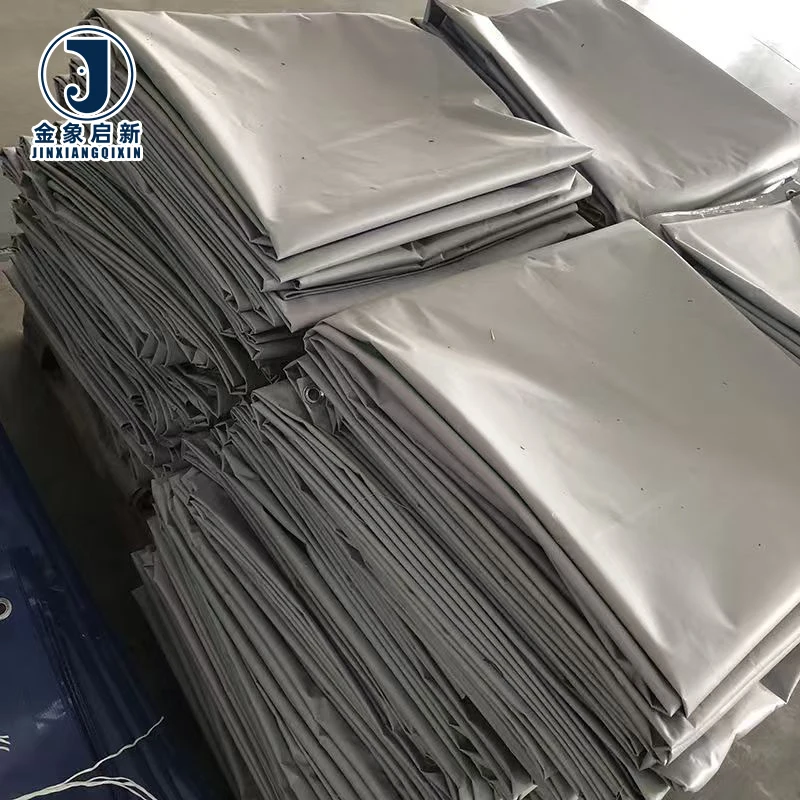
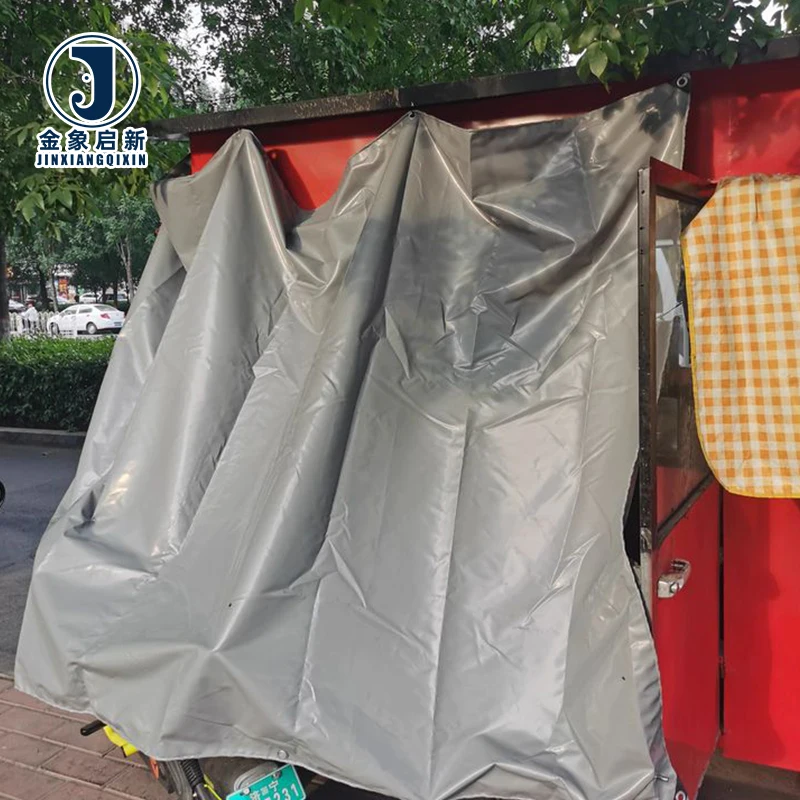
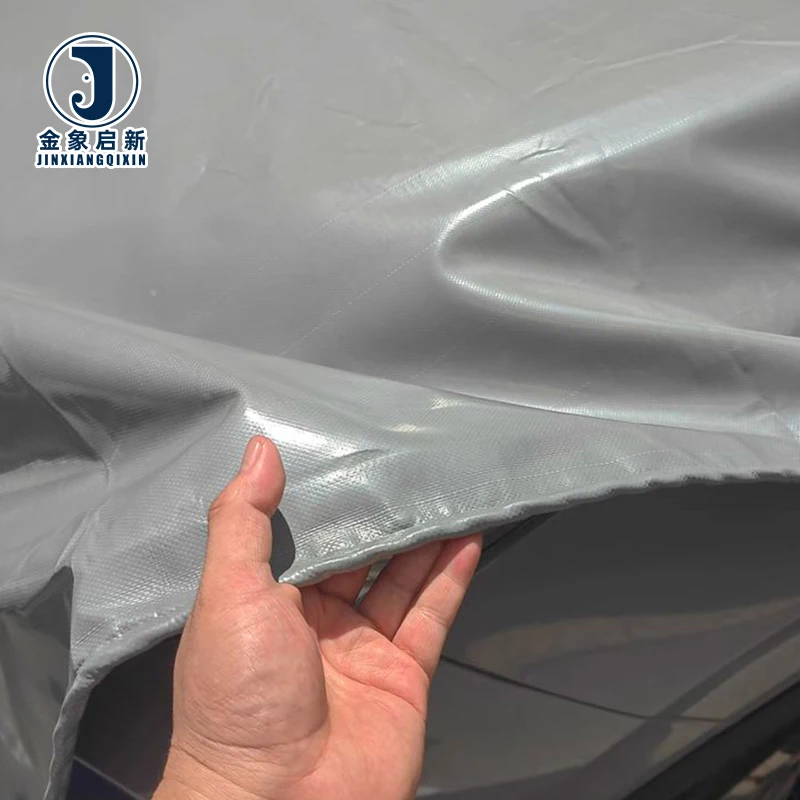
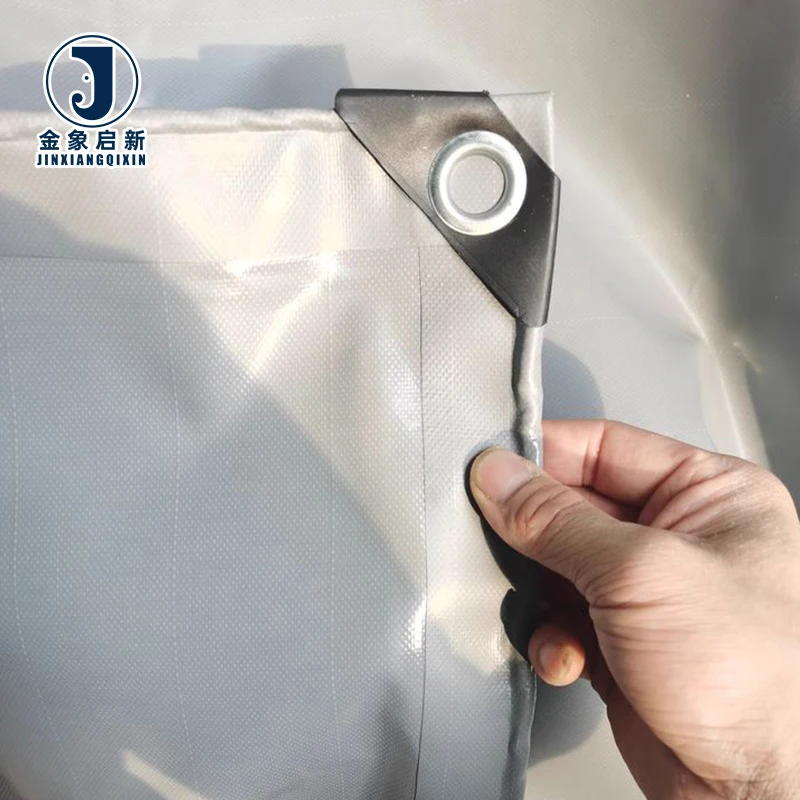
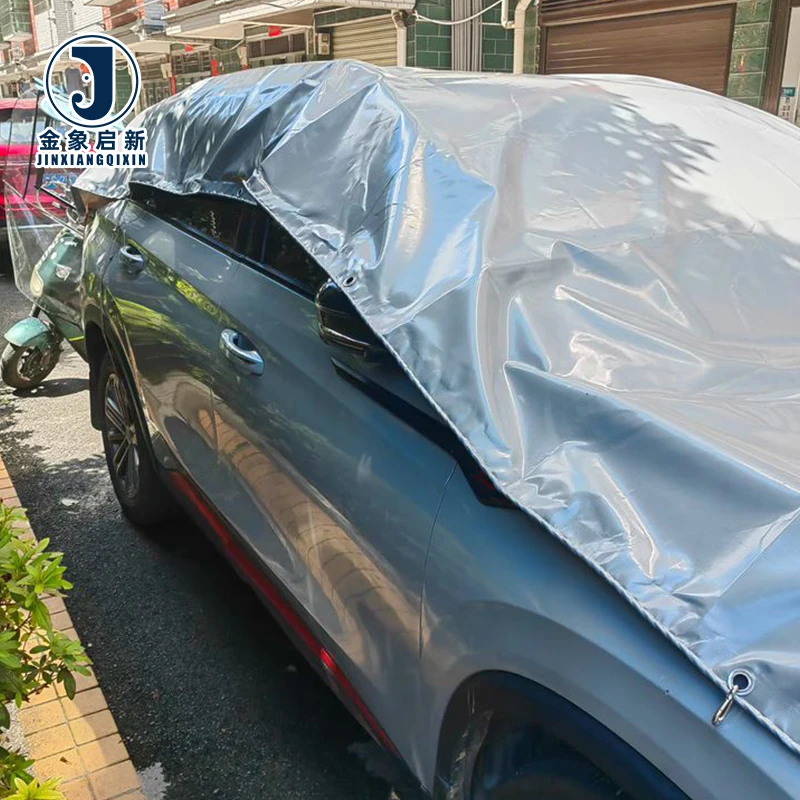
Description
Roll-to-Roll Consistency — Dedicated QA/QC at every production stage with 100% pre-shipment inspection ensures every roll meets the stated weight, denier and colour reference before dispatch.
Technical Specifications
| Parameter | Value |
|---|---|
| Product Type | PVC Coated Tarpaulin Roll |
| Weight (GSM) | 250gsm-1500gsm (multiple grades available) |
| Base Fabric Denier | 200DX300D / 500DX500D / 840DX840D / 1000DX1000D |
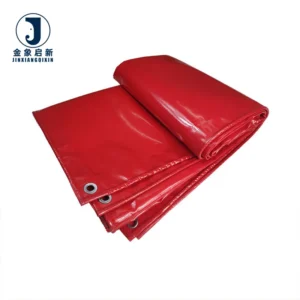
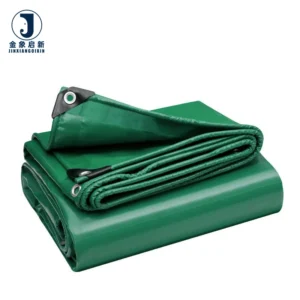
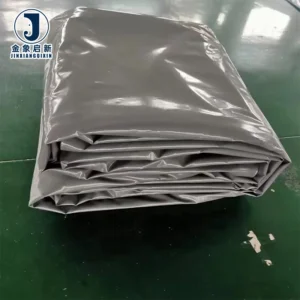
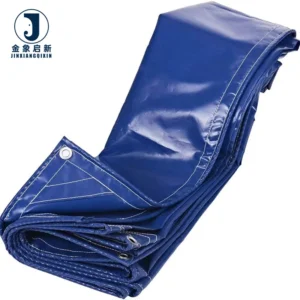
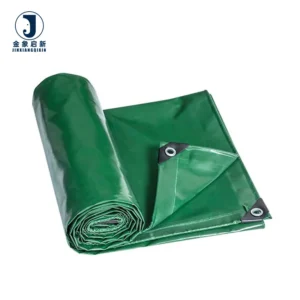
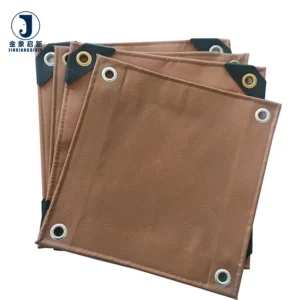
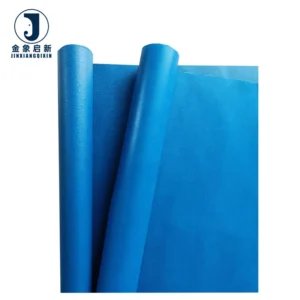
| Color Options | Blue / Yellow / Black / Green / White / Custom |
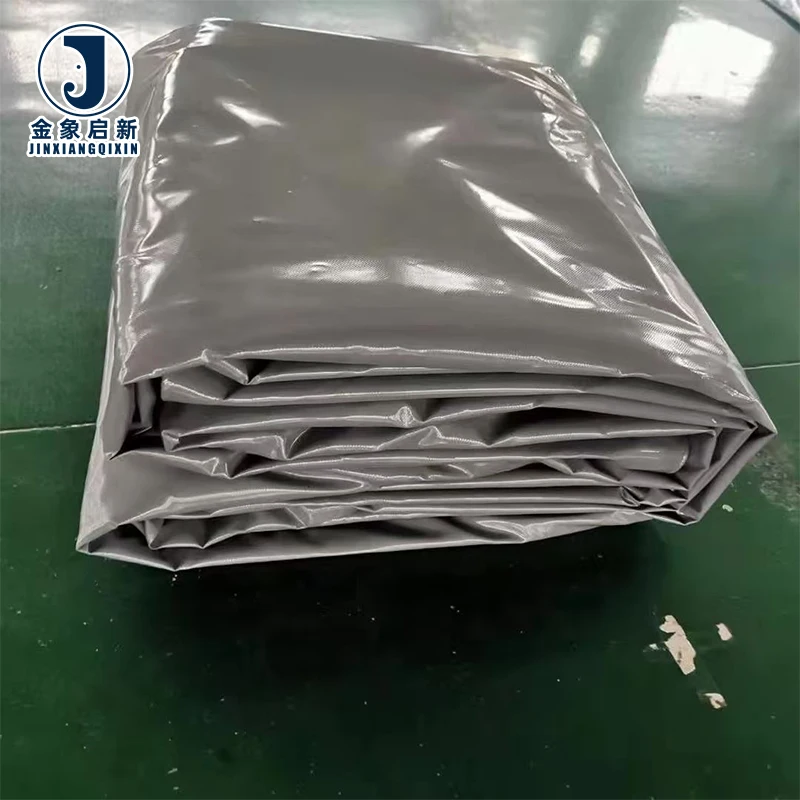
| Surface Finish | Glossy or Matte |
| Waterproof | Yes, fully coated construction |
| UV Treatment | Customized (test basis not stated in source — confirm grade for your market) |
| Flame Retardant | FR treated (grade not stated in source — confirm classification required for your region) |
| Anti-Fungal | Treated (standard not stated in source) |
| Temperature Range | -15°C to 70°C |
| Size Options | 3x4m / 6x8m / 8x10m / 10x12m or custom made |
| OEM/ODM | Accepted |
| Key Features | Water-proof, rain-resistant, tear-resistant, durable, good flexibility, adhesion strength, abrasion resistance |
Application Suitability
| Application | Exposure & Requirement |
|---|---|
| Tarpaulin distribution & import | Batch-to-batch GSM and colour consistency across full container loads for local cutting and resale |
| Tent and awning manufacturing | Roll-fed cutting, seam welding, dimensional stability under tension during assembly |
| Inflatable and membrane structures | Airtight coating adhesion, controlled flex behaviour, consistent surface for heat welding |
| Logistics fleet side curtains | Constant flexing at road speed, UV exposure, abrasion at contact points with frame hardware |
| Construction site and equipment covers | Weather exposure, wind loading, puncture risk from site debris |
Why the Wrong PVC Coated Tarpaulin Roll Grade Costs More Than the Fabric Itself
The gap between what the quote says and what arrives on the warehouse floor is where distributors lose margin and credibility.
When a buyer specifies a particular weight grade for a PVC coated tarpaulin roll wholesale order, the entire downstream value chain depends on that material matching its stated specification. Rolls that arrive lighter than the agreed GSM force fabricators into warranty exposure — truck covers that fail early, site covers that puncture under load, and end-users who hold the distributor responsible. Colour drift between batches is equally damaging: once two rolls from the same shipment are installed side by side on a trailer or a structure, any shade variation becomes immediately visible. [NEED_CITE: ISO 1421 tensile and tear test methods for coated fabrics]
This is not a theoretical risk. Distributors who have absorbed returns and re-cuts due to undersized material know that the real cost of a wrong roll is never just the replacement shipment — it is the lost account, the container of inventory that no longer matches, and the delay while a corrected batch is produced.
Stock Grade Strategy for Volume Importers
Selecting the correct weight grade is a commercial decision as much as a technical one. A PVC coated tarpaulin roll ordered for general truck cover fabrication needs to balance tear resistance with handling weight, while the same material family ordered for membrane structures requires different coating adhesion characteristics. Multiple denier options within each weight tier — from 200DX300D up to 1000DX1000D — allow buyers to specify the strength profile that suits their fabrication process without shifting to a completely different product line.
Container Loading and Roll Count Planning
For wholesale buyers, the roll dimensions and packing format determine how much material fits in a container and how cleanly it unloads at destination. Custom widths reduce offcuts for fabricators cutting to specific panel sizes, while standard widths maximise roll count per shipment. Carton or bale packing options are selected based on the destination warehouse’s handling equipment and the fabricator’s unrolling setup. [NEED_CITE: container loading calculations for coated fabric rolls]
How Denier and GSM Interact to Determine Real-World Strength
GSM alone tells you how much material is present, but the base fabric denier determines how that weight is distributed across the weave structure. A 500DX500D base at the same GSM as a 200DX300D base will have fewer but thicker yarns, producing a fabric with different tear propagation behaviour — thicker yarns resist tear initiation but may allow faster propagation once a yarn breaks. For applications involving repeated flex loading, such as side curtains, the higher denier base generally handles fatigue better. The coating weight fills the gaps between yarns and bonds the two faces together, so adhesion strength between coating and base fabric becomes the limiting factor in weld integrity. Temperature range from -15°C to 70°C defines the operating envelope: below the lower limit, PVC stiffens and becomes susceptible to cracking at fold lines, while approaching the upper boundary the material softens and loses dimensional stability under tension.
What Happens When Colour Consistency Breaks Down Across a Multi-Roll Order
Shade variation between rolls in the same shipment is rarely caused by a single process failure — it typically accumulates from small deviations in pigment batching, coating temperature, and curing time across production runs. For a distributor reselling cut-to-size covers, a customer receiving two panels from different rolls will notice the mismatch immediately upon installation, and the complaint lands on the distributor, not the mill. Pre-shipment colour verification against a single reference standard across every roll in the order is the only practical control. [NEED_CITE: colour consistency measurement methods for coated textiles]
Why Volume Buyers Source PVC Coated Tarpaulin Rolls Here
Three full production lines and 36 sets of professional equipment provide the throughput required for bulk roll orders without compressing lead times to a point where quality checks are rushed. A dedicated 10-person R&D team develops samples within days when custom widths, colours or treatments are specified, allowing buyers to verify material before committing to container quantities. In-process QA at every coating stage catches GSM drift and adhesion issues before the roll reaches final winding. 100% pre-shipment inspection against the material specification sheet means each roll is weighed and measured before it leaves the facility. ISO and CE certified production processes underpin the documentation package that accompanies every export shipment.
Documentation & Verification
- Material specification sheet stating GSM, base fabric denier and colour reference per roll
- Pre-shipment inspection record confirming shade match and weight verification across the order
- Test reports for UV and flame-retardant grades supplied where treatment is specified
- Roll packing list with per-roll weight and dimensions for customs clearance
- Certificate of origin and customs documentation support included with dispatch
Fabrication, Handling & Storage
- Heat welding parameters must be matched to the specific PVC coating thickness and glossy or matte surface finish
- Store rolls upright on pallets to prevent flat-spot deformation across the coated surface
- Unroll at ambient temperature above 10°C to avoid cracking in cold-stiffened PVC material
- Matte finish surfaces accept ink and adhesive branding differently than glossy — test print adhesion on samples first
- Allow rolls to acclimatise in the fabrication workshop for consistent dimensional behaviour during cutting
- Support rolls across full width on storage racks to prevent edge compression on heavier GSM grades
What We Need to Prepare Your Quotation
To provide a specification that matches your market requirements, share the end-use application, the target weight grade and denier preference, and the annual volume or container quantity you are planning. If your market requires specific fire classification or UV performance standards, include the relevant test standard so we can confirm treatment availability and documentation. Specify whether you need standard stock widths or custom roll dimensions, and whether colour matching to a Pantone or RAL reference is required for brand consistency across shipments.
Frequently Asked Questions
Q: What GSM grades and widths are available for immediate roll stock shipment?
A: Multiple weight grades across the full range are produced regularly, with several denier and colour combinations held for wholesale fulfilment. Availability depends on current production scheduling and stock allocation. Confirm your required GSM, denier, colour and roll dimensions so we can advise on immediate dispatch or production lead time for your specific combination.
Q: How do you ensure roll-to-roll colour and weight consistency across a full container order?
A: Each roll undergoes weight verification and colour check against the order reference standard during pre-shipment inspection. Pigment batching and coating parameters are controlled at the production stage to minimise drift across the run. The inspection record accompanying your shipment documents the results per roll, giving you traceability on arrival.
Q: What is the minimum order quantity for custom width, colour or printed branding on rolls?
A: Minimums depend on the specific customisation — custom widths, non-stock colours and printed branding each have different production setup requirements. Samples are developed within days so you can evaluate the material before committing to bulk. Share your specification and target quantity for a confirmed minimum and lead time.
Q: Can you supply test reports for UV treatment and flame retardant with the shipment?
A: Where UV stabilisation or flame retardant treatment is specified, test reports are available — confirm the grade and test standard required for your destination market so the correct treatment is applied and documented. The reports are included in the shipping documentation package alongside the material specification sheet and packing list.
Q: How are rolls packed for container loading and what documentation is included?
A: Rolls are packed in carton or bale format depending on your handling preference and container loading plan. Each shipment includes a roll packing list with weight and dimensions per roll, material specification sheet, certificate of origin, and customs support documentation to facilitate clearance at destination.