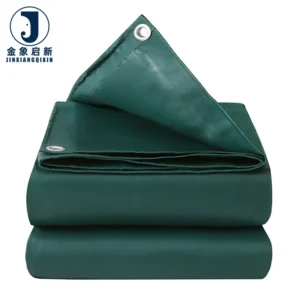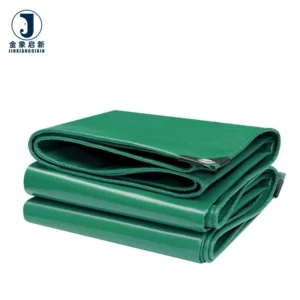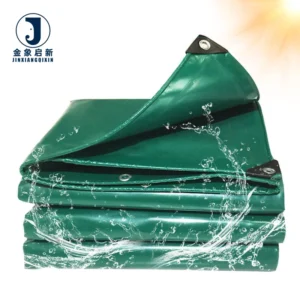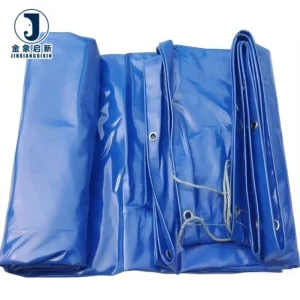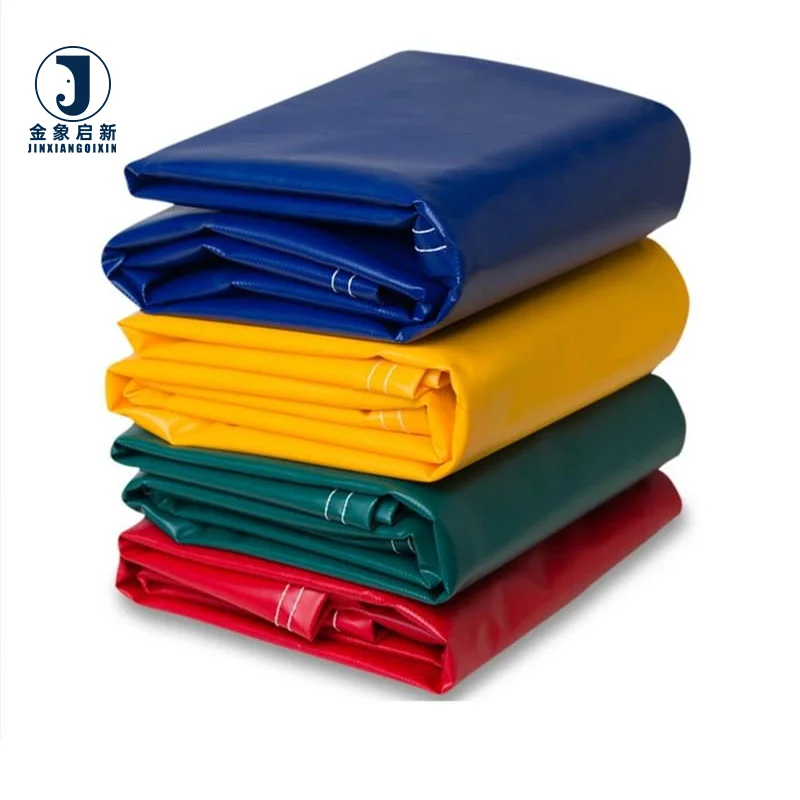
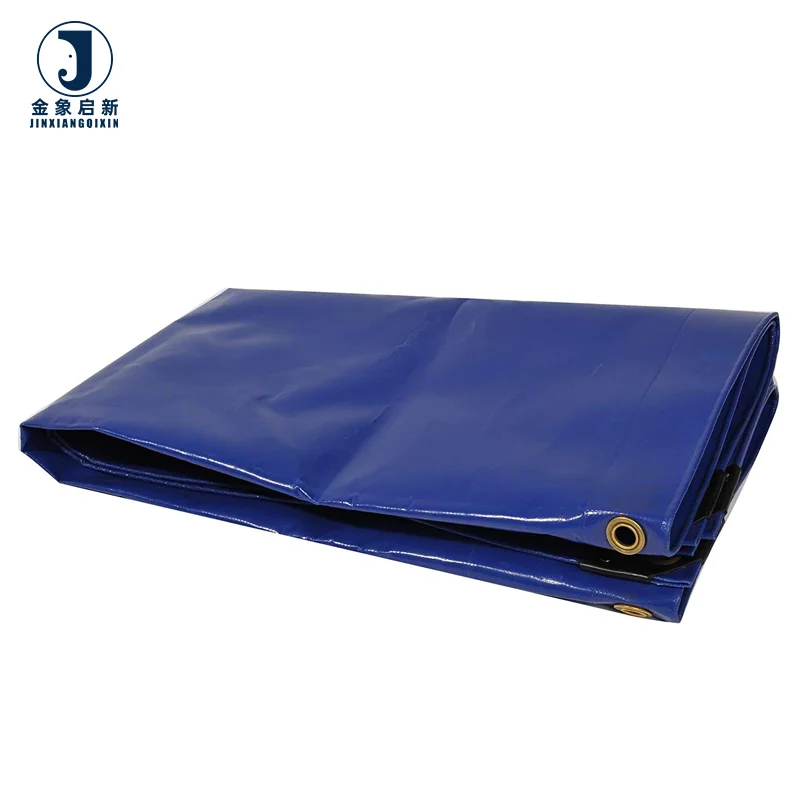
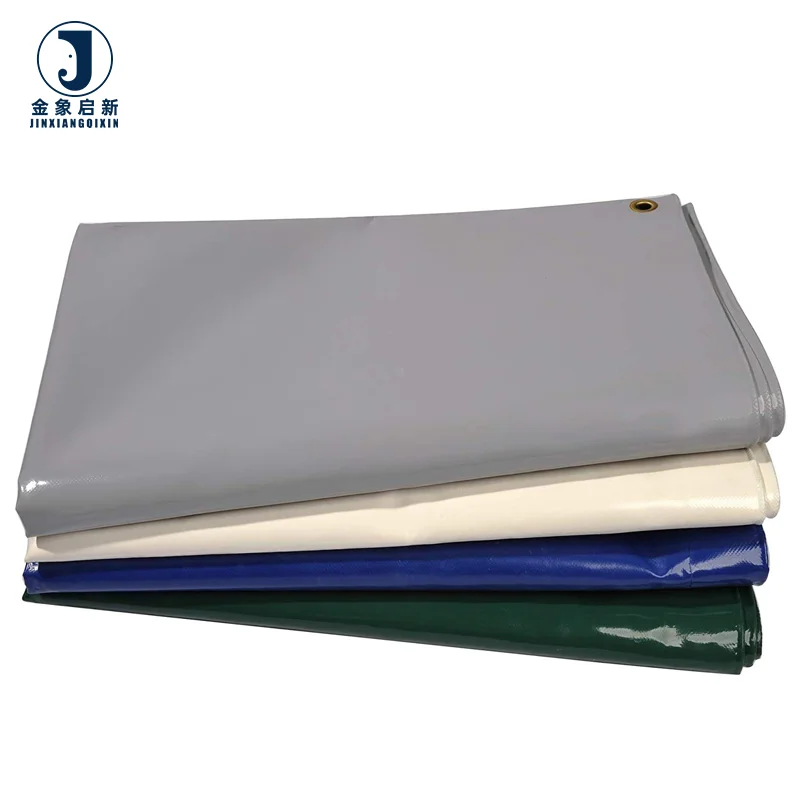
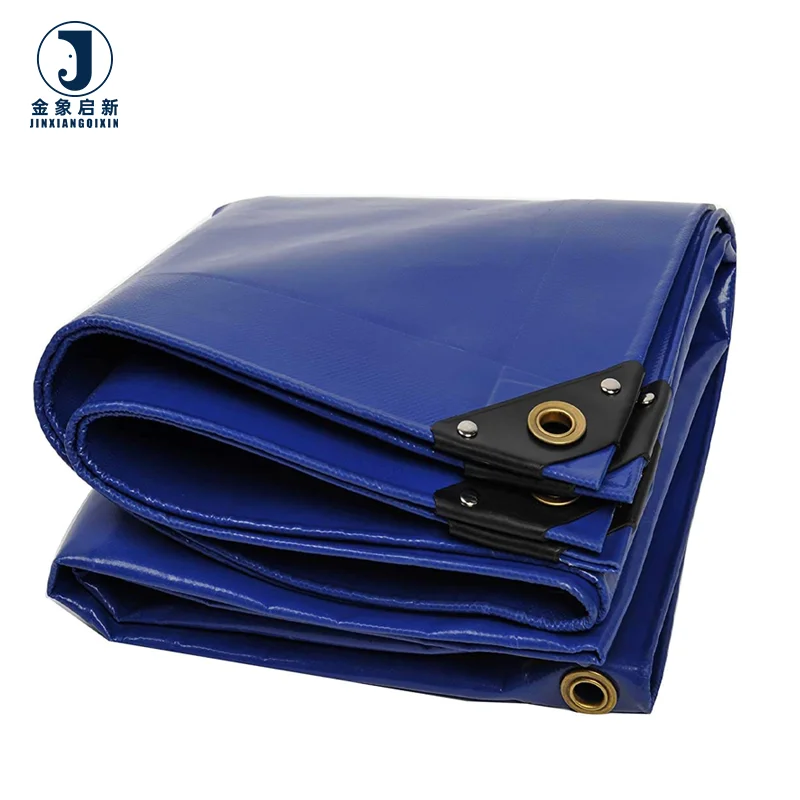
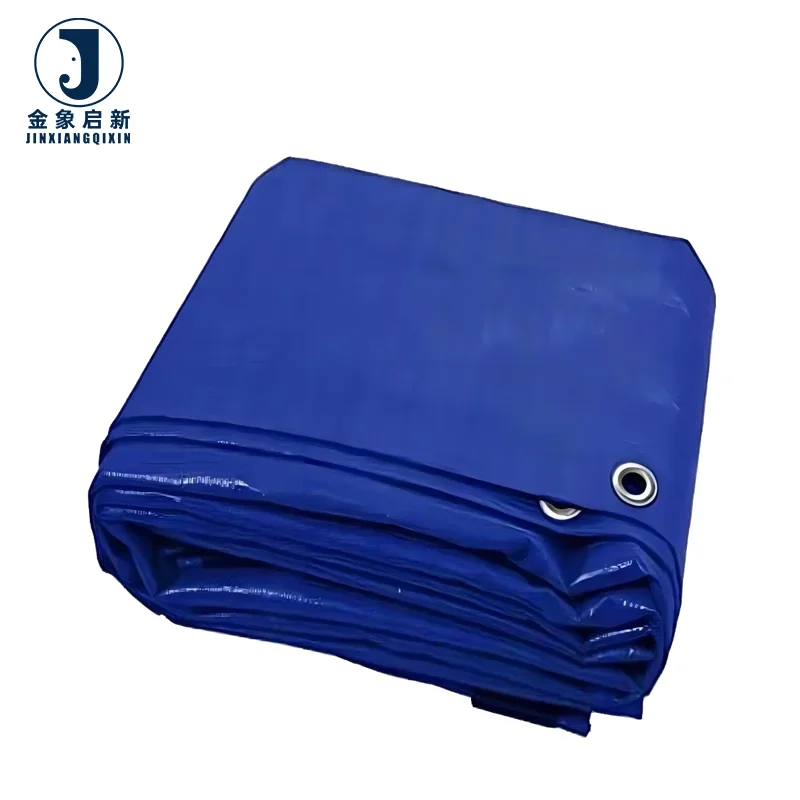
Description
Verified GSM Per Roll — Every roll is weighed and inspected before dispatch, with a pre-shipment record confirming the 350–900 GSM you ordered, not a lighter substitute.
Technical Specifications
| Parameter | Value |
|---|---|
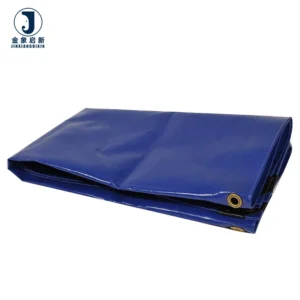
| Product Type | PVC Coated Tarpaulin Roll |
| Base Fabric | Polyester (knitted/woven) |
| Yarn Count Options | 500D×840D / 500D×1000D / 1000D×1000D / 1000D×1300D / 1300D×1300D / 1000D×2000D |
| Weight Range | 350 / 400 / 420 / 500 / 600 / 650 / 750 / 900 GSM |
| Thickness Range | 0.29mm – 0.65mm |
| Coating | Double-sided PVC |
| Surface Finish | Smooth, leather-like texture |
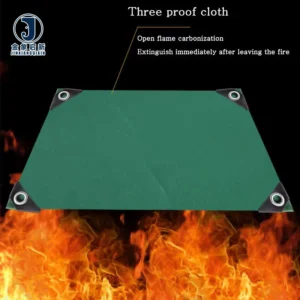
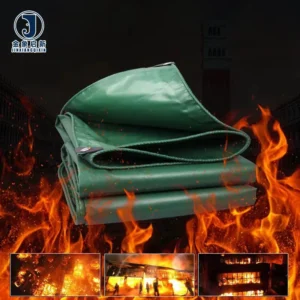
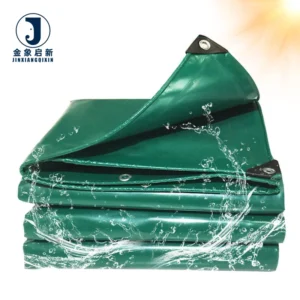
| Key Features | Waterproof, fire retardant (grade not stated), anti-UV (test basis not stated), heavy metal free, anti-mildew, flexible, self-cleaning |
| Joining Methods | High frequency hot melt, hot air welding, sewing |
| Printable | Yes, customized pattern and branding available |
Application Suitability
| Application | Exposure & Requirement |
|---|---|
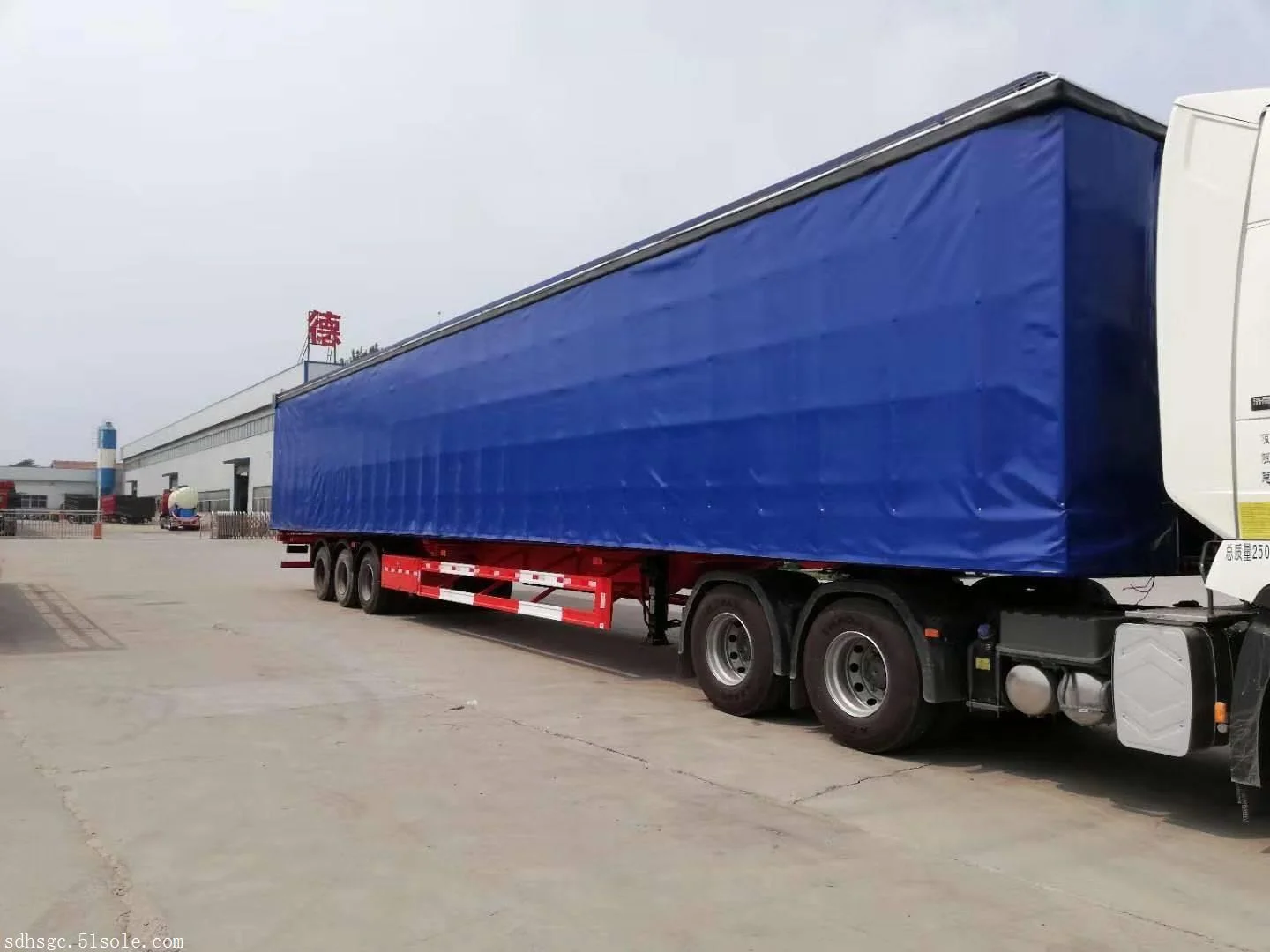
| Truck and trailer side curtains | Constant flexing at hinge points, road spray, UV exposure, abrasion from load contact |
| Pallet and equipment covers | Warehouse stacking pressure, forklift handling, dust and moisture ingress |
| Outdoor event tents (block-out) | Full weather exposure, wind loading on large spans, repeated assembly and teardown |
| Awnings and shade structures | Sustained UV and rain, thermal expansion across fixed frames |
| Inflatable and membrane structures | Internal air pressure, seam integrity under continuous tension |
| Construction site hoarding | Wind load, debris impact, UV degradation over multi-month site programmes |
Why Roll-to-Roll Consistency Matters More Than Quoted GSM
A quoted GSM is only useful if every roll in the container actually matches it.
Tarpaulin distributors and importers frequently receive container shipments where the measured weight on arrival falls below the figure stated on the commercial invoice. This is not always intentional short-weighting; it often results from uncontrolled coating application where the PVC layer varies across the production run. When fabricators cut and weld these underweight rolls into truck covers or tent panels, the finished product fails earlier than expected — and the blame lands on the converter, not the mill. Buying PVC coated tarpaulin roll stock from a source that inspects and records weight per roll before dispatch eliminates this downstream liability. [NEED_CITE: ISO 1421 tensile and tear test methods for coated fabrics]
How Coating Weight Is Controlled Across the Production Run
Double-sided PVC coating over a polyester base fabric requires precise control of paste viscosity, knife gap and oven temperature at every stage. Any drift in these parameters shifts the coating weight — and therefore the GSM — from one end of the roll to the other or from one roll to the next. The PVC coated tarpaulin roll stock produced here runs through dedicated QA checkpoints at each coating head, with samples pulled and weighed to confirm the target is held within tolerance before the roll is wound and packed.
Colour Matching From First Roll to Last
Colour variation between rolls in the same shipment is a common complaint when multiple batches are mixed on the production floor. If a fabricator is cutting panels for a single truck fleet or tent structure and two rolls sit side by side with a visible shade difference, the entire order can be rejected by the end user. Colour consistency is checked during production against the approved reference so that every roll in the container matches the same standard. [NEED_CITE: colour fastness and batch consistency standards for coated textiles]
What Denier and Mesh Count Actually Mean for Roll Buyers
GSM tells you the total weight per square metre, but it does not tell you how that weight is distributed between base fabric and coating. A 650 GSM roll made with a 1000D×1000D base and a 20×20 mesh count will have a very different tear propagation behaviour compared to a 650 GSM roll made with a 500D×840D base and a heavier coating layer. The base fabric denier determines the tensile and tear strength of the woven substrate, while the coating weight governs waterproofing, abrasion resistance and weld-ability. When you specify PVC coated tarpaulin roll stock, requesting both the denier and the GSM ensures you are comparing equivalent constructions.
Thickness, measured from 0.29mm to 0.65mm across the available grades, correlates with stiffness and handling characteristics during fabrication. Thinner grades drape more easily over curved frames and are suited to awning and inflatable applications, while heavier grades hold their shape under wind load on construction hoarding and truck side curtains. The brittle temperature specification of ≤ -50°C to -60°C and softening temperature of ≥ 80°C define the operational envelope — rolls intended for cold-climate transit or high-temperature storage should be matched to the appropriate grade. [NEED_CITE: low-temperature flexibility test standards for PVC coated fabrics]
The Hidden Cost of Specifying the Wrong Grade
Ordering a lighter GSM than the application demands leads to premature failure at the points of highest stress — typically at welded seams where the load flexes repeatedly. Fabricators who cut costs by stepping down from a 650 GSM to a 500 GSM for a truck side curtain often see the seam fail before the fabric body does, because the reduced base fabric density cannot absorb the cyclic loading. Conversely, specifying a heavier grade than necessary increases roll weight and shipping cost per square metre, reducing the number of rolls per container and eroding margin on high-volume orders.
When the required fire retardant or anti-UV treatment is claimed but not supported by a test report, the roll may pass incoming inspection but fail the site compliance audit once installed. This forces the contractor to remove and replace the fabric at significant cost. Requesting the specific grade or test standard before placing the order — rather than accepting a generic "fire retardant" claim — prevents this scenario. [NEED_CITE: fire classification requirements for temporary structures and building site materials]
What Distinguishes This Roll Stock Source
Three full production lines and 36 sets of professional equipment provide the capacity to fill container-quantity orders without splitting production across external mills, which is where batch inconsistency typically originates. The 10-person R&D team handles custom width, colour matching and pattern printing at the sample stage, allowing trial rolls to be evaluated before full production is committed.
Dedicated QA/QC at every production stage, with 100% inspection before shipment, means each roll ships with a verified weight record — not just a label stating the target GSM. Samples for custom requirements are developed within days, reducing the time between inquiry and approval. Full documentation accompanies every dispatch, including material specification sheets, test reports where applicable, and container loading plans.
Documentation & Verification
- Material specification sheet stating base fabric denier, coating weight and GSM per roll grade
- Pre-shipment inspection record with roll-by-roll weight verification against the purchase order
- UV and fire retardant test reports supplied for grades where specific treatment is ordered
- Roll packing list detailing weight, length and width per roll for container loading calculation
- Certificate of origin and customs documentation for cross-border shipments
Fabrication, Handling & Storage
- High frequency hot melt welding is recommended for the double-sided PVC coating to achieve full-seal seams on truck curtains
- Hot air welding suits field repairs and on-site joining of the heavier 750–900 GSM grades
- Store rolls upright on pallets to prevent flat-spotting and permanent creasing on the PVC surface
- Avoid stacking heavy rolls horizontally to prevent edge compression damage on the bottom layer
- Use compatible PVC-based cleaners to protect the self-cleaning surface finish from chemical degradation
- Allow cold-stored rolls to reach ambient temperature before unrolling to prevent coating micro-cracking
Before You Request a Quote
Specify the application, required GSM grade, base fabric denier and whether any fire retardant or anti-UV treatment is needed for your target market compliance. Provide the required roll width and estimated annual volume so that stock availability and custom production minimums can be confirmed. If colour matching or printed branding is required, indicate the Pantone or RAL reference and whether a sample roll should be produced for approval before the full order runs.
Frequently Asked Questions
Q: What GSM grades are kept in stock versus produced to order?
A: Standard grades across the 350–900 GSM range are produced regularly, but specific widths, colours and printed rolls are typically made to order. Stock availability for common widths can be confirmed at inquiry, while custom runs require sample approval before full production. Lead times vary by specification and order volume.
Q: How is colour consistency guaranteed across dozens of rolls in one shipment?
A: Colour is checked at the coating stage against the approved reference for that order. Rolls produced in the same batch are grouped together, and pre-shipment inspection includes a visual comparison across rolls to confirm no visible shade variation. If multiple production batches are required for a large order, this is communicated before dispatch.
Q: Can I order a trial roll in a custom width or colour before committing to a container?
A: Yes, sample rolls are developed within days for custom width, colour or printing requirements. The trial roll allows fabricators to test welding parameters, drape and colour approval before the full production run is scheduled. Sample costs and lead times are quoted alongside the bulk pricing.
Q: What documentation is included with each roll shipment?
A: Each dispatch includes a material specification sheet stating denier and GSM, a pre-shipment inspection record with roll weights, a packing list with dimensions per roll, and a certificate of origin. Fire retardant and UV test reports are provided for grades where the specific treatment has been ordered and verified.
Q: What joining methods work best with this PVC coated fabric?
A: High frequency hot melt welding produces the strongest seams for factory fabrication of truck curtains and tent panels. Hot air welding is suitable for field repairs and site joining. Sewing is supported but requires sealed needle holes to maintain waterproof integrity. The recommended method depends on the GSM grade and the flex load at the seam.