Description
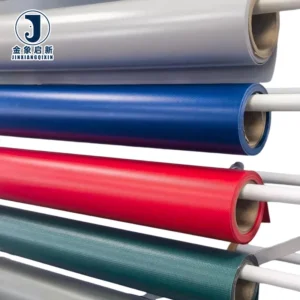
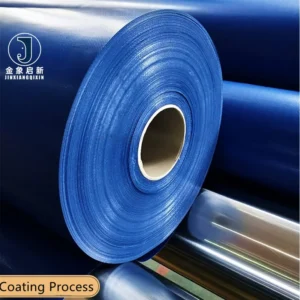
Consistent Roll-to-Roll Quality — Every PE tarpaulin roll is checked for coating weight and colour matching at each production stage with full pre-shipment inspection before loading.
Technical Specifications
| Parameter | Value |
|---|---|
| Product Type | PE Tarpaulin Roll |
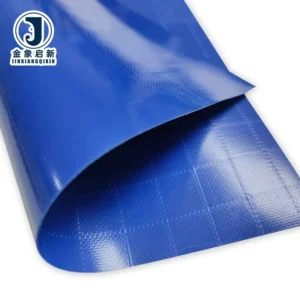
| Coating Material | HDPE weaving with LDPE lamination on both sides |
| Weight (GSM) | 50 gr/m² ~ 300 gr/m² available across mesh tiers |
| Total Thickness | 0.2–0.4 mm / 8–16 mil / Custom |
| Mesh Count Options | 6×6, 6×7, 7×7, 7×8, 8×8, 9×9, 8×10, 10×10, 12×12, 14×14, 14×16 |
| Roll Width Options | 6 ft, 8 ft, 10 ft, 12 ft, 2 m, 4 m, 6 m |
| Roll Length Options | 100 yards, 100 meters, or custom |
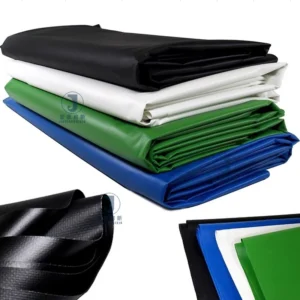
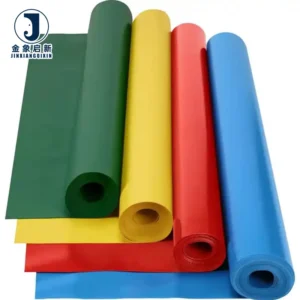
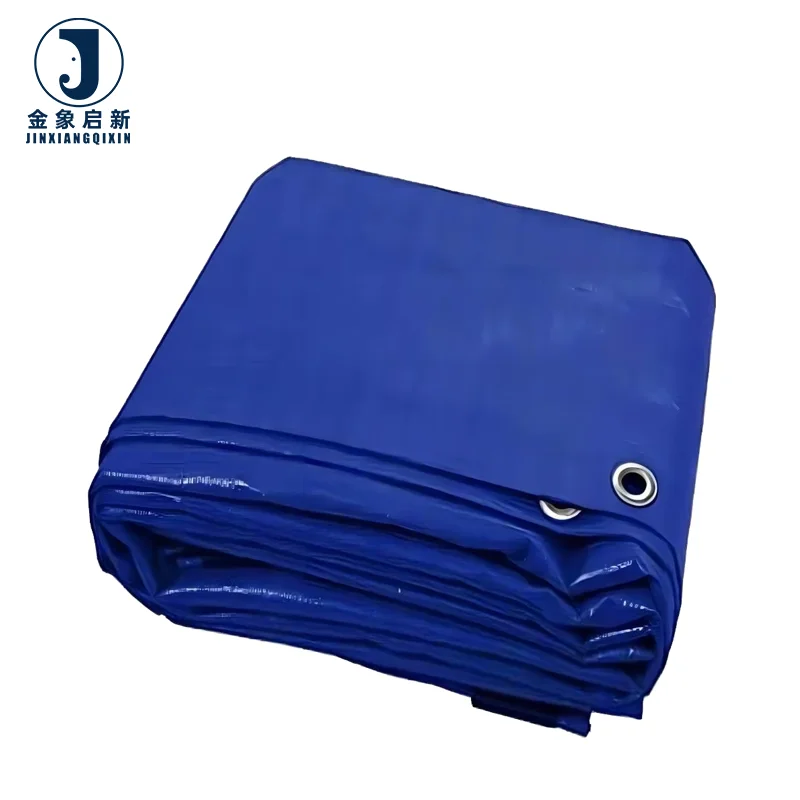
| Color Options | Blue, Blue/Orange, Green, Grey, Black, Clear, Grey/Green, Orange, or custom |
| Key Features | Waterproof, mildew proof, anti-aging, tear resistant, UV treatment available (test basis not stated) |
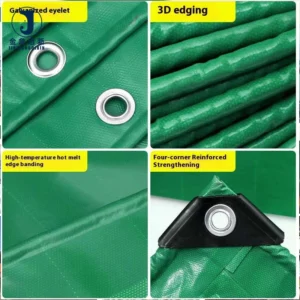
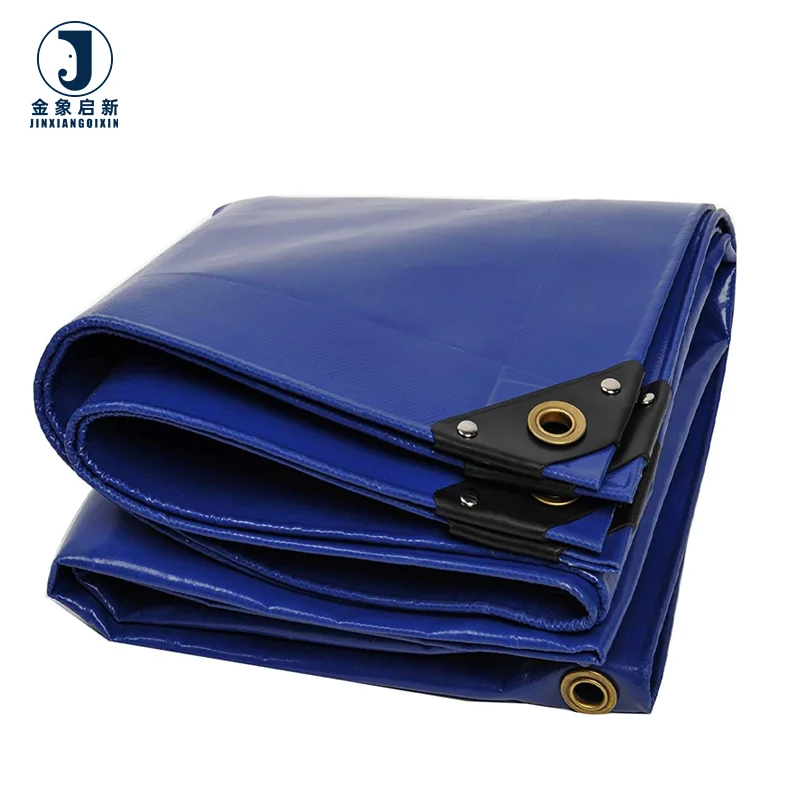
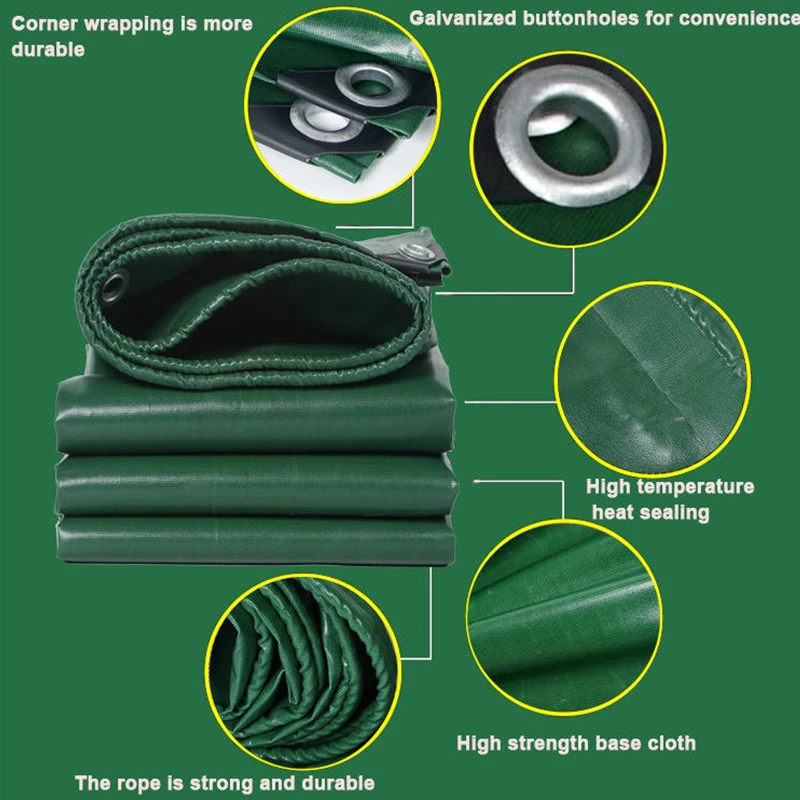
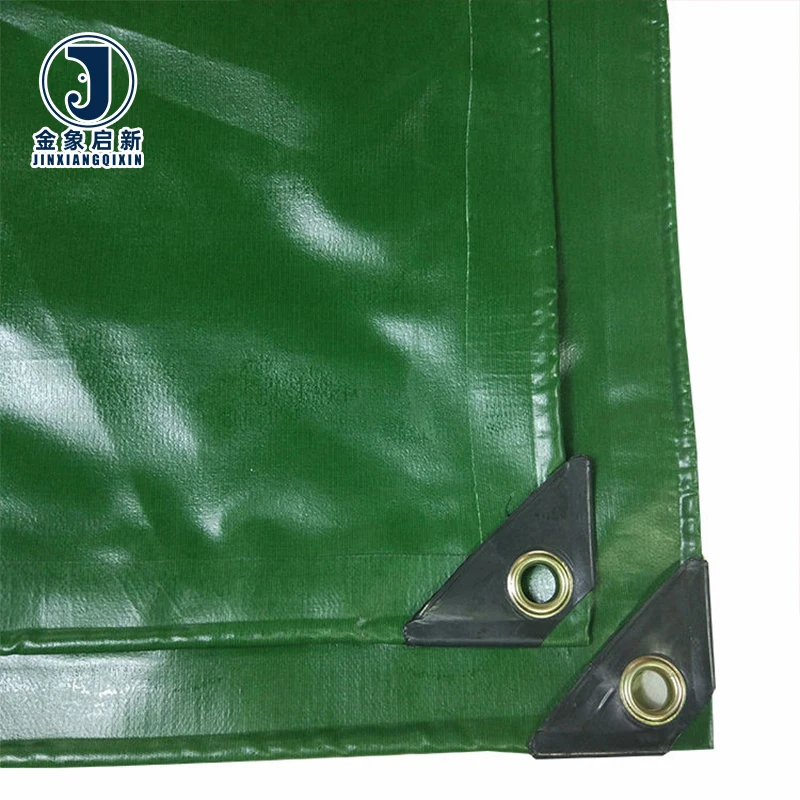
| Edge & Eyelet Options | All four edges reinforced with PP rope in hem; galvanized eyelets every 3 ft or 1 m; reinforced plastic corners |
| Printing | Custom branding accepted |
| Container Loading (20’GP) | 17 T by Roll / 12 T by Bale / 9 T by Carton |
| Container Loading (40’HQ) | 28 T by Bale / 20 T by Carton |
| Certification | ISO, CE |
Application Suitability
| Application | Exposure & Requirement |
|---|---|
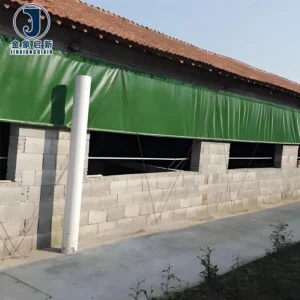
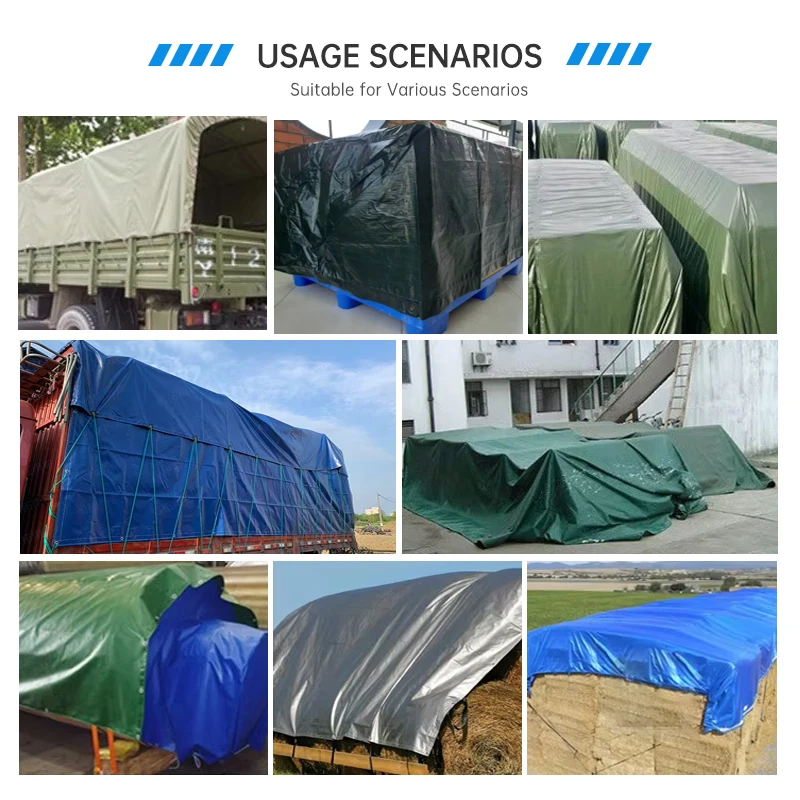
| Poultry coop curtains | Continuous humidity, ammonia exposure, daily roll-up flexing, mildew resistance required |
| Hay and crop covers | Direct sunlight, wind lift, rain ingress, abrasion against stacked bales |
| Truck and trailer covers | Road vibration, constant tie-down tension, weather and debris exposure |
| Construction scaffolding wrap | Wind load, UV exposure, dust containment, repeated installation and removal |
| Industrial ground sheets | Foot traffic, equipment drag, moisture barrier, puncture from aggregate |
| Pond and reservoir liners | Permanent water contact, soil chemistry, UV at waterline, puncture risk |
Why Batch Colour Consistency Matters More Than You Think on a PE Tarpaulin Roll Wholesale Order
Colour drift between rolls in the same shipment is the most common reason wholesale tarpaulin orders are rejected at the warehouse.
When a distributor unloads a container and finds that three rolls of blue tarpaulin sit noticeably lighter than the other seven, the entire batch becomes unsellable as matched sets. This is not a cosmetic complaint — it signals inconsistent coating weight, which usually means GSM variation across the same order. Buyers who source PE tarpaulin roll wholesale quantities expect every roll off the container to be interchangeable, and any visible mismatch forces sorting, returns, and margin erosion [NEED_CITE: coating weight consistency and visual colour matching in multi-roll PE tarpaulin production].
Stock Grades, Widths, and Mesh Densities for Container-Load Buyers
Distributors and importers loading full containers need a supplier who can fill a single shipment with multiple GSM tiers and mesh counts without forcing separate production runs for each. The available matrix spans from 6×6 weave at 50 gr/m² through 14×16 weave at 250–300 gr/m², covering the full range of stock-grade PE tarpaulin roll wholesale demand. Roll widths run from 2 m to 6 m, with lengths in 100-yard or 100-metre standards, and custom dimensions available on request.
Container Loading Plans That Maximise Freight Efficiency
Shipping cost per square metre of tarpaulin depends directly on how much weight and volume fit in each container. By roll packing on hard paper tubes wrapped in the same tarpaulin sheet, a 20’GP holds approximately 17 tons, while a 40’HQ accommodates up to 28 tons by bale. Providing a detailed packing list with roll count, bale count, and weight per unit lets logistics teams plan unloading and warehouse allocation before the vessel docks.
How Mesh Density and GSM Interact in PE Woven Fabric
The relationship between mesh count and grams per square metre is the defining specification of any PE tarpaulin roll. A 6×6 weave at 50 gr/m² produces a lightweight, flexible cover suited to temporary crop protection, while a 14×14 weave at 150–250 gr/m² creates a much denser base fabric with substantially higher tensile and tear values. The LDPE lamination on both sides bonds to the HDPE woven scrim, and the thickness of that lamination — reflected in total thickness from 0.2 mm to 0.4 mm — adds waterproofing, mildew resistance, and surface durability without changing the underlying weave density. Buyers specifying by GSM alone may overlook that two rolls at the same weight but different mesh counts behave differently under tension and puncture [NEED_CITE: relationship between HDPE weave density and tensile performance per ISO 1421]. Roll width selection also affects fabrication yield: choosing a 4 m or 6 m roll for large-format covers reduces the number of heat-welded seams, which are potential failure points under wind load.
The Hidden Cost of Specifying GSM Without Verifying Mesh Count
A roll that measures the correct GSM on a scale but uses a lower mesh count with thicker lamination will feel stiff, crack at fold lines in cold weather, and delaminate at the weld seam before the base fabric fails. Wholesale buyers who accept delivery without checking the mesh density against the specification sheet often discover the problem only after the material has been cut and installed. Welded seams on PE tarpaulin rely on the LDPE coating melting and fusing; if the coating layer is disproportionately thick relative to the HDPE scrim, the joint becomes the weakest point in the assembly [NEED_CITE: heat-weld failure modes in laminated PE tarpaulin fabrics].
What Makes This Supply Source Reliable for Roll Stock Orders
Three full production lines and 36 sets of professional equipment provide the capacity to fill container-load orders within standard lead times. A 10-person R&D team handles custom width, colour matching, and sample development before bulk production begins. Dedicated QA/QC at every production stage includes coating weight checks and colour comparison under controlled lighting, with 100% pre-shipment inspection. Samples for custom requirements are developed within days, not weeks. ISO and CE certification underpins the documentation package that accompanies every export shipment.
Documentation & Verification
- Material specification sheet stating GSM, base fabric mesh count, and LDPE coating weight per roll
- Colour reference confirmation against approved sample before production begins
- Pre-shipment inspection record with actual weight and dimension measurements
- Certificate of origin and customs documentation for export to destination market
- Roll packing list with unit count, gross weight, and container loading plan
Fabrication, Handling & Storage
- Heat-weld PE tarpaulin at temperatures matched to the LDPE lamination thickness, adjusting for 0.2–0.4 mm total material thickness
- Install galvanized eyelets at reinforced hem edges where PP rope provides load distribution for tie-down points
- Store rolls upright on hard paper tubes to prevent flat-spot creases across the 2 m to 6 m width
- Avoid dragging cut sheets over aggregate or sharp edges that can puncture the LDPE coating layer
- Clean with mild detergent and soft brush; avoid solvent-based cleaners that degrade LDPE lamination
- Plan cut patterns to maximise yield from standard 100-yard or 100-metre roll lengths and minimise off-cuts
What to Include in Your Roll Stock Enquiry
Provide your target GSM range, preferred mesh count tier, and the roll widths and lengths that match your cutting patterns. Specify your Pantone or RAL colour reference if a custom colour is required, along with annual volume to determine production scheduling. Confirm whether you need rolls packed by tube, bale, or carton based on your container type and unloading equipment.
Frequently Asked Questions
Q: How is GSM verified on arrival, and what documentation accompanies each shipment?
A: Each roll is weighed and measured during pre-shipment inspection, and the actual values are recorded on the inspection report. The shipment includes a material specification sheet confirming GSM and mesh count, a packing list with per-roll weight, and a certificate of origin for customs clearance.
Q: What roll widths and lengths are stocked, and what are the lead times on custom sizes?
A: Standard widths include 2 m, 4 m, and 6 m in 100-yard or 100-metre lengths. Custom widths and lengths are produced on request, with lead times depending on the mesh count tier and order volume — typical multi-week production windows apply for non-stock dimensions.
Q: How is batch-to-batch colour consistency controlled across a multi-roll order?
A: Colour matching is checked under controlled lighting at each production stage against the approved reference sample. Coating weight is monitored continuously to prevent variation that causes visible shade differences, and 100% inspection before dispatch confirms uniformity across all rolls in the order.
Q: What are the container loading options and how do they affect freight cost?
A: Rolls packed on tubes maximise weight in a 20’GP at 17 tons. Bale packing allows up to 28 tons in a 40’HQ. The packing list details unit count and gross weight, letting buyers calculate cost per square metre of tarpaulin delivered to their warehouse.