
Description
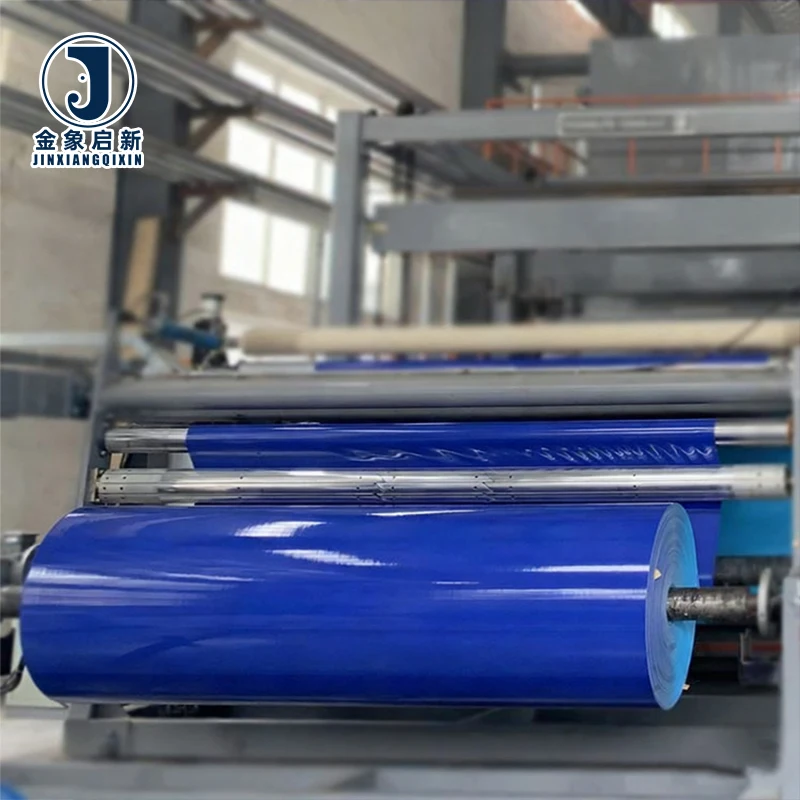
Batch-Level Weight Control — our in-process QA verifies GSM on every roll of PVC coated tarpaulin roll against the quoted specification before container loading, ensuring wholesale buyers receive uniform material from first roll to last.
Technical Specifications
| Parameter | Value |
|---|---|
| Product Type | PVC Coated Fabric |
| Base Fabric | HDPE weaving with LDPE lamination on both sides |
| Weight (GSM) | 50 g/m² ~ 220 g/m² available (range covers product family — confirm the grade for this item) |
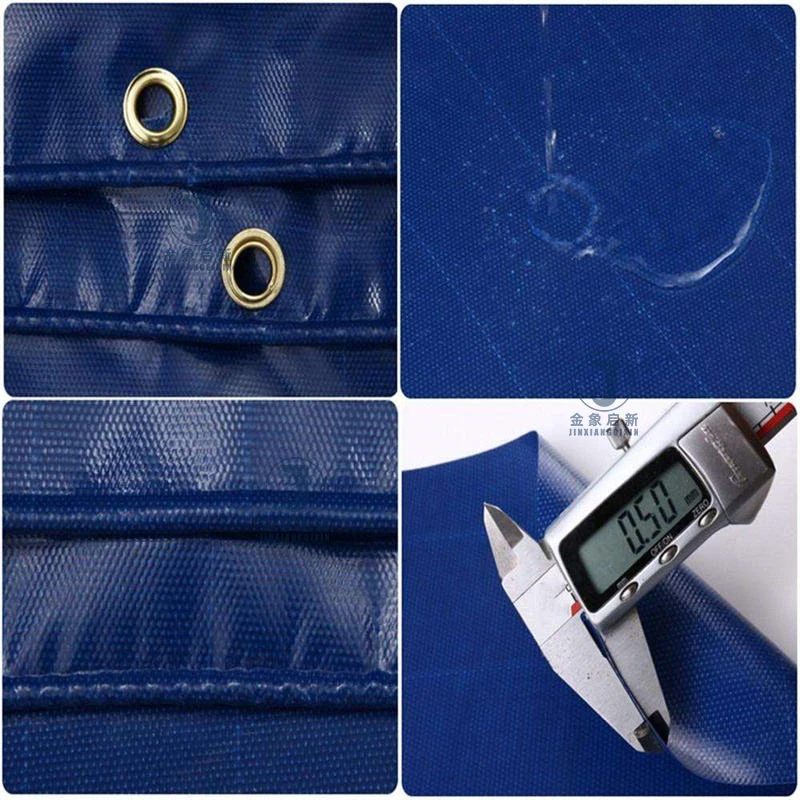
| Total Thickness | 0.2–0.4 mm / 8–16 mil (custom options available) |
| UV Treatment | UV treatment available (test basis not stated in source — confirm the standard required for your market) |
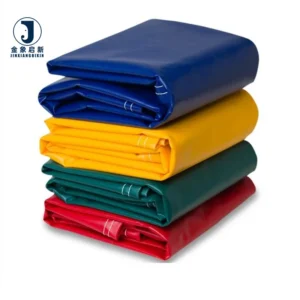
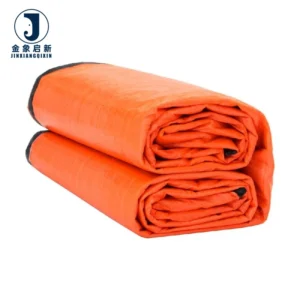
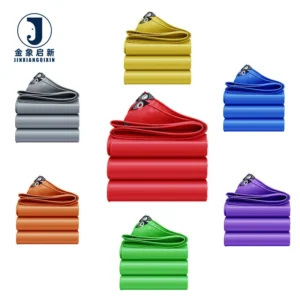
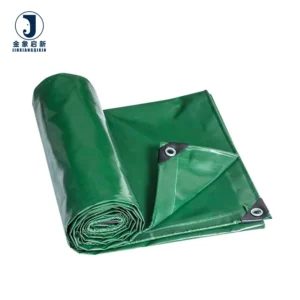
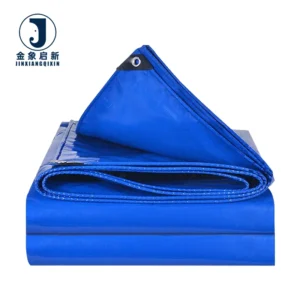
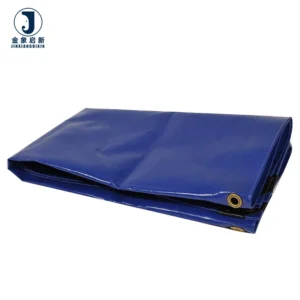
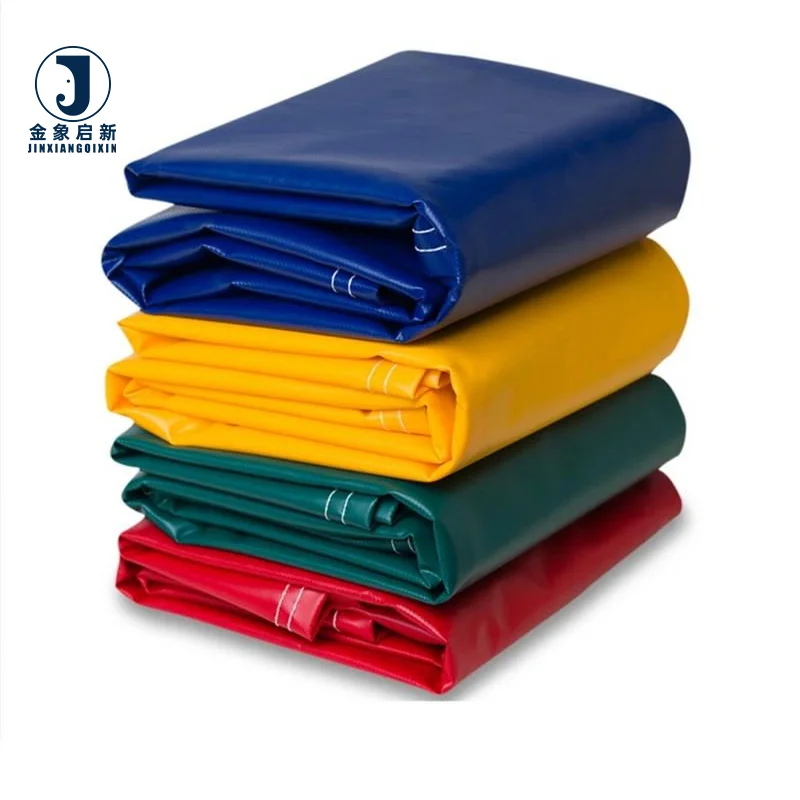
| Color Options | Blue, Blue/Orange, Green, Grey, Black, Clear, Grey/Green, Orange, or custom color |
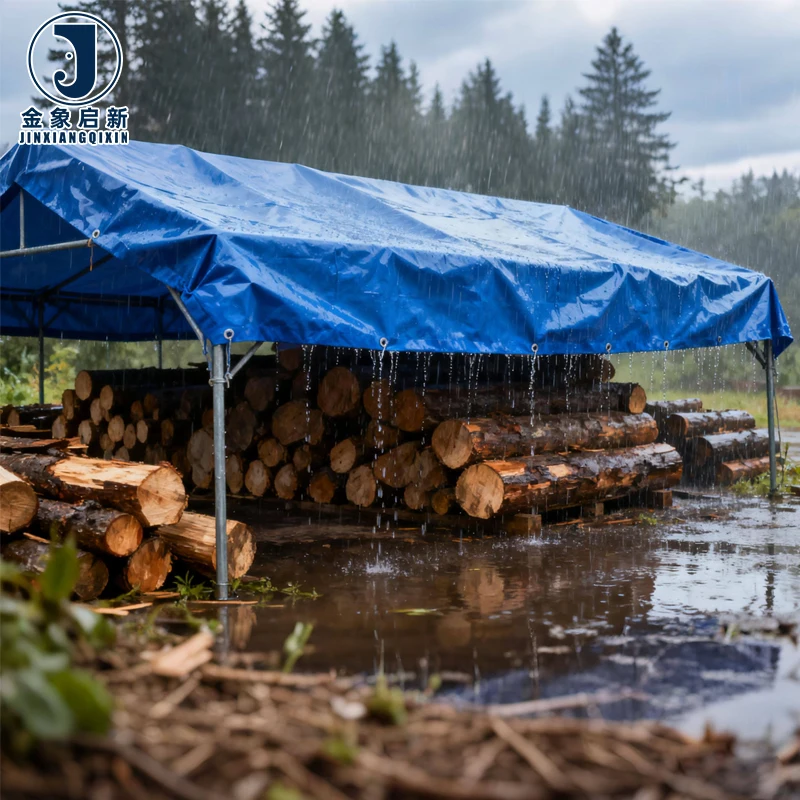
| Waterproof Rating | Fully waterproof and washable construction |
| Key Features | Tear resistant, weather proof, sunproof, mildew proof, anti-aging |
| Custom Printing | Available for branding |
| Custom Sizing | Available — confirm width, length, and finish |
| Standards | ISO, CE |
Application Suitability
| Application | Exposure & Requirement |
|---|---|
| Tarpaulin distributor cut-to-size stock | Consistent GSM and colour across rolls for retail and contractor channels, repeated handling and warehouse storage |
| Truck and trailer cover fabrication | Road abrasion, flex stress at tie-down points, prolonged UV exposure during transit |
| Agricultural equipment and bulk material covers | Moisture ingress, mildew risk in humid storage, puncture from sharp-edged loads |
| Construction site protection sheets | Dust and debris impact, repeated repositioning, sun and rain cycling |
| Camping tarp and small shelter fabric | Lightweight packing requirement, ground moisture contact, moderate wind load |
| Patio furniture and pool covers | Standing water pooling, chlorine or chemical splash, seasonal folding and storage |
Why Roll-to-Roll Colour Drift Matters More Than the Datasheet Shows
Colour varying between rolls in the same order only becomes visible once the PVC coated tarpaulin roll is installed side by side on a job site — by then, the entire batch is already committed. Batch-level coating formulation control and real-time colour verification during production are what separate a dependable wholesale supply from a costly rework cycle. Distributors who sell cut sizes from multiple rolls in one shipment face customer complaints when adjacent panels show a visible shade difference under natural light [NEED_CITE: colour measurement standards for coated textiles]. The root cause is usually inconsistent pigment dispersion or coating thickness variation between production runs, not the base colour recipe itself.
Maintaining GSM Uniformity Across Container-Volume Orders
When purchasing PVC coated fabric by the roll for wholesale distribution, the quoted GSM must hold from the first metre to the last across every roll in the container. Our production lines monitor coating weight at defined intervals, and each roll is checked against the material specification sheet before packing. This matters because a roll that arrives lighter than agreed may pass a casual visual inspection but fail when the end user subjects it to tensile load during installation. Volume buyers need a pre-shipment inspection record that documents actual measured GSM, not just the nominal figure printed on the label.
Managing Batch Colour Consistency for Side-by-Side Installation
Roll-to-roll colour matching requires controlled pigment formulation and consistent coating application thickness throughout the production run. Our QA protocol tracks colour reference values across the batch, flagging any roll that falls outside the acceptable range before it reaches the packing stage. For distributors cutting multiple panels from different rolls for a single truck tent or site cover, this level of control prevents the visible shade banding that triggers end-user rejection [NEED_CITE: colour tolerance standards for coated fabric batches]. Dual-tone options such as Blue/Orange and Grey/Green require additional alignment checks to ensure both faces remain uniform.
Reading the Specification Sheet Beyond the Weight Figure
GSM alone does not determine how the PVC coated tarpaulin roll will perform under load. Base fabric denier and weave density work together with coating weight to set the tensile and tear strength — a lighter coating on a tightly woven high-denier base can outperform a heavier coating on a loose weave. The HDPE weaving with LDPE lamination on both sides provides a balance of flexibility and tear resistance suited to applications where the fabric must be folded, transported, and repositioned frequently. Total thickness in the 0.2–0.4 mm range positions this material in the lightweight to medium-duty segment, appropriate for covers that need to be handled manually without excessive weight. Surface finish — whether glossy or matte — affects cleanability and how well printed branding adheres during custom fabrication. UV treatment, available on request, should be matched to the expected exposure duration in the end-use market, and buyers should confirm the test standard their region requires [NEED_CITE: UV degradation test methods for coated tarpaulin fabrics]. Width and roll length directly influence cutting yield and the number of welded seams needed for large-format covers, so specifying these dimensions against the final panel layout reduces material waste.
The Hidden Cost of Specifying the Wrong Roll Grade
Ordering a lighter GSM to reduce per-roll cost often surfaces as early field failure — seams pulling apart under wind load, fabric tearing at eyelet reinforcement points, or coating delamination after repeated wet-dry cycles. Wholesale buyers who stock multiple grades for different customer segments risk mixing rolls if batch labelling is unclear, sending a light-duty cover into a heavy-duty application. Colour inconsistency within one shipment forces distributors to absorb return costs or discount the entire batch. Inadequate UV treatment for the target climate leads to premature chalking and embrittlement, generating warranty claims that erode the margin the lighter specification was meant to protect [NEED_CITE: field failure analysis for tarpaulin covers under prolonged solar exposure]. Welded seam integrity also depends on matching the heat-setting parameters to the actual coating thickness, so a roll that varies from the stated specification creates fabrication problems downstream.
Why Volume Buyers Source PVC Coated Fabric Here
Our three full production lines and 36 sets of professional equipment support bulk roll output with on-time delivery scheduling, so container orders ship within the agreed window. The 10-person R&D team handles custom colour matching, width specification, and branding layout, developing samples within days rather than weeks. Every roll passes dedicated QA/QC checks at multiple production stages, with 100 percent inspection before dispatch — not a spot-check on a random sample. Material specification sheets accompany each shipment, stating actual GSM, base fabric construction, coating type, and colour reference per roll. Custom widths, lengths, and printed branding are available without prohibitive minimums, allowing distributors to trial new SKUs without committing to an oversized first order [NEED_CITE: ISO and CE certification scope for coated fabric manufacturing].
Documentation & Verification
- Material specification sheet confirming GSM, HDPE base fabric, and LDPE coating per roll
- Pre-shipment inspection record with measured weight and colour reference verification
- Roll packing list with individual roll dimensions and container loading plan
- Certificate of origin and customs documentation for international wholesale shipments
- UV and performance test reports available — confirm the standard required for your market
- ISO and CE certificates covering the production facility and quality management system
Fabrication, Handling & Storage
- Heat-weld seams using temperature settings matched to the 0.2–0.4 mm coating thickness to avoid delamination
- Store rolls upright on pallets in a dry, shaded area to prevent surface creasing and coating adhesion loss
- Allow cold-stored rolls to reach ambient temperature before unrolling to prevent coating cracking at low flexibility
- Use mild detergent for cleaning; avoid solvent-based cleaners that may degrade the LDPE lamination surface
- Plan cutting layouts against the roll width to minimise off-cuts and reduce the number of welded joints
- Reinforce tie-down and eyelet zones with additional fabric patches to distribute point loads across the HDPE weave
Preparing Your Enquiry for PVC Coated Tarpaulin Roll Stock
To move quickly from enquiry to sample, share your target GSM range, preferred colour or dual-tone combination, and the roll width and length that fits your cutting layout. Let us know whether you need plain rolls for your own fabrication line or finished cut sizes with edge reinforcement and eyelets. If your market requires UV treatment or specific compliance documentation, state the applicable standard so we can confirm grade availability and testing scope before quotation.
Frequently Asked Questions
Q: How is GSM verified on each roll before shipment?
A: Every roll is weighed and measured during our pre-shipment inspection to confirm actual GSM matches the quoted specification. We record the measured value on the inspection report that ships with your order. A tolerance range applies based on the grade — contact us to confirm the tolerance for your specific GSM requirement before production begins.
Q: How do you control colour consistency across rolls in one order?
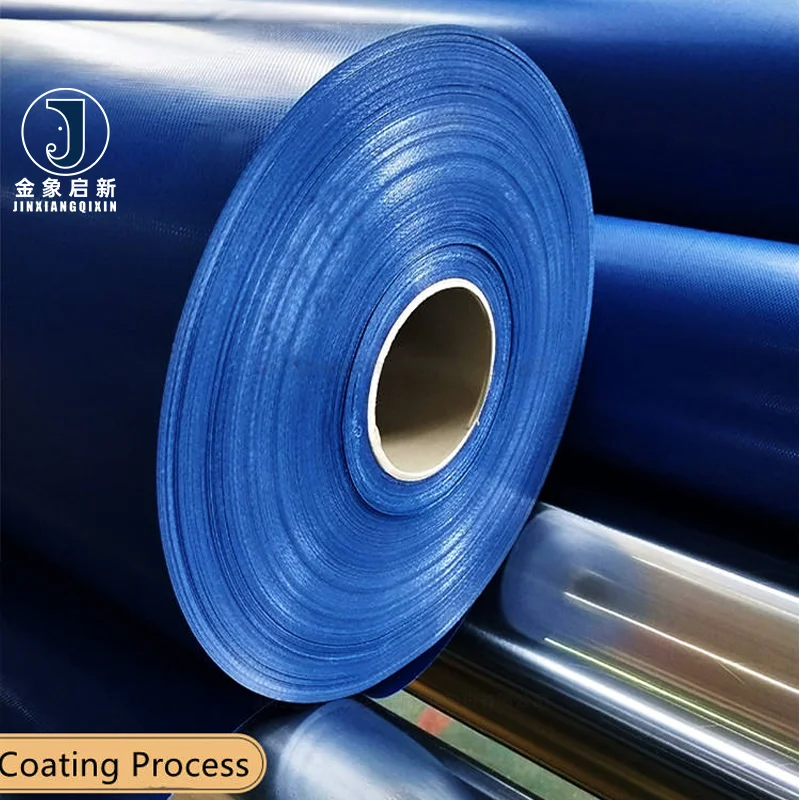
A: We use controlled pigment formulation and batch tracking throughout the coating process. Each roll is visually and instrumentally checked against the approved colour reference before packing. Rolls that fall outside the acceptable range are held for review, ensuring side-by-side colour uniformity when your customers install panels from different rolls.
Q: What standard and custom widths are available for wholesale orders?
A: Standard widths are available in common market sizes suitable for truck covers, site protection, and retail cut-to-size distribution. Custom widths can be produced to match your specific cutting layout, reducing material waste and welded seam count. Confirm the exact width and roll length you need so we can assess production feasibility and lead time.
Q: How are rolls packed for container loading?
A: Rolls are packed on pallets with protective wrapping to prevent transit damage and surface abrasion. A detailed roll packing list is provided, listing individual roll dimensions, weight, and position within the container. This allows you to plan unloading and warehouse placement efficiently upon arrival at your distribution facility.
Q: What is the minimum order for custom colour or printed branding?
A: Custom colour and printed branding orders carry a minimum that varies by specification and print complexity. Our R&D team develops samples within days so you can approve colour and print quality before committing to a full production run. Share your Pantone or colour reference and branding layout to receive a sample quotation and timeline.