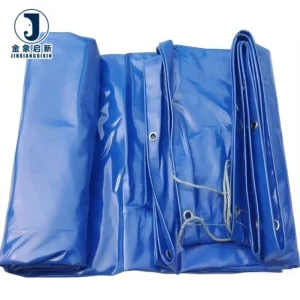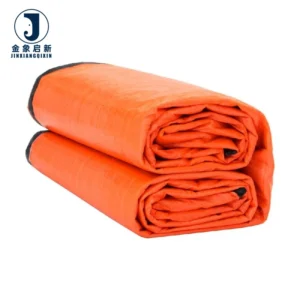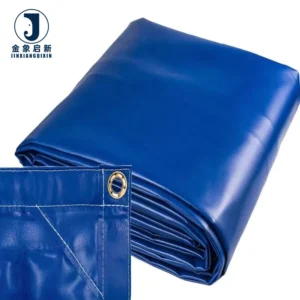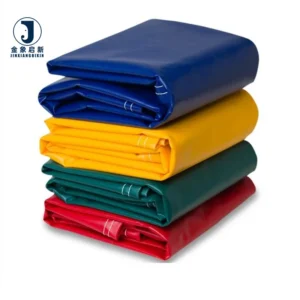
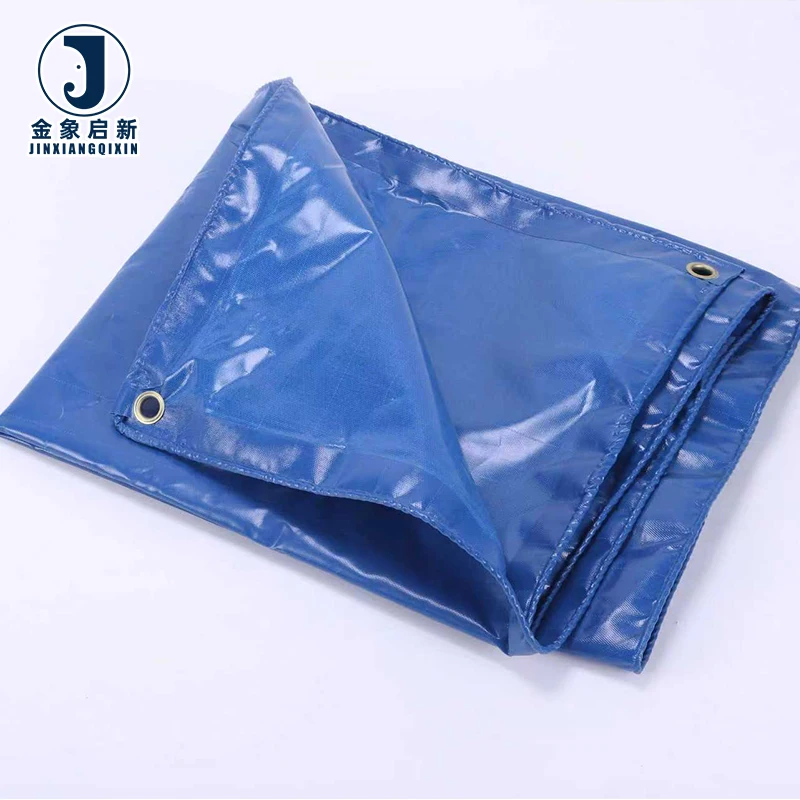
Description
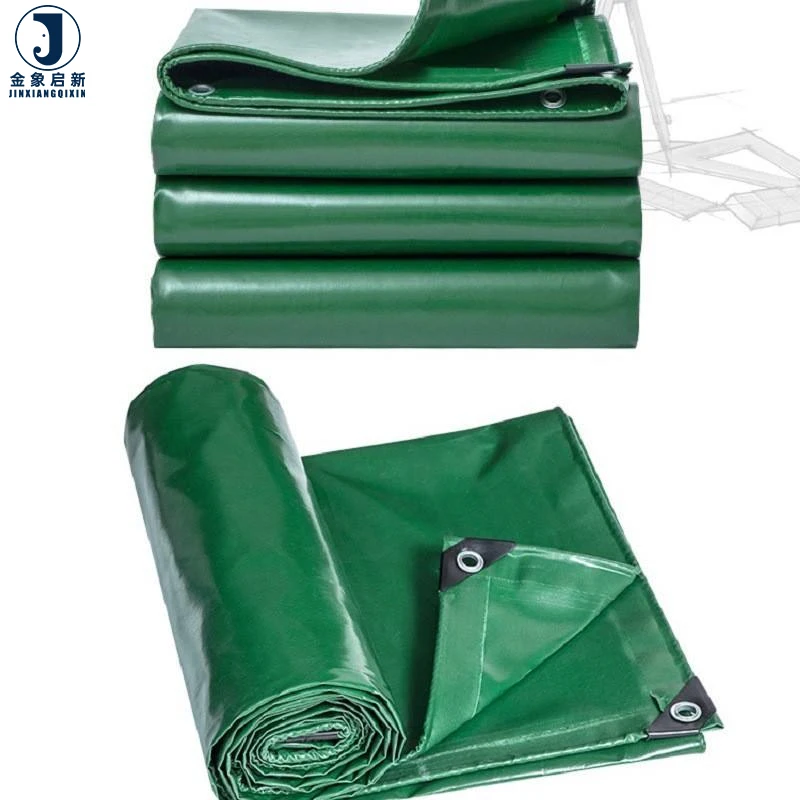
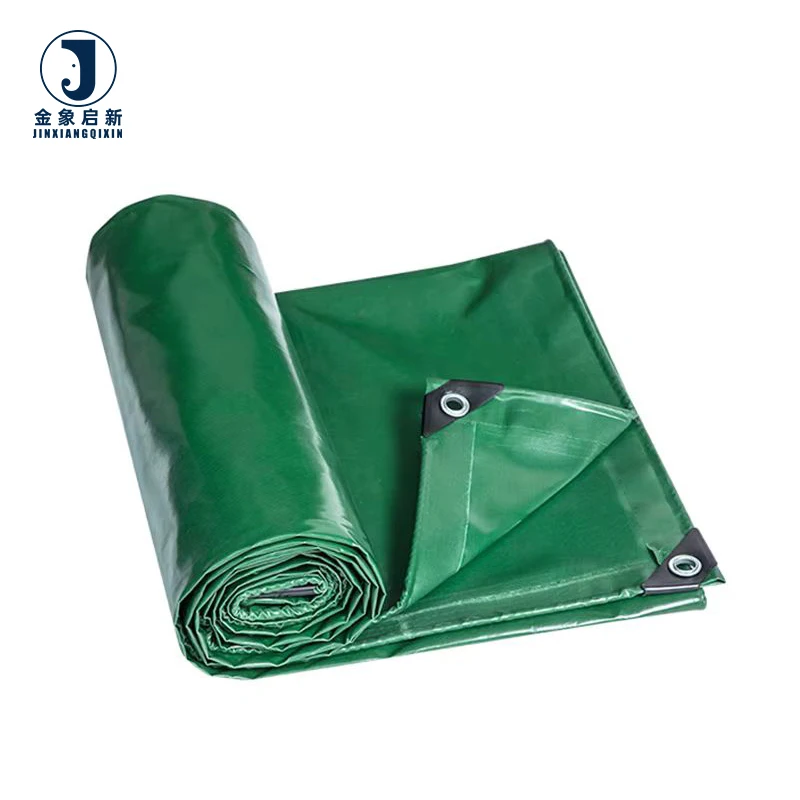
Roll-to-roll weight consistency — every roll of 450 GSM PVC coated fabric is weighed and verified against the quoted specification before dispatch, eliminating the GSM drift that causes converter rework.
Technical Specifications
| Parameter | Value |
|---|---|
| Product Type | PVC Coated Fabric |
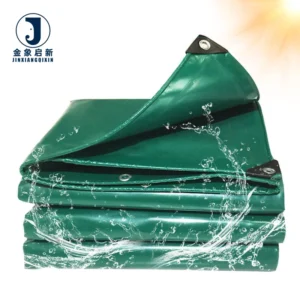
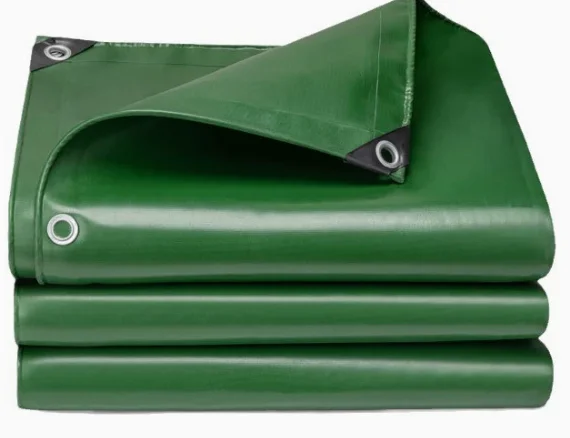
| Material | PVC vinyl coated woven fabric |
| Weight | At least 450 GSM |
| Fabric Construction | Woven |
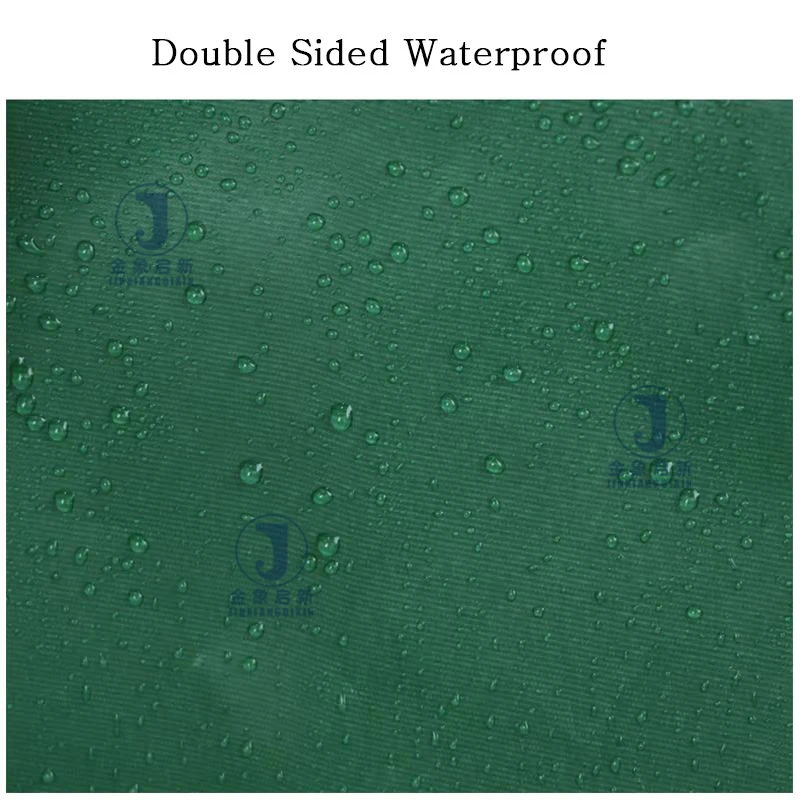
| Waterproofing | Yes, fully waterproof PVC coating |
| Surface Treatment | PVC coating |
| Roll Supply Format | Continuous roll stock, custom width and length cutting available |
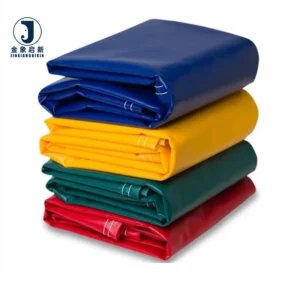
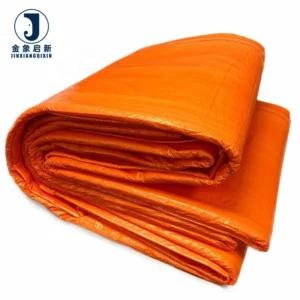
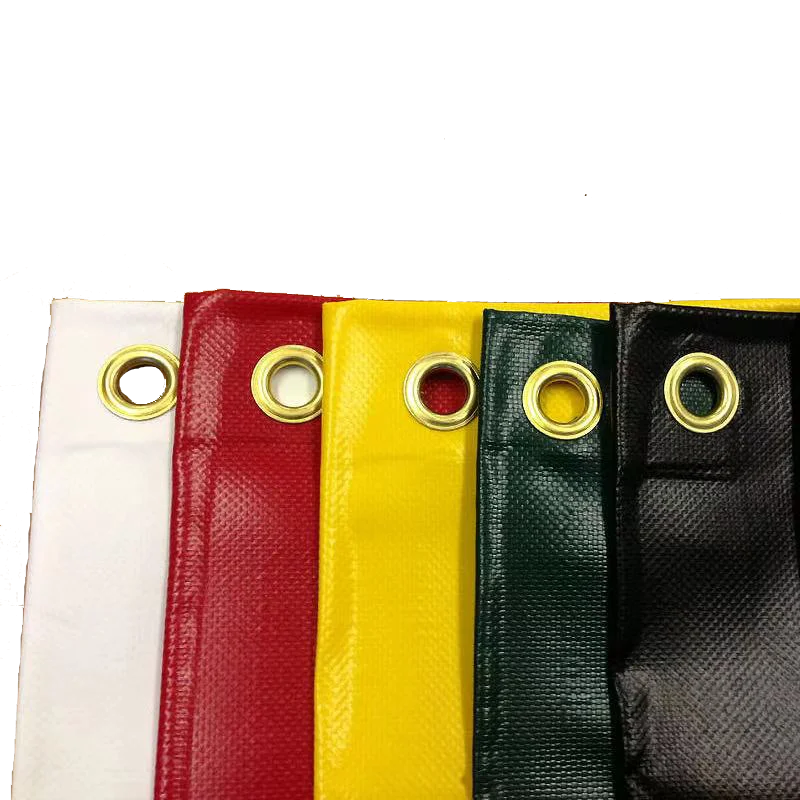
| Colour Options | Custom colour per order, batch-to-batch consistency controlled |
Application Suitability
| Application | Exposure & Requirement |
|---|---|
| Tarpaulin converting and fabrication | Bulk roll cutting, welding and eyelet insertion — demands uniform thickness and consistent coating adhesion across the entire roll length |
| Truck and trailer side curtain manufacturing | Constant flexing at fold lines, road spray and abrasion — requires tear-resistant woven base and stable PVC coating that holds a welded seam |
| Tent and awning panel production | Tension loading, weather exposure and repeated assembly — needs predictable drape, seam strength and colour uniformity across multiple panels |
| Agricultural and construction site covers | Ground contact, UV exposure and mechanical handling — calls for waterproof barrier performance and resistance to puncture during installation |
Why GSM Drift Across Rolls Costs Converters More Than the Fabric Itself
A quoted GSM is only useful if it arrives at the cutting table.
When a converter orders twenty rolls of PVC coated fabric roll stock and the actual weight varies by more than a few percent from roll to roll, the finished covers do not match. Panels cut from a lighter roll feel flimsy next to panels from a heavier one, and the end user notices. The converter absorbs the cost of sorting, re-cutting or, in the worst case, replacing an entire batch. [NEED_CITE: batch weight variation tolerance in coated fabric procurement standards] This problem is invisible on the quotation but visible the moment two rolls are unrolled side by side on the factory floor. Consistent GSM across every roll in a single shipment is what separates usable bulk stock from a production headache.
Batch Colour Uniformity for Multi-Roll Orders
When tent makers or truck curtain fabricators pull six rolls from one container and the shade shifts between the third and fourth roll, every panel cut from that point forward is visibly different once assembled. This colour drift forces the fabricator to segregate rolls by tone, reducing cutting efficiency and generating waste. The PVC coated fabric roll stock supplied here is produced with colour reference control so that every roll within a single order matches the approved sample. This matters most for visible applications such as event tents, awning panels and branded truck curtains where the customer sees the finished product in daylight.
Roll Width and Cutting Yield for Fabricators
Standard roll widths may not align with the panel dimensions a fabricator needs, forcing excessive trimming or additional welded seams that add labour and weaken the finished cover. Custom width cutting is available for this PVC coated fabric roll stock so that fabricators can order rolls sized to their most common panel layouts. This reduces off-cuts and the number of heat-welded joints in the final product. [NEED_CITE: cutting yield optimisation in coated fabric roll-to-panel conversion] Fewer seams mean fewer potential failure points under tension and a cleaner appearance on the installed cover.
How Woven Base and Coating Weight Interact at 450 GSM
The woven base fabric provides tensile and tear strength, while the PVC coating adds waterproofing, abrasion resistance and weldability. At 450 GSM, the balance between base cloth weight and coating mass determines how the material behaves during fabrication. A heavier coating relative to the base may improve water resistance but can reduce flexibility at fold lines, which matters for side curtain applications. A denser base weave supports stronger heat-welded seams because the coating penetrates the yarn structure more evenly. The coating method — whether knife-over-roll, laminating or calendering — also affects peel strength between the PVC layer and the base fabric, directly influencing whether a welded seam holds or delaminates under load. Width and length per roll determine how many panels can be nested on a single lay, affecting both material utilisation and the total number of seams required in a large cover.
The Hidden Cost of Specifying Without Verification
A roll that arrives lighter than quoted saves the supplier material cost but transfers risk to the fabricator. Thinner coating means weaker weld lines, and weld failures typically show up after the cover is installed and loaded — the worst possible time. [NEED_CITE: coated fabric weld seam failure analysis relative to coating thickness] Similarly, a flame retardant claim without a verifiable test grade can cause a shipment of finished covers to fail site inspection, leaving the fabricator liable for replacement. Colour inconsistency across a single order may not be caught until installation, when the panels are hung side by side in full sun and the difference is obvious to the end customer. These failures all originate in the procurement stage and are avoidable with documented pre-shipment checks.
What Bulk Buyers Receive Beyond the Roll
Three full production lines and 36 sets of professional equipment support the volume required for container-load orders, maintaining output consistency across large batches. A 10-person R&D team develops custom width, colour and sample rolls so that fabricators can confirm material behaviour before committing to a full order. Dedicated quality control runs at every production stage, with 100 percent inspection before any roll is packed for dispatch. The coating weight and adhesion process has been refined over nearly 30 years of focused production, which directly translates into roll-to-roll repeatability. ISO and CE certified production provides the documentation trail that distributors and importers need for customs and end-market compliance.
Documentation & Verification
- Weight verification per roll against the stated 450 GSM before dispatch
- Batch colour reference record matching every roll within a single order
- Pre-shipment inspection record covering coating adhesion and surface quality
- Material specification sheet stating base fabric construction and PVC coating weight
- Roll packing list with batch numbers for traceability through fabrication
- Certificate of origin and customs documentation for international roll shipments
Fabrication, Handling & Storage
- Heat-weld the PVC coated fabric roll stock at temperatures matched to 450 GSM coating thickness to avoid delamination at seam lines
- Store rolls upright on end cores to prevent flat-spot creasing that transfers to cut panels
- Allow cold-stored rolls to reach workshop temperature before unrolling to prevent coating micro-cracking
- Use compatible PVC-based repair patches and solvent cement for field repairs on fabricated covers
- Nest panel layouts to the ordered roll width to minimise off-cuts and reduce total welded seam count
- Clean finished covers with mild detergent only — aggressive solvents may degrade the PVC coating surface
Requesting a Roll Quote
Provide the application, required roll width, estimated annual volume and any colour or surface finish requirements. If the fabric will be heat-welded into finished covers, specify the seam type and expected tension load so that the correct coating weight and base fabric can be confirmed. Sample rolls are developed within days for custom requirements, allowing fabrication trials before bulk commitment. Confirm whether your market requires any specific fire classification or anti-UV treatment grade so that the correct documentation is included with the shipment.
Frequently Asked Questions
Q: Can you confirm the GSM on arrival matches the quotation?
A: Every roll of 450 GSM PVC coated fabric roll stock is individually weighed and recorded during pre-shipment inspection. The weight verification data is included in the dispatch documentation so you can cross-check on receipt. This eliminates the common problem of quoted weight not matching actual delivered weight.
Q: What roll widths are available, and is there a minimum order?
A: Standard and custom widths are available to suit your panel cutting layout. Minimum order quantities apply for custom widths and non-stock colours. Provide your target width and estimated volume so we can confirm the production run and lead time for your specific requirement.
Q: How do you ensure colour consistency across multiple rolls?
A: All rolls within a single order are produced in the same batch with a controlled colour reference. A batch colour record is kept on file and shared with the buyer. This ensures panels cut from different rolls within the same order match when installed side by side.
Q: Can I receive a sample roll before placing a bulk order?
A: Sample rolls are developed within days for custom width, colour or treatment requirements. This allows you to test welding parameters, drape and colour accuracy on your own equipment before committing to a full container order of PVC coated fabric roll stock.
Q: How many rolls fit in a standard shipping container?
A: Container loading depends on the ordered roll width, length and core diameter. A roll packing list with exact count, weight and cubic volume is provided at quotation stage so you can plan logistics and warehouse space before the shipment departs.