Description
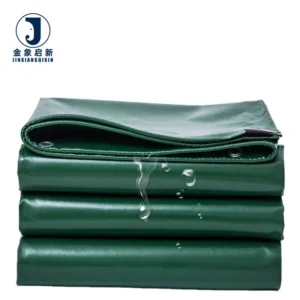
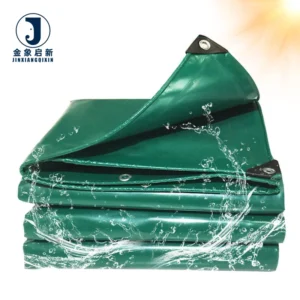
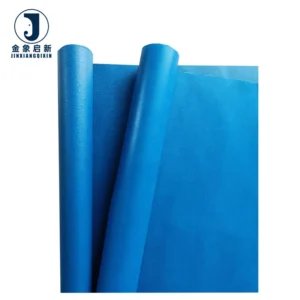
Batch-Matched Coating — Every roll of PVC Coated Fabric is verified against the stated GSM at the coating stage, with documented weight records before dispatch.
Technical Specifications
| Parameter | Value |
|---|---|
| Product Type | PVC Coated Fabric |
| Base Fabric Construction | Woven, 1000×1000 denier |
| Coating Method | Knife Coated |
| Weight | At least 450 GSM |
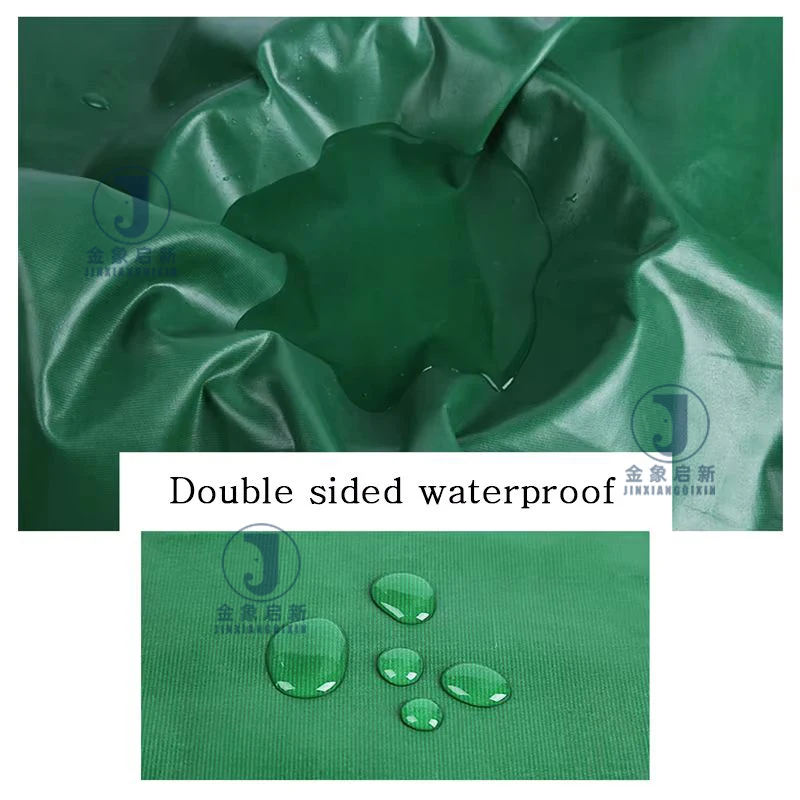
| Waterproof Rating | Fully Waterproof |
| Oilproof | Yes |
| Surface Options | Banner coated, black back coated |
| Anti-UV Treatment | Available — test basis to be confirmed per market requirement |
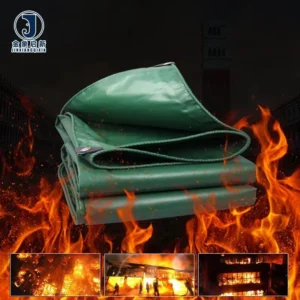
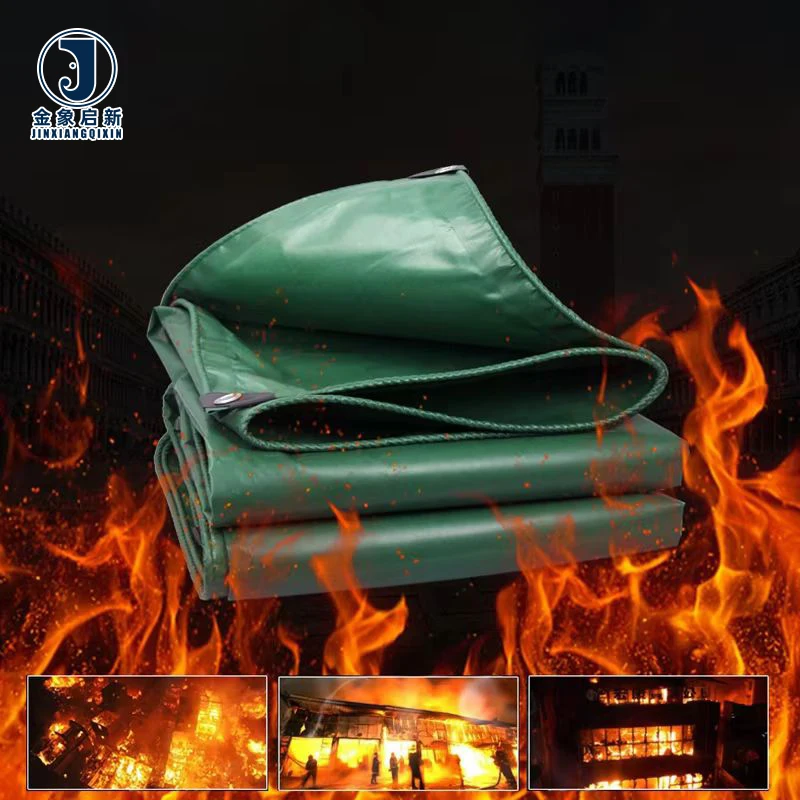
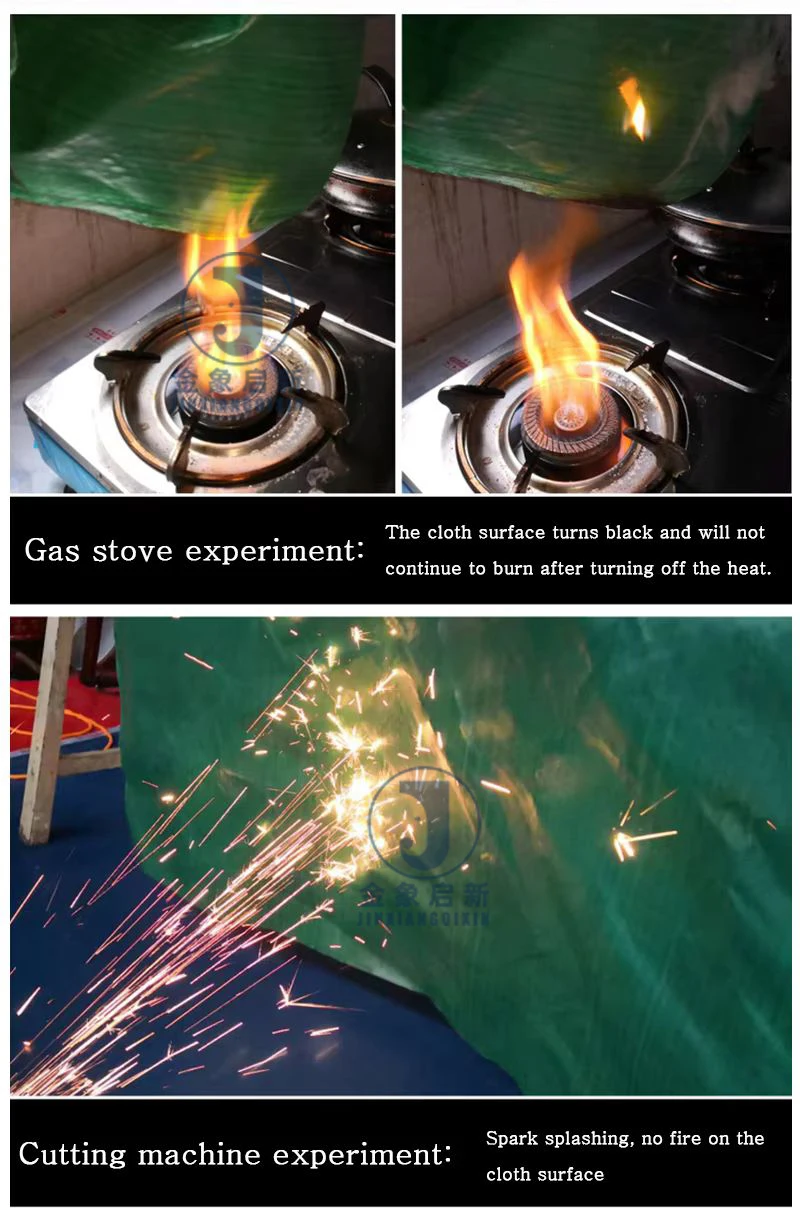
| Flame Retardant | Available in flame retardant grades — confirm the grade required for your market |
| Custom Sizing | Custom width and length available |
Application Suitability
| Application | Exposure & Requirement |
|---|---|
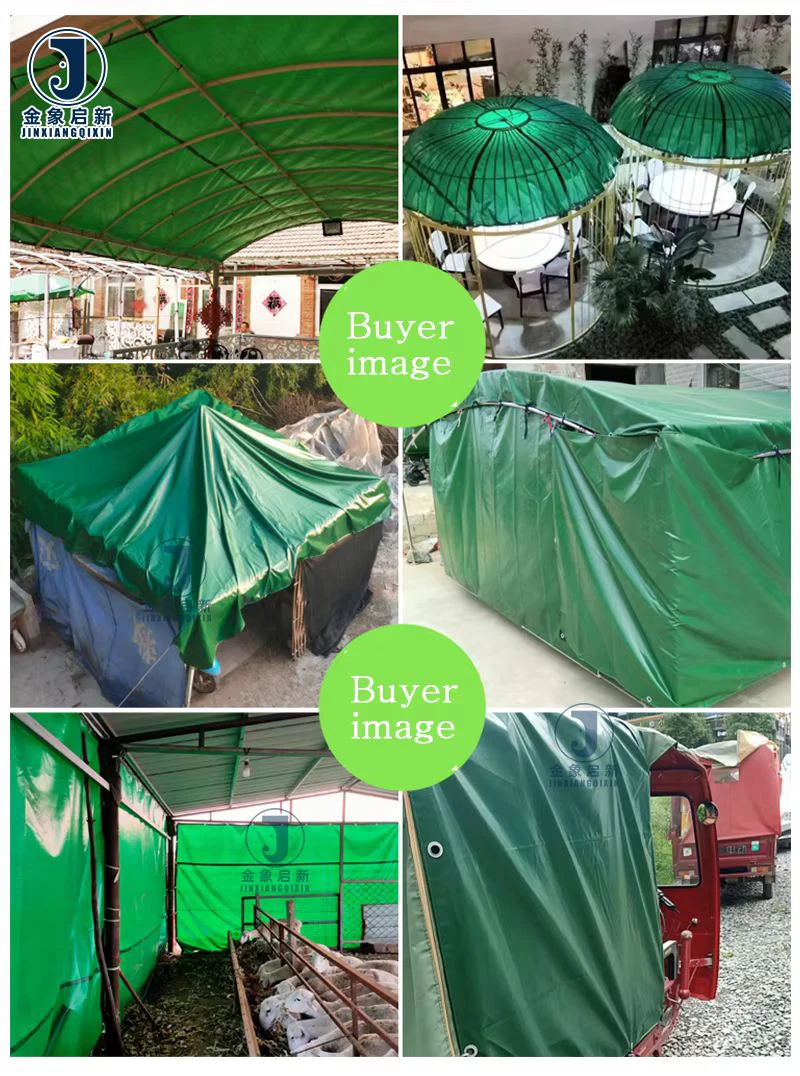
| Truck and trailer side curtains | Constant flexing at load points, road debris abrasion, prolonged UV exposure, wind-driven rain |
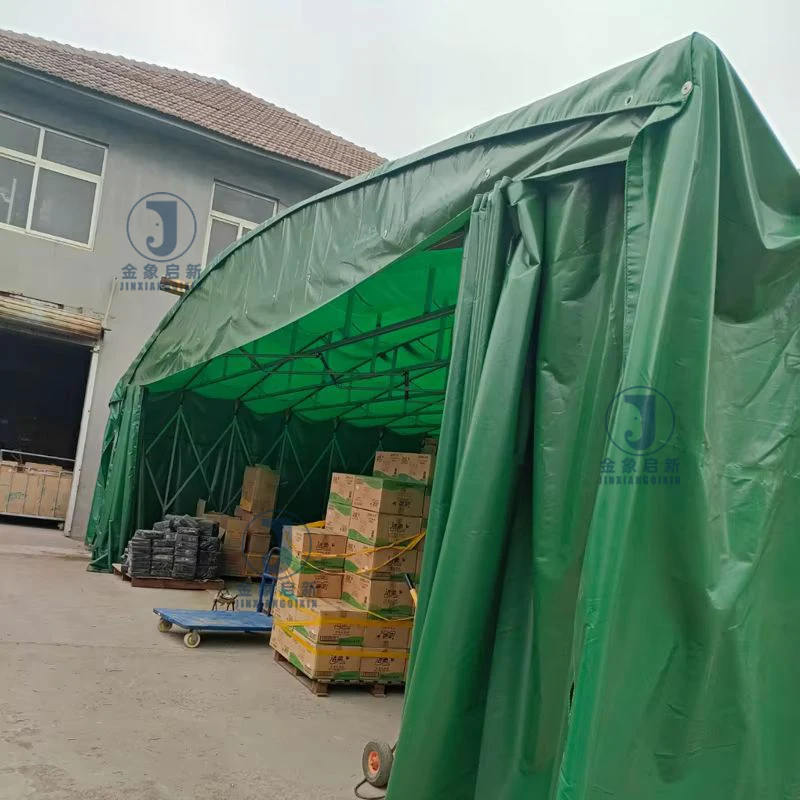
| Outdoor tent and awning fabrication | Extended weather exposure, structural tension at welded seams, repeated fold and pack cycles |
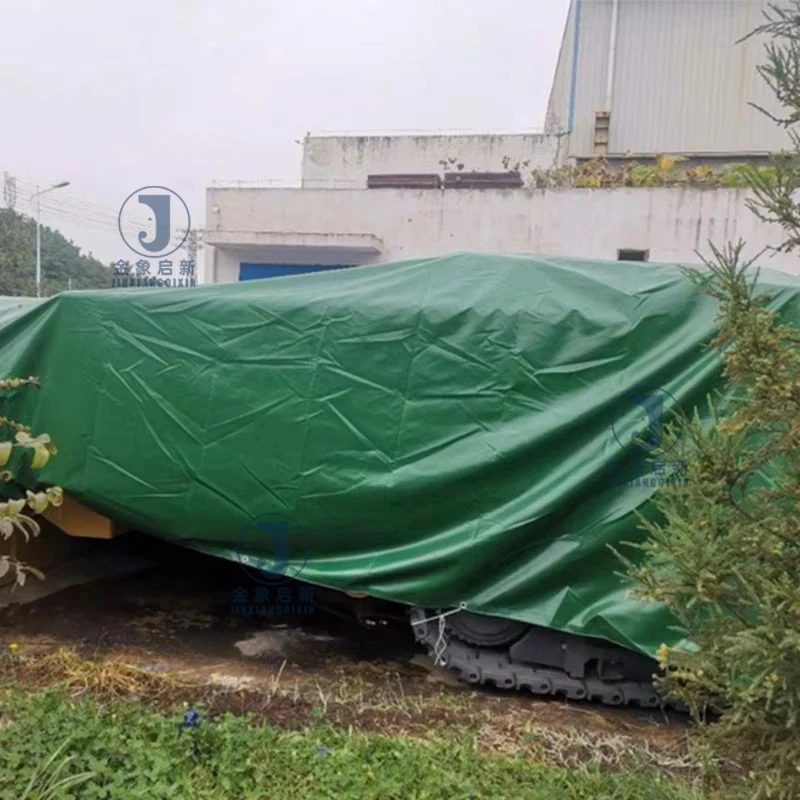
| Industrial equipment covers | Oil and grease contact, forklift handling abrasion, dust and moisture ingress prevention |
| Structural waterproof sheeting | Permanent water contact, substrate movement, thermal expansion and contraction |
Why Roll-to-Roll GSM Consistency Matters More Than the Quoted Number
A stated GSM on paper is meaningless if the roll arriving at your warehouse weighs less.
When sourcing PVC Coated Fabric Roll aftermarket supplier options, buyers frequently encounter material that is lighter than agreed. The coating weight varies across the roll width, and some suppliers offset this by quoting an average rather than a minimum. [NEED_CITE: ISO 1421 tensile and tear test methods for coated fabrics]. A 450 GSM roll that dips to 410 GSM at the edges will fail at the hem line long before the centre section shows wear. Batch consistency — where every roll in a container load matches the specification — is what separates usable stock from a costly return.
How Knife Coating on a 1000×1000 Base Secures Coating Adhesion
The 1000×1000 woven base fabric provides a dense, interlocked grid that the knife coating process forces PVC paste into under controlled pressure. This penetration creates a mechanical bond between coating and yarn, reducing the risk of delamination when the fabric is heat-welded or subjected to repeated flexing. PVC coated tarpaulin roll wholesale bulk buyers benefit from this method because it delivers uniform coating thickness across the full width — critical when fabricators cut panels and weld seams that must hold under load.
Roll-Stock Procurement for High-Volume Fabricators
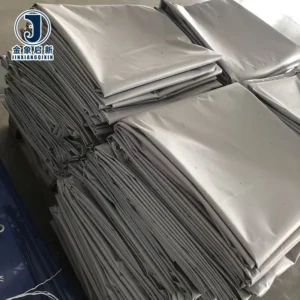
Distributors importing container loads need every roll to cut, weld and finish identically. Variation in coating weight between rolls forces fabricators to adjust heat-weld temperature and dwell time mid-run, producing weak seams or burnt edges. Our PVC Coated Fabric rolls are produced with in-process QA checks at the coating stage, and each roll is logged with its measured GSM before packing. This discipline means a fabricator can set their welding parameters once and run an entire container load without stopping to recalibrate. [NEED_CITE: relationship between coating weight and weld strength in PVC fabrics].
Reading the 1000×1000 Construction and 450 GSM Weight Together
The 1000×1000 denier base construction defines the yarn thickness in both warp and weft directions, creating a balanced weave that resists tear propagation equally in all directions. Combined with at least 450 grams of knife-coated PVC, this construction yields a fabric suited to applications where mechanical stress is multi-directional — such as truck side curtains that flex vertically while enduring lateral wind load. The coating fills the weave interstices completely, which is why knife coating on this base delivers waterproof and oilproof performance without pinhole leaks. Glossy and matte finishes are both available, and the choice between them affects dirt pickup and cleanability rather than structural performance. Anti-UV treatment is offered as an option; buyers should confirm the test standard their end market requires before specifying.
What Happens When Colour Shifts Between Rolls
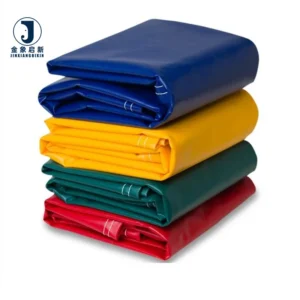
A container load of PVC Coated Fabric destined for tent or awning fabrication arrives, and the fabricator unrolls two panels side by side on the cutting table. One is noticeably darker than the other. Both rolls passed QC individually, but batch-to-batch colour was never matched as a set. The finished awning panels are installed next to each other on a building facade, and the client rejects the lot. [NEED_CITE: colour consistency standards in coated fabric bulk orders]. This scenario is preventable when the supplier holds colour reference standards and confirms every roll in an order against the same master sample before dispatch.
Why Fabricators Choose This Roll Stock
Three full production lines and 36 sets of professional equipment support bulk capacity with on-time delivery for container-load orders. A 10-person R&D team handles custom width, colour matching and pattern printing requests, developing samples within days so buyers can approve before committing to volume. Dedicated QA/QC runs at every production stage — base fabric inspection, coating weight verification, surface finish check — with 100% inspection before shipment. ISO and CE certified processes underpin the production workflow. Rolls ship with a complete packing list showing weight and dimensions per roll, enabling accurate container loading plans.
Documentation & Verification
- Material specification sheet confirming GSM, base fabric construction and coating method per roll
- Roll packing list detailing individual roll weight and dimensions for container loading plans
- Pre-shipment inspection record with measured GSM values against specification
- Colour reference confirmation matched across all rolls within the same order
- ISO and CE certificates included with shipment documentation
- Test reports for UV and flame-retardant grades supplied when those treatments are specified
Fabrication, Handling & Storage
- Heat-weld settings should be calibrated to the knife-coated PVC layer before production runs begin
- Store rolls upright on pallets to prevent flat-spotting and permanent crease marks on the coating surface
- Cut panels with allowance for hem fold-back to maintain the 450 GSM coverage at stress points
- Clean glossy-finish rolls with mild detergent only; solvents degrade the PVC coating bond
- Black back coated rolls require a test weld sample to confirm adhesion before full-panel joining
- Plan cutting layout to maximise yield from each roll width and minimise off-cut waste
What to Share With Your Supplier Before Quoting
Specify the application and the environmental conditions the fabric will face — UV exposure duration, temperature range, chemical contact. State the roll widths you need and your annual volume so production can be scheduled efficiently. If your market mandates a specific flame-retardant or anti-UV standard, name the test method and required grade so the correct treatment is applied and documented.
Frequently Asked Questions
Q: How is GSM verified per roll before shipment and on arrival?
A: Every roll undergoes a measured weight check during the pre-shipment inspection, with the recorded GSM logged against the material specification sheet. Buyers receive this inspection record with their shipment documentation. On arrival, you can cross-check by cutting a measured sample and weighing it — the documented value should match within standard tolerance.
Q: What standard widths and roll lengths are stocked?
A: Standard widths cover the range most commonly used by tarpaulin distributors and fabricators. Custom widths are available with sample approval before bulk production. Roll lengths are specified at the order stage based on your cutting requirements and container loading plan. Confirm your preferred dimensions during the inquiry stage.
Q: How is color consistency maintained across rolls in a bulk order?
A: All rolls within a single order are produced in the same batch run and checked against a master colour reference before packing. Pre-shipment inspection includes a side-by-side visual comparison to confirm no visible shift between rolls. If your project demands tight colour matching, request a sample panel for approval before full production.
Q: How are rolls packed and loaded for container shipping?
A: Rolls are packed upright on pallets with protective wrapping to prevent coating damage during transit. A detailed roll packing list accompanies each shipment, listing individual roll weight and dimensions for your container loading plan. This documentation allows you to calculate container utilisation and plan warehouse receiving in advance.
Q: What is the MOQ for custom width, color or printed branding?
A: Minimum order quantities for custom specifications depend on the width, colour and print complexity requested. The R&D team develops a sample within days so you can approve material, colour and print quality before committing to volume. Share your target dimensions and annual requirement to receive a precise MOQ and lead time.