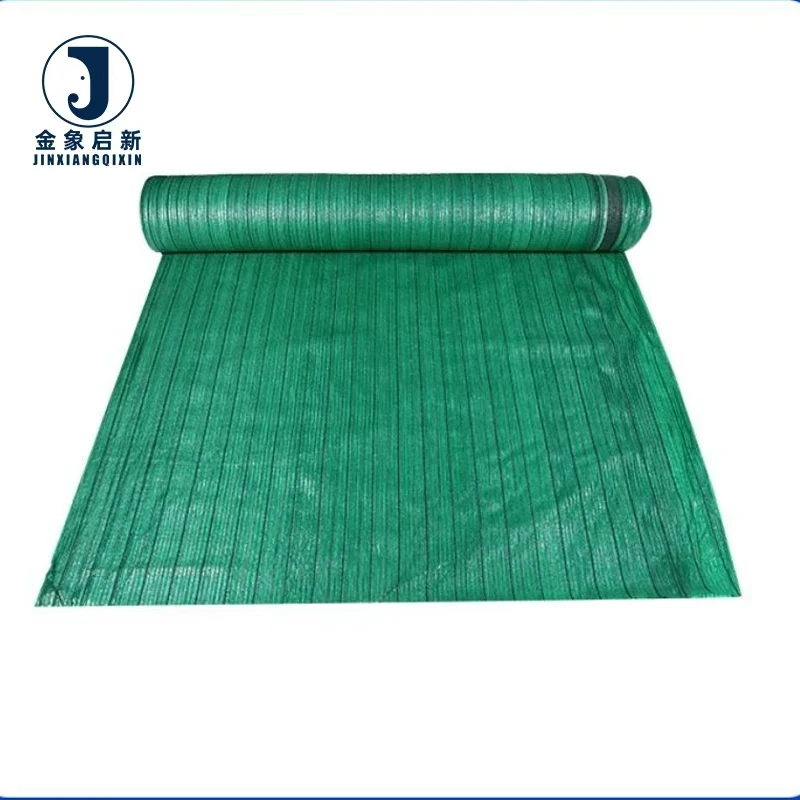
Description
Batch-Controlled PE Tarpaulin Roll Stock — 3 full production lines delivering consistent GSM, colour, and weave density across every roll shipped in your container load.
Technical Specifications
| Parameter | Value |
|---|---|
| Product Type | PE Tarpaulin |
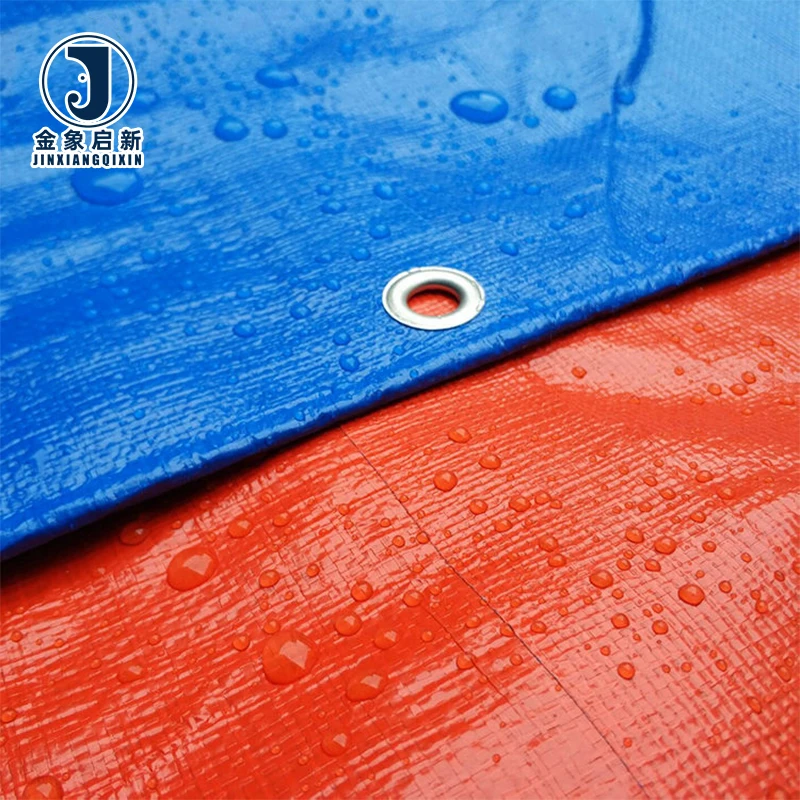
| Material Construction | HDPE weaving with LDPE lamination on both sides |
| Mesh Count Options | 6×6, 6×7, 7×7, 7×8, 8×8, 9×9, 8×10, 10×10, 12×12, 14×14, 14×16 |
| Weight Range | 50g/m² to 300g/m² — confirm the grade for this item |
| Total Thickness | 0.2-0.4mm / 8 mil-16 mil / Custom |
| Roll Width Options | 6ft, 8ft, 10ft, 12ft or 2m, 4m, 6m |
| Roll Length Options | 100 yards, 100 meters, or custom |
| Finished Sizes Available | 2x2m through 8x10m and corresponding ft sizes |
| Edge Reinforcement | All four edges reinforced with PP rope in hem |
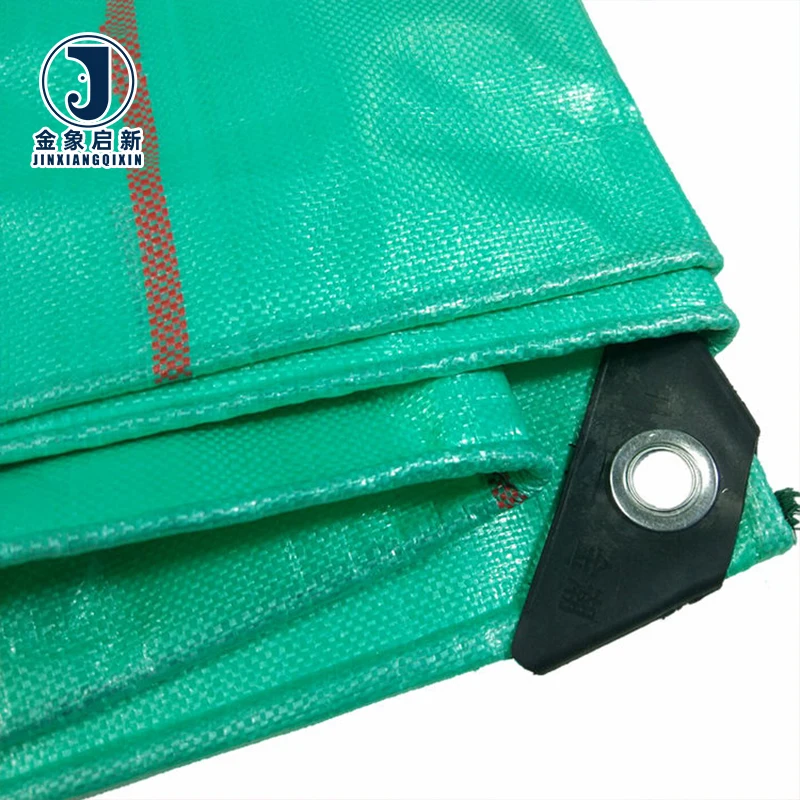
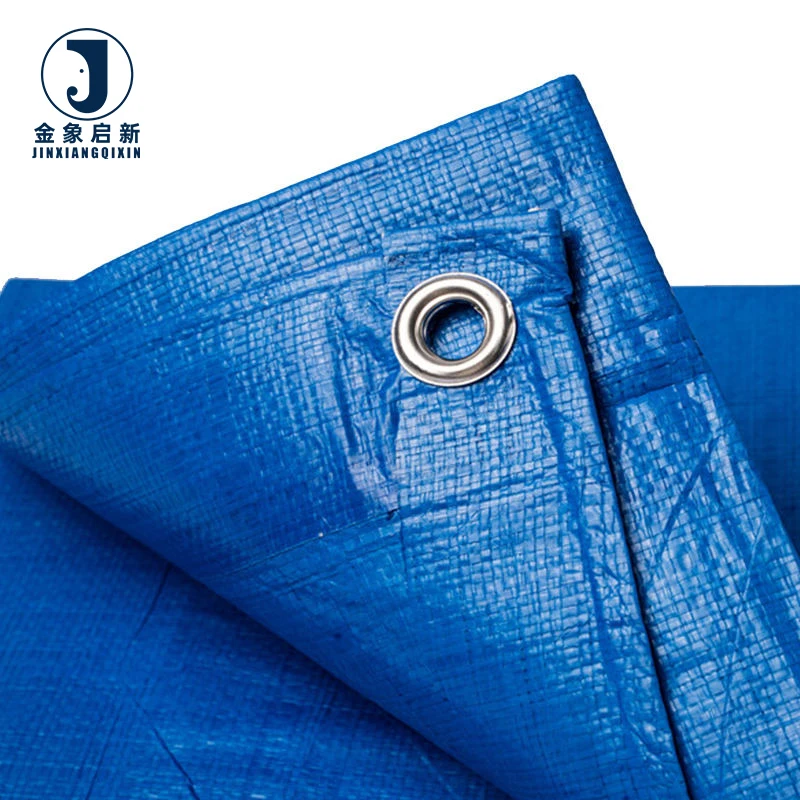
| Eyelet Specification | Galvanized eyelets every 3ft or 1 meter interval |
| Corner Reinforcement | Reinforced plastic corners on finished pieces |
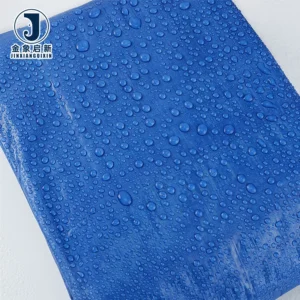
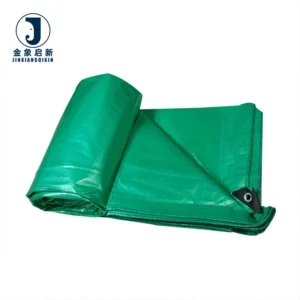
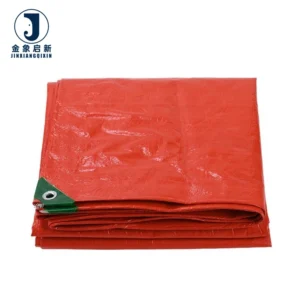
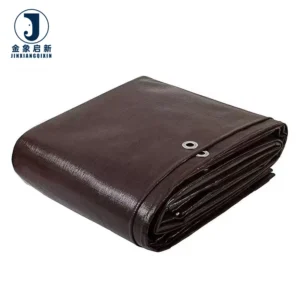
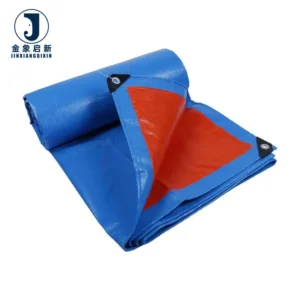
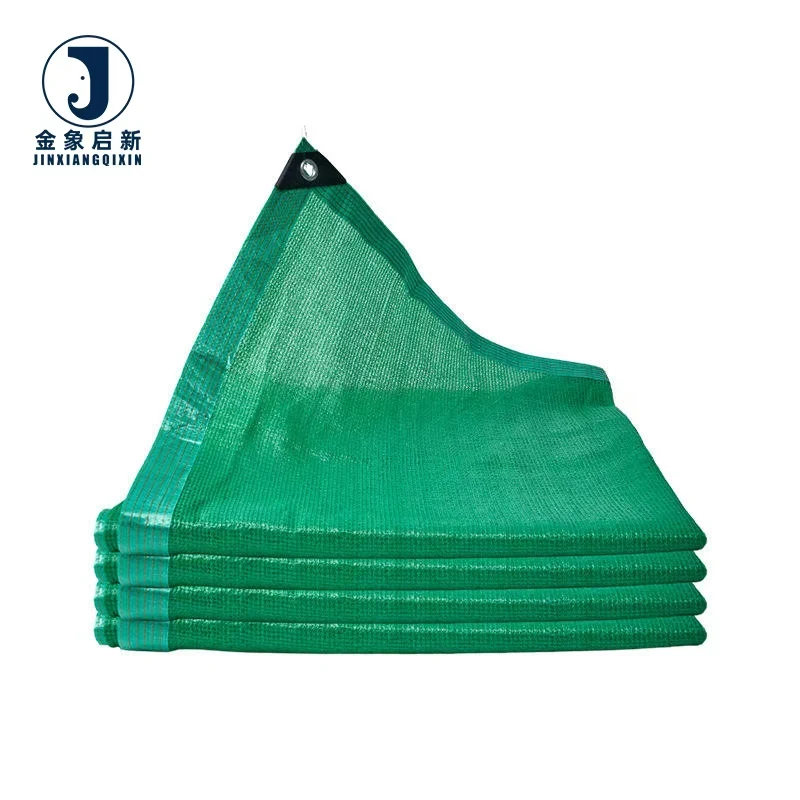
| Color Options | Blue, Blue/Orange, Green, Grey, Black, Clear, Grey/Green, Orange, or custom |
| Waterproof | Yes |
| UV Treatment | Available (test basis not stated — confirm grade required for your market) |
| Mildew Proof | Yes |
| Key Features | Washable, tear resistant, weather proof, anti-aging |
Application Suitability
| Application | Exposure & Requirement |
|---|---|
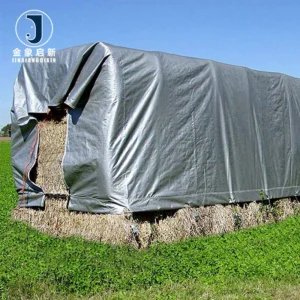
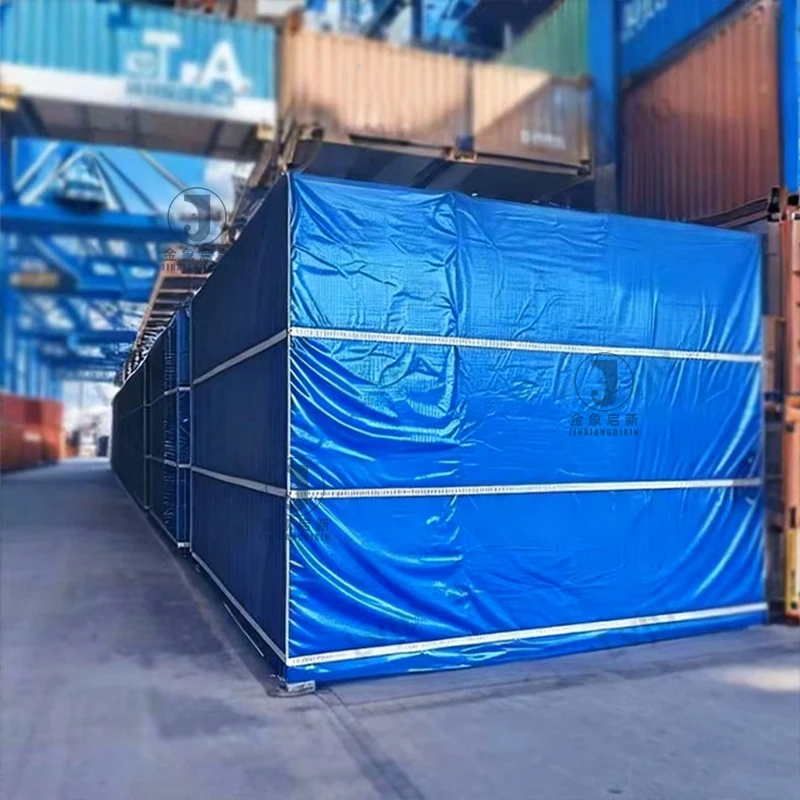
| Truck and container covers | Road vibration, abrasion at contact points, rain and spray exposure, frequent tie-down and removal |
| Agricultural stock and crop covers | Direct sunlight over growing seasons, moisture ingress risk, wind lift on large spans, contact with organic matter |
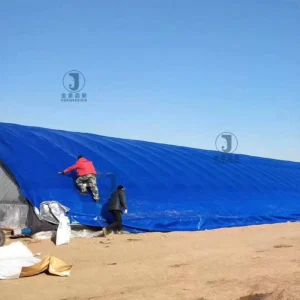
| Construction site and scaffold covers | Falling debris puncture risk, wind load on vertical fencing, UV exposure across multi-month projects, dust containment |
| Home and garden furniture covers | Intermittent outdoor exposure, pooling water on horizontal surfaces, repeated folding and storage |
| Hay and timber stack covers | Ground moisture wicking, prolonged UV on top surface, snow load in winter months, ventilation to prevent condensation |
Why Roll-to-Roll Consistency Matters More Than Quoted GSM
A quoted weight means nothing when half the rolls in your container arrive lighter than agreed.
Wholesale buyers of PE tarpaulin roll wholesale bulk regularly face this problem: the material specification sheet states one GSM, but weighing random rolls on arrival reveals a different story. Thinner rolls go to market first, fail faster, and generate returns that erode your margin. The real cost is not the price difference per kilogram — it is the reputation damage when your downstream customers receive covers that tear within weeks. [NEED_CITE: ISO 1421 tensile and tear test methods for coated fabrics]
Stock Widths and Lengths Configured for Container Efficiency
Rolls ship in widths from 6ft up to 6m and lengths of 100 yards or 100 meters, packed on hard paper tubes and wrapped for transit. This format suits importers who redistribute PE tarpaulin aftermarket supplier stock to regional dealers. Container loading is planned by roll count and net weight, so your purchasing team knows exactly how many rolls of each width fit in a 20’GP or 40’HQ before the order is confirmed.
Colour Matching Across Multiple Containers in One Season
Agricultural stockists often reorder the same blue or green PE tarpaulin across several shipments in a single selling season. Colour drift between production runs creates visible mismatch when rolls from different containers end up on adjacent hay stacks or scaffold fences. Batch-controlled pigment dosing and consistent LDPE lamination temperature keep the colour reference stable from the first container to the last.
Mesh Count, Lamination Weight, and the GSM Question
The base fabric mesh count — from a lighter 6×6 weave up to a dense 14×16 — determines how much LDPE the fabric can hold on each side. A 6×6 weave at 50g/m² serves as a short-term dust or ground sheet, while a 14×16 weave at higher GSM tiers provides the tear resistance needed for truck covers exposed to constant tie-down tension. The stated GSM is the sum of base fabric weight plus both lamination layers, so two rolls with identical GSM can perform very differently if one achieves that weight through thicker LDPE rather than a denser weave. [NEED_CITE: relationship between mesh density and tensile strength in woven PE fabrics]
What Happens When Colour Varies Between Rolls in One Order
Distributors who sell finished PE tarpaulin to end users face immediate complaints when two rolls of the same colour, from the same purchase order, look different once unrolled side by side on a construction scaffold or across a hay stack. This is not a cosmetic issue — it signals inconsistent raw material sourcing and undermines buyer confidence. Controlling masterbatch ratios and extrusion temperature across every production run eliminates visible shade variation within a single batch. [NEED_CITE: color consistency standards for batch-produced coated fabrics]
Why Wholesale Buyers Source Roll Stock Here
Three full production lines allow simultaneous runs of different widths and GSM grades, so mixed container orders ship without one specification holding up another. A dedicated QA team weighs and inspects rolls at every production stage, with 100% pre-shipment inspection rather than random sampling. Roll packing lists detail net weight and CBM per roll, enabling precise container loading plans before dispatch. The R&D team develops samples within days when a custom colour or non-standard width is required. Export documentation including certificate of origin and customs support arrives with every shipment.
Documentation & Verification
- Material specification sheet listing mesh count, LDPE coating weight, and confirmed GSM for each roll grade
- Pre-shipment inspection record with per-roll GSM verification and colour reference check
- Roll packing list detailing roll count, net weight, and CBM aligned to container loading plan
- Certificate of origin and customs documentation prepared for destination country requirements
Fabrication, Handling & Storage
- Hot-air welding temperature must match the LDPE lamination layer to prevent delamination at seam points
- Galvanized eyelets spaced every 3ft or 1m distribute tie-down load evenly on finished covers
- Store rolls upright on their cores to prevent flat-spot creasing on the LDPE surface
- Avoid dragging rolls on rough ground to protect the outer LDPE lamination from scoring
- Clean with mild detergent only — solvents can degrade the LDPE coating bond
- Cut with sharp blades to prevent fraying the HDPE base weave at the edges
What We Need to Quote Your Roll Order Accurately
Provide your target GSM or mesh count, the roll widths and lengths you require, and your annual volume so we can plan production runs around your container schedule. If you need custom colours, share a Pantone or physical reference along with the quantity per colour — sample development takes days, not weeks. Let us know whether you need roll stock only or finished cut sizes with eyelets and hem reinforcement from the same batch.
Frequently Asked Questions
Q: How is GSM verified per roll before shipment?
A: Every roll is weighed and measured during pre-shipment inspection. The QA team records actual GSM against the material specification sheet for your order. A full inspection report accompanies the shipping documents so you can verify weight compliance on arrival without needing to cut samples from your stock.
Q: What widths and roll lengths are stocked versus made to order?
A: Standard widths of 6ft, 8ft, 10ft, 12ft and metric equivalents up to 6m are available across multiple mesh counts. Roll lengths of 100 yards or 100 meters are standard. Non-standard widths or lengths require a production run — share your required specifications and we will confirm lead time and minimum quantity.
Q: How do you control colour consistency across rolls in the same batch?
A: Masterbatch pigment is dosed by weight into the LDPE extrusion line, and lamination temperature is held constant throughout the run. Random rolls from the beginning, middle, and end of each batch are compared against the colour reference during inspection to catch any drift before packing.
Q: What is the container loading capacity by roll?
A: A 20’GP container holds approximately 17 tons of rolls. A 40’HQ accommodates up to 28 tons when shipped by bale. We provide a detailed roll packing list showing count, dimensions, and weight per roll so your logistics team can plan loading and warehouse space before the vessel departs.
Q: What minimum order applies to custom colour or custom width rolls?
A: Custom colours and non-standard widths require a minimum production run to ensure batch consistency and efficient machine setup. Share your required colour reference, width, and estimated annual volume so we can confirm the minimum per order and plan your supply schedule accordingly.