Description
Volume Consistency — Every PE tarpaulin roll in a container order is weighed, measured, and colour-checked against the approved sample before dispatch, eliminating batch drift.
Technical Specifications
| Parameter | Value |
|---|---|
| Product Type | PE Tarpaulin Roll Stock |
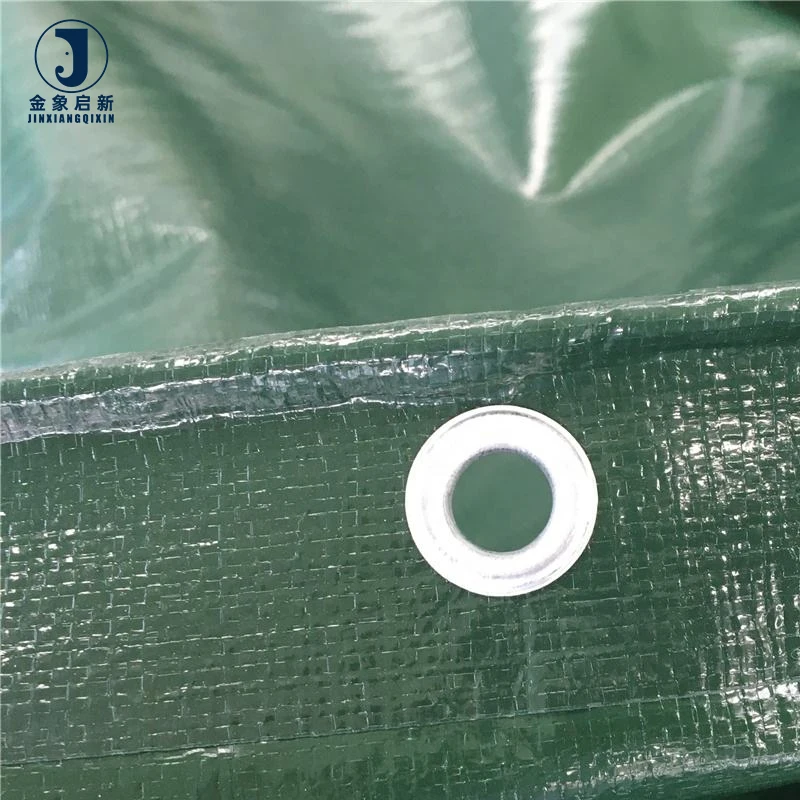
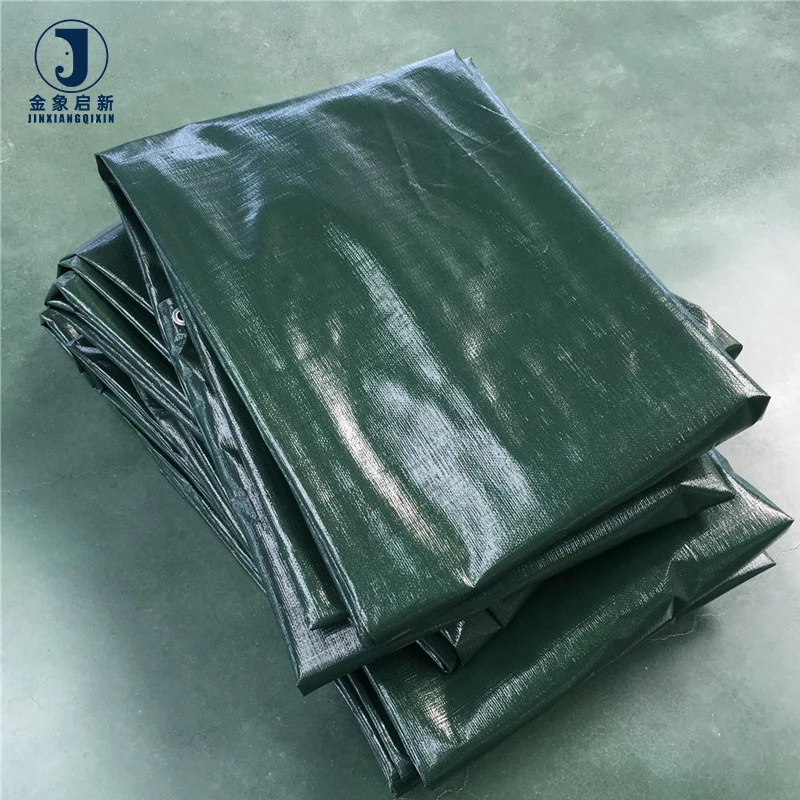
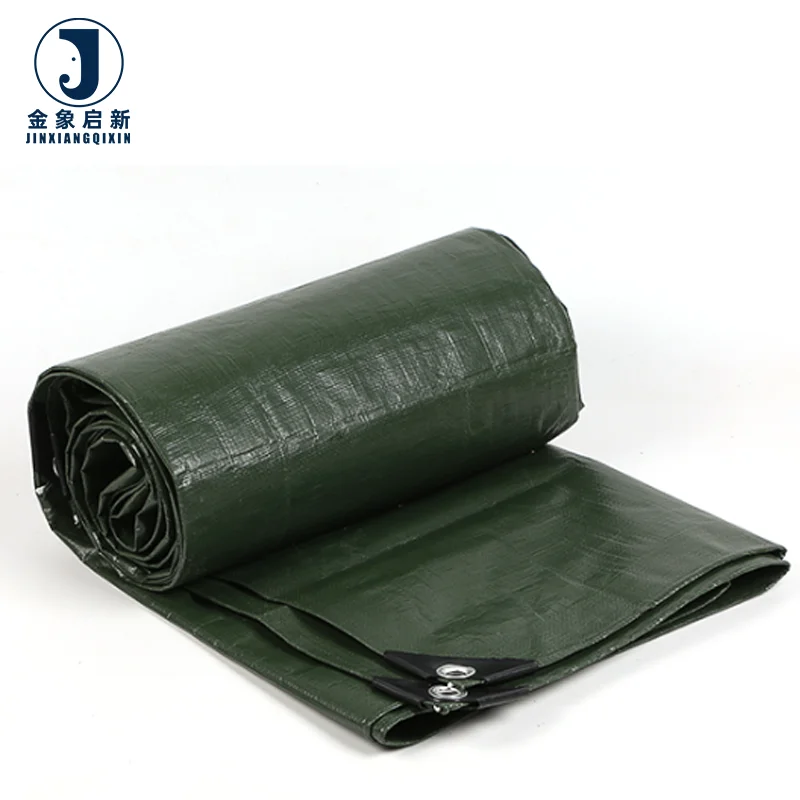
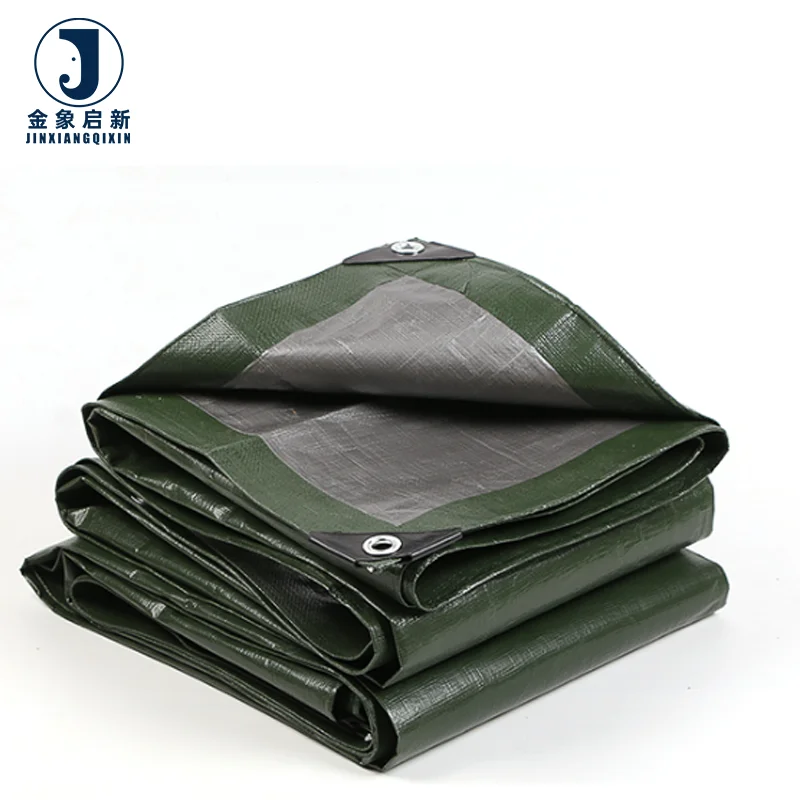
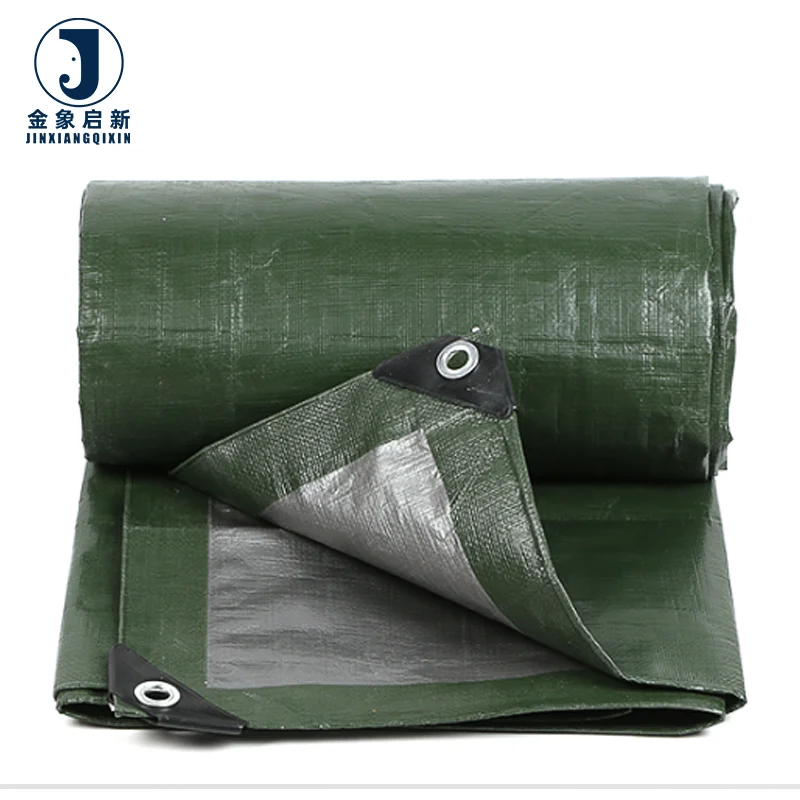
| Material | HDPE woven fabric with LDPE coat on both sides |
| Mesh Density | 6X6 to 16X16 |
| Weight Range | 50 g/m² to 300 g/m² |
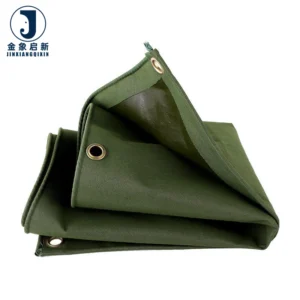
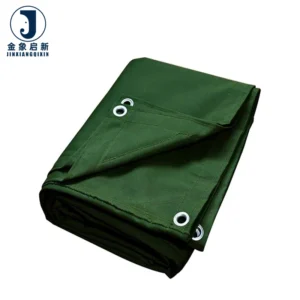
| Available Colors | Blue, Orange, White, Black, Grey, Yellow, Green, Red, custom colors |
| Roll Length | 100 m per roll or custom |
| Edge Finish | Hemmed with PP ropes |
| Corner Reinforcement | Black plastic triangle |
| Eyelets | Rustproof aluminum, spaced every 1 m or 1.5 m or custom |
| Printing | Logos and company information, reinforced strip optional |
| Special Treatment | Fire resistant and UV protection available (grade not stated — confirm required standard) |
Application Suitability
| Application | Exposure & Requirement |
|---|---|
| Tarpaulin distributor inventory | Broad colour and GSM range for local resale, roll-to-roll consistency across variants |
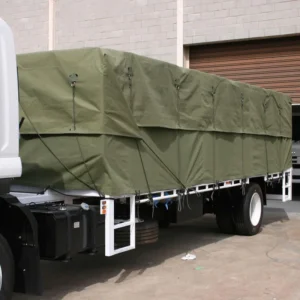
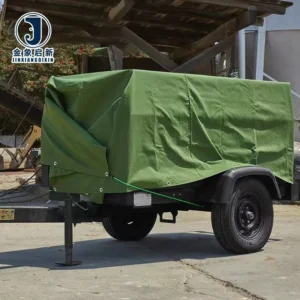
| Truck and trailer load protection | Wind load, road spray, tie-down abrasion at eyelets, flex stress at folds |
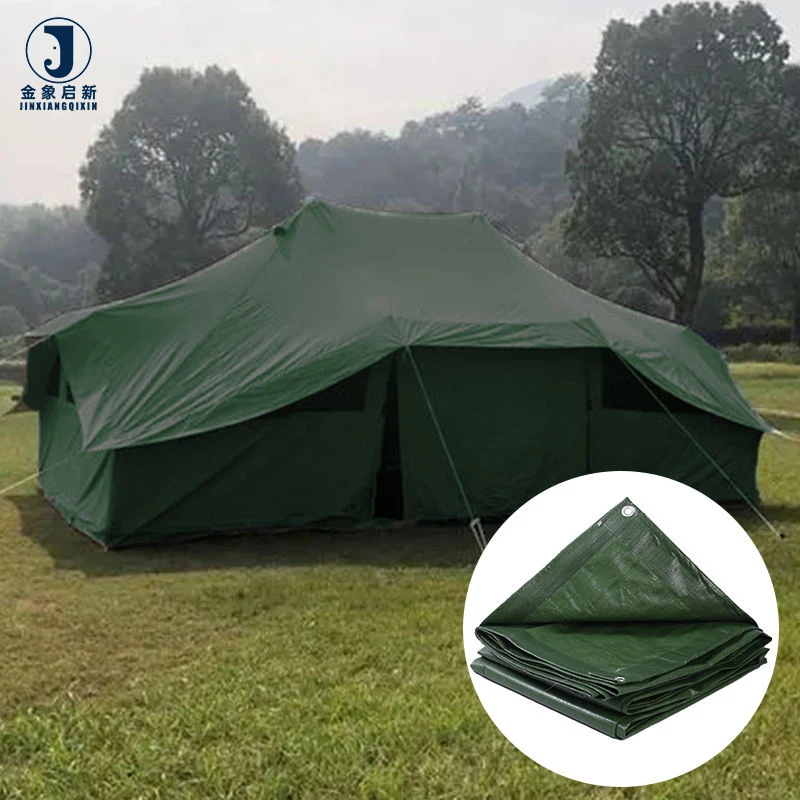
| Construction site and equipment covers | UV exposure, dust ingress, mechanical contact with scaffolding and steelwork |
| Agricultural stockpile covers | Moisture ingress, wind uplift, prolonged sun exposure on grain and feed stores |
Why Roll-to-Roll Consistency Matters More Than Quoted GSM
A quotation that says 180 g/m² means nothing when the rolls arriving at your warehouse average 160 g/m².
Bulk buyers of PE tarpaulin roll stock often discover weight discrepancies only after cutting into the material. The HDPE woven base is where cost savings happen — lighter yarn, fewer picks per inch — and the difference is invisible until the fabric fails under load. When a distributor ships inconsistent rolls to end users, the damage is reputational before it is financial. [NEED_CITE: GSM verification methods for woven coated fabrics]
How Batch Drift Destroys Wholesale Margins
Sourcing PE tarpaulin roll wholesale from suppliers without inline weight monitoring means each roll is effectively a gamble. The coating stage is where consistency is won or lost; if the LDPE extrusion temperature or nip pressure varies across a production run, the final GSM shifts roll by roll. For importers loading a full 40HQ, that variance translates into customer complaints once the material reaches fabricators or retail shelves.
Colour Matching Across a Container Load
When blue PE tarpaulin rolls are installed side by side on a truck fleet or across a construction compound, even slight hue shifts become visible. Controlling masterbatch dosing at the weaving and coating stages is essential. A pre-production sample locks the colour reference, and every subsequent roll must match it under standard illumination before it clears inspection. [NEED_CITE: colour tolerance standards for coated textile batches]
Roll Dimensions That Drive Container Efficiency
A standard 100 m roll length balances cutting yield against handling weight, keeping individual rolls manageable for warehouse crews while maximising the linear metres inside a 20GP or 40HQ. Custom roll lengths are available for fabricators running automated cutting lines where longer continuous lengths reduce splice waste. Roll width selection directly affects how many rolls fit a container and how efficiently a fabricator can nest cut patterns.
Stock Availability Versus Custom Production Runs
Standard mesh densities and popular colours ship from inventory, reducing lead time for replenishment orders. Custom colours, non-standard widths, and printed rolls enter a scheduled production run with defined minimums, and samples are developed before the full batch proceeds. This two-track system lets buyers balance speed for core SKUs against differentiation for project-specific requirements.
Reading the Mesh Count and GSM Relationship
The mesh density — ranging from 6X6 to 16X16 — defines how many HDPE yarns cross per square inch, and this is what gives the fabric its dimensional stability before coating even begins. GSM alone does not determine strength; a 180 g/m² fabric woven at 8X8 will behave differently under tension than one woven at 14X14 with the same coating weight. Higher mesh counts distribute load across more yarn intersections, resisting tear propagation.
The dual-side LDPE coating encapsulates the woven base, providing waterproofing and UV shielding. Coating weight as a proportion of total GSM determines flexibility: heavier coating yields a stiffer hand but better abrasion resistance, while lighter coating keeps the fabric pliable for folding and draping over irregular loads. Buyers should match mesh count and GSM together rather than specifying one in isolation. [NEED_CITE: relationship between mesh count and tensile performance in woven PE fabrics]
The Cost of Specifying on Price Per Kilogram Alone
Choosing PE tarpaulin roll stock based on the lowest cost per kilogram invites underweight delivery. A fabric quoted at 200 g/m² that arrives at 170 g/m² will tear earlier at eyelet points and degrade faster under UV exposure. For distributors, this means returns and replacement shipments that erase the initial saving. Specifying mesh count alongside GSM, and requiring a pre-shipment inspection record, closes this gap. [NEED_CITE: premature tarpaulin failure causes linked to underspecification]
Why Fabricators and Distributors Source Here
Three full production lines with dedicated coating stations support bulk roll output without sacrificing run-to-run consistency. Every roll passes through weight and colour verification at the coating stage, not just at final packing. The 10-person R&D team handles custom colour matching, print layout, and sample development within days, so buyers can approve a physical reference before the container order runs. ISO and CE certified processes underpin the documentation chain that accompanies each shipment. Pre-shipment inspection records, roll packing lists, and certificates of origin are standard, not optional extras.
Documentation & Verification
- Material specification sheet stating GSM, mesh count, base fabric type, and colour reference per roll batch
- Weight verification record per roll against the purchase order GSM before dispatch
- Roll packing list with individual roll IDs for warehouse receiving and inventory allocation
- Certificate of origin and customs documentation for cross-border container shipments
- UV and fire resistant test documentation supplied for applicable treated grades upon request
Fabrication, Handling & Storage
- Heat-seal parameters vary by LDPE coat weight — confirm temperature on lighter GSM grades before full production
- PP rope hems and aluminium eyelets distribute tie-down load; reinforce corners where point stress concentrates
- Store rolls upright on pallets to prevent flat-spot deformation of the HDPE woven core
- Unroll in moderate temperatures; cold-stiffened LDPE coating can crack if force-folded in freezing conditions
- Clean with mild detergent only — solvents may degrade the LDPE surface coating
What to Include in Your Inquiry
Specify your target mesh density and GSM range, the colours you stock regularly, and annual volume so we can map container loading to your replenishment cycle. If you need printed rolls or custom widths, share the print artwork and target dimensions so samples can be prepared before production scheduling. Confirm whether fire resistant or UV treated grades are required for your market so the correct documentation ships with your order.
Frequently Asked Questions
Q: What GSM grades and mesh densities are available for immediate container loading?
A: The range spans 50 g/m² to 300 g/m² across mesh densities from 6X6 to 16X16. Standard grades in popular colours are held for prompt loading, while custom weights and colours enter scheduled production with samples provided for approval before the full batch runs.
Q: How is colour consistency maintained across every roll in a container order?
A: A pre-production sample locks the colour reference, and each roll is checked against it under controlled lighting during coating. Rolls that fall outside the accepted tolerance are held back. A roll packing list identifies every roll for traceability at your warehouse.
Q: What are the minimums for custom widths, colours, or printed rolls?
A: Custom production runs carry defined minimums based on the loom setup and coating batch size required. Samples are developed within days for approval. Provide your target dimensions, Pantone or RAL reference, and print artwork so the R&D team can confirm feasibility and schedule.
Q: How is GSM verified before shipment?
A: Rolls are sampled and weighed at the coating stage against the specification sheet. A pre-shipment inspection record documents the results, and this record ships with your order. You can re-verify on arrival using the same cut-and-weigh method referenced on the inspection document.
Q: What documentation accompanies a bulk roll shipment?
A: Each container order ships with a material specification sheet, roll packing list with individual roll identification, pre-shipment inspection record, certificate of origin, and customs documentation. For fire resistant or UV treated grades, applicable test documentation is included to support compliance in your market.