Description
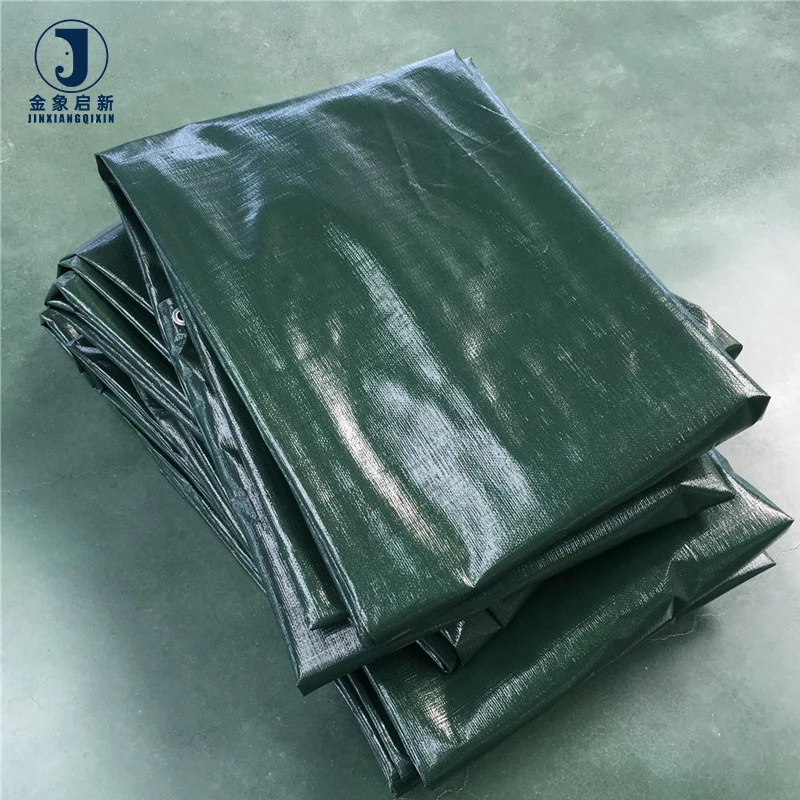
Volume-Ready Stock — Three dedicated production lines hold tight GSM and colour tolerances across every PE tarpaulin roll in a container load, so wholesale buyers receive batch-consistent material from first roll to last.
Technical Specifications
| Parameter | Value |
|---|---|
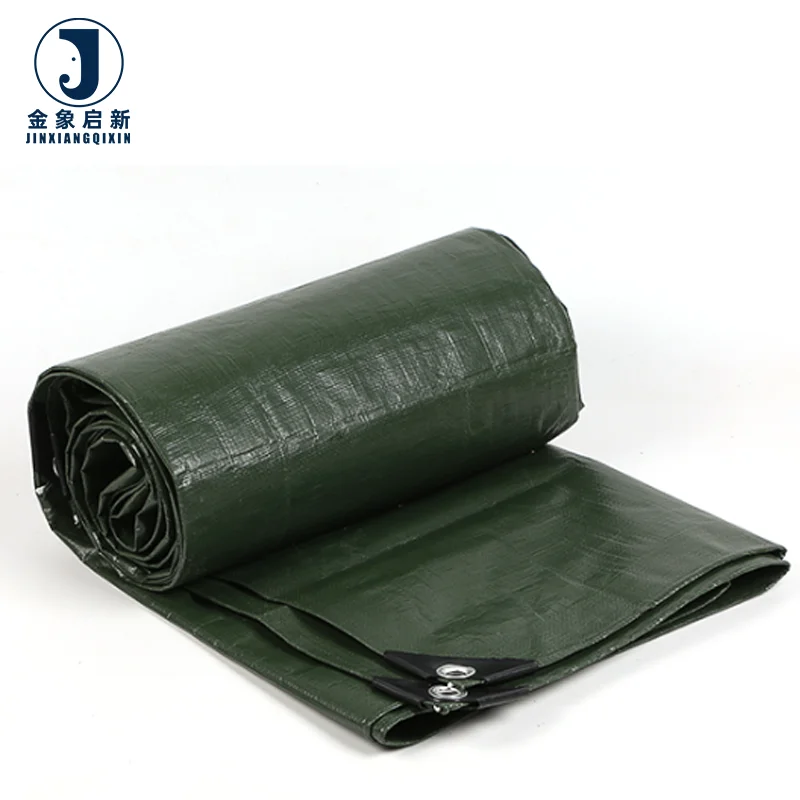
| Product Type | PE Tarpaulin Roll |
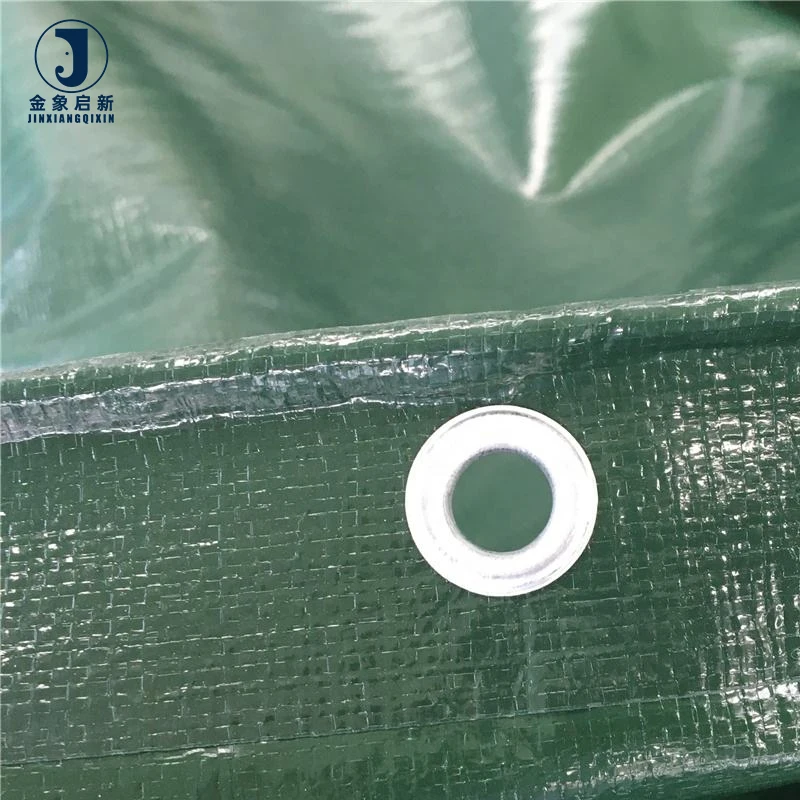
| Material | HDPE woven fabric with LDPE coat on both sides |
| Mesh Count | 6×6 to 16×16 |
| Weight (GSM) | 50 g/m² to 300 g/m² (confirm exact grade per order line) |
| Color Options | Blue, Orange, White, Black, Grey, Yellow, Green, Red, any color available |
| Roll Length | 100 m per roll or custom |
| Sheet Size (Cut Pieces) | 2×3, 3×4, 3×5, 4×5, 5×6, 6×8, 10×10, 10×12, 12×14 m or custom |
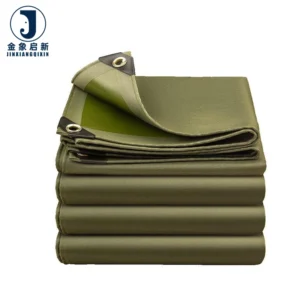
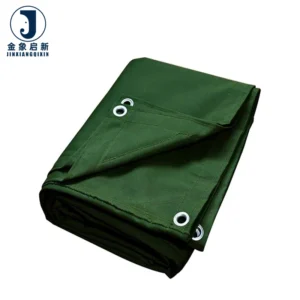
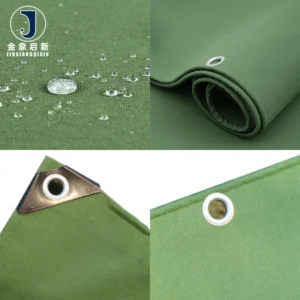
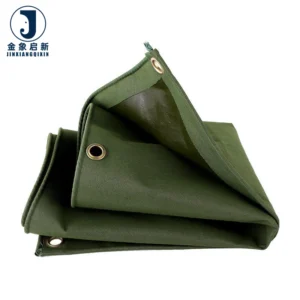
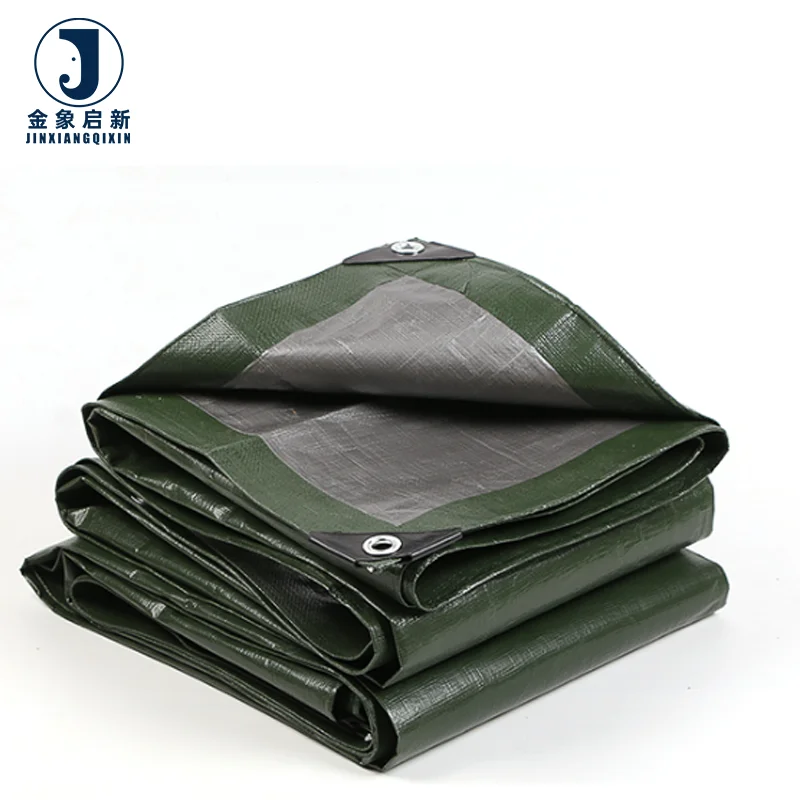
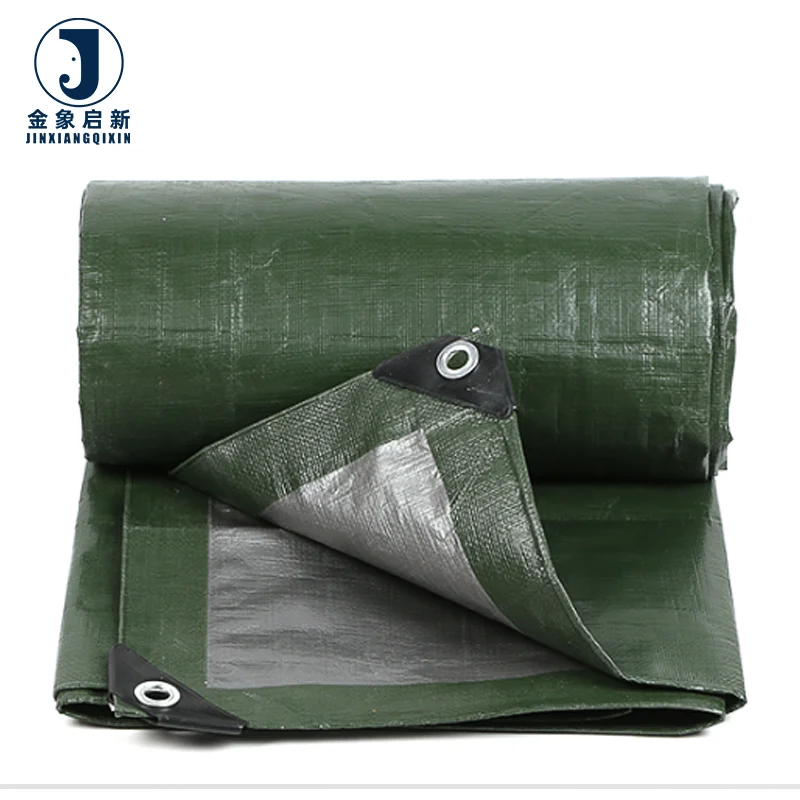
| Edge Making | PP rope in hem, rustproof aluminum eyelets every 1 m or 1.5 m |
| Corner Reinforcement | Reinforced plastic triangle corners |
| Printing | Logos or company information, reinforced strip available |
| Special Treatment | Fire resistant / UV protection available as per requirements (grade not stated in source) |
| Certifications | ISO, CE |
Application Suitability
| Application | Exposure & Requirement |
|---|---|
| Tarpaulin distributor resale stock | Multiple GSM grades needed in one container, consistent colour across every roll for retail display |
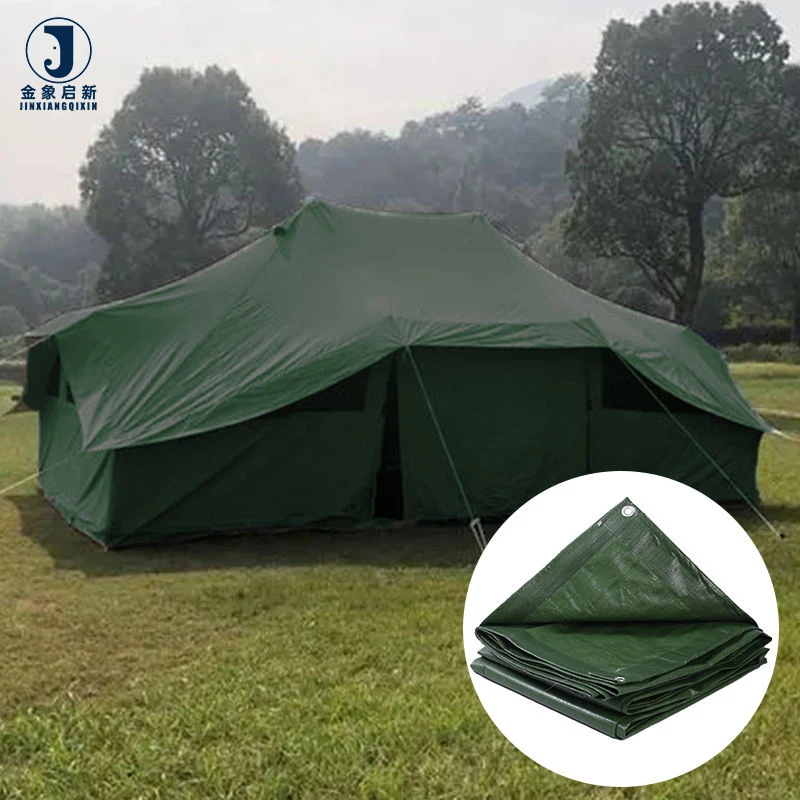
| Construction site and equipment covers | Abrasion from scaffolding contact, UV exposure over multi-week projects, water ingress prevention |
| Agricultural and aquaculture stock covering | Prolonged sunlight, moisture, pond lining contact with water and soil chemistry |
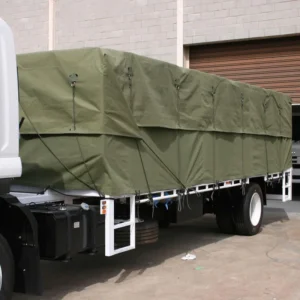
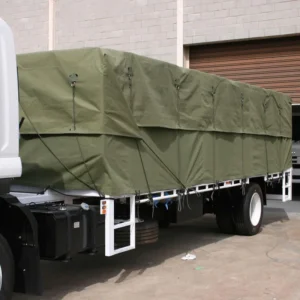
| Commercial truck and trailer load protection | Wind lift, road spray, tie-down strap friction at eyelet points, repeated folding and unfolding |
Why Colour Drift Between Rolls Costs More Than the Fabric Itself
Batch-to-batch colour matching is a production control problem, not a dye problem.
When a wholesale buyer receives a container of PE tarpaulin rolls and two rolls show a visible shade difference once unrolled side by side, the entire shipment is suspect. Distributors cannot sell mismatched rolls to the same end customer, and contractors installing covers across a large site will reject the lot. Colour variation usually traces back to inconsistent pigment dosing during the LDPE coating stage or temperature fluctuation across the coating line. Controlling this requires in-line monitoring at every production stage, not just a final visual check [NEED_CITE: colour consistency standards for coated polyethylene fabrics].
Roll-to-Roll Weight Verification for Bulk Buyers
GSM stated on a quotation must match the material that arrives at the port. For PE tarpaulin roll wholesale orders, the risk is that lighter-grade material is shipped against a heavier-grade invoice. Our production process verifies coating weight at each stage across the three dedicated lines, and every roll is weighed before packing. The pre-shipment inspection record confirms actual GSM against the specification sheet, giving importers a documented basis for acceptance or claim.
Container Loading and Batch Traceability
Shipping PE tarpaulin rolls by the container means hundreds of rolls must share the same colour reference and weight tolerance. Each roll is packed with the customer label, and the packing list details roll count, net weight, and container loading plan by roll or bale format. This level of traceability lets distributors allocate rolls to specific downstream orders without opening every package to verify colour or grade.
Mesh Density and Its Effect on Tear Propagation
The woven HDPE base fabric is available in mesh counts from 6×6 to 16×16. A lower mesh count uses fewer yarns per unit area, producing a lighter, more flexible fabric suited to short-term covers and agricultural sheeting. Higher mesh counts increase the yarn intersection points, which restricts tear propagation once a puncture occurs [NEED_CITE: relationship between weave density and tear strength in woven polyethylene]. The LDPE coating on both sides locks the weave in place and provides the waterproof barrier, but the base fabric determines how the material behaves when cut, folded, or subjected to point loads from tie-down straps.
What Happens When Roll Specifications Are Wrong for the Application
Ordering a 6×6 mesh at 50 g/m² for a construction site cover that will see weeks of scaffolding contact leads to early puncture and tear. Conversely, specifying 16×16 at 300 g/m² for temporary agricultural stock covering adds unnecessary weight and cost to every roll in the shipment. The hidden cost is not just the material price difference — it is the labour to replace failed covers mid-project, the downtime while new stock is sourced, and the reputational damage when a distributor’s end customer receives material that fails on site [NEED_CITE: common failure modes in polyethylene tarpaulin field applications]. Matching mesh count and GSM to the actual exposure conditions prevents both over-specification waste and under-specification failure.
Production Capacity and Consistency Controls
Three full production lines and 36 sets of professional equipment support bulk roll output with stable lead times for container-volume orders. The 10-person R&D team develops custom width, colour, and print samples within days, so wholesale buyers can confirm specifications before committing to a full production run. A dedicated QA/QC process runs at every production stage, with 100 percent inspection before any roll is packed for dispatch. Custom width and colour orders carry minimum quantities and lead times that are confirmed at the quotation stage, avoiding surprises after the order is placed.
Documentation & Verification
- Material specification sheet stating GSM, base fabric mesh count, and colour reference per roll line
- Pre-shipment inspection record confirming weight and colour across all rolls in the order
- Roll packing list with roll count, net weight, and container loading plan for 20GP or 40HQ
- Certificate of origin and customs documentation included with every shipment
- Test reports for UV and fire resistant grades where applicable — confirm grade required for your market
Fabrication, Handling & Storage
- Heat-seal the LDPE-coated surfaces using moderate temperature settings to avoid melting through the HDPE woven base
- Space rustproof aluminum eyelets at 1 m intervals for heavy-grade rolls to distribute tie-down load across the PP rope hem
- Store rolls horizontally on pallets to prevent edge crushing that can create permanent creases in the woven fabric
- Unroll in moderate temperatures; cold-stored PE tarpaulin becomes stiff and may crack if force-unfolded below freezing
- Clean with mild detergent only — solvent-based cleaners can degrade the LDPE coating surface over repeated use
What We Need to Quote Your Roll Order Accurately
Provide the target GSM, mesh count preference, and colour reference so we can match the right stock grade or schedule a custom run. Confirm the roll width and length you need, along with the container volume you plan to fill, so we can calculate roll count and packing format. If your market requires fire resistant or UV-treated grades, state the certification or test standard your end customers expect so we can confirm availability and documentation before production begins.
Frequently Asked Questions
Q: How can I verify the GSM of each roll matches the quotation weight when the shipment arrives?
A: Every roll is weighed during pre-shipment inspection, and the record is included with dispatch documentation. On arrival, you can cut a measured sample from any roll and weigh it on a calibrated scale to confirm the GSM matches the specification sheet. We recommend verifying at least one roll per container load as standard receiving practice.
Q: How do you control colour consistency across all rolls in a single bulk order?
A: Pigment dosing is monitored in-line during the LDPE coating stage on all three production lines. Rolls in the same order are produced in a continuous run where possible, and each roll is checked against the master colour reference during the 100 percent pre-shipment inspection. Any roll outside tolerance is pulled before packing.
Q: What are the lead times and minimum quantities for custom width, colour, or printed rolls?
A: Custom specifications are confirmed at the quotation stage with exact lead times and minimums based on the grade and colour requested. Samples are developed within days so you can approve material before the full production run. Contact us with your target width, colour reference, and annual volume for a specific quote.
Q: What eyelet spacing and hem reinforcement options are available for roll orders versus cut-size sheets?
A: Roll stock ships with PP rope in the hem and rustproof aluminum eyelets at 1 m or 1.5 m intervals as standard. Cut-size sheets include reinforced plastic triangle corners in addition to the hem and eyelets. Custom making options are available — specify your requirements when requesting a quotation.
Q: Do fire resistant and UV-treated PE tarpaulin rolls come with test documentation?
A: Fire resistant and UV protection treatments are available as per requirements. The specific grade and test basis must be confirmed at the order stage to match your market’s regulatory or project specifications. State the standard you need when inquiring, and we will confirm test report availability with your quotation.