Description
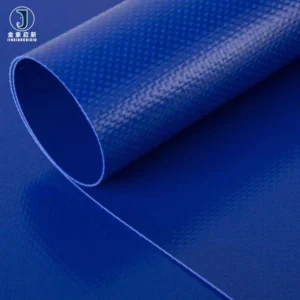
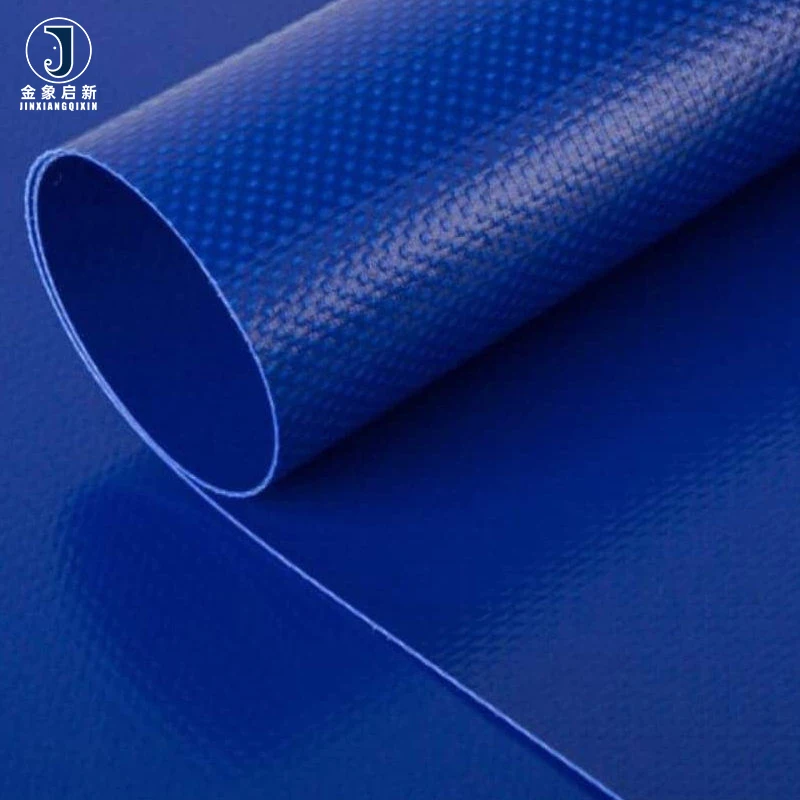
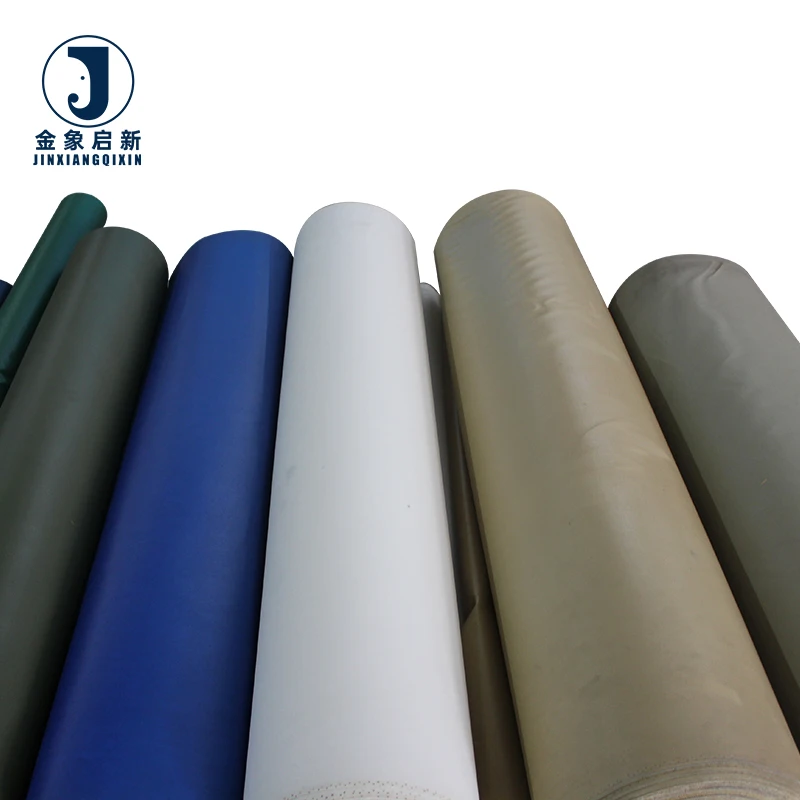
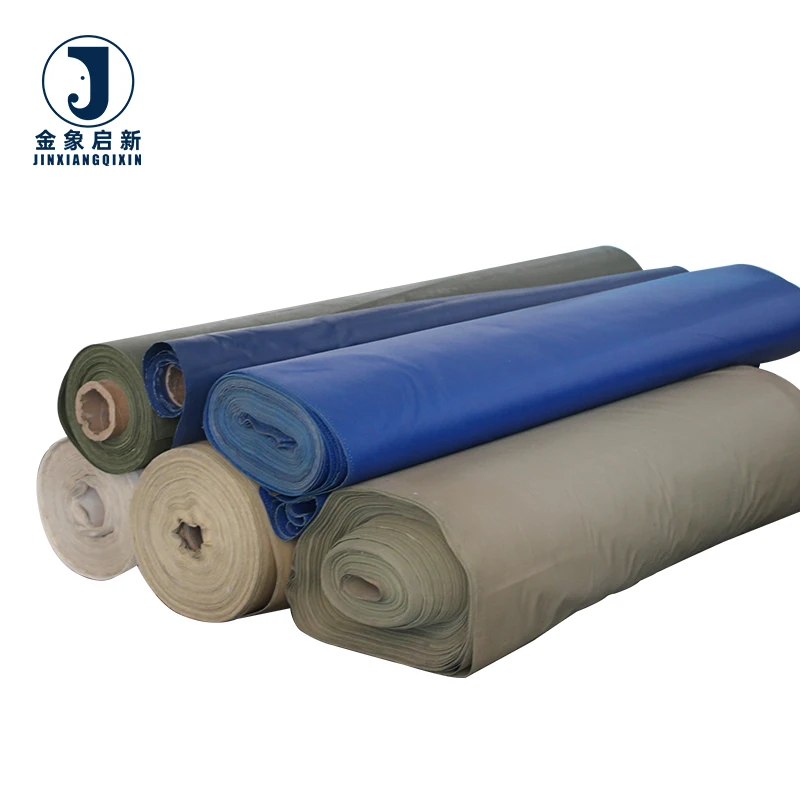
Batch Consistency Control — every roll of PVC Coated Tarpaulin roll is checked for GSM, colour and coating adhesion against the order specification before leaving the production floor.
Technical Specifications
| Parameter | Value |
|---|---|
| Product Type | PVC Tarpaulin |
| Base Fabric | High-strength polyester mesh fabric |
| Coating Material | PVC |
| Coating Method | Laminated technology & Hot-melt Coating technology |
| Weight (GSM) | 350gsm / 420gsm / 500gsm / 550gsm / 600gsm / 750gsm (available as product family options) |
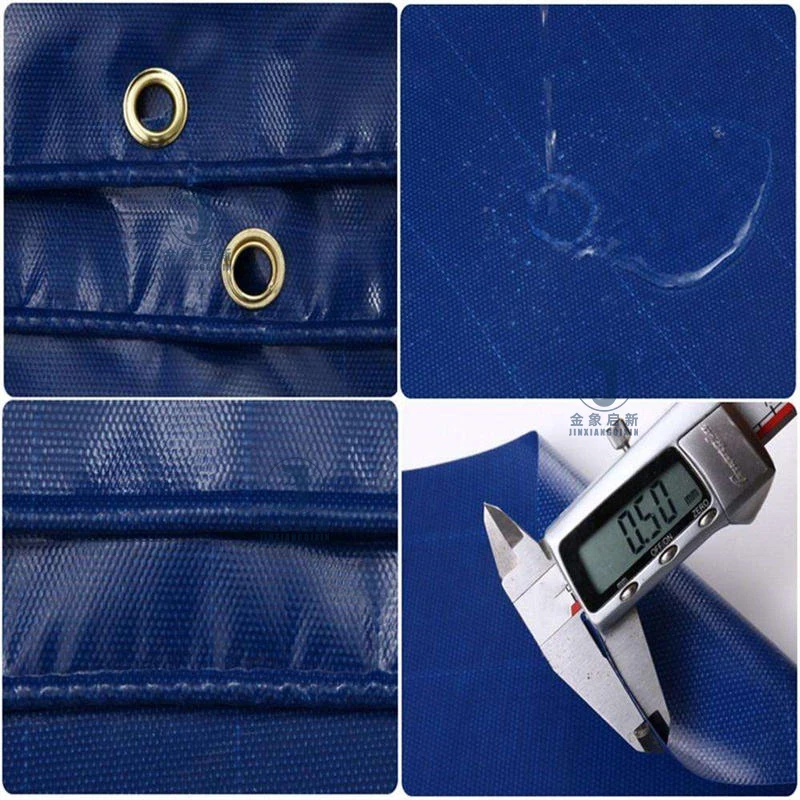
| Total Thickness | 0.32mm / 0.35mm / 0.4mm / 0.45mm / 0.5mm / 0.65mm (available as product family options) |
| Roll Width | 2m / 2.1m |
| Roll Length | 75m (2m width) / 50m (2.1m width) |
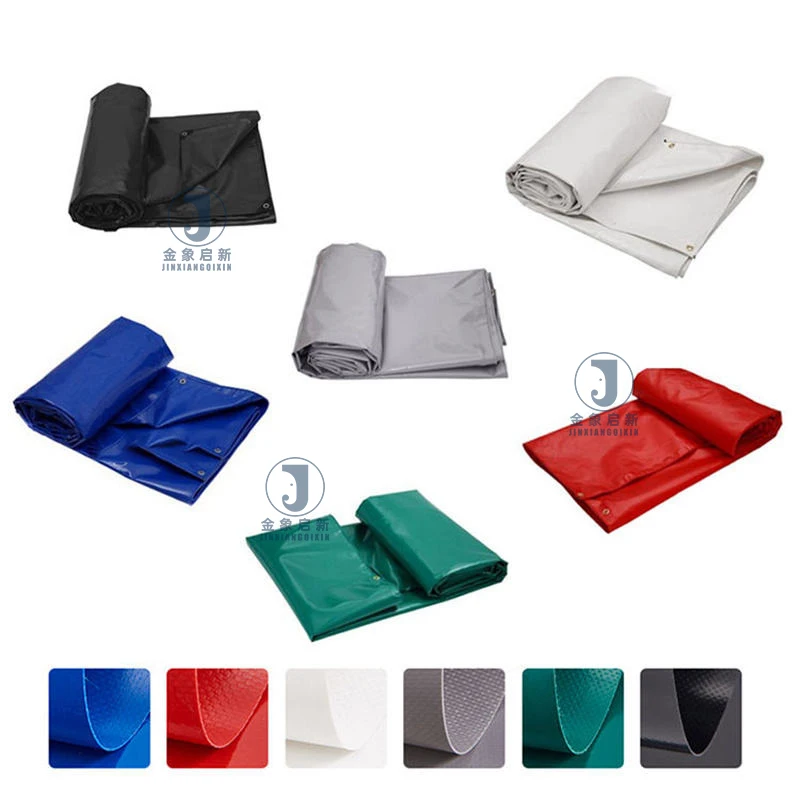
| Colours Available | Blue, Red, Yellow, Light blue, Grey (custom colours available) |
| Key Features | Waterproof, cold crack resistance, anti-mildew, anti-static treatment, sunproof, high tearing strength for welding, best color fastness |
| Special Treatments | Flame retardant, anti-static, anti-cold, anti-mildew, 3P — confirm the grade required for your market |
| Standards | ISO, CE certified production |
Application Suitability
| Application | Exposure & Requirement |
|---|---|
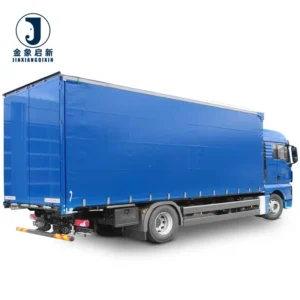
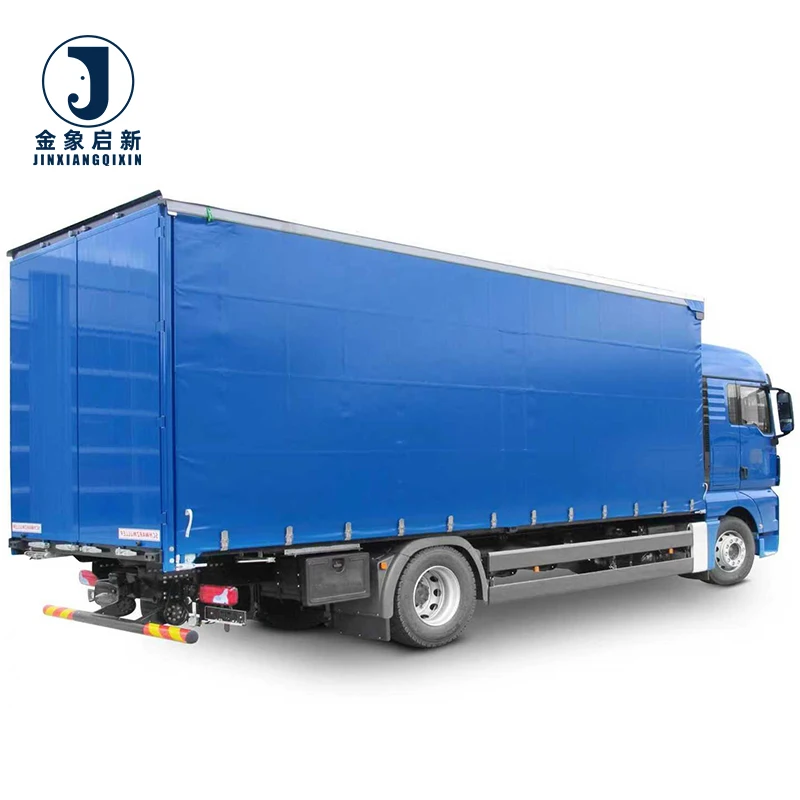
| Truck side curtain fabric | Continuous flexing at load shift points, road debris abrasion, sustained UV and weather exposure |
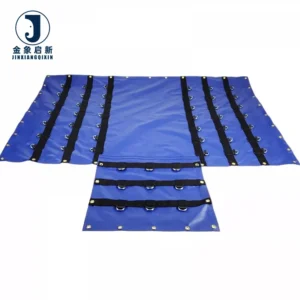
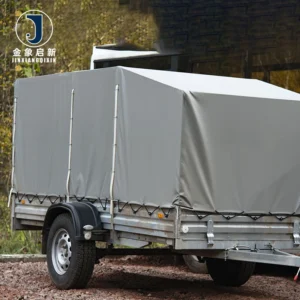
| Trailer flatbed covers | Tie-down strap pressure, wind flap fatigue, water ingress prevention over long hauls |
| Cargo ship deck covers | Salt spray, heavy weather, large-span coverage requiring heat-welded panel joins |
| Tent and awning manufacturing | Roll-to-roll colour consistency, clean surface for printing, reliable heat-weld seams |
| Inflatable structure fabric | Air-holding seam integrity, repeated inflation-deflation cycles, outdoor weathering |
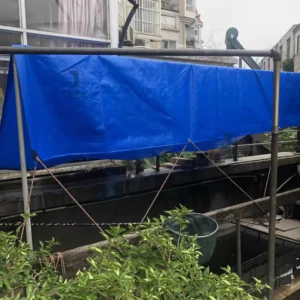
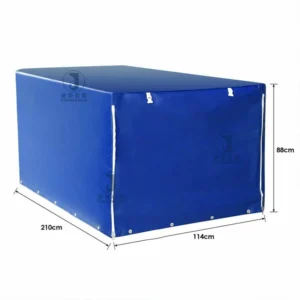
| Construction enclosure | Scaffolding wind load, dust containment, temporary weather protection on active sites |
Why Roll-to-Roll Colour Variation Costs More Than the Fabric Itself
Colour deviation across rolls in one container load means visible panel mismatch once installed side by side.
When a transport fleet or tent manufacturer orders multiple rolls of PVC Coated Tarpaulin roll in the same colour, even slight batch variation becomes obvious after fabrication and installation. The customer sees the defect, not the supplier — and the cost of rework, return shipping and reputational damage far exceeds the original material savings. Batch dye-lot control is not an optional extra in wholesale coated fabric; it is the baseline for any distributor or fabricator selling finished products under their own name. [NEED_CITE: color fastness and batch consistency testing methods for coated textiles]
How Bulk Colour Matching Is Maintained Across Production Runs
Colour consistency in PVC Coated Tarpaulin roll production depends on controlling pigment concentration at the compounding stage and verifying shade accuracy before each coating run. The hot-melt coating technology used here allows tight control over coating weight distribution, which directly affects how colour presents on the finished surface. Every production run references a master colour standard, and rolls are grouped by dye-lot to ensure that all units within a single order ship from the same batch. This is essential for wholesale buyers who split containers across multiple end customers.
Coating Weight Verification at Every Production Stage
The difference between a 550gsm roll and a 500gsm roll is not always visible to the eye, but it shows up quickly in tensile performance and service life. Coating weight is verified at the lamination and hot-melt coating stage, not only at final inspection. In-process checks catch drift before an entire roll is produced off-specification. For buyers purchasing by the container load, this level of in-line QA means the GSM stated on the quotation is the GSM that arrives at the warehouse — verified by pre-shipment inspection records accompanying every roll. [NEED_CITE: ISO 1421 tensile and tear test methods for coated fabrics]
Reading the Specification Sheet Beyond GSM
GSM alone tells you nothing about how the base fabric and coating interact under stress. A heavy coating on a low-denier polyester mesh may achieve the target weight but deliver poor tear propagation resistance. The high-strength polyester mesh fabric used as the base here provides the structural backbone, while the PVC coating contributes waterproofing, UV shielding and surface durability. Total thickness — ranging from 0.32mm to 0.65mm across the available grades — reflects the combined build of base and coating. Hot-melt coating technology produces stronger adhesion between layers than simple lamination, which matters when fabricated panels are heat-welded at the seams. Welded joints on laminated fabrics can delaminate under flex load if the coating-to-yarn bond is weak, whereas hot-melt bonded coatings tend to fail cohesively within the coating itself, giving a more predictable and repairable failure mode.
What Happens When the Weld Fails Before the Fabric
In truck curtain and tent fabrication, the seam is often the first point of failure — not because the fabric is weak, but because the welding parameters were set for a different coating type or thickness. Hot-melt coated PVC Tarpaulin requires specific temperature and dwell-time settings to achieve full fusion without burning through the coating layer. If a fabricator uses settings calibrated for a lighter grade or a different coating method, the weld may appear sound visually but separate under the cyclic flexing that truck side curtains experience daily. This is why supplying fabrication guidance alongside the material specification is part of the wholesale process, not an afterthought. [NEED_CITE: heat welding parameters for PVC coated polyester fabrics]
Why Sourcing Here Makes Sense for Volume Buyers
Three full production lines running 36 sets of professional equipment provide the throughput needed to fill container orders without compressing quality checks. The ten-person R&D team develops custom colour matches, width specifications and sample rolls within days rather than weeks. Every roll undergoes dedicated QA/QC at each production stage, with full pre-shipment inspection before dispatch. The coating process control built up over decades of focused production means that GSM, colour and coating adhesion stay within tolerance across the entire order — the three variables that matter most when you are redistributing rolls to multiple downstream customers.
Documentation & Verification
- Material specification sheet stating exact GSM, base fabric denier and coating method for each roll
- Pre-shipment inspection record with weight verification per roll against the stated specification
- Test reports for flame retardant and anti-static grades where applicable — confirm the grade required for your market
- Roll packing list detailing dye-lot numbers, dimensions and net weight per unit
- Certificate of origin and customs documentation prepared per destination country requirements
- ISO and CE production certification available for buyer audit and compliance filing
Fabrication, Handling & Storage
- Heat-weld seams using parameters matched to the specific GSM and hot-melt coating type of your roll
- Store rolls upright on pallets to prevent flat-spot deformation of the PVC coating surface
- Allow cold-stored rolls to acclimatise before unrolling to avoid coating crack at low temperature
- Use polyester-compatible thread and needle sizes when sewing hems on heavier GSM grades
- Clean fabricated covers with mild detergent — avoid solvents that attack the PVC coating surface
- Plan panel cuts from 2m or 2.1m widths to minimise offcut waste and reduce weld seam count
How to Specify Your Roll Order Accurately
To get a quotation that matches your actual production needs, provide the target GSM or thickness, the roll width and length you prefer, and the colour reference or Pantone code if custom colour is required. If your end application demands flame retardant or anti-static certification for a specific market standard, state the required grade so the correct treatment is applied and documented. Let us know whether you need rolls only or finished cut-to-size panels, and whether sample approval is required before bulk production runs.
Frequently Asked Questions
Q: How is GSM verified before the rolls leave the factory?
A: Coating weight is checked at each production stage using calibrated measurement, and every roll is weighed and recorded in the pre-shipment inspection report. This document travels with your shipment so you can cross-reference the actual GSM against your purchase order on arrival, eliminating the common problem of material arriving lighter than the quotation stated.
Q: Can you guarantee colour consistency across multiple rolls in a single order?
A: All rolls within one order are produced from the same dye-lot batch and checked against the approved colour standard before packing. Rolls are grouped and labelled by batch in the packing list, so if you are distributing to multiple customers, each recipient receives material from a single consistent production run.
Q: What is the minimum order for custom width or colour?
A: Custom widths and Pantone-matched colours are available with minimums that vary by specification. The 2m and 2.1m standard widths ship in full container loads with short lead times. For non-standard widths or colours, submit your requirement with annual volume estimate so we can confirm the minimum run and production schedule.
Q: How should rolls be loaded for container shipping to avoid damage?
A: Rolls are packed upright on pallets to prevent crushing and surface deformation. The packing list details roll count, dimensions and weight so your logistics team can plan container loading. Standard 2m by 75m and 2.1m by 50m roll formats are optimised for efficient container space utilisation across 20-foot and 40-foot units.
Q: Do you supply test reports with flame retardant or anti-UV treated material?
A: Test reports are provided for flame retardant and anti-static grades where the specific treatment level is confirmed at order stage. Buyers must specify the standard required for their destination market — such as the applicable fire classification — so the correct treatment is applied and the matching documentation is issued with the shipment.