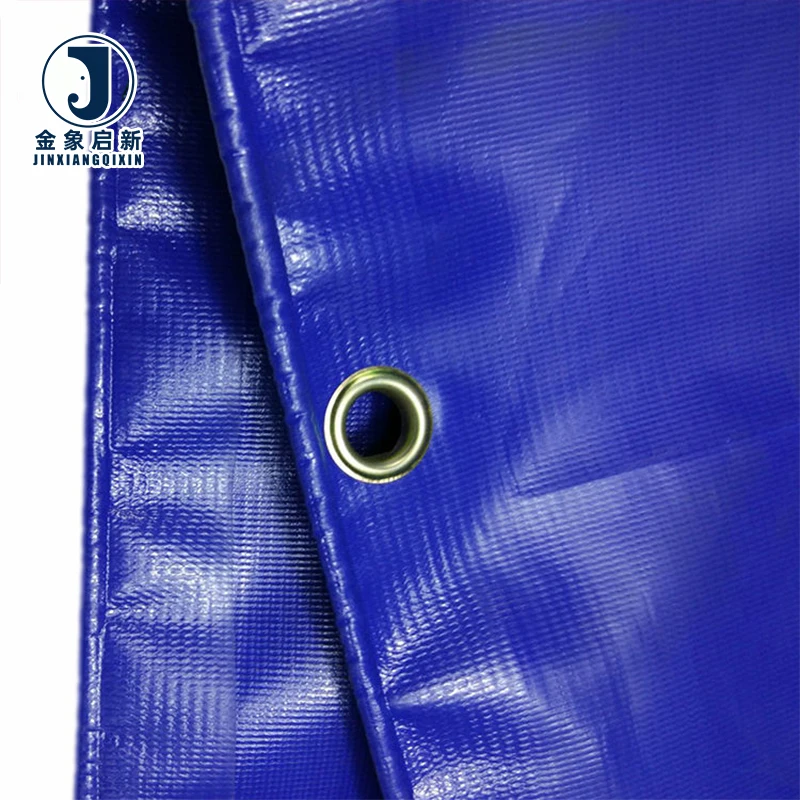
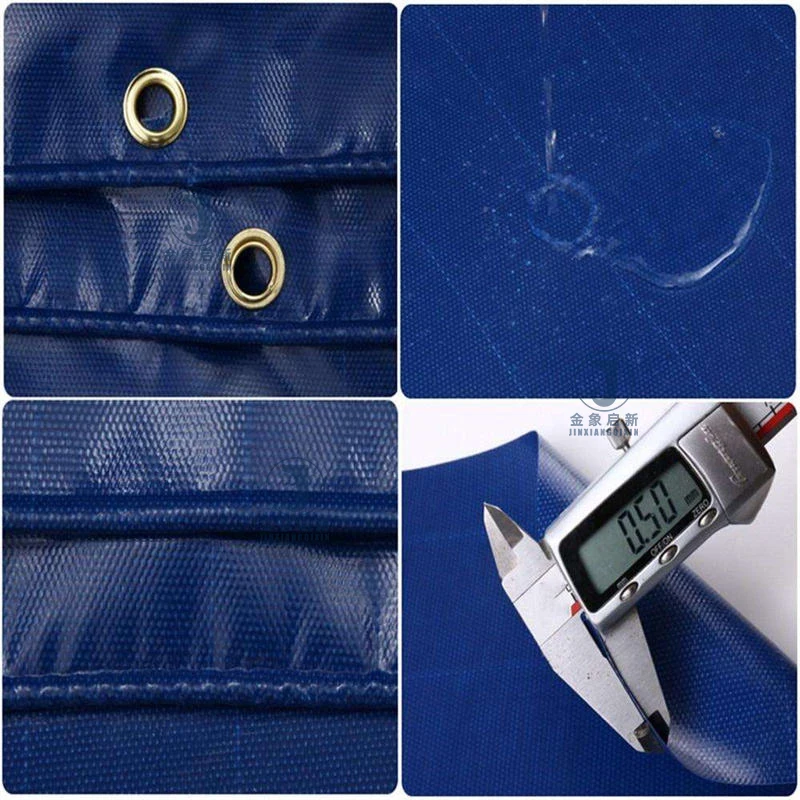
Description
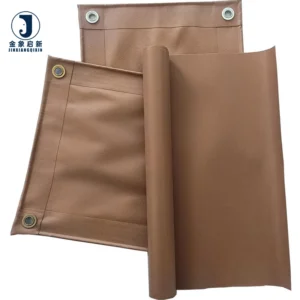
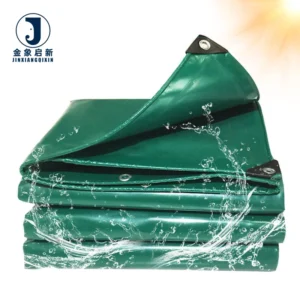
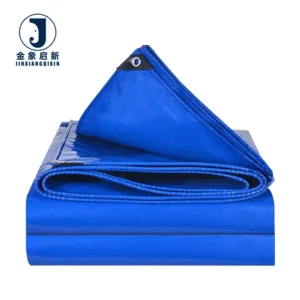
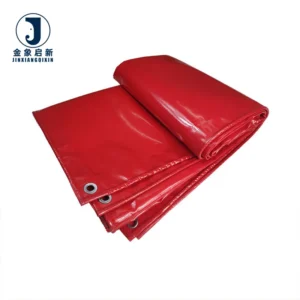
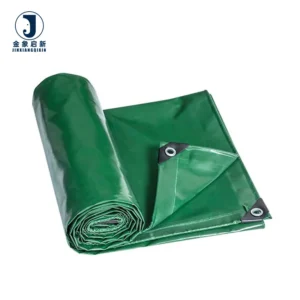
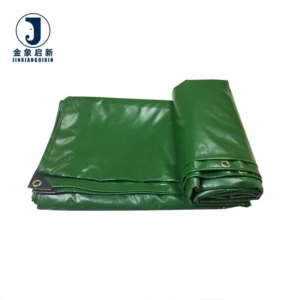
Roll-to-Roll Consistency — Every roll of PVC coated tarpaulin weighed and checked against the ordered GSM grade before it leaves the line, so your container arrives with uniform weight and colour across all rolls.
Technical Specifications
| Parameter | Value |
|---|---|
| Product Type | PVC Coated Tarpaulin |
| Weight Range | 250gsm–1500gsm (confirm grade per order line) |
| Base Fabric Denier | 200D×300D / 500D×500D / 840D×840D / 1000D×1000D |
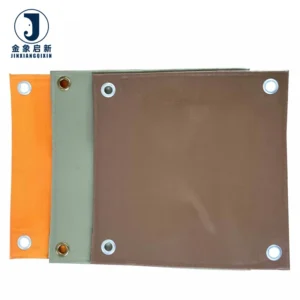
| Surface Finish | Glossy or matte |
| Temperature Range | -15ºC to 70ºC |
| Waterproof | Yes |
| UV Treatment | Available — confirm the grade required for your market |
| Flame Retardant | Available in flame retardant grades — confirm the grade required for your market |
| Anti-Fungal | Treated (standard not stated) |
| Environment | Eco-friendly |
| Working Life | 3–10 years depending on usage environment |
| OEM / ODM | Accepted |
Application Suitability
| Application | Exposure & Requirement |
|---|---|
| Tarpaulin distributor bulk stock | Warehouse racking, container loading efficiency, roll-to-roll colour match for downstream resale |
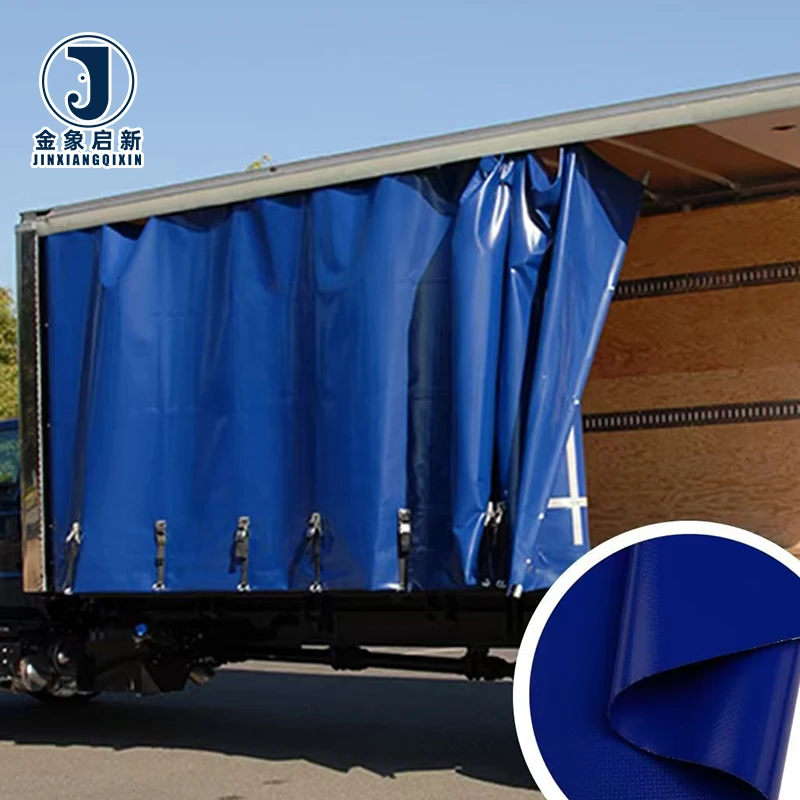
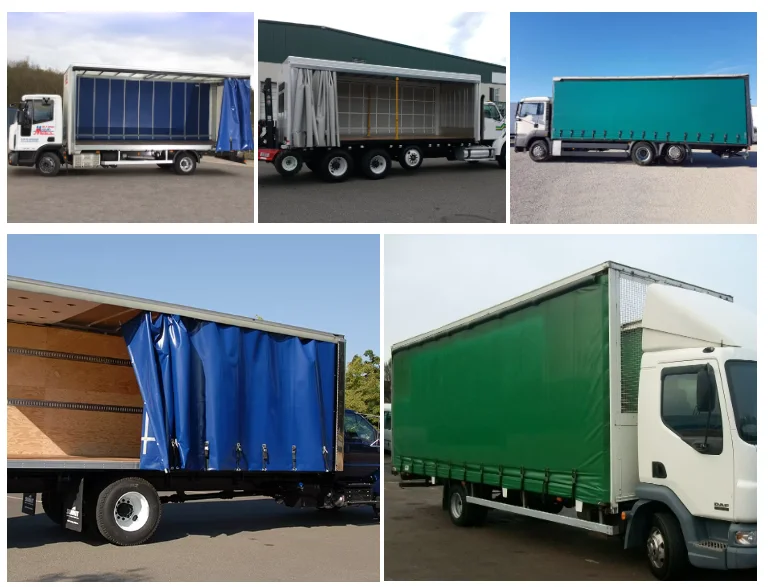
| Transport equipment builder — side curtains | Constant flexing at curtain runners, road spray abrasion, UV from parked yard exposure |
| Fleet operator — lorry curtain replacement | Daily tension cycles from tie-down straps, cold-start cracking in winter months, weld seam integrity under load movement |
| Trailer manufacturer — new build curtain stock | Consistent width and GSM across multiple rolls for uniform panel cutting and automated welding |
Why the Quoted GSM Does Not Match What Arrives on Your Dock
The roll you ordered and the roll you received should weigh the same — verification starts before packing, not after delivery.
Buyers frequently report that PVC coated tarpaulin roll stock arrives lighter than the grade stated on the quotation. The discrepancy is not always deliberate — coating weight can drift during long production runs, and some suppliers quote the peak achievable GSM rather than the minimum guaranteed across the roll. When material arrives underweight, the tensile reserve shrinks, weld seams fail earlier than expected, and customers downstream reject the finished product. [NEED_CITE: coating weight deviation and its impact on tensile performance per ISO 1421]
Buying by the Roll — What Consistency Actually Means in Practice
When a distributor orders ten rolls of PVC coated tarpaulin at the same GSM and colour, every single roll must fall within a tight weight band and show no visible shade shift when unrolled side by side. A slight variation in coating thickness between the first roll and the last roll in a production run can produce a colour difference that becomes obvious once the material is cut and installed on adjacent trailers. This is why in-process weight checks matter more than a single sample taken from the lead roll.
Container Loading and Roll Count Planning for Bulk Orders
A buyer ordering wholesale PVC coated tarpaulin needs to know exactly how many rolls fit in a 20-foot or 40-foot container, what the total net weight will be, and whether the rolls will travel vertically or horizontally. Roll diameter, core length and packing orientation all affect how many linear metres of fabric land at your warehouse per shipment. Miscalculation here means either paying for half-empty container space or placing a second order weeks later to cover the shortfall.
How GSM, Denier and Coating Weight Interact to Define Real Performance
The stated GSM of a PVC coated tarpaulin combines two separate contributions: the base fabric weight and the coating weight applied to both sides. A 900GSM roll built on a 1000D×1000D base with moderate coating will behave very differently from a 900GSM roll built on a 500D×500D base with heavy coating. The higher-denier base provides greater tear resistance because the yarns themselves are thicker, while heavier coating adds stiffness and waterproofing but can make the fabric harder to fold and weld. Surface finish — glossy or matte — also affects how the material handles fabrication: glossy surfaces tend to release more easily from heat-seal platens, while matte finishes offer better friction for curtain runners and strap contact points. The temperature range of -15ºC to 70ºC defines the operational envelope where the PVC coating remains flexible without becoming brittle or overly soft. Below the lower limit, the plasticiser in the coating loses mobility and the fabric risks cracking at fold lines. [NEED_CITE: relationship between denier count, coating ratio and tear propagation in PVC coated fabrics]
The Hidden Cost of Choosing the Wrong Roll Specification
Specifying a lighter denier base to save on material cost creates a downstream risk: when the tarpaulin is cut and welded into truck curtains, the seam strength is limited by the weaker base yarns rather than the coating bond. Once a curtain enters daily service, repeated flexing at the weld line — the exact point where load movement concentrates stress — can cause the seam to split while the body of the fabric remains intact. Similarly, ordering a single large batch without specifying a colour reference per roll can result in shade variation that forces the fabricator to sort and match panels manually, adding labour hours and delaying shipment of finished curtains. [NEED_CITE: weld seam failure analysis in coated technical textiles]
What Sets This Roll Stock Supply Apart for Bulk Buyers
Three full production lines running dedicated coating operations mean that large container-load orders of PVC coated tarpaulin can be completed within a single production window, reducing the risk of batch-to-batch variation that arises when orders are split across multiple runs. A 10-person R&D team handles colour matching and sample development within days, allowing buyers to approve shade and finish before full production begins. Every roll undergoes individual weight verification at the end of the line, not just a statistical sample, ensuring that the GSM stated on the roll label matches the material inside. Pre-shipment inspection covers colour consistency roll by roll, and packing lists detail roll count, net weight and container loading plan so the buyer can verify the shipment before it reaches port.
Documentation & Verification
- Material specification sheet stating GSM, base denier and coating weight per roll batch
- Pre-shipment inspection record confirming roll-to-roll weight and colour consistency
- Roll packing list with individual roll count, net weight and container loading diagram
- Certificate of origin and full customs documentation for international freight
- UV and flame retardant test reports where applicable — confirm grade with supplier before ordering
Fabrication, Handling & Storage
- Heat-weld at moderate temperature; the PVC coating on this tarpaulin bonds well but high-denier bases need longer dwell time
- Store rolls vertically on pallets to prevent flat spots that cause creasing across the full width
- Allow cold-stored rolls to reach ambient temperature before unrolling to avoid coating micro-cracking
- Clean glossy-finish rolls with mild detergent only; solvent-based cleaners can strip the surface plasticiser
- Plan cutting layout around roll width to minimise off-cuts and reduce the number of welded panel joins
- Reinforce eyelet positions with additional PVC patches where strap tension concentrates load on the curtain hem
What to Include in Your Bulk Enquiry
Provide your target GSM, preferred denier construction and the quantity of rolls required so that production can be planned in a single continuous run. Specify colour references and whether glossy or matte finish is needed for your fabrication process. Indicate the destination market so that any required fire classification or UV test certification can be matched to the correct regional standard before sampling begins.
Frequently Asked Questions
Q: How is GSM verified per roll and what documentation accompanies shipment?
A: Each roll is individually weighed after production and the result is recorded against the ordered GSM grade. A pre-shipment inspection report listing roll-by-roll weight accompanies the consignment, along with a packing list detailing roll count and net weight so you can cross-check on arrival without needing to re-weigh the entire container load.
Q: How do you ensure colour consistency across multiple rolls in the same order?
A: All rolls in a single order are produced within the same production window using the same coating batch. Rolls are compared side by side during pre-shipment inspection for shade uniformity. For critical colour matching, a signed-off sample roll serves as the reference standard against which every production roll is visually checked.
Q: What stock widths and roll lengths are available for bulk orders?
A: Standard widths and roll lengths are held for common grades, but custom width and length can be produced to order. MOQ and lead time vary with the degree of customisation — confirm your required dimensions and annual volume at enquiry stage so the production team can advise container loading efficiency.
Q: What are the MOQ and lead time for custom width, colour or print orders?
A: Minimum quantities depend on the level of customisation requested. Standard colour rolls in common widths carry lower thresholds, while custom Pantone colours or printed branding require dedicated coating runs with longer preparation time. Request a sample first to approve shade and finish before committing to full production volume.
Q: How are rolls packed and loaded to maximise container utilisation?
A: Rolls are packed in cartons or bales depending on the roll diameter and destination handling requirements. A loading plan is prepared showing roll orientation, count per container and total net weight so you can confirm utilisation before dispatch and avoid paying freight on unused container space.