Description
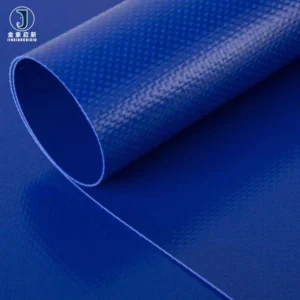
Coated Fabric Roll Consistency — Every batch of PVC coated tarpaulin is inspected roll-by-roll for GSM, colour match and coating weight before container loading, so fabricators cutting side curtains or truck roofs receive material that performs identically across the entire shipment.
Technical Specifications
| Parameter | Value |
|---|---|
| Product Type | PVC Coated Tarpaulin |
| Coating Material | PVC / Vinyl / Laminated |
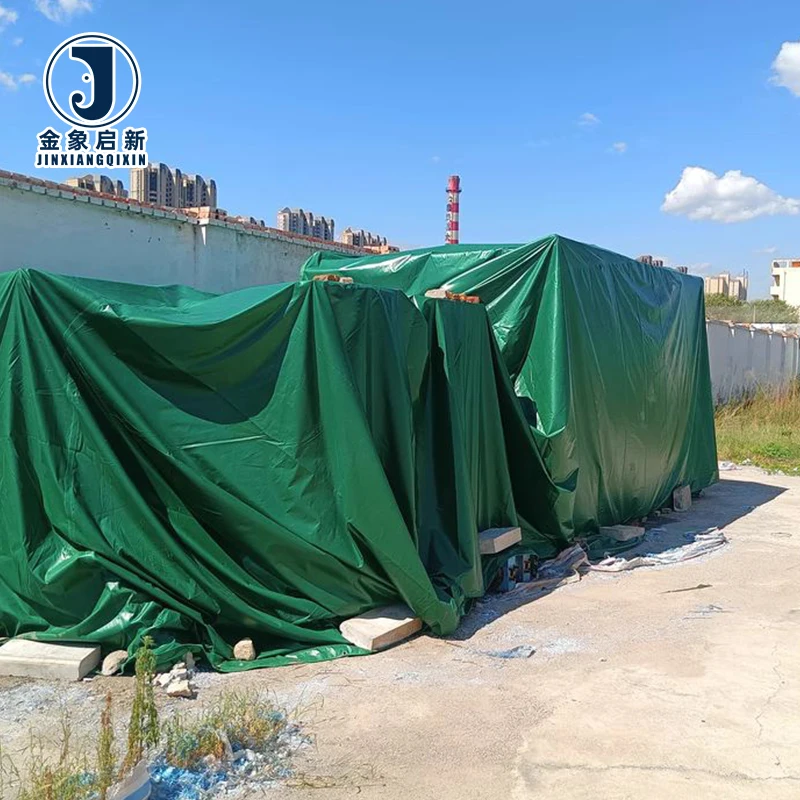
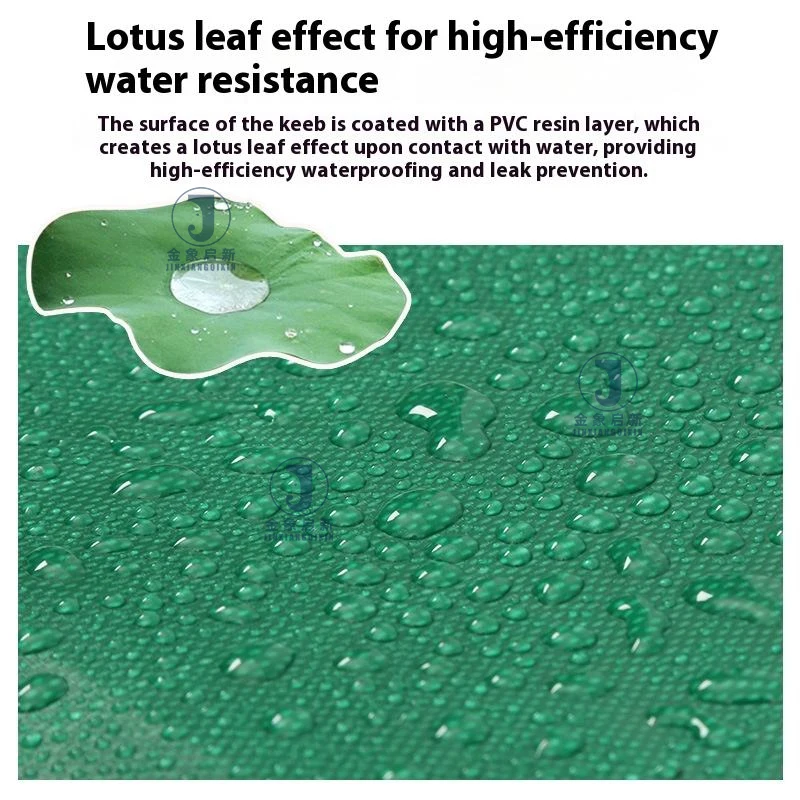
| Water Resistance | Fully waterproof, protects against water and mildew |
| UV Protection | Anti-UV treatment available — confirm grade required for your market |
| Flame Retardant | Flame retardant treatment available — confirm grade required for your market |
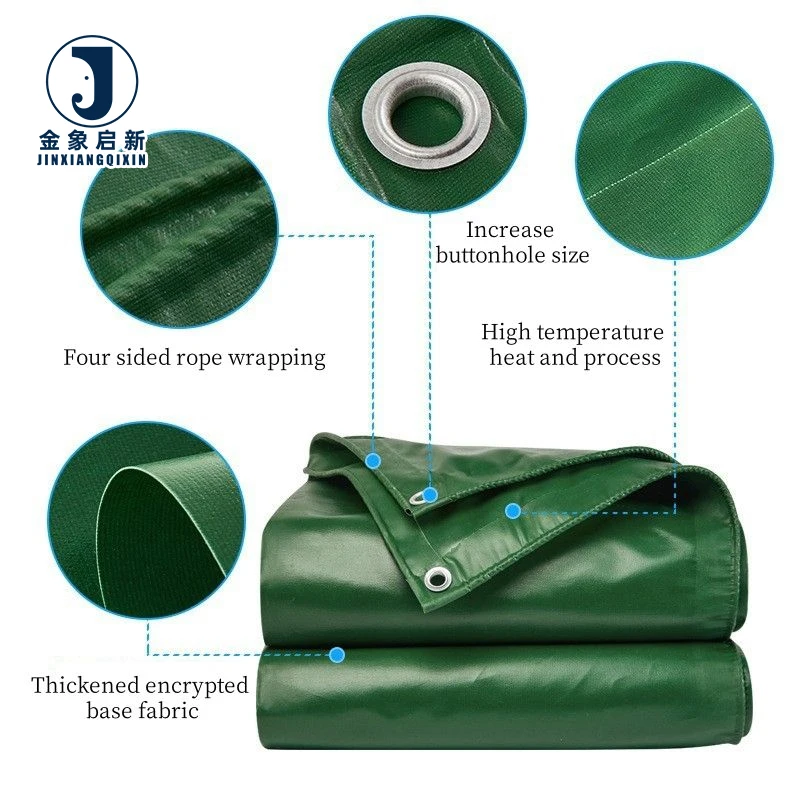
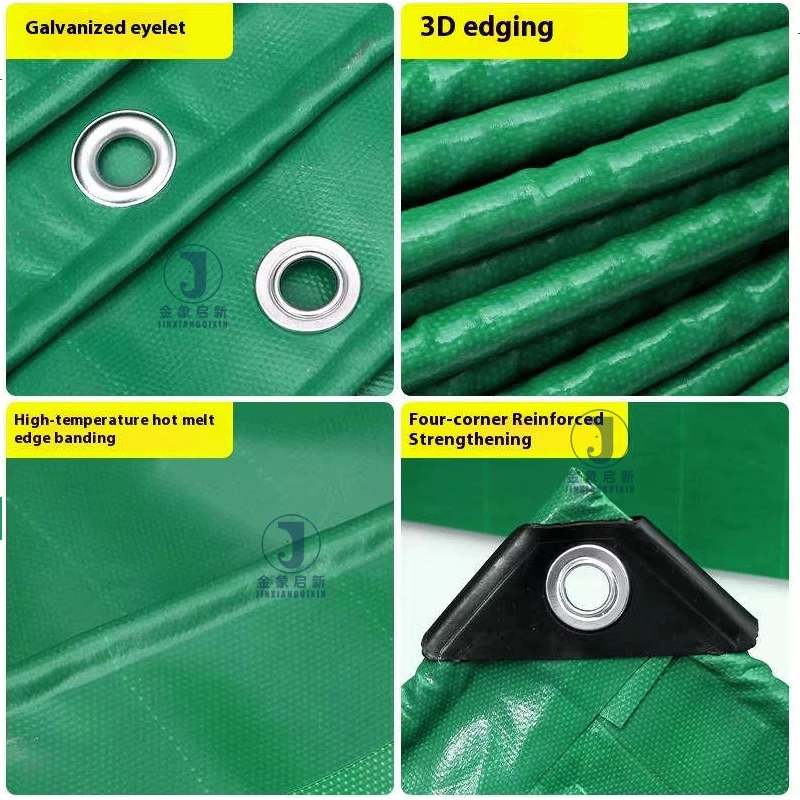
| Surface Finish | Double-faced construction for uniform strength on both sides |
| Colour Options | Multiple colours available for fleet branding |
| Customisation | Custom width and length available |
Application Suitability
| Application | Exposure & Requirement |
|---|---|
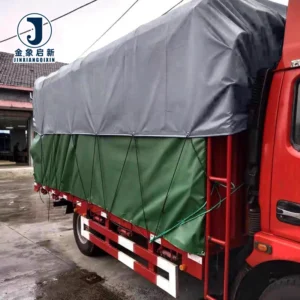
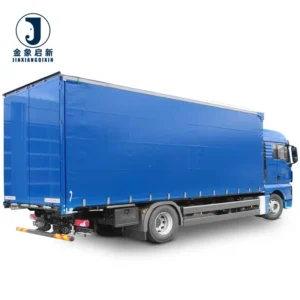
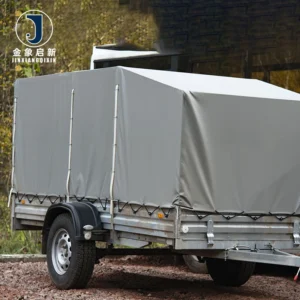
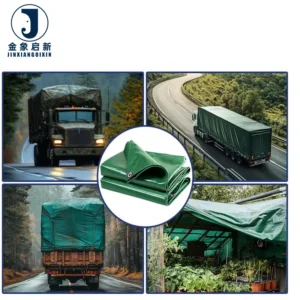
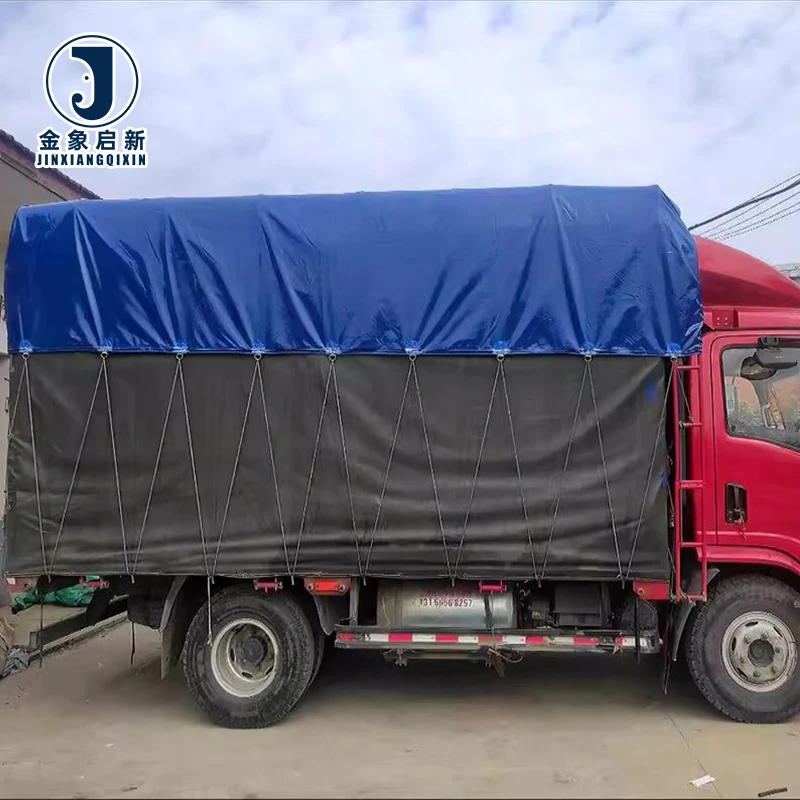
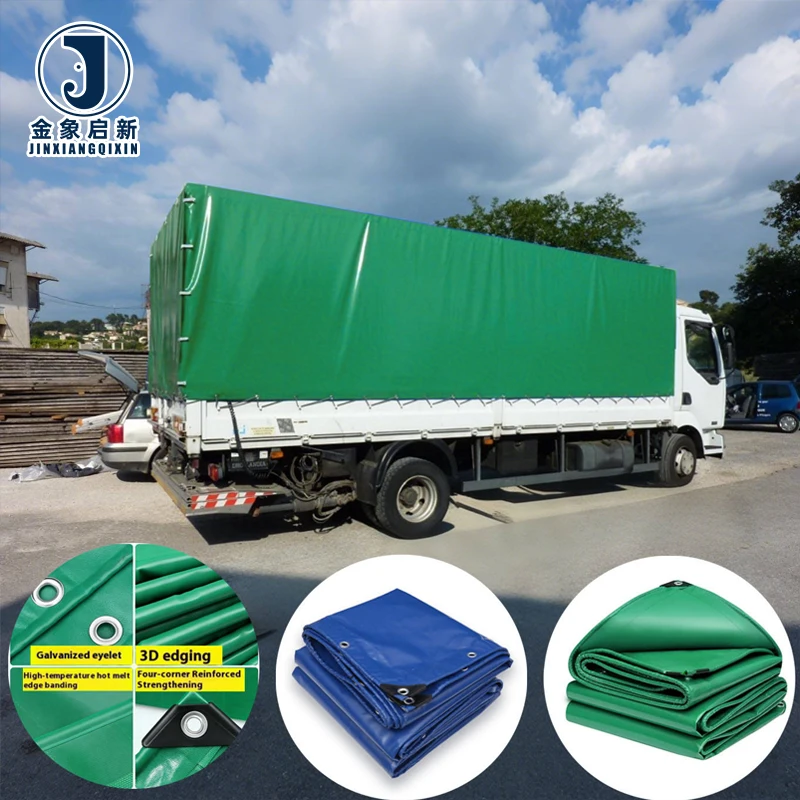
| Truck and trailer side curtains | Constant flexing at load points, road abrasion, prolonged UV exposure, wind flap fatigue |
| Top roof truck covers | Direct sunlight, rain pooling, thermal cycling, tie-down strap abrasion |
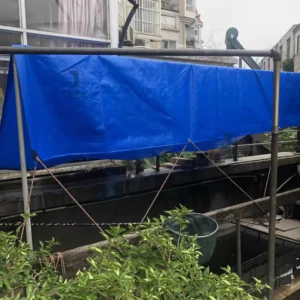
| Pallet and equipment covers from roll stock | Warehouse stacking, forklift contact, outdoor yard storage, repeated deployment |
| Outdoor event tents and awnings (block-out) | Crowd proximity, UV and rain exposure, structural wind load, temporary rigging |
| Inflatable castles and water tanks | Repeated inflation cycles, internal air pressure, ground contact abrasion |
Why Colour Shift Between Rolls Costs Fabricators More Than the Fabric Itself
Batch colour consistency is verified before dispatch, not discovered on the customer’s cutting table.
When a fleet operator orders twenty PVC coated truck tarpaulin rolls for a trailer refurbishment programme, the side curtains are installed next to each other across the entire vehicle. If one roll sits half a shade off from its neighbour, the mismatch becomes visible from the roadside — and the fabricator either re-cuts from a different batch at their own cost or delivers a truck that looks patched together. This kind of colour drift is rarely a coating chemistry problem. It is almost always a production scheduling issue where rolls from different kettle batches get mixed into one container [NEED_CITE: colour consistency control methods in PVC coated fabric production].
Roll Stock Purchasing for Truck Cover Fabrication
Fabricators who buy PVC coated truck tarpaulin by the roll need predictable yield from every unit they slit and weld. The double-faced construction of this PVC coated tarpaulin means either side can face outward during installation, which reduces waste when cutting panels for side curtains and roof sections — offcuts that would otherwise be discarded due to a single exposed face can be repurposed for smaller covers and gusset pieces.
Ordering by Container Load and Volume
Bulk buyers planning a full container order benefit from roll packing lists that detail the count, individual weight and linear metre total per roll. This level of detail allows importers and distributors to allocate stock to downstream customers before the vessel arrives, and it supports container loading plans that balance weight distribution across the floor [NEED_CITE: container loading best practices for coated fabric rolls in ocean freight].
How GSM and Base Fabric Density Work Together
GSM is often treated as the single measure of tarpaulin quality, but the figure combines base fabric weight and coating weight into one number. A PVC coated tarpaulin can achieve a high GSM through heavy coating on a light base cloth, which gives stiffness and water resistance but does not necessarily deliver high tensile or tear strength. Conversely, a tightly woven high-denier base with a thinner coating may weigh less overall while outperforming a heavier product at the flex points where truck side curtains fold repeatedly. When reviewing a specification sheet, buyers should look at the base fabric denier and weave density alongside the stated GSM rather than relying on weight alone [NEED_CITE: relationship between GSM, base fabric density and tensile strength in PVC coated fabrics per ISO 1421].
The Hidden Cost of Welded Seams Failing Before the Fabric
On truck and trailer covers, the greatest mechanical stress occurs not in the middle of a panel but at the welded seams where the load flexes during transit. If the PVC coating weight or formulation does not support a consistent heat weld, the seam delaminates or cracks while the surrounding fabric remains intact. Fabricators who have experienced this failure know that the repair cost — call-out, re-weld, possible full panel replacement — far exceeds any saving made by choosing a lower-priced roll. Weld performance should be evaluated on sample material before committing to a production order, using the same heat and pressure settings intended for the full run [NEED_CITE: high-frequency and hot-air weld strength testing for PVC coated tarpaulins].
Buying PVC Tarpaulin Roll Stock with Process Backing
Nearly thirty years of continuous coated fabric production informs the coating weight control on every PVC coated truck tarpaulin roll that leaves the facility. Three full production lines with thirty-six sets of professional equipment provide the capacity to fill container orders without splitting batches across different machines, which is where colour and GSM drift typically originate. The ten-person R&D team supports sample development within days when custom colours or widths are required, allowing fabricators to approve material before the production run begins. Dedicated QA and QC staff inspect coating weight and colour at every production stage rather than relying on a single final check, and the pre-shipment inspection covers one hundred percent of rolls against the stated specification.
Documentation & Verification
- Material specification sheet stating GSM, base fabric type and coating formulation for every roll shipment
- Pre-shipment inspection record with per-roll weight and colour check before container loading
- Roll packing list detailing count, weight and linear metres for container planning
- Certificate of origin and customs documentation included with each export dispatch
Fabrication, Handling & Storage
- Set hot-air weld temperature and speed on sample material first, as PVC coating formulation affects bond strength
- Allow rolls to acclimatise to workshop temperature before unrolling to prevent creasing in cold-weather delivery
- Store PVC coated tarpaulin rolls upright on end caps to prevent flat-spot deformation of the coating surface
- Clean double-faced PVC surfaces with mild detergent only — solvent-based cleaners can soften the coating layer
- Plan panel cutting layout around standard roll widths to minimise offcut waste and cross-panel weld seams
Before You Send an Enquiry
To help us recommend the right PVC coated truck tarpaulin specification for your fabrication or distribution needs, please share the trailer models or cover sizes you are producing, your target annual volume and preferred roll width, and any colour or fleet branding requirements. If your market mandates a specific flame retardant grade or UV performance level, let us know so we can match the treatment and arrange test documentation accordingly.
Frequently Asked Questions
Q: How do you verify GSM on arrival against what was quoted?
A: Every roll undergoes weight measurement during our pre-shipment inspection, and the results are recorded on a per-roll inspection sheet included with your shipment documentation. If any roll falls outside the stated GSM tolerance, it is flagged before loading. We recommend buyers conduct their own verification on receipt using a calibrated scale and measured sample area.
Q: How do you control colour consistency across multiple rolls in one order?
A: Rolls for a single bulk order are produced in the same coating batch where possible, and colour is checked at every production stage by our QA team. A roll-by-roll colour comparison is performed before packing. If your project requires side-by-side installation across a fleet, we can arrange sequential roll numbering to support your cutting plan.
Q: What roll widths and lengths are available for container loading?
A: Standard and custom widths are available depending on production line configuration. Roll length can be specified to suit your cutting programme or container capacity. We provide a detailed roll packing list with count, weight and linear metres so you can plan container loading and downstream allocation before the shipment arrives.
Q: What is the MOQ and lead time for custom colour or width?
A: Custom colours and widths are supported by our R&D team with samples developed within days for your approval. Minimum order quantities and lead times vary with the specific colour, width and treatment combination. Share your requirements and we will provide a quotation with clear volume thresholds and production timelines.
Q: How are rolls packed and protected during ocean freight?
A: Each roll is individually wrapped and protected on end caps to prevent edge damage and surface abrasion during transit. Rolls are loaded in the container with weight distribution planned to avoid compression on lower layers. The roll packing list included in your shipping documentation details the packing arrangement for your records.