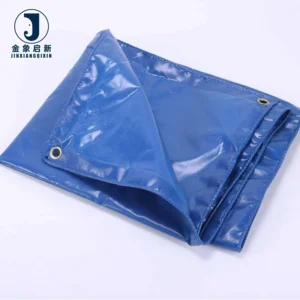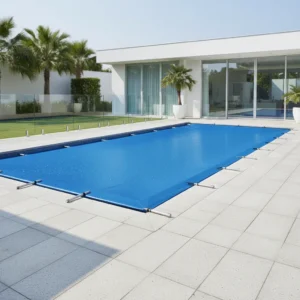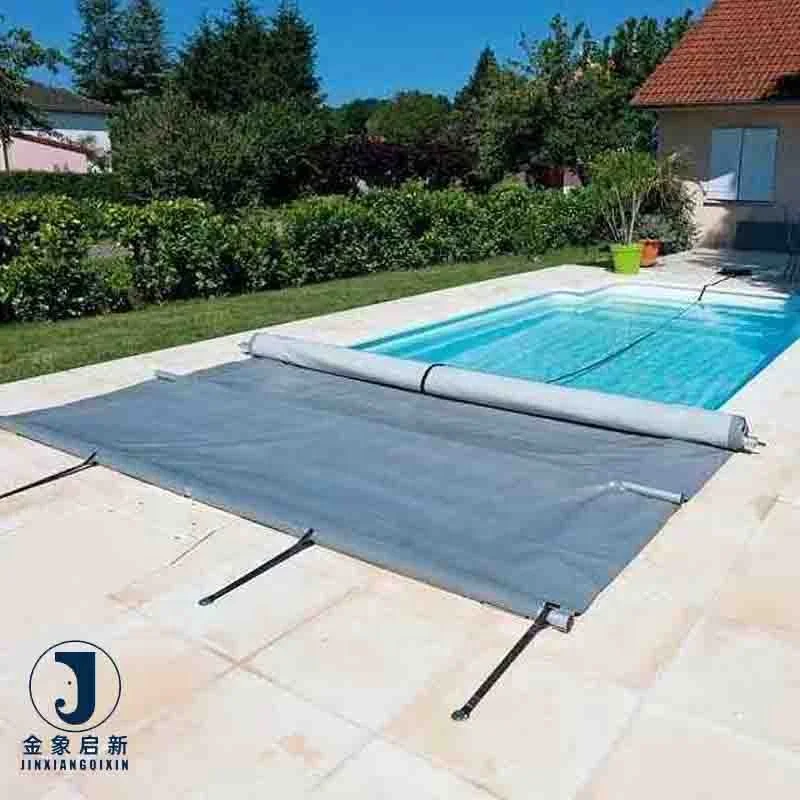
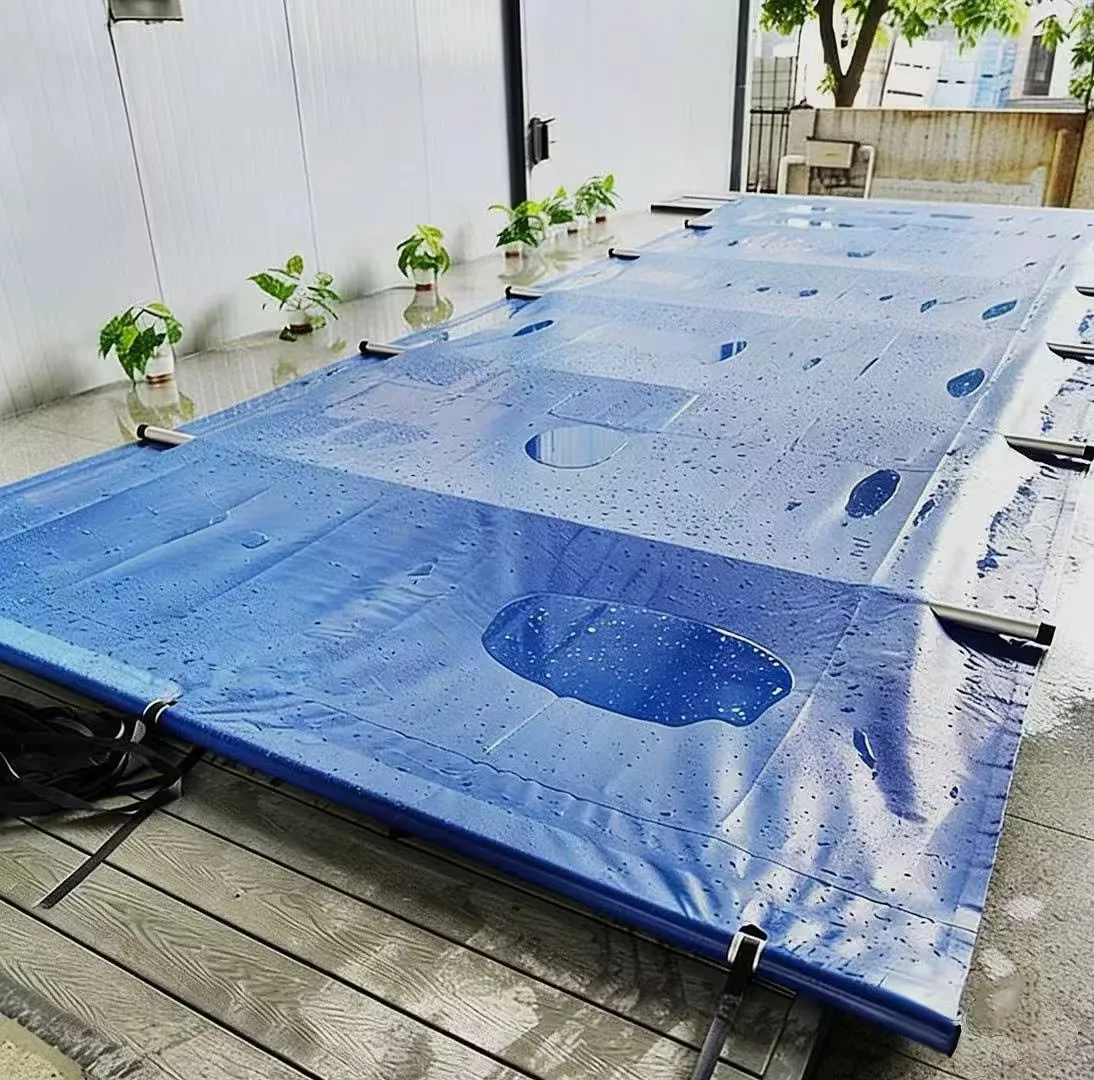
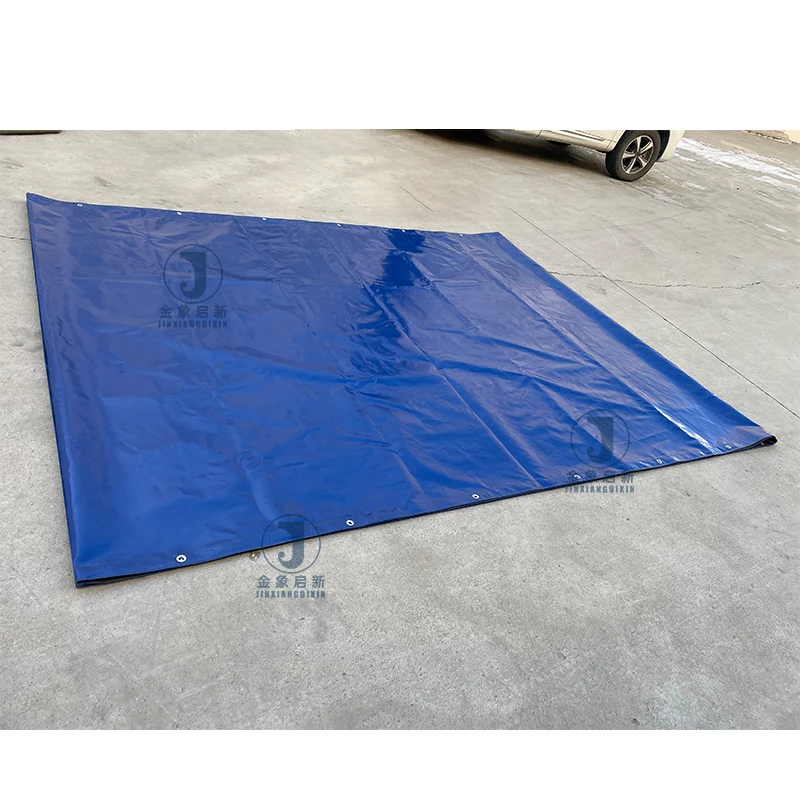
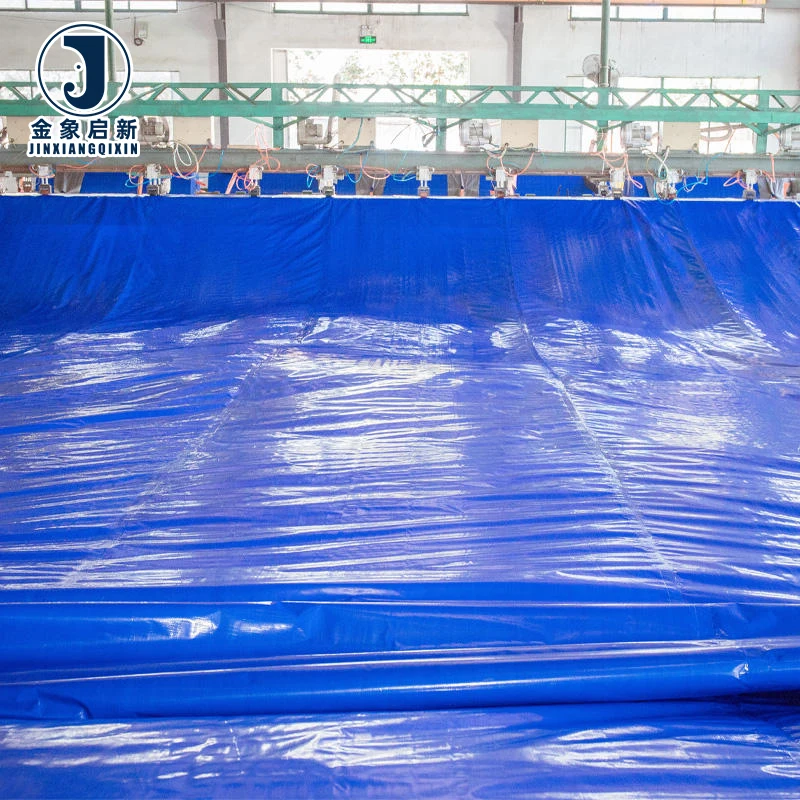
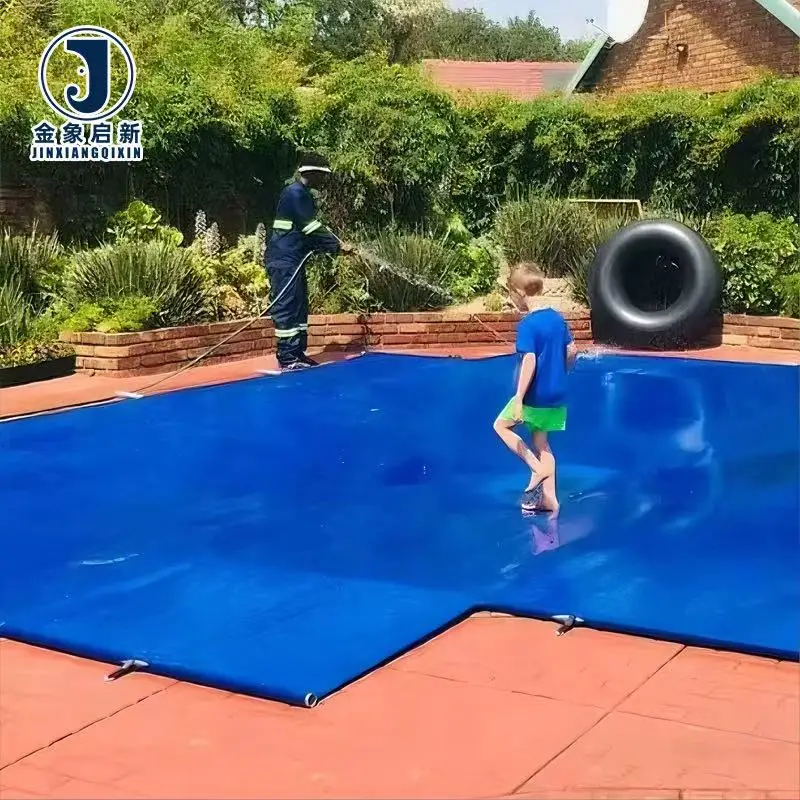
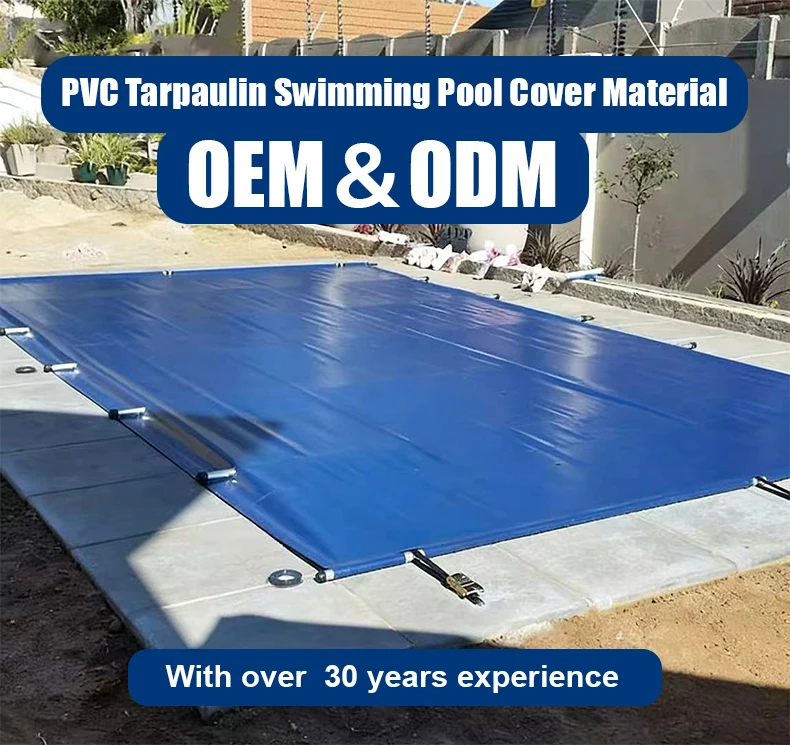
Description
Roll-to-roll consistency — Every PVC coated tarpaulin roll leaves the production line with documented GSM and coating weight, verified at the 100% pre-shipment inspection stage before container loading.
Technical Specifications
| Parameter | Value |
|---|---|
| Product Type | PVC Coated Tarpaulin |
| Material | PVC coating on high-strength polyester mesh fabric |
| Coating Method | Laminated technology & Hot-melt Coating technology |
| Weight Options | 350gsm / 420gsm / 500gsm / 550gsm / 600gsm / 750gsm |
| Thickness Range | 0.32mm / 0.35mm / 0.4mm / 0.45mm / 0.5mm / 0.65mm |
| Standard Roll Width | 2m / 2.1m |
| Standard Roll Length | 75m (at 2m width) / 50m (at 2.1m width) |
| Finish Product Size | Custom items as per customer’s needs, or sold by inventory |
| Color Options | Blue / Red / Yellow / Light blue / Grey (customized) |
| Key Features | Cold crack resistance, anti-mildew treatment, anti-static treatment, waterproof, sunproof, color fastness (grades available on request — confirm the grade required for your market) |
| Flame Retardant | Available as special treatment — confirm the grade required for your market |
| Standards | ISO 9001, CE |
Application Suitability
| Application | Exposure & Requirement |
|---|---|
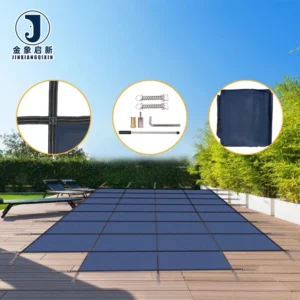
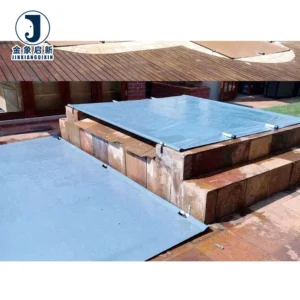
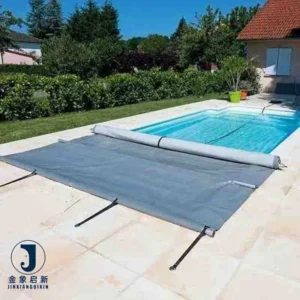
| Swimming pool covers | Prolonged water contact, chlorine vapour, UV exposure, seasonal temperature variation |
| Fish tank and aquaculture covers | Constant moisture, mildew-prone environment, puncture resistance during handling |
| Tent and awning covers | Wind load, repeated folding, UV exposure, colour retention over extended outdoor service |
| Truck awnings and cargo covers | Road debris abrasion, flexing at attachment points, weather exposure during transit |
| Tarpaulin distribution stock | Volume purchasing with batch consistency, resale across multiple end-use segments |
Why Weight Per Square Metre Matters More Than the Quotation Says
The GSM stated on a quotation can differ from what arrives on the dock — PVC coated tarpaulin roll wholesale buyers face this discrepancy regularly, and it affects downstream cutting yield and end-user performance. Specified GSM must be verifiable per roll, not assumed from a product family range.
When coating weight falls below the agreed specification, the fabric loses tensile capacity and the polyester mesh becomes more vulnerable to tear propagation under load. In pool cover applications, an underweight roll means thinner coating at the weld seams, where chlorine and moisture concentrate. I have seen converting operations lose an entire production run because the material behaved differently from the approved sample — the rolls were lighter, the hot-air weld parameters no longer matched, and seam strength dropped below acceptable levels. [NEED_CITE: tensile and tear test methods for coated fabrics per ISO 1421]
Roll Stock Consistency for Volume Converters
Tarpaulin distributors and pool cover fabricators purchasing PVC coated tarpaulin roll wholesale need every roll in a shipment to behave identically on the cutting table and the welder. This product range is produced on three full lines with 36 sets of professional equipment, giving the capacity to hold coating weight and colour within narrow tolerances across an entire container load. Laminated and hot-melt coating technologies both produce strong PVC-to-polyester adhesion, which matters when the rolls are later slit, welded, or fitted with eyelets at the converting stage.
Width and Length Configuration for Container Loading
Standard rolls ship at 2m × 75m or 2.1m × 50m, dimensions chosen to maximise container fill while keeping individual roll weights manageable for unloading without specialist equipment. For wholesale buyers building regional stock, predictable roll dimensions mean accurate container loading plans — you know the roll count and gross weight before the container is sealed. Custom widths are available for buyers whose cutting patterns demand non-standard sizes, though minimums and lead times apply. [NEED_CITE: container loading optimisation for roll goods in 20ft and 40ft containers]
How GSM, Thickness, and Coating Method Interact
Weight and thickness do not move in lockstep across this range — the 350gsm grade at 0.32mm relies on a lighter base mesh and thinner coating layer, while the 750gsm grade at 0.65mm builds both mesh density and PVC mass. Laminated technology bonds a pre-formed PVC film to the polyester scrim under heat and pressure, producing uniform coating thickness and good peel strength for applications where the material will be high-frequency welded. Hot-melt coating applies molten PVC directly to the mesh, which can deliver higher adhesion values at the coating-to-yarn interface — relevant for heavy-duty covers that flex repeatedly at attachment points. The choice between these two methods affects not just the physical properties but also how the material responds to fabrication: weld temperature, dwell time, and pressure settings all shift when you move from one coating method to another. Thicker grades resist puncture from pool deck hardware and withstand higher wind uplift loads, while lighter grades suit seasonal covers where weight and handling ease are priorities.
The Hidden Cost of Specifying Below the Application Threshold
Choosing a lighter GSM to save on material cost can compound into failures that surface only after installation. A pool cover made from an underspec grade may resist water initially but develop coating micro-cracks after repeated freeze-thaw cycles, particularly if cold crack resistance was not matched to the local climate. Colour variation between rolls in the same order becomes visible when multiple panels are laid side by side over a large commercial pool — batch consistency control is not optional when the end product is judged on appearance as well as function. At the fabrication stage, inconsistent coating thickness across a roll causes uneven weld penetration; the seam fails before the fabric does, exactly where the cover flexes most under wind or snow load. [NEED_CITE: field failure analysis of coated fabric seams under cyclic loading]
Why Buyers Source This Range Here
Deep process control over coating weight and adhesion comes from nearly 30 years focused exclusively on coated fabric — the production team adjusts line speed, temperature, and pressure based on the specific GSM grade being run, not a single default setting. A 10-person R&D team handles custom colour matching, sample development, and specification recommendations, with samples turned around within days for non-standard requirements. Dedicated QA and QC at every production stage means each roll is checked for coating uniformity, colour match, and weight before it reaches the packing area. The 100% pre-shipment inspection produces a documented record that buyers can review before the container leaves the factory. ISO 9001 and CE certification support import compliance across North American, European, and Asian markets.
Documentation & Verification
- Material specification sheet stating GSM, base fabric denier, and coating weight per grade
- Roll packing list with per-roll weight for arrival verification against the quoted specification
- Pre-shipment inspection record available for buyer review before dispatch
- UV and flame-retardant test reports provided where applicable treatment is specified
- Certificate of origin and customs documentation for smooth import clearance
Fabrication, Handling & Storage
- Hot-air weld temperature and dwell time must be adjusted for each GSM grade — test on offcuts before production runs
- Store rolls upright on pallets in shaded, ventilated areas to prevent flat-spotting and surface adhesion between layers
- Allow cold-stored rolls to reach ambient temperature before unrolling to avoid coating crack at low-flex points
- Use sharp rotary blades for cutting to prevent fraying the polyester mesh at panel edges
- Clean finished pool covers with mild detergent — aggressive solvents can degrade the PVC coating surface
What to Include in Your Enquiry
Provide your target GSM or the end-use application so we can recommend the appropriate grade and coating method. Specify roll width and length requirements, annual volume, and whether you need stock colours or a custom Pantone match. If your market requires flame-retardant certification or specific anti-static levels, state the standard your end users must meet — this determines the treatment formulation and the test documentation supplied with the shipment.
Frequently Asked Questions
Q: How is GSM verified per roll before shipment and how can I recheck on arrival?
A: Each roll is weighed and measured during 100% pre-shipment inspection, with results recorded on the roll packing list. On arrival, cut a known-area sample from the roll end, weigh it on a calibrated scale, and compare the result to the documented GSM. Any discrepancy beyond normal tolerance should be reported with photos and sample weight for investigation.
Q: What roll widths and lengths are in stock versus made-to-order?
A: Standard stock rolls ship at 2m × 75m and 2.1m × 50m across all six GSM grades. Custom widths and lengths are produced to order with minimum quantities that vary by specification. Contact the sales team with your required dimensions and target delivery date for a quotation with lead time.
Q: How is colour consistency controlled across multiple rolls in one order?
A: Colour is matched against an approved reference using standardised lighting conditions, and all rolls within a single order are produced from the same coating batch where possible. A colour check is performed during pre-shipment inspection. Buyers ordering large volumes across multiple production runs can request inter-batch colour comparison samples before full production proceeds.
Q: What documentation supports customs clearance and regulatory compliance?
A: Each shipment includes a commercial invoice, packing list, certificate of origin, and bill of lading. Where flame-retardant or anti-static treatment is specified, the corresponding test report is included. ISO 9001 and CE certificates are available in the shipping document package to support import compliance in most markets.
Q: How are rolls packed to prevent damage during ocean transit?
A: Rolls are wound on rigid cores, wrapped in protective film to block moisture, and loaded vertically or horizontally depending on container configuration. The loading plan accounts for roll weight distribution to prevent crushing and surface creasing. A container loading plan with roll count and gross weight is provided before dispatch for logistics planning.