Description
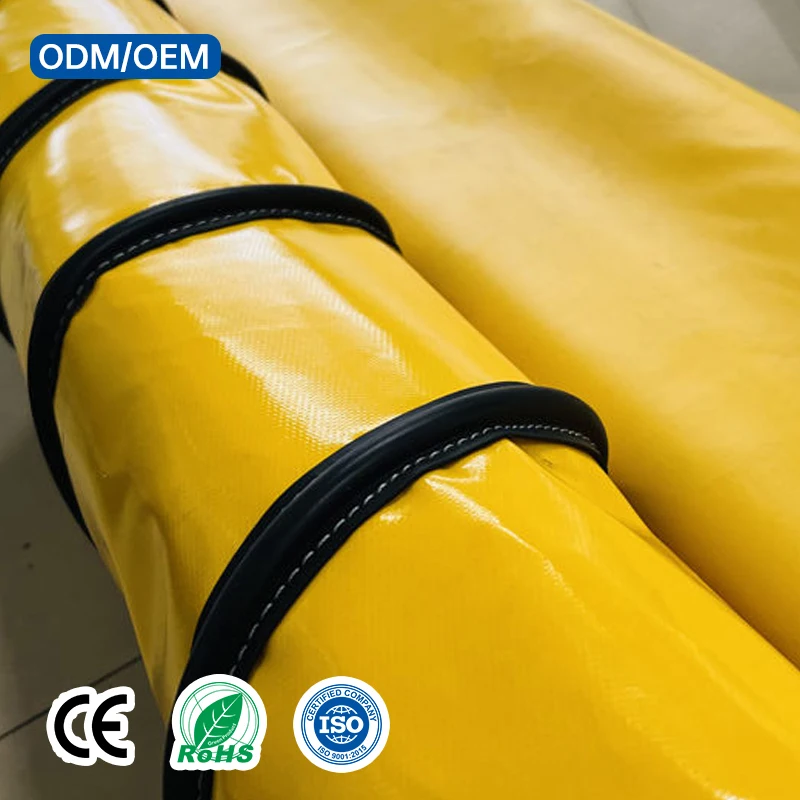
Coating Consistency — Three dedicated production lines deliver uniform PVC coating weight across every roll of aviation duct fabric, ensuring reliable thermal and fire-safety performance on the apron.
Technical Specifications
| Parameter | Value |
|---|---|
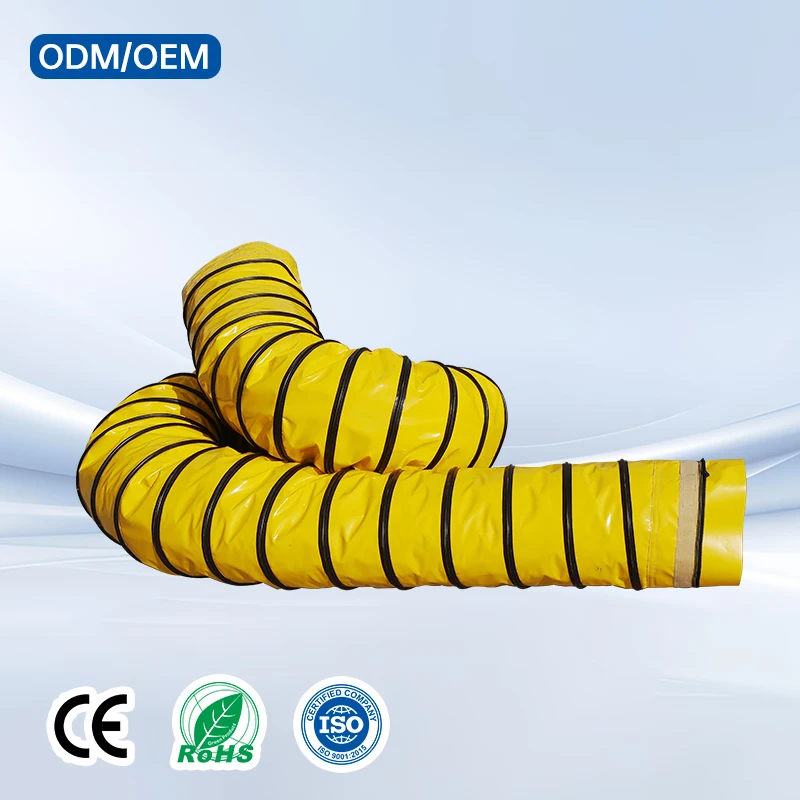
| Product Type | Flexible Air Duct |
| Identifier | Aircraft PCA Hose Aviation Cooling Air Duct |
| Temperature Range | -30°C to 150°C |
| Base Construction | PVC coated fabric-reinforced layer |
| Insulation Layer | Aluminum foil bubble film |
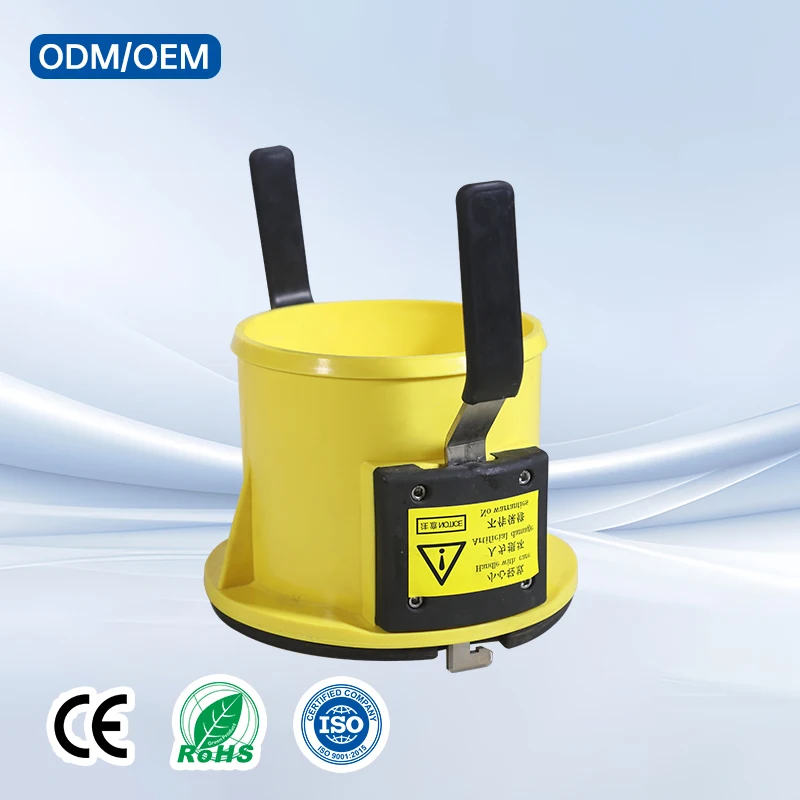
| Connection System | Zipper and Velcro link disassembly |
| Mildew Resistance | Yes (stated, standard not specified) |
| Waterproof | Yes (water resistance stated, rating not specified) |
| Flame Retardant Grade | Available in flame retardant grades — confirm the grade required for your market |
| Anti-Static | Available in anti-static grades — confirm the surface resistance range required by your airport authority |
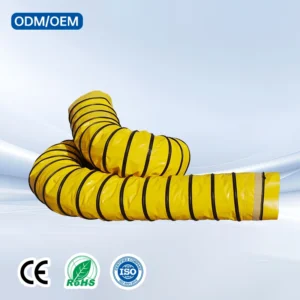
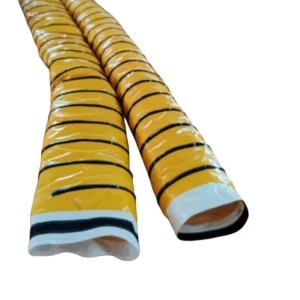
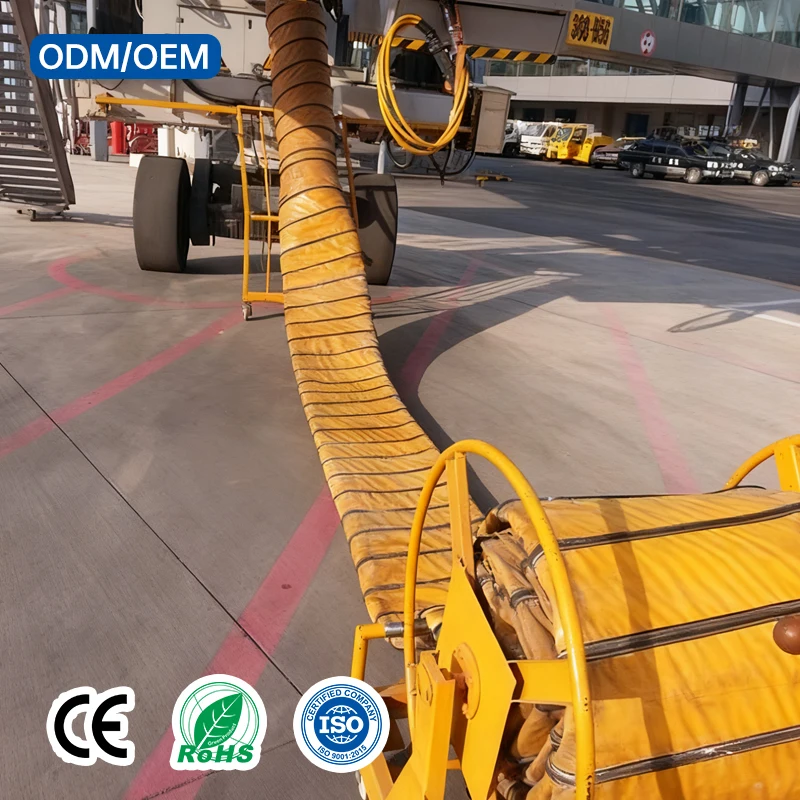
| Outer Appearance | Yellow-black alternating protective coloring |
| Gross Weight | 21 kg |
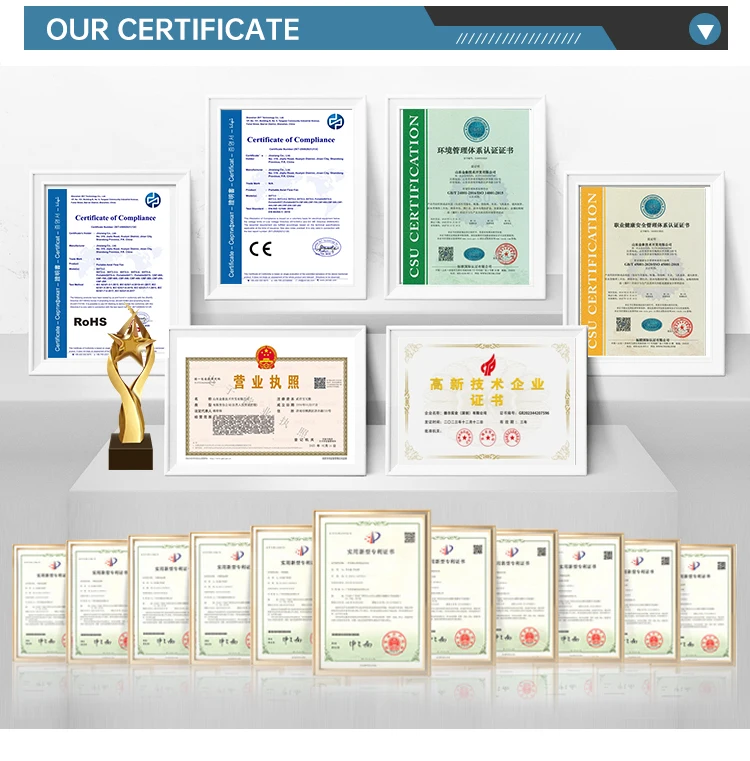
| Certifications | ISO, CE |
| Customization | Logo, outer packaging, pattern (MOQ 100) |
Application Suitability
| Application | Exposure & Requirement |
|---|---|
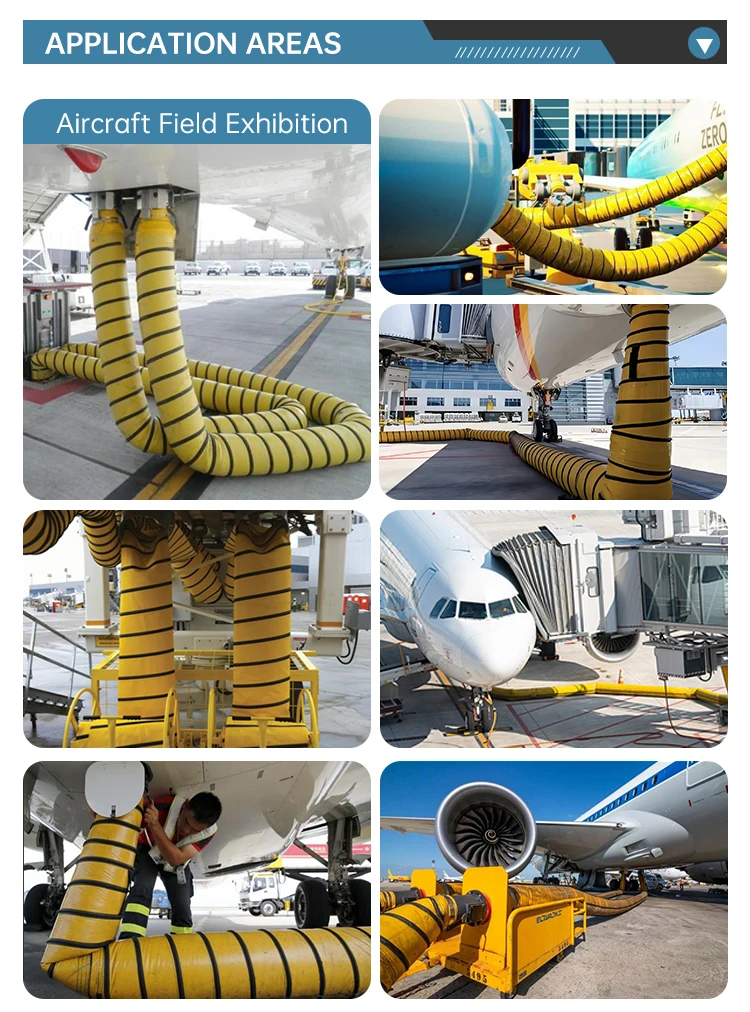
| Aircraft PCA unit connection on airport aprons | Extreme thermal cycling between ambient heat and conditioned air delivery, continuous outdoor UV and weather exposure |
| Narrow-body and wide-body aircraft ground cooling | Rapid deployment and removal during turnaround windows, mechanical abrasion from apron surface contact |
| Fixed and mobile ground air supply installations | Long-term mildew and water resistance in humid or coastal airport environments |
| Replacement ducting for aging GSE fleets | Dimensional compatibility with existing coupling interfaces, compliance with airport fire-safety audits |
Why Certification Gaps Ground Your Aircraft PCA Hose on the Apron
A duct without documented fire-retardant and anti-static test reports will fail the airport safety audit before it ever connects to an aircraft.
Ground support equipment operators face increasing scrutiny from airport authorities demanding verifiable compliance documentation for every flexible duct deployed on the apron. When an aviation air duct certified to the applicable standard is not available at the point of inspection, the entire PCA unit gets tagged out until compliant replacement stock arrives. We have seen entire gate positions shut down because the duct paperwork did not match the fire classification the local aviation authority required [NEED_CITE: airport fire-safety compliance requirements for ground support flexible ducting]. Sourcing an Aircraft PCA Hose aftermarket supplier that ships with complete test documentation eliminates this operational risk.
Thermal Insulation Built for the Apron Environment
The aluminum foil bubble film insulation layer bonded within the PVC coated fabric construction handles the full thermal swing from -30°C to 150°C, which covers the operational envelope of pre-conditioned air delivery across all climate zones. This insulation barrier prevents condensation buildup on the outer surface during cold air transmission in hot and humid conditions, protecting ground crew from slip hazards and reducing thermal energy loss before the air reaches the aircraft cabin interface. The Aircraft PCA Hose aftermarket supplier configuration ensures consistent thermal performance whether the duct serves a fixed pedestal unit or a mobile cart.
Rapid Deployment Where Turnaround Time Counts
The zipper and Velcro link disassembly system allows ground handling crews to connect and disconnect the duct from the PCA unit and aircraft interface within minutes, supporting the tight turnaround schedules that airlines enforce at busy gate positions. Unlike flanged or clamped connections that require tools and torque checks, this connection method lets a single operator manage deployment while maintaining a secure seal against air leakage. The high-visibility yellow-black alternating outer coloring keeps the duct clearly identifiable on a crowded apron, reducing trip hazards and vehicle strike incidents during pushback operations [NEED_CITE: ground support equipment visibility standards on airport aprons].
What the Temperature Rating and Coating Layer Mean in Practice
The stated -30°C to 150°C range reflects the combined performance boundary of the PVC coated fabric shell and the aluminum foil bubble film insulation. At the lower end, the PVC formulation resists embrittlement during cold-air transmission in winter operations or cold-climate airports, maintaining flexibility so the duct can be coiled or folded for storage without cracking. At the upper end, the insulation layer prevents heat transfer from hot apron surfaces or engine exhaust proximity from degrading the conditioned air stream. The PVC coating itself provides water resistance and mildew resistance, addressing the constant moisture exposure that occurs when ducts lie on wet apron surfaces or are stored outdoors between shifts. Fabric-reinforced construction adds dimensional stability so the duct maintains its cross-section under airflow pressure without collapsing. Understanding these layer interactions helps buyers specify the right duct for their climate and operational pattern [NEED_CITE: coated fabric thermal performance testing methods for flexible ducting applications].
The Hidden Cost of Undocumented Compliance
When a procurement decision prioritises unit cost over documentation completeness, the consequences surface at the worst possible time — during an unannounced airport safety audit or after an incident investigation requests the material test file. Ducts lacking verifiable fire-retardant test reports or anti-static surface resistance measurements may pass initial visual inspection but fail when the authority requests the underlying evidence. This triggers immediate removal from service, emergency procurement at premium lead times, and potential regulatory findings against the ground handling operator [NEED_CITE: aviation ground support equipment compliance audit procedures]. Batch inconsistency in insulation thickness or coating weight compounds the problem, as one duct may perform adequately while the next in the same shipment falls below the required threshold.
Why Operators Source This Duct Here
Nearly three decades of coated fabric production give this facility deep process control over PVC coating weight and insulation layer adhesion, which directly affects thermal performance and service life on the apron. Three full production lines and 36 sets of professional equipment support bulk order volumes with reliable on-time dispatch, reducing the risk of gate closures caused by stock shortages. A 10-person R&D team handles diameter and length customisation, coupling configuration matching, and colour coding to align with fleet identification systems. Dedicated QA/QC inspection at every production stage with 100% pre-shipment verification ensures each Aircraft PCA Hose aftermarket supplier order ships within stated tolerances. Sample development within days allows buyers to validate fitment, insulation performance, and connection compatibility before committing to full production runs.
Documentation & Verification
- Material specification sheet stating PVC base fabric type, coating weight, and aluminum foil insulation layer composition
- Fire-retardant test report referencing the applicable aviation or international standard for your airport jurisdiction
- Anti-static surface resistance measurement where mandated by the airport authority or ground handling contract
- Pre-shipment inspection record confirming diameter, length, and connection hardware dimensional checks
- ISO and CE certificates accompanying each consignment for regulatory compliance filing
Fabrication, Handling & Storage
- Heat-weld seams using temperature and dwell settings matched to the PVC coated fabric thickness to prevent insulation delamination at flex points
- Store coiled ducts in a dry, shaded area to preserve the aluminum foil bubble film insulation integrity and prevent mildew formation
- Avoid dragging the yellow-black outer surface across abrasive apron concrete to extend PVC coating service life
- Clean with mild detergent only; solvent-based cleaners may degrade the PVC coating and compromise water resistance
- Inspect zipper and Velcro connections after each deployment cycle and replace worn sections before they compromise the air seal
- Mark ducts with fleet identification using compatible ink or labels that do not react with the PVC surface coating
What We Need to Match Your PCA Duct Requirement
To provide an accurate specification and lead time, share your PCA unit outlet diameter, the aircraft types in your fleet, and the typical duct length required at each gate position. Confirm which fire-retardant standard your airport authority enforces and whether anti-static certification is a contractual requirement. Let us know if you need custom colour coding, logo printing, or specific coupling configurations to match existing inventory.
Frequently Asked Questions
Q: What diameter and length options are available for different aircraft types?
A: We manufacture Aircraft PCA Hose aviation cooling air ducts in diameters matched to standard PCA unit outlets and aircraft cabin interfaces for both narrow-body and wide-body types. Length is produced to your gate layout requirements. Provide your PCA unit model and aircraft fleet list so we can confirm the exact fitment dimensions and connection configuration needed.
Q: Can the duct be customised with our company logo or colour scheme?
A: Logo printing, custom outer packaging, and pattern branding are available with a minimum order quantity of 100 units. The standard high-visibility yellow-black alternating colour can be adapted for fleet identification coding if your ground handling operation uses colour to distinguish duct sizes or gate assignments. Submit your artwork and Pantone references for sample approval.
Q: How does the zipper and Velcro connection hold up under repeated daily use?
A: The zipper and Velcro link disassembly system is designed for the high-frequency connect-and-disconnect cycles typical of airport turnaround operations. We recommend regular inspection of the zipper teeth and Velcro engagement surfaces during routine maintenance intervals. Replacement connection sections can be supplied separately to extend overall duct service life without replacing the full assembly.
Q: What certifications are provided with shipment for airport compliance?
A: Each shipment includes ISO and CE certificates, a material specification sheet detailing the PVC coated fabric and aluminum foil insulation construction, and test documentation for fire-retardant and anti-static performance where applicable. We confirm which specific standards your airport authority requires before production so the documentation package supports your safety audit submissions.
Q: What is the lead time for custom sizes and bulk orders?
A: Lead times depend on the diameter, length, customisation scope, and order volume. Standard configurations ship within typical multi-week production windows, while custom colour, branding, or non-standard coupling requirements may extend the timeline. Request a quotation with your full specification so we can confirm the exact production schedule and dispatch date for your project.