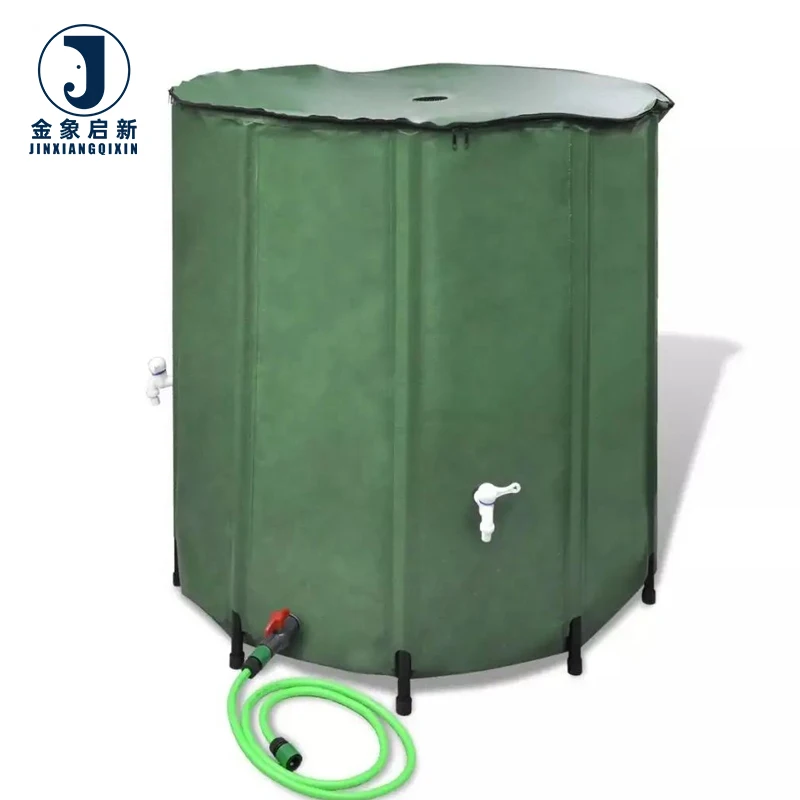
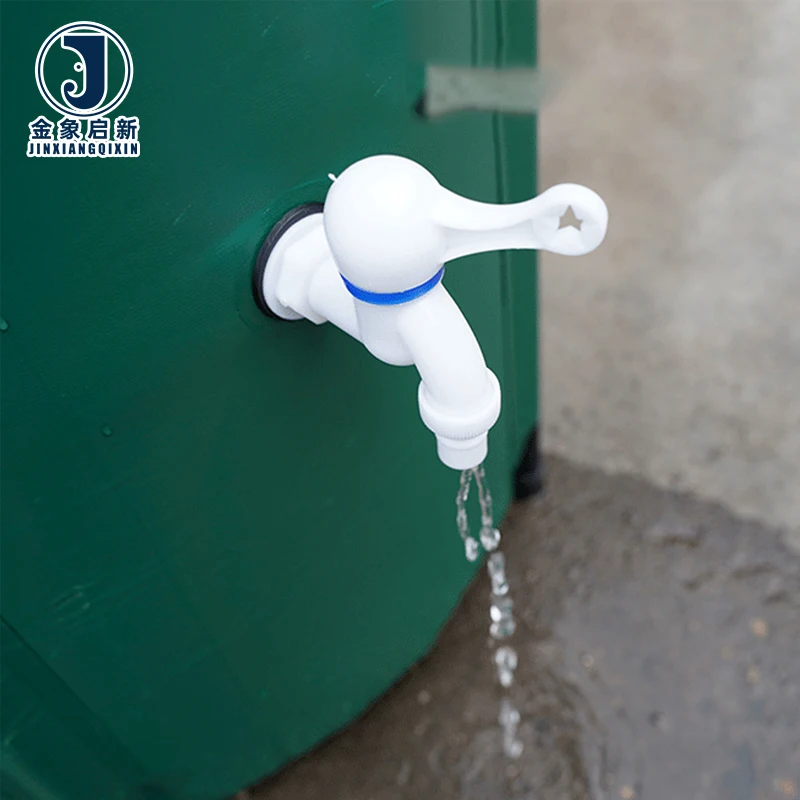
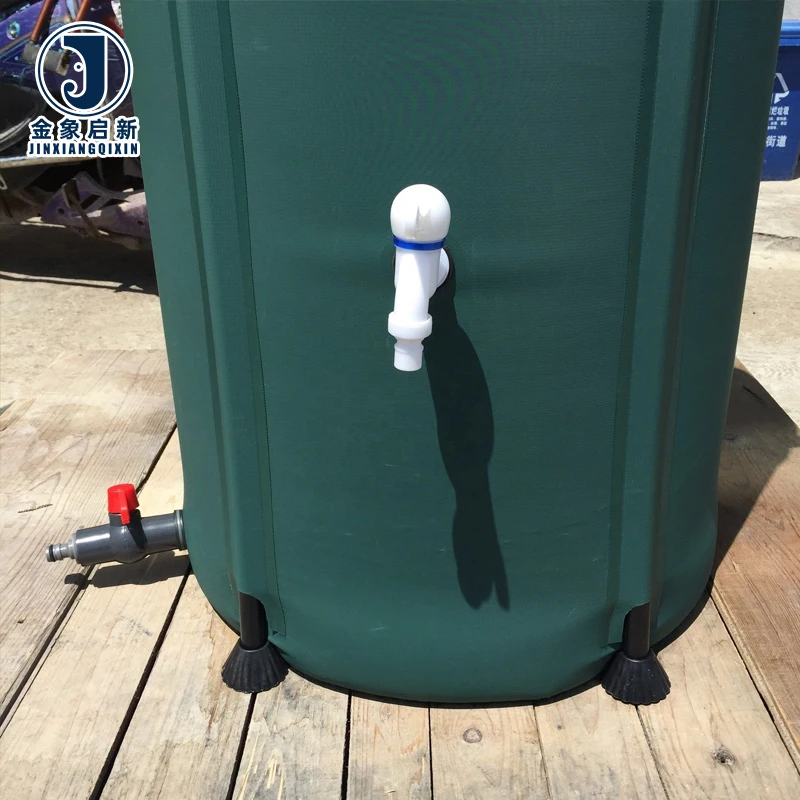
Description
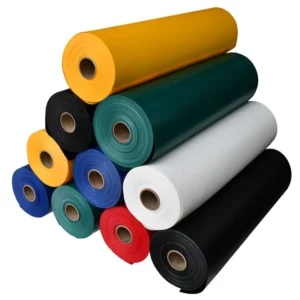
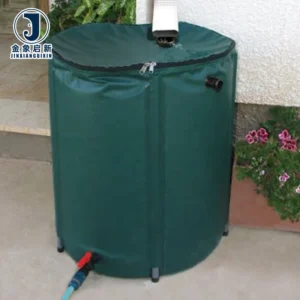
Coated Fabric Consistency — Our three production lines hold PVC coating weight and colour within tolerance from the first collapsible water storage tank to the last across your bulk order.
Technical Specifications
| Parameter | Value |
|---|---|
| Product Type | Flexible Water Storage Tank |
| Base Material | PVC Mesh Cloth |
| Support Structure | PVC Support Rod |
| Waterproof | Yes |
| UV-Resistant | Yes |
| Mildew-Proof | Yes |
| Flame Retardant | Yes (grade not stated — confirm requirement) |
| Anti-Static | Yes (standard not stated) |
| Abrasion-Resistant | Yes |
| Tear-Resistant | Yes |
| Anti-Bacteria | Yes |
| Shrink-Resistant | Yes |
| Windproof | Yes |
| Assembly State | Collapsible / Portable |
Application Suitability
| Application | Exposure & Requirement |
|---|---|
| Garden Rainwater Harvesting | Continuous outdoor exposure, UV degradation risk, biological growth in stored water |
| Agricultural Water Storage | Field deployment, portability between crop zones, resistance to soil contact and weather |
| Landscape Irrigation | Repeated fill/drain cycles, abrasion from ground contact, shape retention when full |
| Outdoor Water Catchment | Seasonal assembly and breakdown, wind load when deployed, mildew resistance during storage |
| Industrial Water Containment | Temporary site use, handling by crews, exposure to non-potable contents |
What "Flame Retardant" Actually Means Without a Test Report Attached
A claim without a grade is a liability, not a feature. When a collapsible water storage tank wholesale listing states flame retardancy but provides no standard reference, the buyer absorbs the compliance risk. We have seen importers face rejected shipments at customs because the declared treatment did not map to any recognized test method. The distinction between passing a local fire marshal inspection and merely asserting retardancy is the documentation gap [NEED_CITE: NFPA 701 and M2 flame classification for textile materials].
Roll-to-Roll Consistency in Volume Procurement
When sourcing collapsible water storage tanks in container quantities, the visible difference between two tanks produced from different fabric batches creates immediate customer complaints at the retail level. Our coating lines maintain PVC weight and colour formulation across the entire production run. The mesh base fabric is sourced against a single yarn specification per order, eliminating the denier variation that shows up as uneven stiffness once the tank is filled.
Deployment Speed Without Compromised Structure
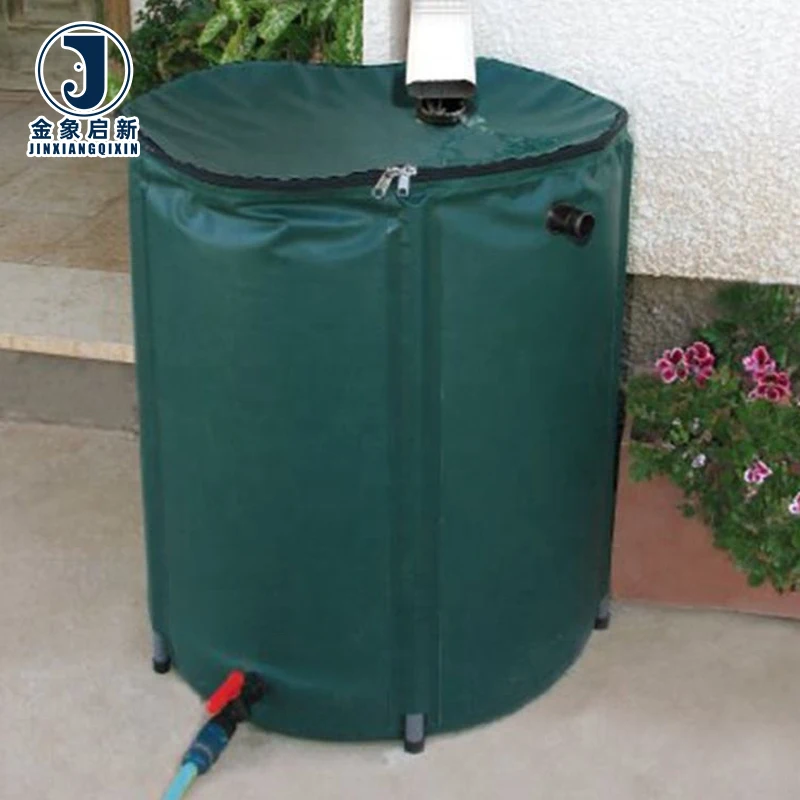
The PVC support rod system allows a single operator to deploy or collapse each unit in minutes without tools. The rods insert through dedicated sleeves in the PVC mesh cloth, creating a rigid frame that holds the cylindrical shape even when the tank is partially filled. This structural approach avoids the buckling and sidewall collapse common in unsupported flexible tanks when water levels drop below the midpoint [NEED_CITE: structural rigidity in flexible liquid containment systems].
How Fabric Treatment Choices Affect Stored Water
The anti-mildew and anti-bacteria treatments applied during coating address the biological growth that develops where standing water meets fabric. Untreated PVC mesh develops biofilm at the waterline within weeks of outdoor deployment. The treatment chemistry is embedded in the coating compound rather than applied as a topical finish, meaning it does not wash out through repeated fill and drain cycles.
Specification Misreads That Cause Field Returns
Ordering flexible water storage tanks based on capacity alone ignores the environmental load the fabric must sustain. A tank rated for indoor use that receives full UV exposure will show surface chalking and embrittlement within a single season. Similarly, specifying anti-static treatment for a garden application adds cost without functional benefit, while omitting mildew resistance for an agricultural deployment guarantees premature fabric degradation at the soil contact line [NEED_CITE: environmental degradation modes for PVC-coated technical textiles].
Why Volume Buyers Consolidate Orders Here
Three full production lines run parallel capacity allocation, meaning a container order of collapsible rain barrels does not displace other product commitments or extend lead times. The ten-person R&D team develops samples for custom capacity or branding within days, not weeks, allowing wholesale buyers to confirm fitment and print registration before committing the production run. Dedicated quality control at each stage — base fabric inspection, coating weight verification, final unit assembly — catches defects before they reach the packing line. Every shipment leaves with a pre-shipment inspection record documenting unit count and material verification against the purchase order.
Documentation & Verification
- Material specification sheet confirming PVC mesh cloth base and coating compound per SKU
- Treatment test reports for UV and flame retardancy where grade has been specified
- Pre-shipment inspection record with unit count and fabric verification
- Container loading plan detailing unit count, gross weight, and packing configuration
- Certificate of origin and customs documentation for destination market
Fabrication, Handling & Storage
- PVC mesh cloth edges require heat-sealed finishing to prevent fraying at sleeve openings
- Support rods must be stored separately from folded fabric to avoid permanent crease marks
- Collapsed units should be stored in dry conditions to prevent mildew despite anti-mildew treatment
- Avoid dragging deployed tanks across abrasive surfaces — the base fabric is tear-resistant but not puncture-proof
- Clean with mild detergent only; solvent-based cleaners degrade the PVC coating bond
Inquiry Guidance for Bulk Procurement
Provide your target capacity range, the environmental exposure profile (full sun, seasonal, indoor/outdoor), and any flame retardant or anti-static grade required by your local market regulations. Confirm whether you need blank stock for your own branding or factory-applied logo printing on the PVC mesh surface. Specify your annual volume to align production scheduling and container loading efficiency.
Frequently Asked Questions
Q: What capacities are available and how are they packed for container loading?
A: Multiple capacity options exist within this product family, from portable garden sizes to agricultural-scale volumes. Units collapse flat and are stacked in cartons to maximize container cube. A loading plan is provided at quotation stage showing unit count per carton, cartons per pallet position, and total units per container.
Q: How is batch-to-batch consistency in PVC coating weight and colour maintained?
A: Each production run uses base fabric from a single yarn lot and coating compound mixed against a fixed formulation. In-process quality control checks coating weight at multiple points across the web. Colour is matched against approved swatches under standardized lighting before the run proceeds to full production.
Q: What documentation ships with each order?
A: Every shipment includes a material specification sheet, pre-shipment inspection record, packing list with unit count, and certificate of origin. Test reports for UV resistance or flame retardancy are included where a specific grade has been requested and confirmed at order placement.
Q: How are the tanks folded and packed to avoid crease damage during ocean freight?
A: Units are folded along engineered crease lines that align with the support rod sleeve positions, avoiding random folds that could stress the PVC coating. Cartons are sized to prevent compression stacking that would set permanent fold marks into the mesh base fabric.
Q: What is the minimum order quantity and lead time for custom capacity or branding?
A: Minimum quantities vary by capacity and customization level. Blank stock units typically ship faster than printed or custom-sized runs. Provide your required specifications and volume to receive a confirmed lead time that accounts for sample approval, production scheduling, and container loading.