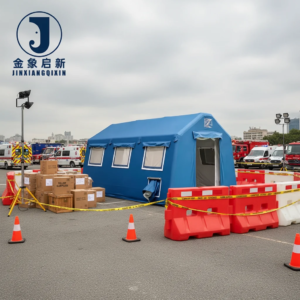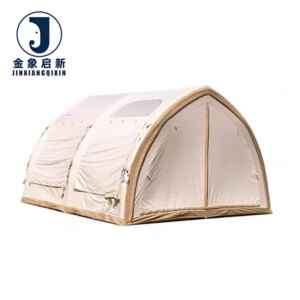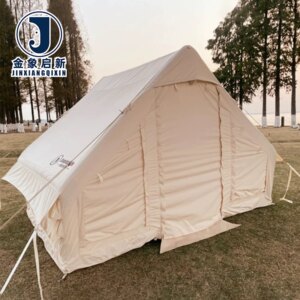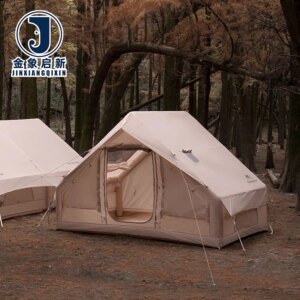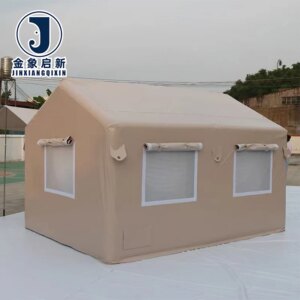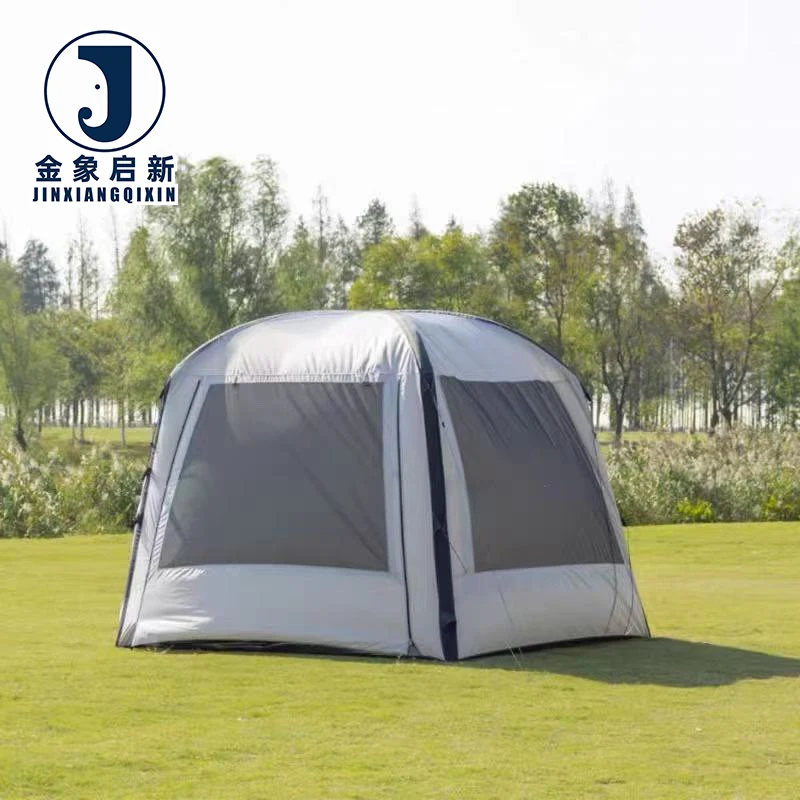
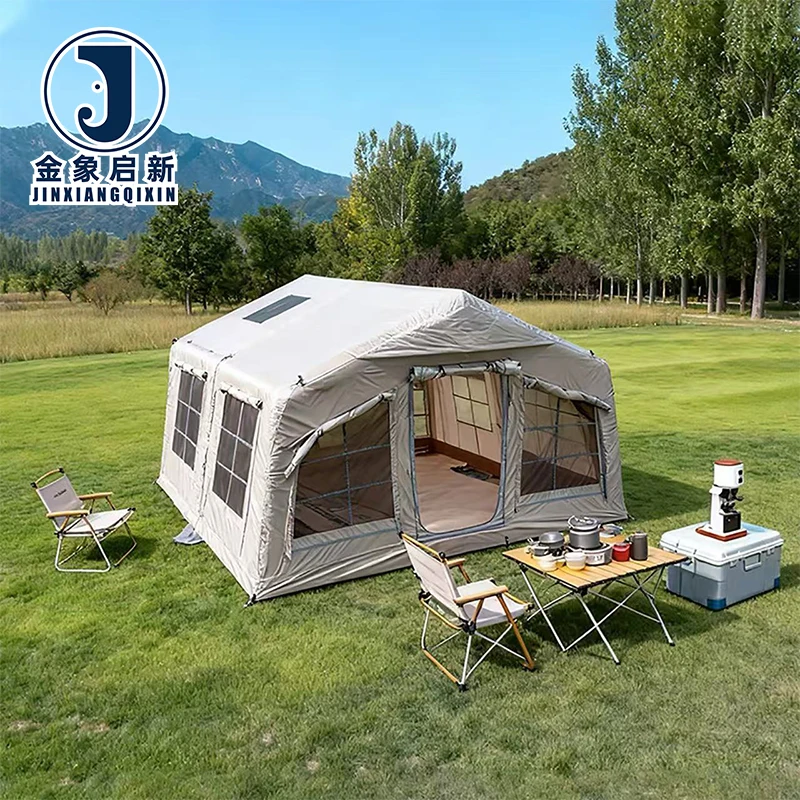
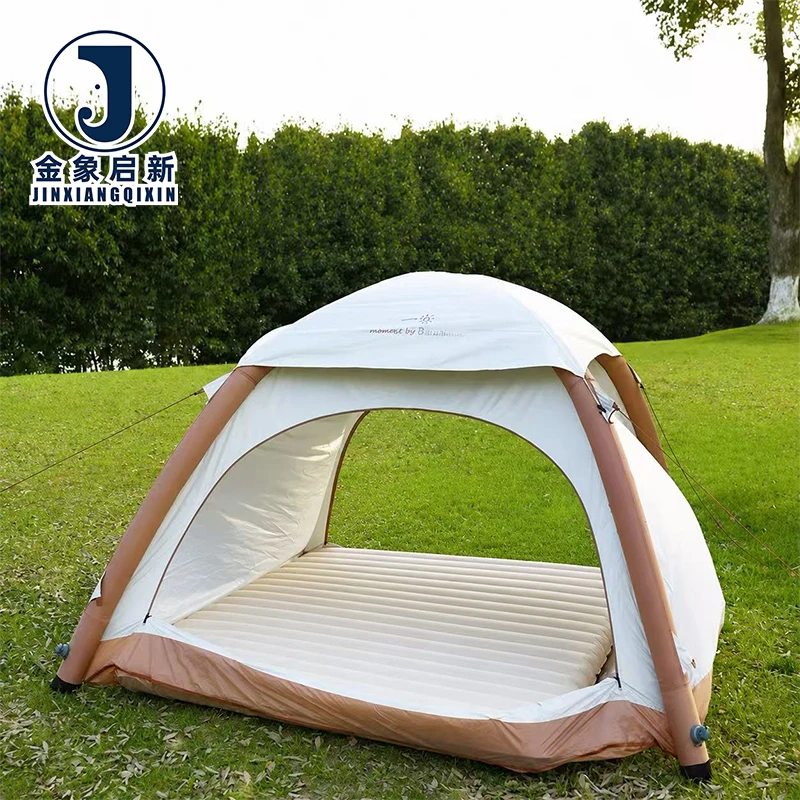
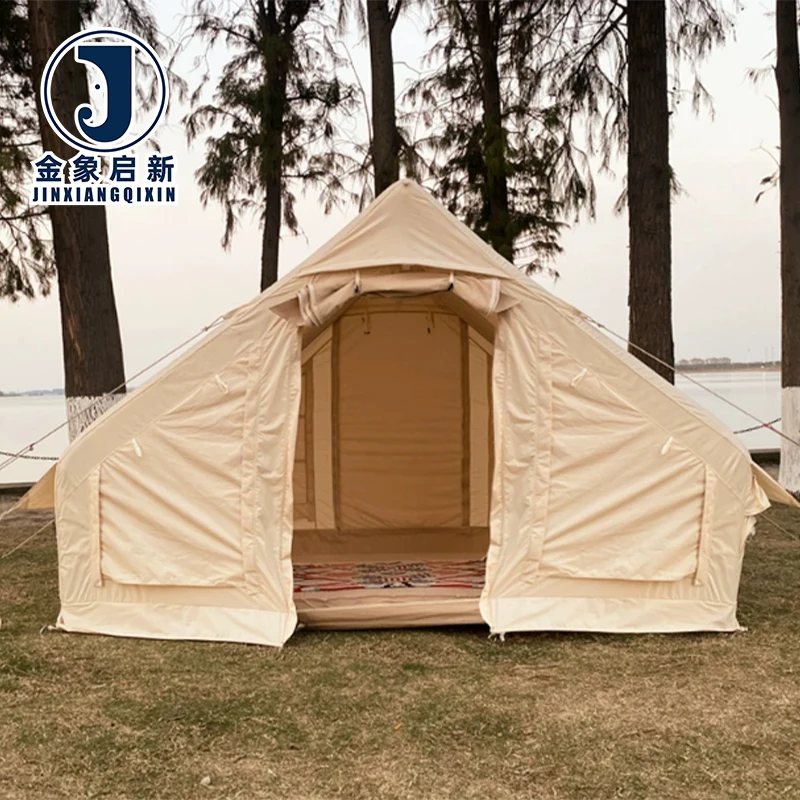
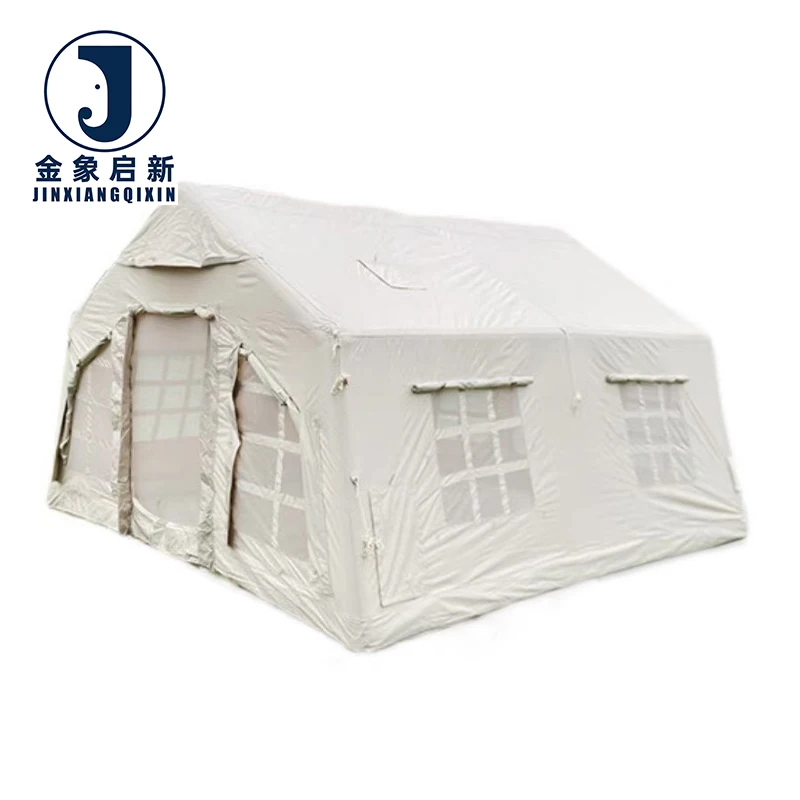
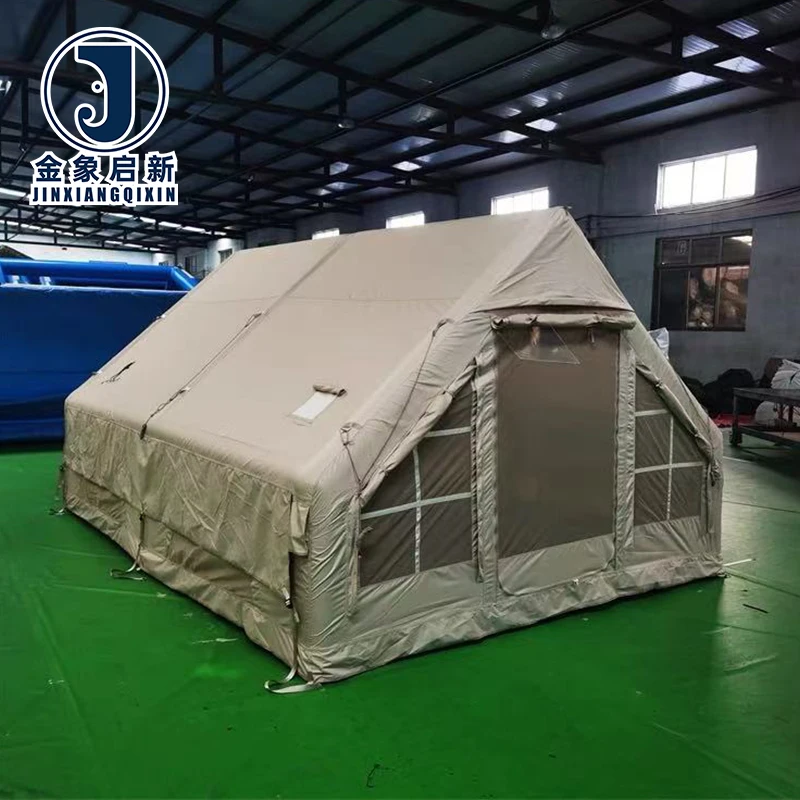
Description
Roll-to-Roll Consistency — Every batch of Automatic Inflatable PVC Camping Tent fabric is inspected against a single reference standard across all 3 production lines before dispatch.
Technical Specifications
| Parameter | Value |
|---|---|
| Product Type | Inflatable Tent |
| Core Material | PVC Tarpaulin |
| Capacity | 3-5 Person |
| Structure | Single Layer Construction |
| Design | Four-Season |
| Deployment | Automatic Inflatable, Quick Opening |
| Waterproof | Fully waterproof coated construction |
| UV-Resistant | Available in UV-treated grades — confirm the treatment level required for your market |
| Tear-Resistant | Reinforced PVC coated fabric construction |
| Fire-Retardant | Available in flame retardant grades — confirm the grade required for your market |
| Anti-Static | Available in anti-static grades — confirm the standard required for your site |
| Customization | OEM & ODM (sample customization, pattern printing, material selection, product design) |
| Standards | ISO 9001, ISO 14001, ISO 45001, CE |
Application Suitability
| Application | Exposure & Requirement |
|---|---|
| Remote construction site offices | Continuous weather exposure, repeated inflation cycles, ground abrasion at base |
| Mobile command centers for inspections | Rapid deployment demand, equipment staging load, wind uplift resistance |
| Equipment maintenance enclosures | Chemical splash contact, UV exposure during extended outdoor parking, puncture risk from tools |
| Emergency response staging shelters | Extreme weather deployment, multiple setup and teardown cycles, fire safety compliance on regulated sites |
| Infrastructure field team base camps | Prolonged sun exposure, temperature fluctuation across seasons, high-visibility colour requirements |
Why "Flame Retardant" on the Label Without a Grade Creates Site Compliance Risk
A flame retardant claim without a referenced standard leaves your inflatable tent manufacturer order unverifiable at the inspection gate.
Buyers regularly receive inflatable shelter fabric with a generic flame retardant label, only to discover during site safety audits that the certification does not match the regulation enforced in that jurisdiction. A mining site in Western Australia requires a different standard than a European construction project, and a generic statement on the data sheet does not bridge that gap [NEED_CITE: fire classification standards for temporary structures vary by jurisdiction]. The custom inflatable tent you specified may perform adequately in a lab test yet still fail the paperwork check that determines whether your crew can occupy the structure.
Coated Fabric Integrity Under Repeated Inflation Stress
The single-layer PVC tarpaulin construction used in this Inflatable Tent must endure repeated inflation and deflation cycles without delamination at the coating-to-base-fabric interface. Each cycle introduces flex stress across the entire panel surface, and the coating adhesion determines whether micro-cracks develop along fold lines. A custom inflatable tent deployed across multiple project sites will face this mechanical cycling far more frequently than a permanent structure, making coating bond strength a primary selection criterion rather than a secondary specification.
Seam and Weld Behaviour at Structural Junctions
The seams where inflatable beam sections join the main canopy panels represent concentrated stress zones that behave differently from the body fabric. Heat-welded junctions on PVC tarpaulin must achieve peel strength comparable to the base material itself, or the weld line becomes the first failure point under wind load or internal pressure fluctuation [NEED_CITE: tensile and tear test methods for coated fabrics per ISO 1421]. The 36 sets of professional processing equipment on site support controlled welding parameters across varying material thicknesses, which is essential when OEM specifications call for different GSM grades in beam versus canopy sections.
Reading the Specification Sheet Beyond the GSM Number
GSM alone tells you the mass per square metre but reveals nothing about how that mass is distributed between base fabric and coating. A heavier PVC tarpaulin with a thin base fabric and thick coating layer will tear more easily than a lighter material with a denser weave and balanced coating ratio. The denier of the yarn and the warp-weft density determine how a puncture propagates once the surface is breached, while the coating composition governs waterproof integrity and UV stability. For an inflatable tent manufacturer evaluating competing quotations, requesting the base fabric specification alongside the total GSM provides a far more meaningful comparison. The coating method — whether knife-over-roll, dip, or calender — affects peel strength, surface finish, and the material’s response to heat welding during fabrication.
The Hidden Cost of Under-Specified Inflatable Tent Fabric
When material weight on arrival falls below the quotation value, the inflatable structure may deploy successfully but lose pressure faster than expected, requiring continuous blower operation that was never budgeted. Colour variation between rolls in a single custom inflatable tent order becomes visible once panels are joined side by side, forcing either acceptance of an inconsistent appearance or a costly replacement order [NEED_CITE: batch-to-batch colour consistency in PVC coated fabric production]. An anti-static or flame retardant treatment claimed without a test report means your safety officer cannot sign off on the structure for use in a regulated environment, leaving the entire shelter idle until compliant documentation arrives.
Manufacturing Controls That Protect Your Specification
Deep process control over PVC coating weight and adhesion has been refined across nearly 30 years of coated fabric production, reducing the gap between quoted and delivered material properties. Three full production lines operating within a 9,180 m² facility provide the capacity to fulfil multi-roll inflatable tent manufacturer orders without splitting production across external converters. A 10-person R&D team handles material selection and sample development, enabling OEM buyers to validate thickness, colour, and pattern printing before committing to volume. Dedicated QA and QC staff conduct inspection at every production stage, with 100% pre-shipment checks covering inflation pressure retention and seam integrity on finished units. ISO 9001, ISO 14001, ISO 45001 and CE certifications underpin the management system, and full documentation ships with every dispatch.
Documentation & Verification
- Material specification sheet stating PVC base fabric, coating composition and GSM for each roll
- UV and flame retardant test reports matched to the grade specified at order confirmation
- ISO 9001, ISO 14001, ISO 45001 and CE certificates included in shipping documentation
- Pre-shipment inspection record covering inflation retention and weld integrity
- Roll packing list and certificate of origin for customs clearance at destination
Fabrication, Handling & Storage
- Heat-weld seams at temperatures matched to the PVC tarpaulin coating thickness to prevent base fabric scorch
- Reinforce eyelet and tie-down zones with additional PVC patches to distribute load beyond the single-layer construction
- Store rolls upright on pallets to prevent flat-spot deformation that affects inflation symmetry
- Allow cold-stored fabric to reach ambient temperature before unrolling to avoid coating crack at fold lines
- Use mild detergent for cleaning to preserve the surface coating and any applied UV treatment
- Patch field damage with compatible PVC tarpaulin repair material and solvent-based adhesive
What to Include in Your Enquiry
Provide the deployment environment and anticipated weather exposure so the correct PVC tarpaulin grade can be recommended for your inflatable tent application. Specify any fire safety or anti-static standards enforced at the site, along with required capacity and colour or pattern printing needs. Indicate whether you need finished units or roll stock for your own fabrication, and whether sample approval is required before production.
Frequently Asked Questions
Q: How is PVC coating weight verified on arrival against the quotation?
A: Every roll is weighed and measured against the stated GSM before dispatch, and a weight verification record is included with the shipment documentation. If a discrepancy is found during receiving inspection, the pre-shipment inspection record provides a baseline for comparison and resolution with the inflatable tent manufacturer.
Q: What flame-retardant grades and certifications are available for inflatable tent fabric?
A: Flame retardant grades are available for the PVC tarpaulin used in this Inflatable Tent, and the specific grade must be confirmed at the enquiry stage to match your site compliance requirements. Test reports corresponding to the selected grade ship with the order documentation for safety audit submission.
Q: How is batch-to-batch colour consistency controlled across custom printed runs?
A: Colour reference standards are established during sample approval and maintained across production runs using controlled pigment dosing and inline inspection. The custom inflatable tent order is produced within a single batch where possible to minimise roll-to-roll variation, and any multi-batch fulfilment is flagged on the packing list.
Q: What documentation ships with each order for project compliance and customs clearance?
A: Each shipment includes a material specification sheet, applicable test reports, ISO and CE certificates, a pre-shipment inspection record, roll packing list, and certificate of origin. This documentation package supports both site compliance verification and import customs processing at the destination port.