Description
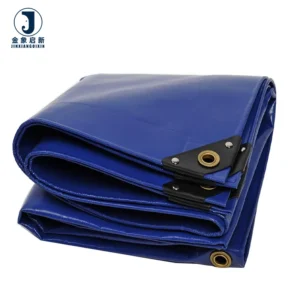
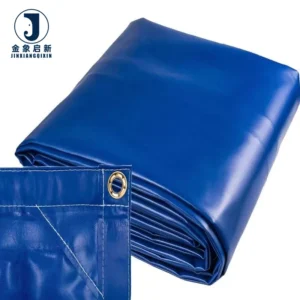
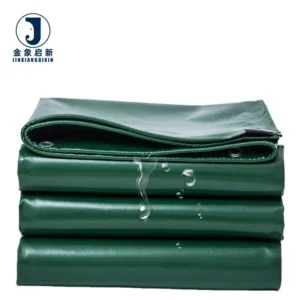
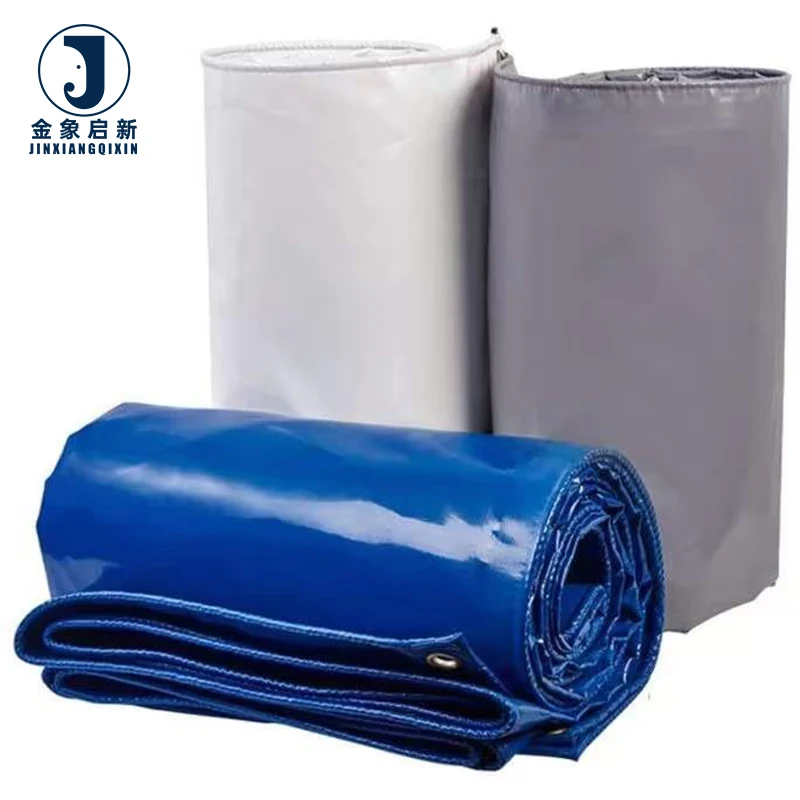
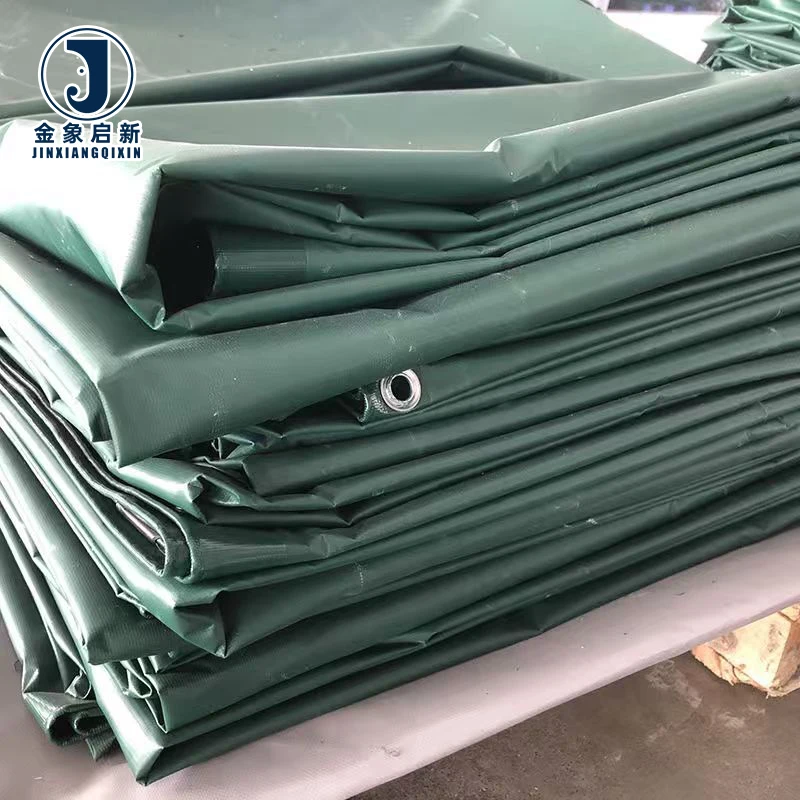
Roll-Stock Consistency — every batch is weighed, recorded, and colour-checked roll by roll before dispatch, so the PVC tarpaulin roll you order is exactly what arrives at your dock.
Technical Specifications
| Parameter | Value |
|---|---|
| Product Type | PVC Coated Tarpaulin Roll |
| Coating Material | PVC |
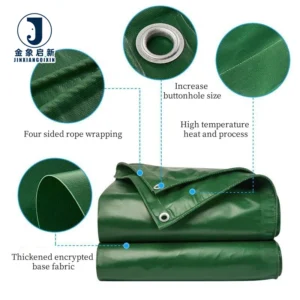
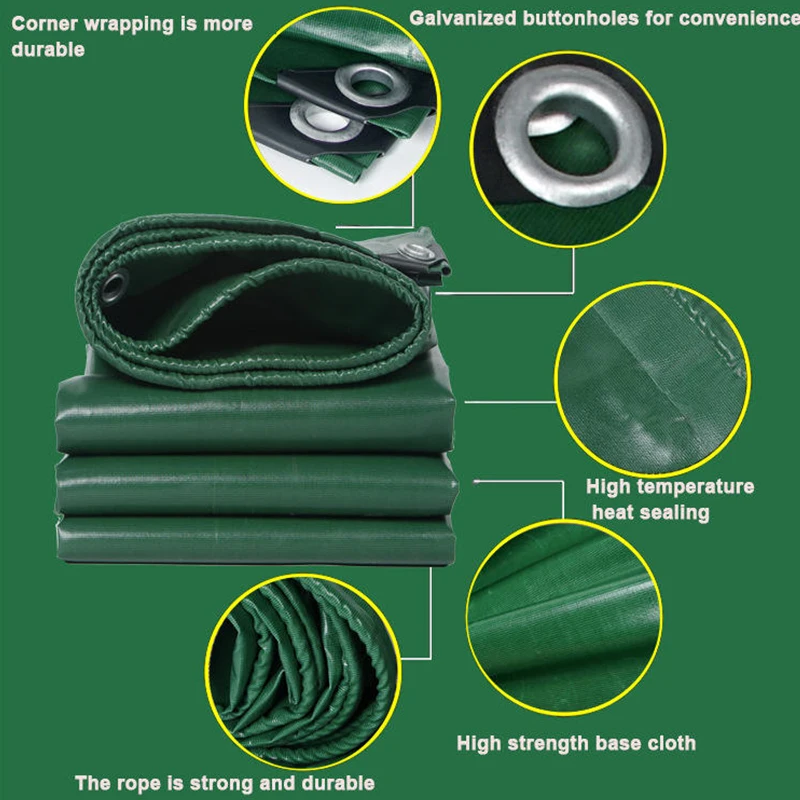
| Base Fabric | High-tenacity polyester woven substrate |
| Waterproof | Yes — fully coated construction |
| Anti-Shrink | Yes — dimensional stability treated |
| Flame Retardant | Available in flame retardant grades — confirm the grade required for your market |
| UV Resistance | Available with UV treatment — request UV test data for your climate zone |
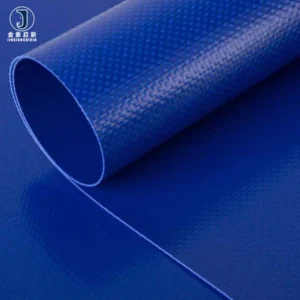
| Finish Options | Glossy or matte surface |
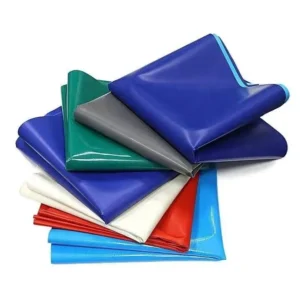
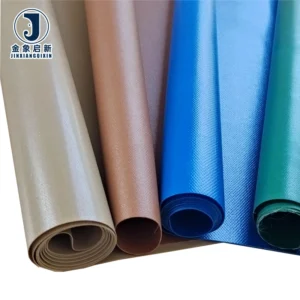
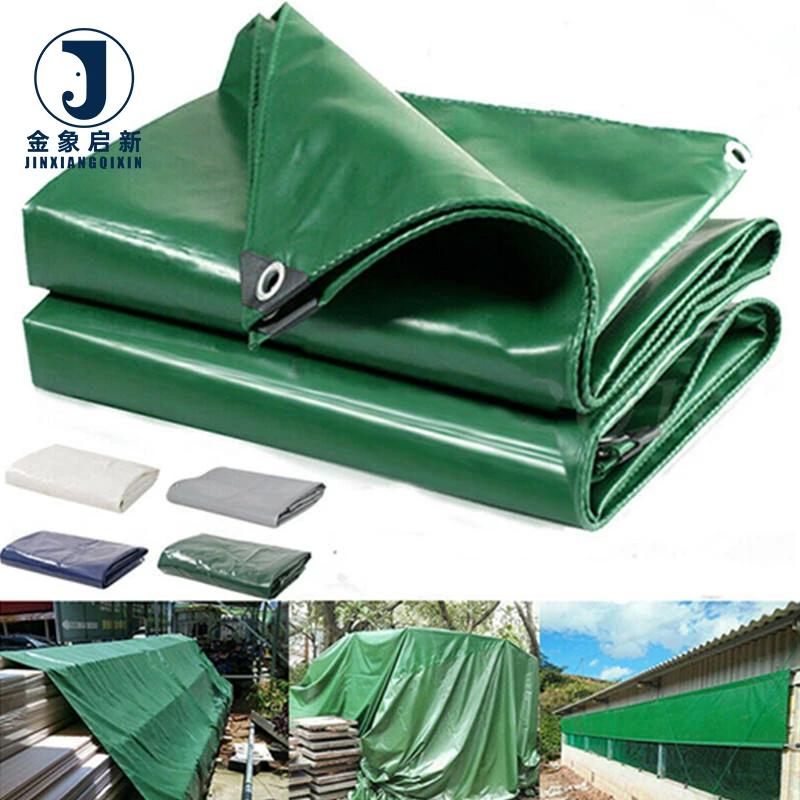
| Colour | Multiple colours available; custom colour matching on request |
| Application Grade | Industrial / heavy-duty |
| Certification | ISO, CE |
Application Suitability
| Application | Exposure & Requirement |
|---|---|
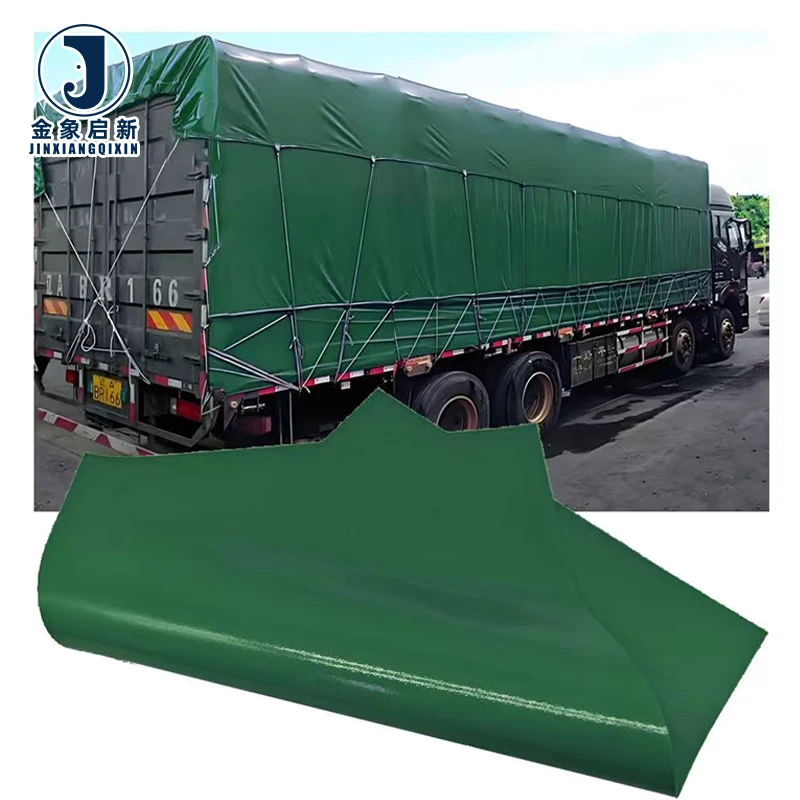
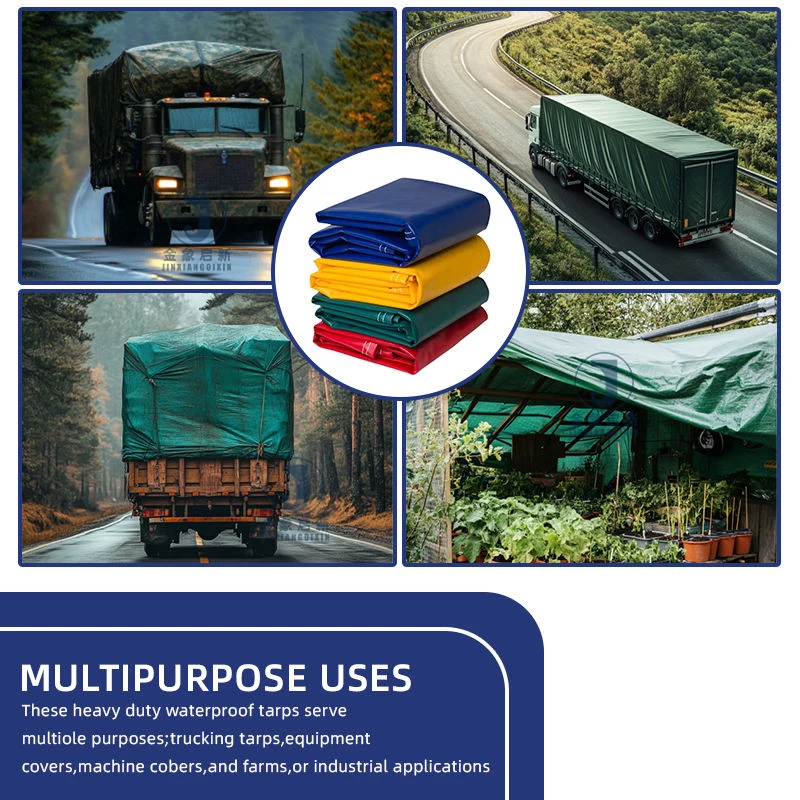
| Truck side curtains | Constant flexing at load points, road debris abrasion, UV and rain exposure, repeated tie-down tension |
| Lorry and trailer covers | Wind flap fatigue, highway-speed airflow stress, long-haul weather cycling |
| Tent and awning fabrication | Sustained UV and rain exposure, fold and pack cycles, seam welding integrity |
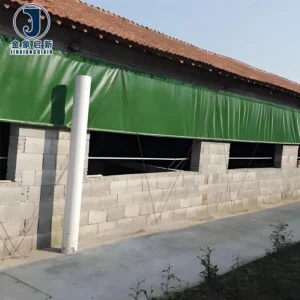
| Industrial fabric covers | Equipment protection against dust and moisture, warehouse and outdoor stacking conditions |
| Tarpaulin distribution stock | Consistent roll-to-roll weight and colour for regional resale across multiple end users |
Why the PVC Tarpaulin Roll You Ordered Arrives Lighter Than Quoted
GSM on paper means nothing if the coating weight is not controlled at the line and verified before the roll leaves the factory.
Buyers who source PVC tarpaulin roll wholesale often receive material that measures below the quoted GSM once unrolled and sampled. The coating layer is where cost gets quietly reduced — a thinner pass saves resin but leaves the fabric short on tensile strength and weld integrity. When the roll is lighter than specified, the side curtain you fabricate may fail at the flex point within months, and the truck fleet that trusted your product bears the replacement cost [NEED_CITE: tensile and tear test methods for coated fabrics per ISO 1421]. The discrepancy is not visible until the material is on the cutting table, at which point the entire production schedule is at risk.
Roll-to-Roll Colour Matching Across Your Container Load
When you order multiple rolls for a single truck curtain project or a tent production run, visible shade variation between adjacent panels is one of the most common complaints in the field. Colour consistency depends on coating batch preparation, pigment dispersion control, and line temperature management. Every production run here is tracked by batch, and rolls from the same order are cut from the same coating batch wherever possible. Where a PVC tarpaulin roll wholesale order spans multiple batches, shade cards are compared under standardised lighting before packing so you know in advance if a panel-to-panel difference exists.
Coating Adhesion and What It Means for Your Welded Seams
The bond between the PVC coating and the polyester base fabric determines whether a welded seam holds or peels apart under tension. Poor adhesion shows up when a side curtain flexes at the trailer load point — the weld itself is intact but the coating separates from the yarn, and the panel tears along the seam line [NEED_CITE: peel strength test methods for coated fabrics]. Coating weight and the curing profile at the line are controlled to maintain consistent adhesion across the full roll width, so your heat-welded or high-frequency welded joints perform as expected when the fabric is under load.
Reading Between the Specification Sheet Lines
A specification sheet lists GSM, but that number alone does not tell you how the fabric will behave in fabrication or service. GSM is the combined weight of the base fabric and the coating — two rolls at the same GSM can have entirely different base fabric denier and weave density, producing very different tear propagation resistance. A heavier coating on a lighter base fabric may show well on a scale but tear easily once a nick starts. Conversely, a tighter weave with a balanced coating gives better real-world performance for truck side curtains that flex thousands of times per journey. The coating method — whether knife-over-roll, laminated, or calendered — affects both the surface finish and the ease with which you can weld or sew the material. Knife-coated PVC typically delivers better peel strength at the weld, which matters when a side curtain panel is under constant road-wind tension. The surface finish, glossy or matte, also affects print adhesion if you are adding branding or safety markings to the finished curtain.
What Happens When Roll Stock Specifications Are Wrong for the Job
Specifying a lighter grade to reduce cost per roll often leads to warranty claims that far exceed the initial saving. A PVC tarpaulin roll that is below the required weight for a truck side curtain application will show abrasion wear at the tie-down contact points within the first season, and the fleet operator will hold the fabricator responsible. Flame retardant grades claimed without a supporting test report create compliance risk on construction sites and at public events — if the fire inspector asks for documentation and it does not exist, the entire installation is pulled down [NEED_CITE: fire classification requirements for temporary structures and transport covers]. Batch-to-batch colour drift across an order forces fabricators to sort and match panels manually, adding labour and generating off-cuts that reduce yield.
Why Buyers Source PVC Tarpaulin Roll Stock Here
Three full production lines and 36 sets of professional equipment support bulk roll output with consistent on-time dispatch, so your container loads ship on schedule rather than sitting in backorder queues. A 10-person R&D team handles custom width, colour matching, and sample development — samples for new specifications are typically produced within days, not weeks. Every production stage includes dedicated quality checks, with 100% pre-shipment inspection covering weight, colour, and surface quality on every roll. Coating weight and adhesion are controlled through the process rather than checked only at the end, which is why the PVC tarpaulin roll wholesale stock maintains specification compliance across batches. Nearly 30 years of focused coated fabric production means the process parameters for different GSM grades and finishes are established and repeatable, not experimental.
Documentation & Verification
- Material specification sheet stating GSM, base fabric type, and coating weight for your roll batch
- Pre-shipment inspection record with individual roll weight and colour verification entries
- Roll packing list detailing net weight and roll count for container loading planning
- Test report for flame retardant and UV grades supplied with the specific batch where applicable
- ISO and CE certificates available for compliance documentation
Fabrication, Handling & Storage
- Heat-weld PVC coated rolls at temperatures matched to the coating grade — test a weld sample before full production runs
- Store rolls upright on end caps to prevent flat-spot creasing that transfers into side curtain panels
- Allow cold-stored rolls to reach ambient temperature before unrolling to avoid coating micro-cracking
- Use sharp rotary blades for cutting to prevent fraying the polyester base fabric at panel edges
- Clean glossy finish surfaces with non-solvent cleaners to preserve coating integrity and print adhesion
- Plan cutting layout to maximise yield from the roll width and reduce welded seam count per curtain
What to Include With Your Enquiry
To receive an accurate quotation and sample, share the end-use application (truck side curtain, tent fabrication, industrial cover), the target market and any compliance requirements such as fire classification, the roll widths and lengths you need, and your estimated annual volume. If you require a specific colour or surface finish, send a reference or request a shade card. Let us know whether you need roll stock only or if you are also evaluating cut-to-size finished panels.
Frequently Asked Questions
Q: How is GSM verified per roll before shipment?
A: Each roll is weighed individually during the pre-shipment inspection and the result is recorded against the batch specification. The weight record is included with your dispatch documentation so you can cross-check against the quoted GSM. Any roll outside tolerance is flagged and replaced before loading.
Q: How do you maintain colour consistency across a multi-roll order?
A: Rolls within a single order are produced from the same coating batch wherever possible. Where order volume spans multiple batches, shade comparison under standardised lighting is conducted before packing. You are informed of any batch-to-batch shade variation before the container is sealed.
Q: What roll widths are stocked and what are the minimums for custom sizes?
A: Standard widths are held in stock across multiple GSM grades for immediate dispatch. Custom widths and colours are available with defined minimums that depend on the specific grade and coating setup. Share your required dimensions and we will confirm the minimum and lead time.
Q: How is roll stock packed to prevent damage during container transit?
A: Rolls are packed on end caps or core supports and secured to prevent shifting during transit. Each roll is wrapped to protect the coating surface from abrasion and edge damage. The packing list details roll count, individual weight, and loading position for your warehouse receiving plan.
Q: Can I get a sample roll before committing to a bulk order?
A: Sample rolls or swatches are produced to your required GSM, colour, and finish specification. Samples are typically ready within days. This lets you test weld parameters, check colour in your own lighting, and verify the material against your fabrication requirements before placing volume orders.