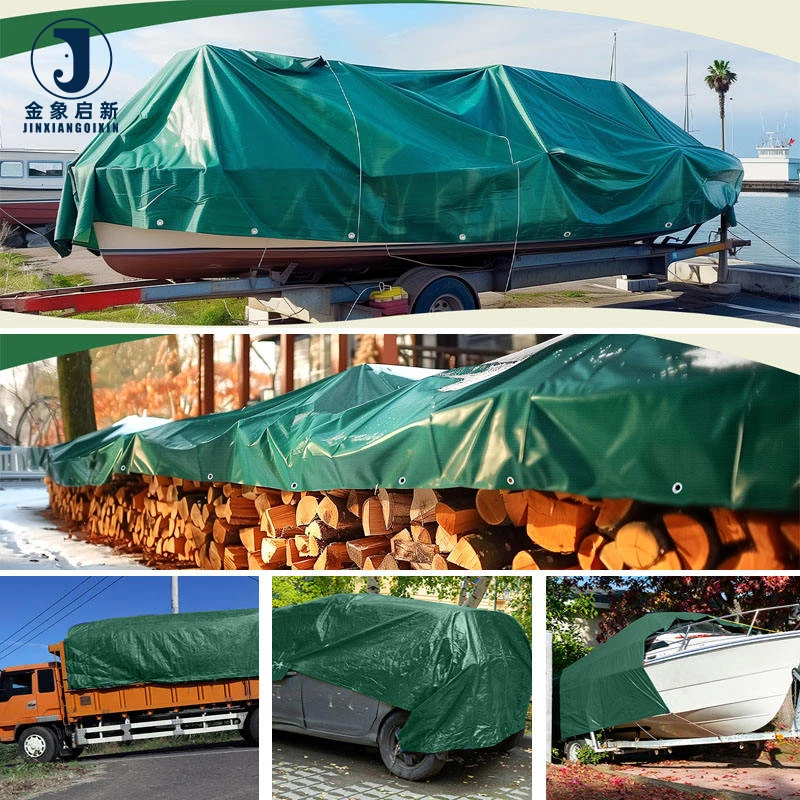
Description
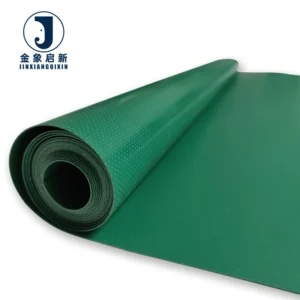
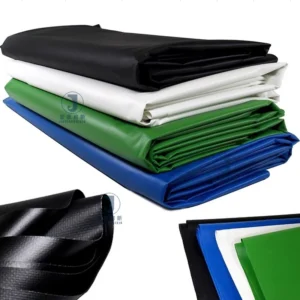
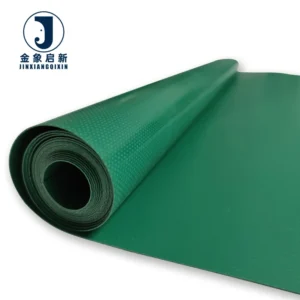
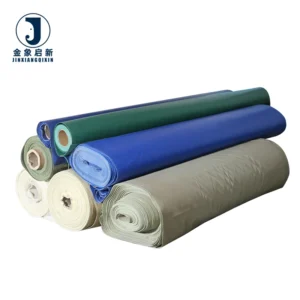
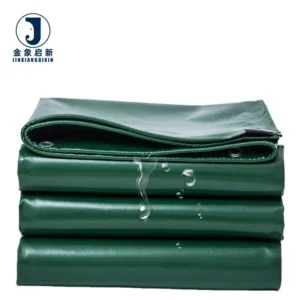
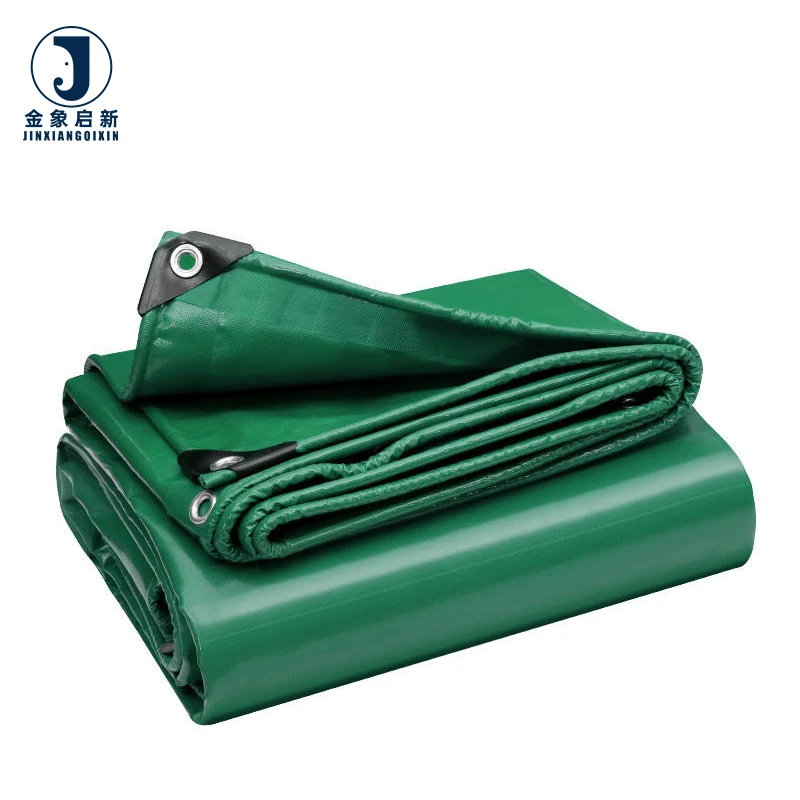
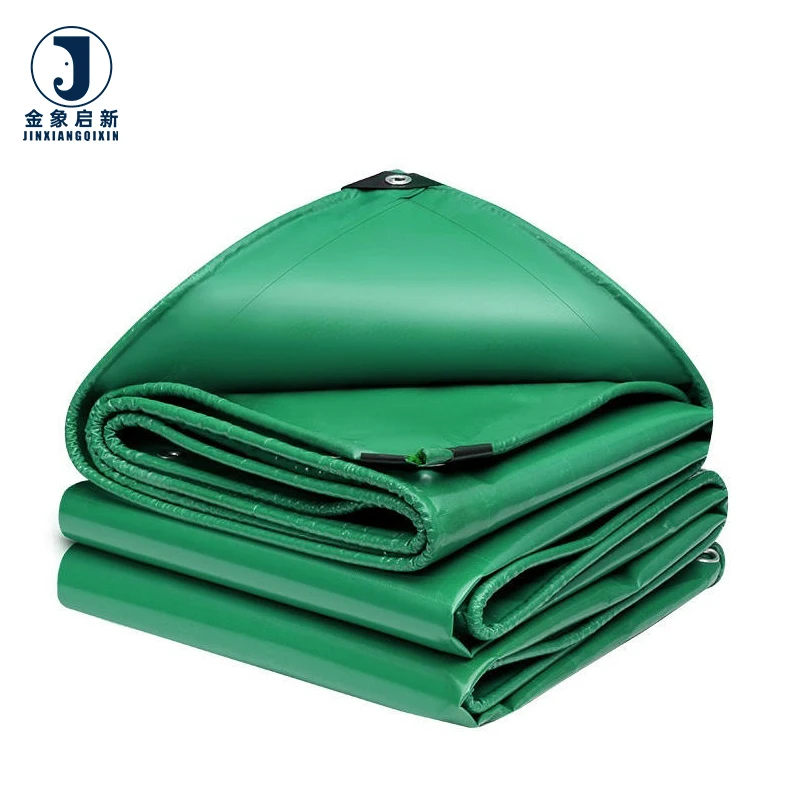
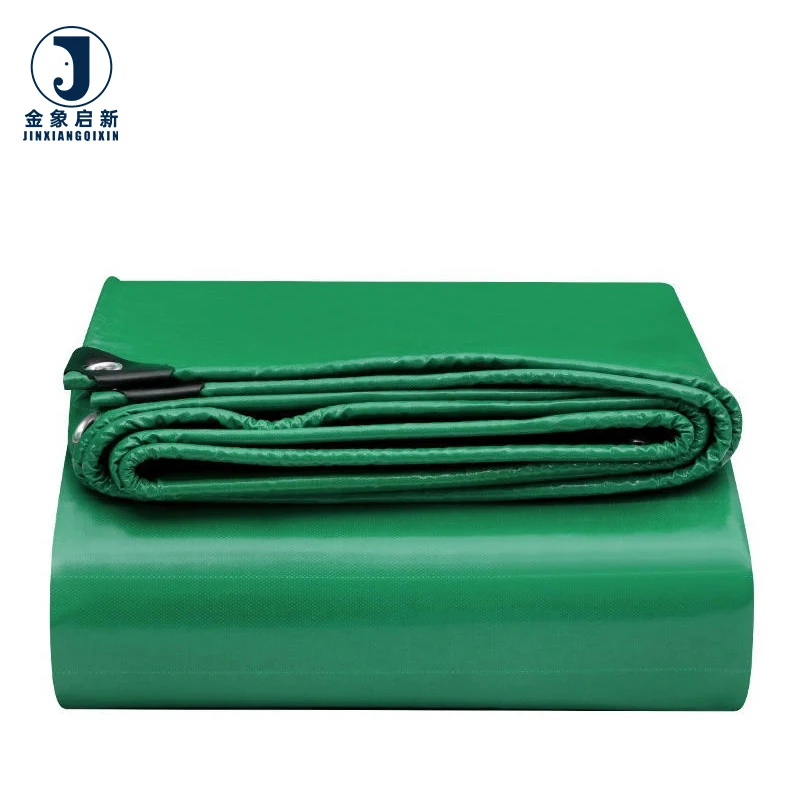
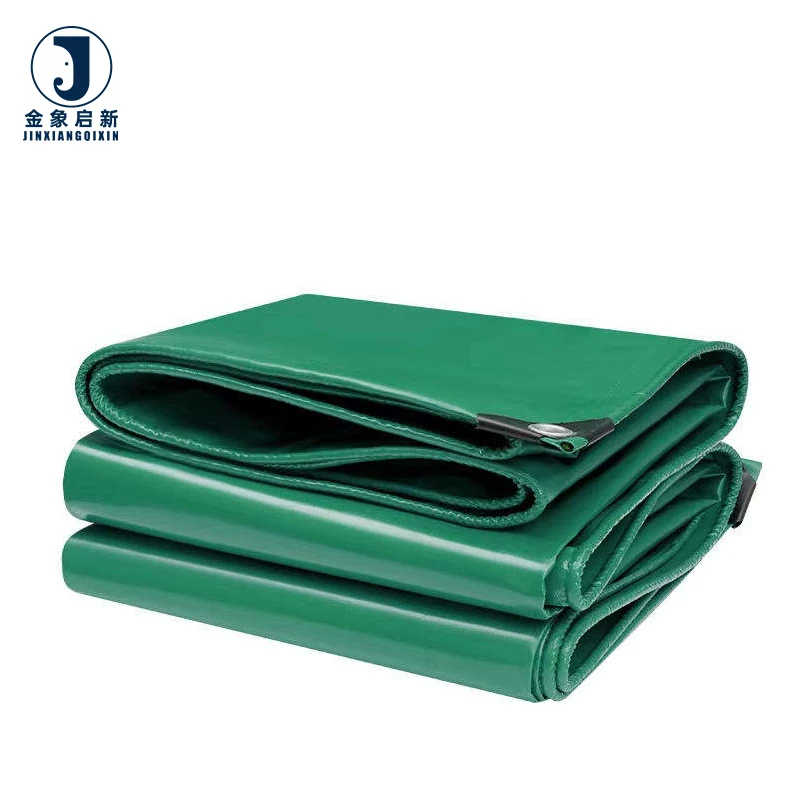
Bulk PVC Coated Tarpaulin Rolls for Distributors and Fabricators — 30 years of coating process control ensures every roll in your shipment carries verified GSM, uniform color, and consistent width for efficient downstream fabrication and resale.
Technical Specifications
| Parameter | Value |
|---|---|
| Product Type | PVC Tarpaulin Roll |
| Weight | 500 to 800 g/m² (select grade for your application) |
| Waterproof Rating | Anti-permeable ≥20KPa |
| Flame Retardant | Self-extinguishing ≤10 seconds (grade not stated — confirm the grade required for your market) |
| Low-Temperature Flexibility | No fracture at -30°C (pliers test) |
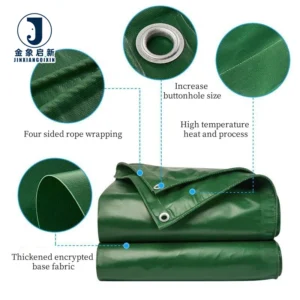
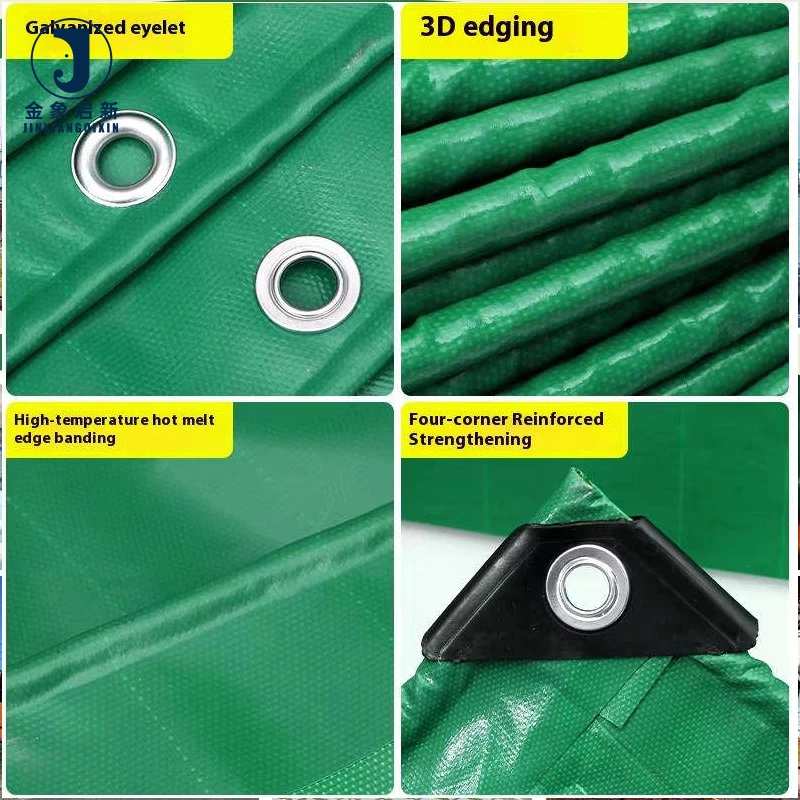
| Seam Construction | High-frequency heat combined welding |
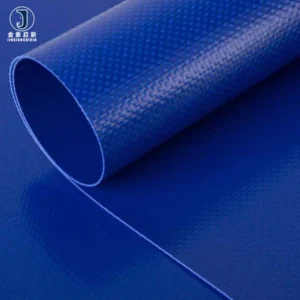
| Surface Options | Available in glossy or matte finish |
| Corrosion Resistance | Acid, alkali, and brine corrosion resistant |
| Water Absorption | Almost no absorbable water |
| Custom Dimensions | Custom width and length available |
| Standards | ISO, CE |
Application Suitability
| Application | Exposure & Requirement |
|---|---|
| Tarpaulin distribution and resale | Consistent GSM and color across rolls for reliable regional inventory |
| Tent, awning, and inflatable fabrication | Stable base fabric for cutting, welding, and pattern nesting |
| Truck and trailer side curtains | Constant flexing, road abrasion, wind load, and weather exposure |
| Construction site covers | UV exposure, mechanical abrasion from debris, repeated handling |
| Pond and reservoir liners | Permanent water contact, soil chemistry, puncture risk from substrate |
| Agricultural stock covers | Moisture barrier, wind stress, seasonal temperature fluctuation |
Why a Quoted GSM Does Not Guarantee What Arrives on the Dock
Verified roll weight requires in-process QC checkpoints, not just a figure on the proforma invoice.
Purchasing PVC coated tarpaulin rolls in volume means you are committing capital to a specification that must hold across every linear meter in the container. When the GSM stated at quotation is lighter on arrival, the downstream consequence is a distributor selling a product that underperforms against its label, or a fabricator cutting panels that tear prematurely under load. [NEED_CITE: tensile and tear test methods for coated fabrics per ISO 1421] The gap between a quoted weight and a verified weight is not a paperwork issue — it is a process control issue rooted in how consistently coating is applied and measured across the production run.
Roll-to-Roll Consistency in Bulk Supply
Maintaining color and weight uniformity across a container load of PVC tarpaulin roll stock requires more than a single batch of raw material. Coating weight must be checked at multiple stages — after the first coat, after the top coat, and at final winding — so that any drift is caught before the roll is packed. This is where three full production lines with dedicated QA at each stage make the difference between a shipment where every roll matches, and one where adjacent panels look visibly different once unrolled side by side on a truck body or site cover.
Width Availability and Container Loading
When you buy fabric by the roll, the available width directly affects your cutting yield and seam count downstream. Standard and custom widths allow tent makers and side curtain fabricators to optimize pattern nesting and reduce waste. Container loading is planned by roll count, net weight, and CBM, so that each 20-foot or 40-foot unit is loaded to capacity without exceeding weight limits or causing roll deformation during transit. [NEED_CITE: container loading optimization for roll goods]
Reading the Specs That Actually Matter for Roll Stock
The 500 to 800 g/m² weight range covers grades from lighter tarps suitable for short-term covers to heavy-duty fabric for permanent installations. However, GSM alone does not determine tear or tensile strength — the denier of the base yarn and the warp-weft density in the scrim layer work together with coating weight to define the final mechanical performance. A 650 g/m² roll with a high-density polyester base will resist tear propagation better than a roll of the same weight built on a loosely woven scrim. High-frequency heat combined welding produces seams where the coating layers fuse together at the molecular level, creating joints that resist cracking when the fabric flexes under load or temperature change. Low-temperature flexibility verified at -30°C without fracture means the plasticizer system in the PVC compound remains stable in cold-climate storage and transport, avoiding the brittle failure that causes coated fabrics to crack when unrolled in winter conditions.
The Hidden Cost of Skipping Batch Verification
A shipment where color drifts between rolls forces a fabricator to reject entire panels after cutting and welding, not before. Rolls that arrive lighter than the quoted GSM produce covers that puncture or tear months earlier than expected, generating warranty claims that erode a distributor’s margin. [NEED_CITE: field failure correlation with unverified coating weight in PVC tarpaulins] When flame retardant performance is claimed without a documented test basis, a construction or mining project may fail its safety inspection, halting work until compliant material arrives.
What This Supply Chain Delivers for Roll Buyers
Coating process control developed over nearly 30 years of focused production means the PVC compound formulation and application parameters are stable from one production run to the next. Three full production lines with 36 sets of professional equipment provide the capacity to fill container orders within agreed lead times. A 10-person R&D team handles custom width, color matching, and sample development so that you can test a roll on your own cutting table before committing to a full order. Dedicated QA and QC inspection at every production stage — not just final inspection — catches coating weight drift, color variance, and surface defects before the roll leaves the factory. One hundred percent pre-shipment inspection with a documented roll-by-roll record means you receive a packing list you can verify against the physical shipment.
Documentation & Verification
- Material specification sheet stating GSM, base fabric denier, and coating type for each roll batch
- Pre-shipment inspection record with roll-by-roll weight verification before container loading
- Roll packing list detailing roll count, net weight, and CBM for freight planning
- Test report for flame retardant property provided upon request to support compliance filing
- Batch color reference documented for accurate matching on reorders
Fabrication, Handling & Storage
- High-frequency welding parameters should be calibrated to the specific GSM grade ordered for optimal seam fusion
- Rolls stored flat on pallets in shade prevent surface deformation and coating adhesion loss over time
- Glossy finish rolls clean more readily from construction dust and road grime with mild detergent solutions
- Matte finish surfaces accept printed branding and pattern registration more reliably during fabrication
- Cold-weather unrolling requires gradual acclimatization to avoid stress cracking at the roll core
- Cutting layout should account for selvage width to maximize usable yield from each PVC tarpaulin roll
What to Include in Your Inquiry
Specify the application and the environmental exposure your end users face so that the correct GSM grade and surface finish can be recommended. Indicate your target width, roll length, and estimated annual volume for accurate bulk pricing and lead time. If your market requires a specific flame retardant grade for building or transport compliance, state the standard so that the correct formulation is allocated. Request a sample roll if you need to validate cutting, welding, or color on your own production line before placing a container order.
Frequently Asked Questions
Q: How is roll-to-roll color consistency maintained across a bulk order?
A: Color matching is controlled within the same production batch using standardized pigment formulations and in-line visual checks. Rolls from a single order are grouped from consecutive production runs to minimize drift. A batch color reference is documented so that reorders match prior shipments.
Q: How do I verify the GSM of each roll upon arrival against the quotation?
A: Each shipment includes a pre-shipment inspection record with weight-per-roll data measured before dispatch. You can cross-check by cutting a measured sample from the roll end and weighing it on a calibrated scale upon arrival at your warehouse.
Q: What custom widths and roll lengths are available, and what are the minimums?
A: Custom widths and lengths are produced to your cutting table requirements. Minimums depend on the width and GSM grade selected. Request a quotation with your specific dimensions and target container volume for a detailed lead time and allocation plan.
Q: How is container loading planned by roll count and weight for cost-efficient shipping?
A: Loading plans account for roll diameter, net weight, and CBM to maximize container utilization without exceeding weight limits. Rolls are secured to prevent shifting and deformation during ocean freight, and a detailed packing list is provided for customs and warehouse receiving.
Q: What flame retardant test documentation accompanies the rolls for my market?
A: Flame retardant performance is documented as self-extinguishing within 10 seconds. The specific test standard applicable to your market should be stated in your inquiry so that the correct test report or third-party certification can be arranged before shipment.