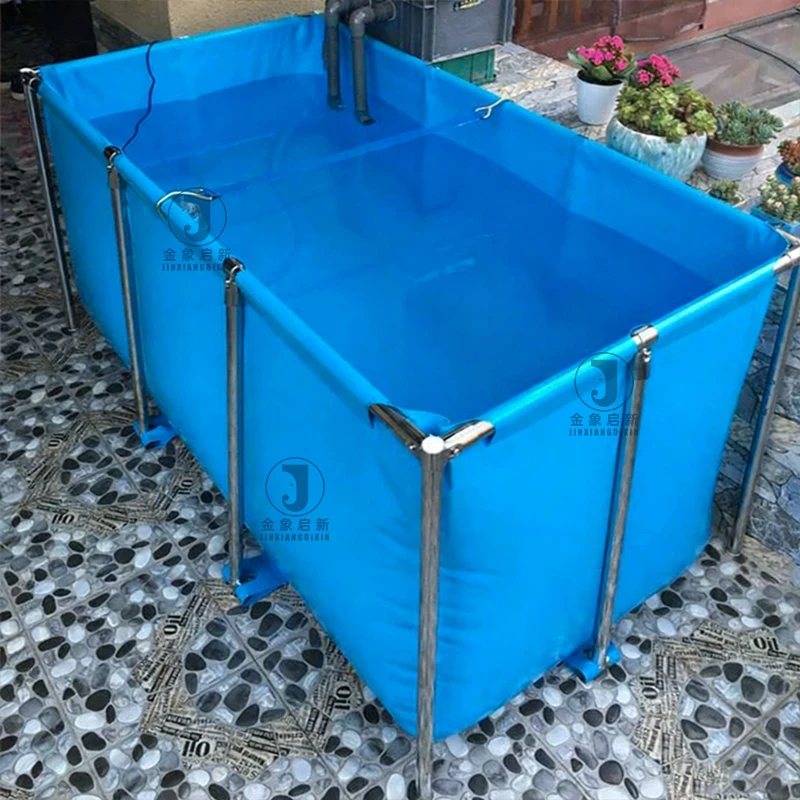
Description
Batch-consistent roll supply — Every roll of PVC tarpaulin pond liner ships with documented GSM and batch traceability, ensuring uniform weight and colour across container-load orders for large-scale aquaculture installations.
Technical Specifications
| Parameter | Value |
|---|---|
| Product Type | PVC Tarpaulin Fish Pond Liner |
| Base Fabric Denier Options | 500D×840D / 500D×1000D / 1000D×1000D / 1000D×1300D / 1300D×1300D / 1000D×2000D |
| Weight Options | 350 / 400 / 420 / 500 / 600 / 650 / 750 / 900 GSM |
| Total Thickness Range | 0.29 mm (400 GSM) – 0.65 mm (900 GSM) |
| Mesh Density | 30×19 / 20×20 / 30×15 depending on grade |
| Tensile Strength Warp | 1650 N – 3900 N depending on grade |
| Tensile Strength Weft | 1600 N – 3500 N depending on grade |
| Coating Material | PVC coated polyester, double-sided |
| Key Features | Waterproof, anti-UV treated, flame retardant available — confirm the grade required for your market |
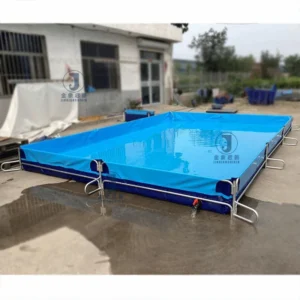
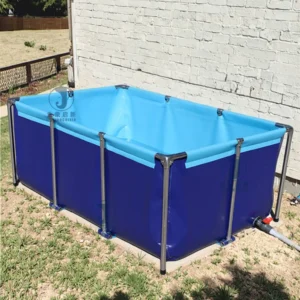
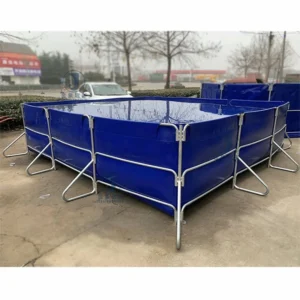
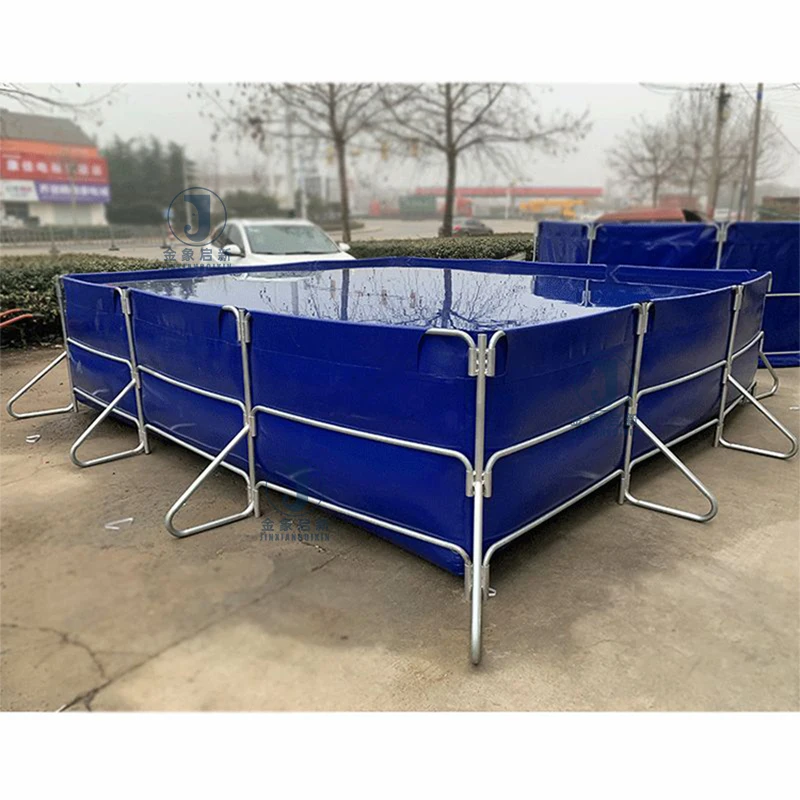
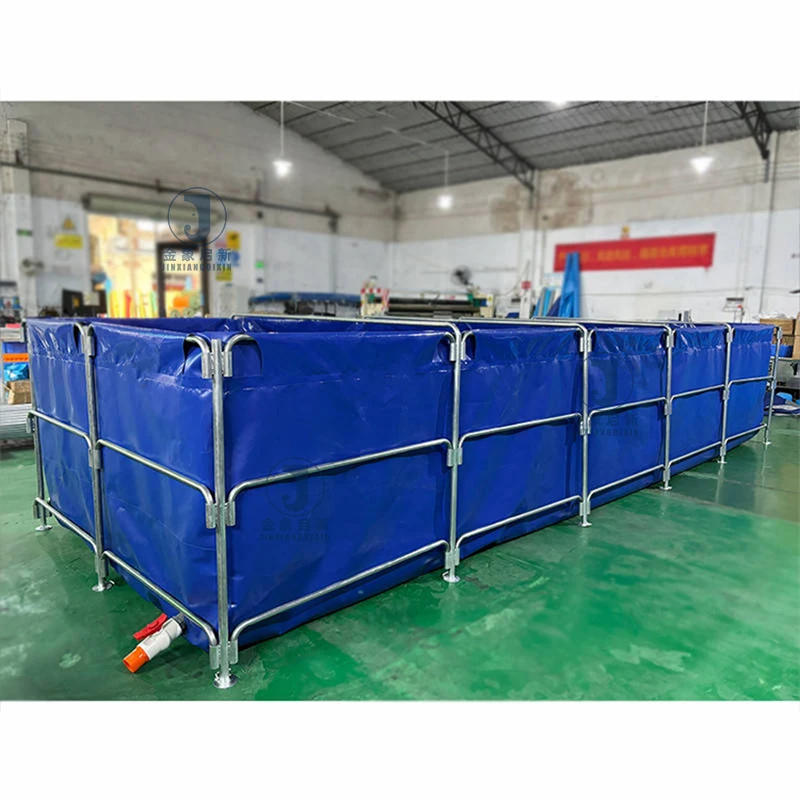
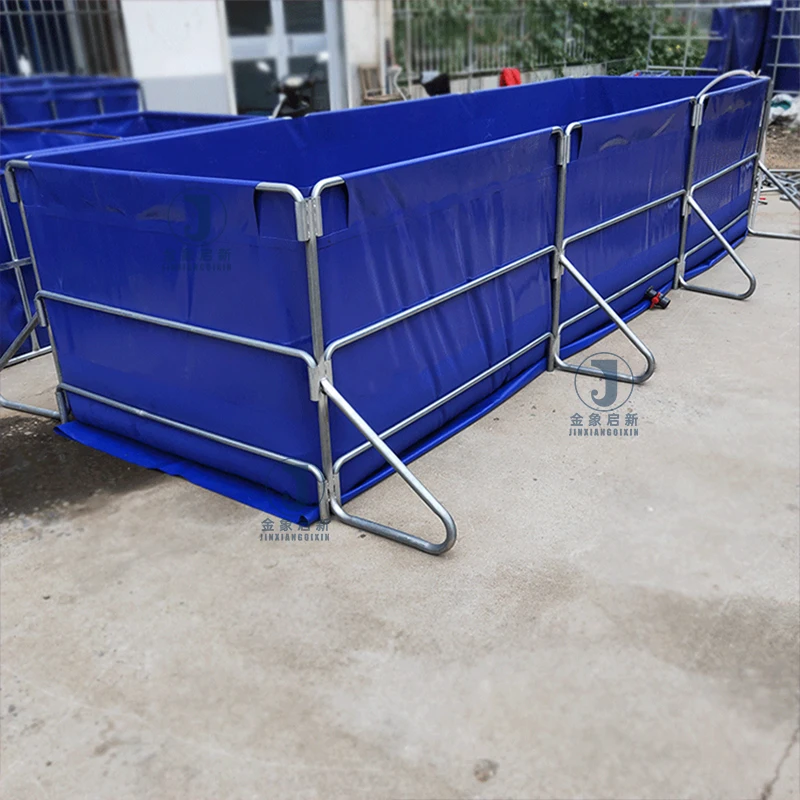
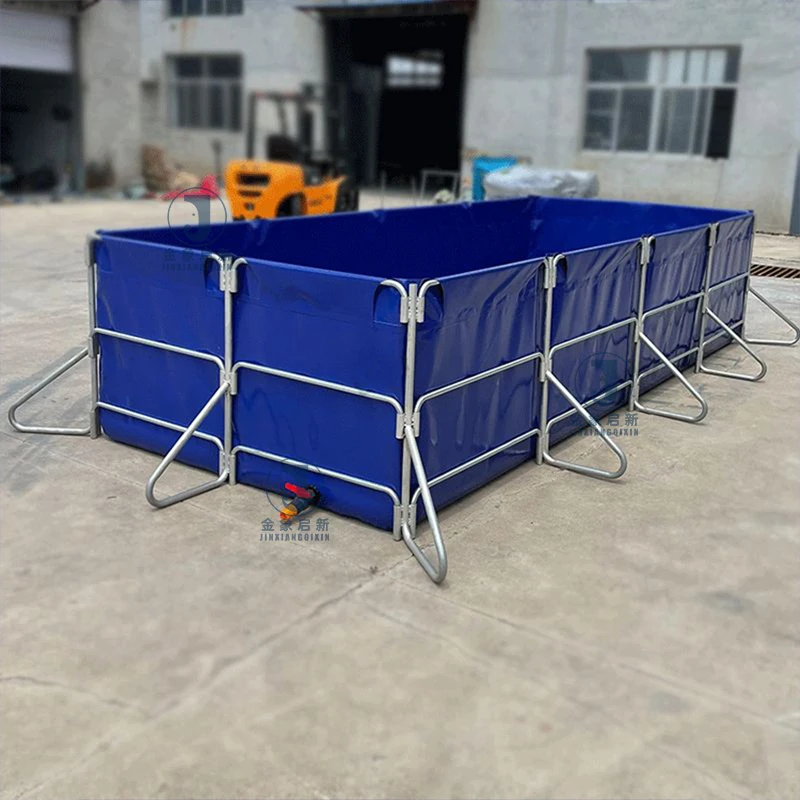
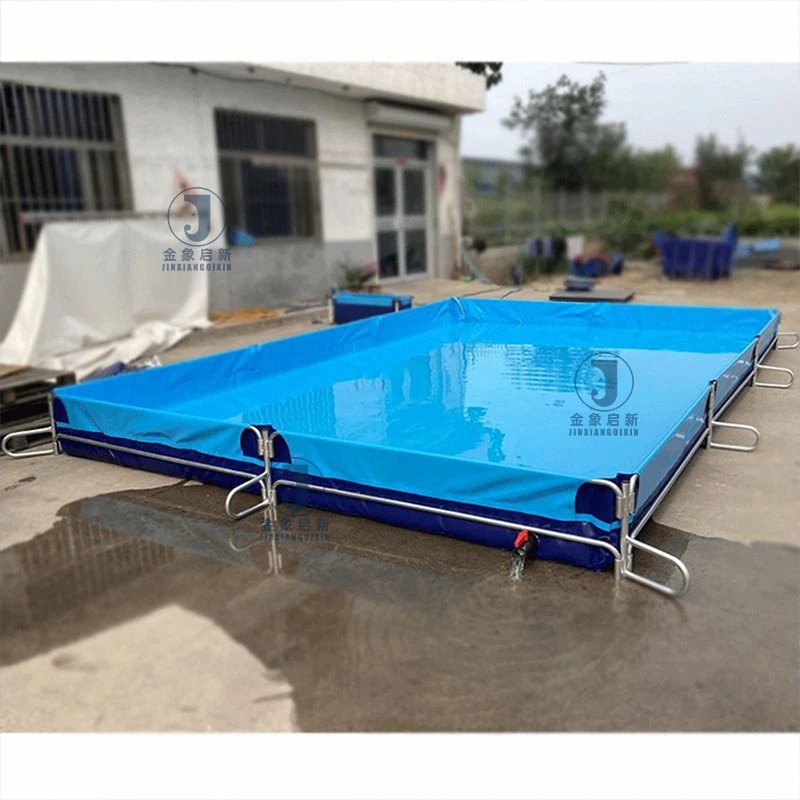
| Shape Options | Circular, rectangular, foldable |
| Surface Finish | Smooth double-sided PVC coating |
| Certifications | ISO, CE |
Application Suitability
| Application | Exposure & Requirement |
|---|---|
| Commercial fish farming ponds | Permanent water immersion, hydrostatic pressure, biological fouling resistance, puncture risk from substrate |
| Aquaculture tank liners | Contained water volume, frequent cleaning cycles, chemical treatment exposure |
| Agricultural stock water reservoirs | Seasonal deployment, UV exposure, fold-and-store handling, livestock traffic near edges |
| Tarpaulin distributor stock | Roll-to-roll consistency across bulk orders, standard widths for regional reselling to pond contractors |
Why Colour Varies Between Rolls in the Same Shipment — and What It Costs You
Consistent colour and thickness across every roll is a production discipline, not a given. When PVC fish pond liner roll stock arrives with shade differences between adjacent panels, the variation becomes visible the moment the liner is unfolded and installed. Reworking a pond that holds thousands of litres of water means draining, stripping, and re-welding — a cost that far exceeds the price difference between suppliers.
Batch inconsistency typically traces back to coating batches mixed at different times, pigment lots that shift between production runs, or calender temperature drift across a long shift. In aquaculture, where a single pond may require several rolls joined by hot-air welding on site, even minor thickness variation between rolls changes how the weld behaves at the seam. A thinner roll melts faster under the same heat settings, producing a weak bond at the exact point where water pressure concentrates. [NEED_CITE: coating weight consistency and its effect on weld seam integrity in PVC tarpaulin]
Every roll of PVC tarpaulin pond liner in a single order runs from the same coating batch with in-process weight checks, so the material you receive matches the specification sheet you approved.
Roll-to-Roll Consistency Across Full Container Loads
Aquaculture operations lining multiple ponds simultaneously need every roll to behave identically during fabrication and installation. When GSM, thickness, and colour remain stable from the first roll to the last, on-site welding crews can run the same heat and speed settings across all panels without pausing to adjust. This PVC fish pond liner roll stock is produced on dedicated lines with continuous coating weight monitoring, reducing the variation that causes seam failures or visible panel mismatches in finished pond installations.
Matching Grade to Pond Depth and Water Load
Selecting the correct weight and denier combination determines how the liner handles hydrostatic pressure at depth. A shallow nursery pond exerts far less force on the base fabric than a multi-metre grow-out pond. The available GSM ladder from 350 to 900, paired with base fabric options from 500D to 2000D, allows buyers to specify a grade that matches the structural demand without paying for unnecessary thickness. Heavier grades with higher denier yarns deliver greater tensile and tear resistance where water load and substrate puncture risk are highest. [NEED_CITE: hydrostatic pressure calculations for lined aquaculture ponds by depth]
How Base Fabric Density and Coating Weight Work Together
Weight alone does not determine strength. A 650 GSM liner woven at 20×20 density distributes load differently than one at 30×19, even if the coating weight is identical. Higher mesh counts place more yarns per centimetre, spreading tensile stress across a larger number of filaments before any single yarn reaches its breaking point. The PVC coating fills the weave interstices and bonds to the polyester substrate, adding dimensional stability and waterproof sealing. When denier, mesh count, and coating weight are specified together, the resulting tensile and tear values reflect the combined system rather than any single component. This is why two liners quoted at the same GSM can show markedly different strength figures on a test report.
The Hidden Cost of Specifying the Wrong Grade
A liner that is too light for its pond depth will stretch under sustained hydrostatic pressure, stressing welded seams at the points where the substrate flexes most. Over time, this sustained tension accelerates coating micro-cracking, particularly in zones exposed to direct sunlight above the waterline. Conversely, specifying a 900 GSM heavy-duty grade for a shallow seasonal reservoir adds unnecessary material cost and makes the liner harder to fold and store between seasons. Batch thickness variation within a single order compounds the problem — welders running consistent settings produce strong bonds on correctly-weighted panels but burn through thinner sections, creating leak paths that only appear once the pond is filled. [NEED_CITE: PVC tarpaulin seam failure modes under sustained hydrostatic load]
Why Aquaculture Buyers Source Roll Stock Here
Three full production lines and 36 sets of professional equipment run dedicated coating batches, maintaining GSM and colour consistency across large-volume pond liner orders. A 10-person R&D team develops custom widths and sample panels within days, allowing buyers to verify material behaviour before committing to a full container. Dedicated QA and QC operate at every production stage with 100 percent pre-shipment inspection, catching weight deviations and surface defects before rolls are packed. Nearly 30 years of coated fabric process control translates into reliable coating adhesion and uniform thickness from roll to roll. Documentation ships with every order — specification sheets, packing lists, and inspection records — so receiving teams can verify the PVC fish pond liner roll stock against the original quotation on arrival.
Documentation & Verification
- Material specification sheet stating GSM, base fabric denier, and coating weight for each roll shipped
- Pre-shipment inspection record confirming weight and roll count against the purchase order
- Roll packing list with individual identification numbers for batch traceability through the supply chain
- Test reports for anti-UV and flame retardant treatments supplied with the specific production batch
- Certificate of origin and customs documentation for international aquaculture liner shipments
Fabrication, Handling & Storage
- Hot-air welding temperature and speed should be tested on a scrap piece from the same GSM grade before joining full panels
- Store rolls horizontally on pallets to prevent edge deformation that affects flat lay-out during pond installation
- Unroll heavier grades such as 750 and 900 GSM with mechanical assistance to avoid creasing the PVC coating
- Clean liner surfaces with mild detergent only — solvent-based cleaners degrade the double-sided PVC coating layer
- Allow cold-transported rolls to reach ambient temperature before unrolling to prevent low-temperature coating stiffness and cracking
- Plan panel cutting layout to minimise off-cuts and reduce the number of on-site welded seams per pond
What We Need to Prepare Your Quotation
Provide the pond dimensions, depth, and whether the installation is permanent or seasonal so we can recommend the appropriate GSM and denier combination. Specify your required roll width and whether you need standard stock grades or custom colour runs for batch consistency across a large project. Let us know if your market requires flame retardant or specific anti-UV test documentation, and whether you need roll stock only or finished cut-to-size panels with welded seams.
Frequently Asked Questions
Q: How do I confirm the roll weight matches the quoted GSM on arrival?
A: Each roll ships with a material specification sheet stating the exact GSM, base fabric denier, and coating weight. We recommend weighing a measured sample section on receipt to cross-check against the documented specification. Our pre-shipment inspection records include individual roll weight data for your reference.
Q: Can you guarantee colour and thickness consistency across a full container order?
A: Yes. All rolls in a single order are produced from the same coating batch with continuous in-process weight monitoring. Our 100 percent pre-shipment inspection covers both visual colour matching and thickness verification before packing, so panels installed side by side show uniform appearance.
Q: What GSM and denier do I need for my pond depth?
A: Deeper ponds with higher hydrostatic pressure require heavier GSM grades and higher denier base fabrics to maintain tensile integrity. Share your pond depth, dimensions, and expected water load, and our R&D team will recommend the grade that balances structural performance with handling and cost requirements.
Q: Do you provide test reports for UV and flame retardant treatments?
A: Test reports for anti-UV and flame retardant treatments are supplied with the specific production batch when these options are specified in your order. Confirm the grade or standard required by your local regulations during the inquiry stage so we can include the correct documentation with your shipment.
Q: What is the minimum order and lead time for custom widths or colours?
A: Custom width and colour orders carry minimums and lead times that vary by specification. Provide your required roll dimensions, colour reference, and total quantity, and we will respond with a quotation covering minimum order, production schedule, and sample development timeline for your approval.