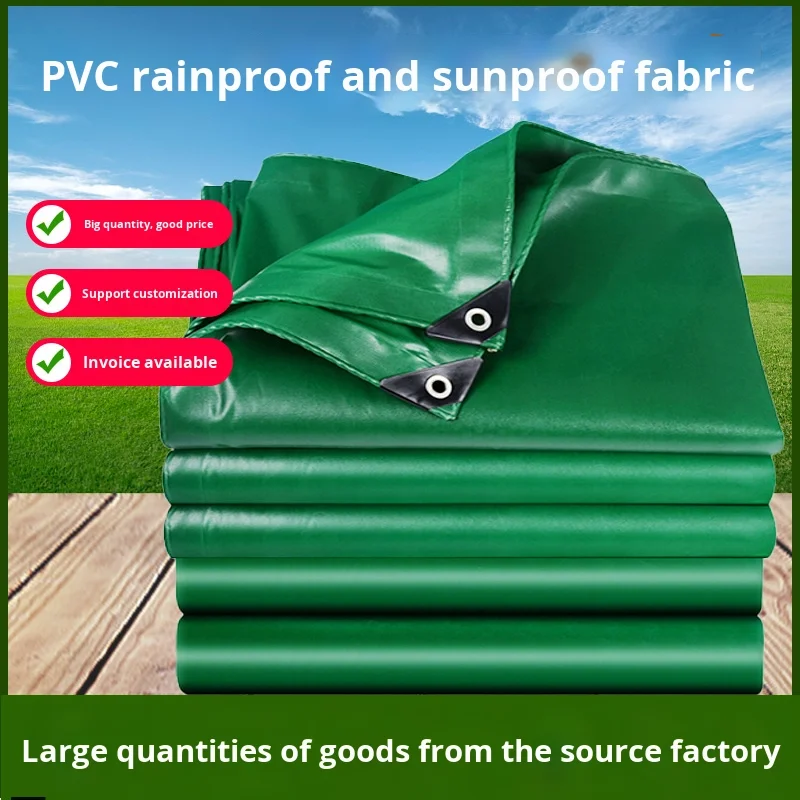
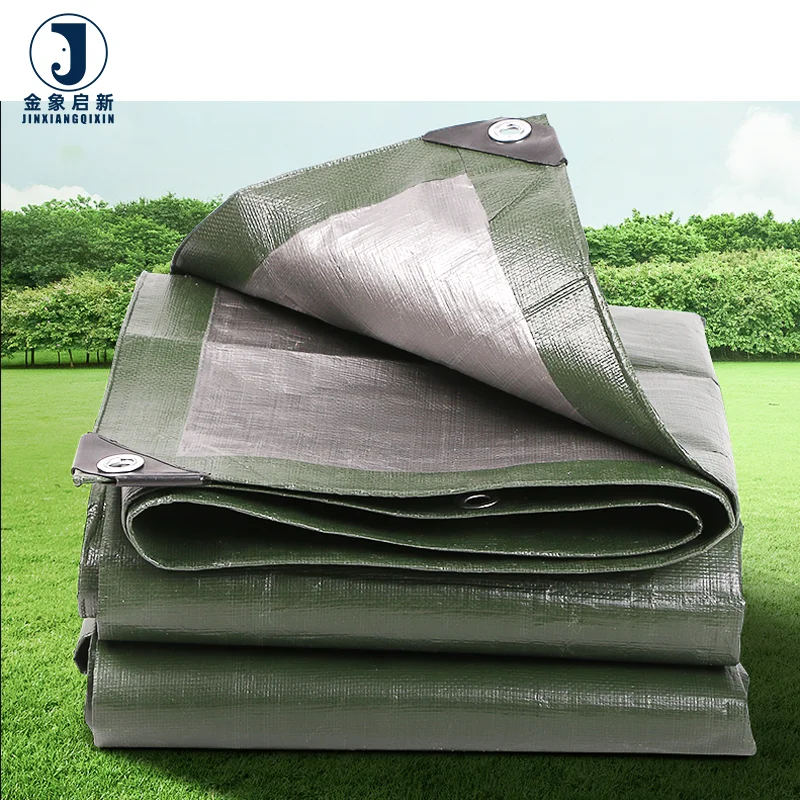
Description
Stock Grade Reliability — Every roll is inspected against its quoted GSM before dispatch, ensuring distributors receive fabric that matches the material specification sheet line by line.
Technical Specifications
| Parameter | Value |
|---|---|
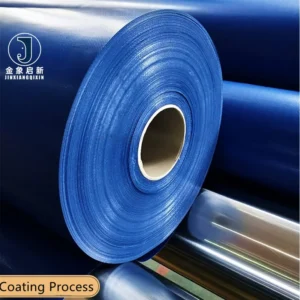
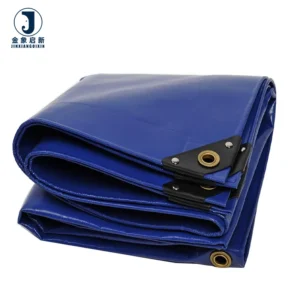
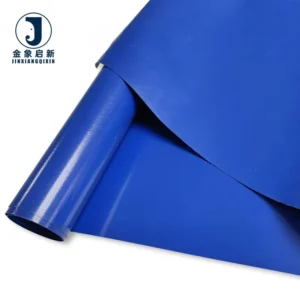
| Product Type | PVC Coated Tarpaulin Roll |
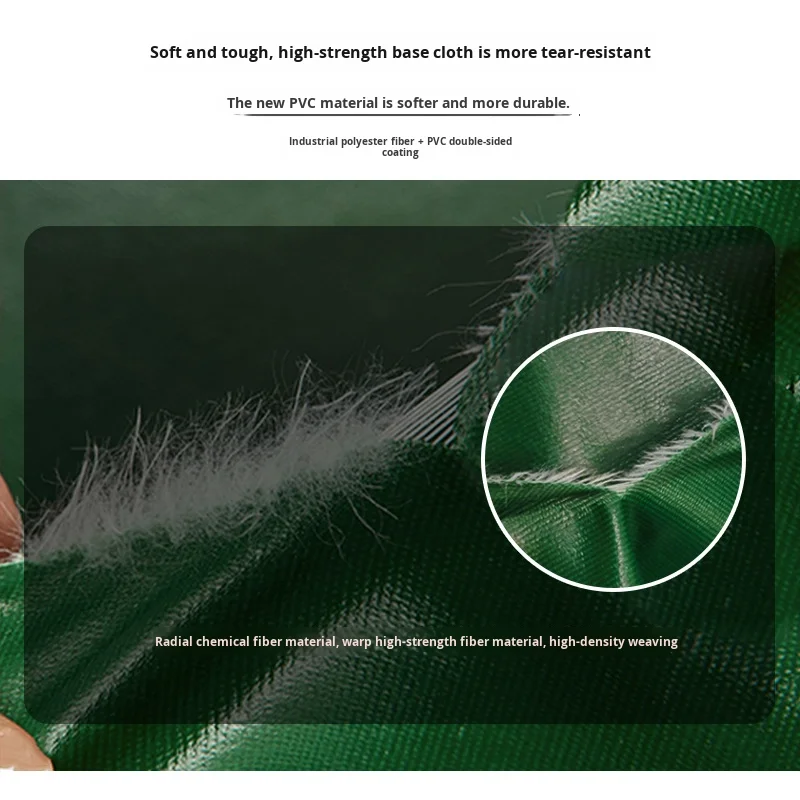
| Base Fabric | 500D×500D Polyester |
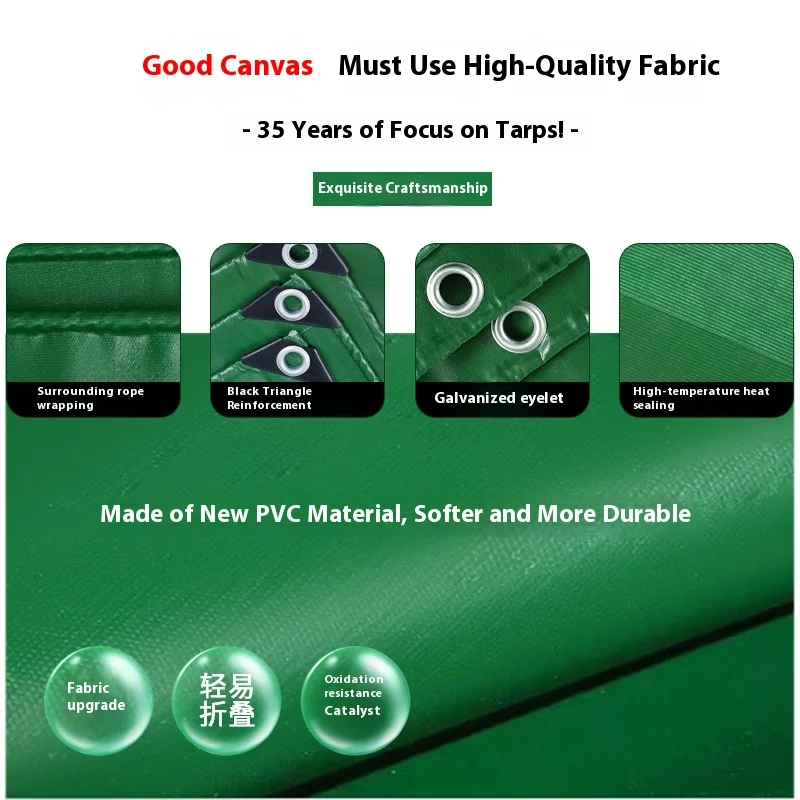
| Coating Material | PVC (double-sided) |
| Weight | 450–900 g/m² |
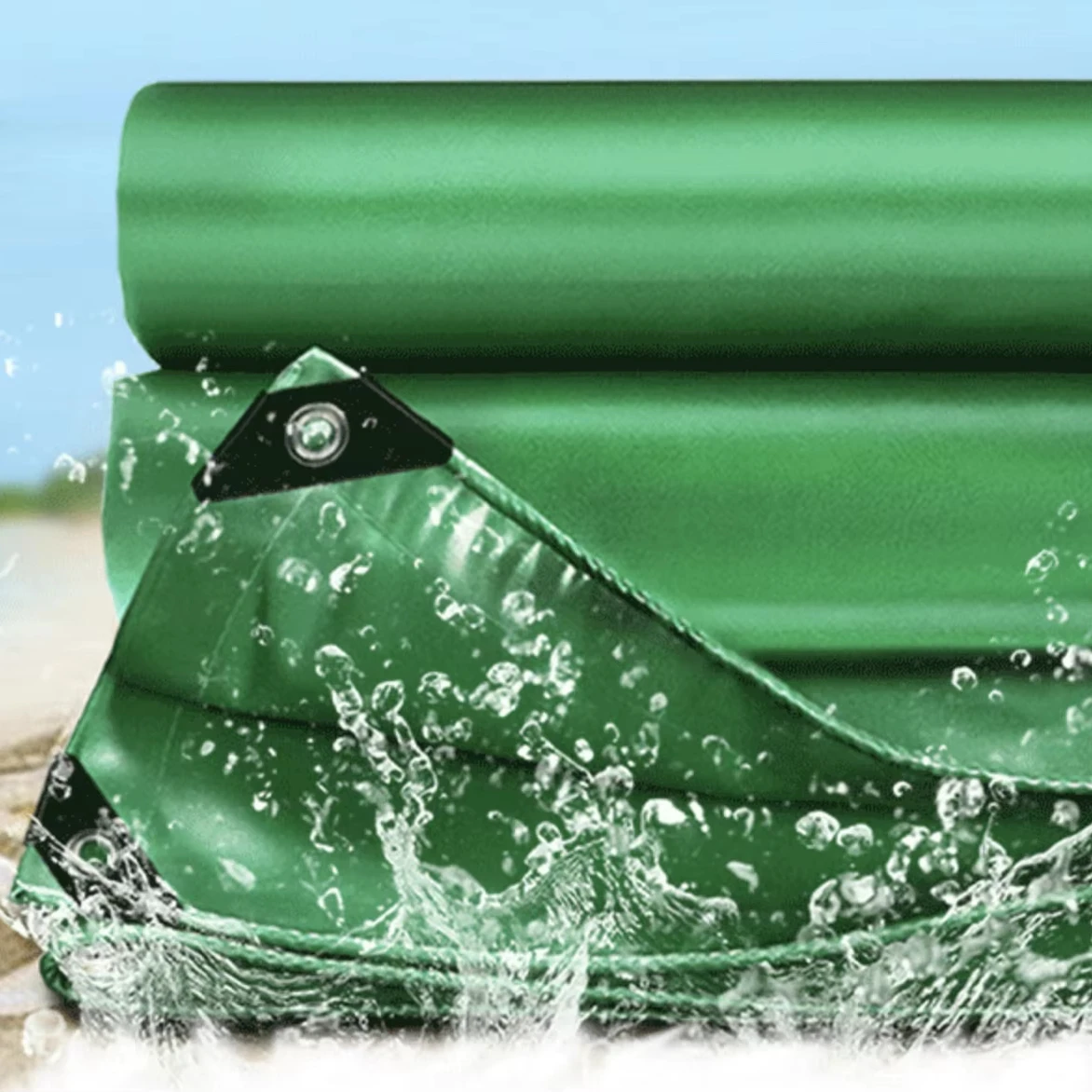
| Key Features | Water resistant, waterproof; available in flame retardant and anti-UV grades — confirm the grade required for your market |
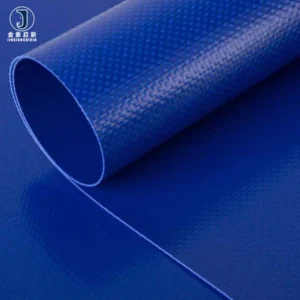
| Finish Options | Glossy or matte surface available |
| Width & Length | Custom width and roll length available on request |
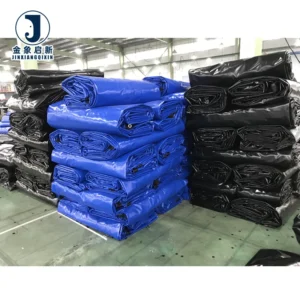
| Packaging | Roll packing, bale packing, or carton |
Application Suitability
| Application | Exposure & Requirement |
|---|---|
| Tarpaulin distribution & import | Consistent GSM, colour uniformity across rolls, and reliable container-load packing for onward sale |
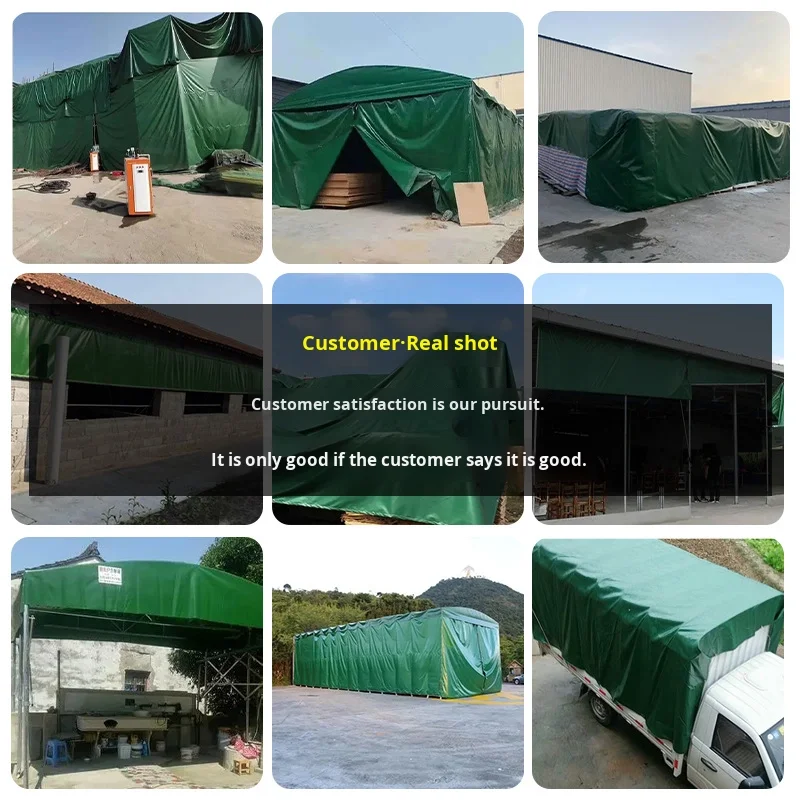
| Truck, trailer & side curtain fabrication | Constant flexing at load points, road abrasion, weather and UV exposure during transit |
| Awning & tent manufacturing | Roll-to-roll shade consistency, clean weldability, and surface finish suited to printing or branding |
| Machinery & cargo covering | Puncture resistance from handling, water ingress prevention, and abrasion from loading operations |
What Happens When Roll Weight Falls Short of the Quotation
The heaviest-looking roll on the invoice does not guarantee the heaviest fabric on the warehouse floor.
When buying PVC coated tarpaulin rolls in volume, the gap between quoted GSM and actual measured weight is one of the most costly surprises a distributor can face. Fabric that arrives lighter than specified means thinner coating, reduced tear resistance, and end-user complaints that travel back up the supply chain. I have watched importers reject entire containers because random-roll sampling showed weights consistently below the agreed range — a problem that is far more common than suppliers admit [NEED_CITE: pre-shipment inspection data for coated fabric rolls]. The PVC coated tarpaulin roll wholesale market is especially vulnerable to this drift because coating weight is difficult for a buyer to verify without cutting and weighing a sample.
Roll-to-Roll Colour Consistency Across a Single Shipment
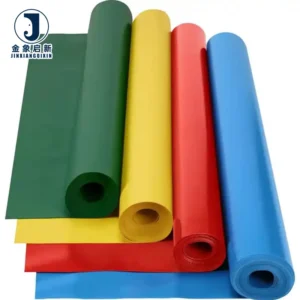
Colour shift between rolls ordered together is one of the most visible defects once the fabric is unrolled side by side at the fabrication bench. For distributors supplying awning makers or tent manufacturers, even a slight shade variation can trigger a full batch rejection. Maintaining tight colour tolerance requires controlled pigment dosing and consistent coating temperature across every production run. When you source a PVC coated tarpaulin roll wholesale, confirming that the supplier runs colour checks in-process — not just at final inspection — is the difference between a clean onward sale and a costly sorting exercise.
Container Loading Efficiency and Roll Packing Strategy
How rolls are packed directly affects how many linear metres fit in a container and whether they arrive undamaged. Loose roll packing wastes cubic space; over-tight bale packing can leave permanent creases in the coating that show up as visible lines after fabrication. Carton packing adds cost but protects edges during handling at transhipment ports. For wholesale buyers planning full-container orders, specifying the packing format up front — and getting a loading plan with net weight and roll count — avoids surprises at the stuffing stage [NEED_CITE: container loading practices for coated fabric rolls].
How Denier, Coating Weight, and GSM Interact in Practice
The 500D×500D polyester base fabric provides the structural backbone: tensile and tear strength originate from yarn count and weave density, not from the PVC coating alone. Coating weight adds waterproofing, abrasion resistance, and UV protection, but a heavy coating on a low-denier base does not produce a stronger fabric — it produces a stiffer one that may crack at fold lines. This is why GSM alone is a poor predictor of field performance. The relationship between base fabric density and coating thickness must be balanced for the intended application, and the total GSM should be read alongside the denier specification rather than in isolation [NEED_CITE: tensile and tear test methods for coated fabrics per ISO 1421]. A roll that reads 650 GSM on a 500D base behaves very differently from the same weight on a 1000D base, particularly in tear propagation resistance.
The Hidden Cost of Accepting Rolls Without Batch Verification
A distributor who skips incoming inspection on a bulk shipment may not discover GSM shortfalls or shade variation until the fabric is already in the hands of fabricators. At that point, the cost of replacement includes not just the material but the cutting, welding, and labour already invested. Flame retardant grades that arrive without a supporting test report create a different kind of liability: the fabric may fail a site inspection, halting a construction or mining project until compliant material arrives. These are not theoretical risks — they are the most frequent reasons buyers switch roll suppliers [NEED_CITE: common causes of coated fabric batch rejection at import].
Why Source Rolls from This Production Facility
Three full production lines with dedicated equipment allow bulk roll orders to run without competing for capacity against small-batch custom jobs. A 10-person R&D team handles material selection and sample development so that custom widths, colours, and treatment grades are confirmed before the bulk run starts. Every roll passes through QA/QC checkpoints during production, not only at final inspection, catching GSM drift and shade variation before the roll is wound. Pre-shipment inspection records accompany each dispatch, giving you documentation to match against the material specification sheet. Samples are developed within days for any custom requirement, letting you approve hand-feel, colour, and weld behaviour before committing to volume.
Documentation & Verification
- Material specification sheet stating base fabric denier, coating type, and GSM for each roll grade
- Weight verification record per roll checked against the quoted value before dispatch
- Roll packing list with width, length, net weight, and total roll count per container
- Colour reference documented to ensure batch shade consistency is traceable
- Certificate of origin and customs documentation included with every shipment
- Test report for flame retardant or anti-UV grades provided where applicable
Fabrication, Handling & Storage
- Heat-weld PVC coated tarpaulin rolls at temperatures matched to coating thickness for clean peel strength
- Store rolls upright on pallets to prevent flat-spot creases in the coating surface
- Allow rolls to acclimatise before unrolling in cold conditions to avoid coating crack
- Use compatible PVC welding tape for seam repairs on 500D base fabric constructions
- Plan cutting layouts around roll width to minimise offcut waste and cross-seams
- Clean matte finish surfaces with mild detergent only to preserve coating adhesion
How to Structure Your Enquiry for a Fast, Accurate Quotation
Specify the target GSM range, base fabric denier preference, and whether flame retardant or anti-UV treatment is required for your market. Include the roll width and length you need, along with estimated annual volume, so that pricing tiers and lead times can be aligned to your restocking schedule. If colour consistency across batches is critical, request a sample roll for approval before the bulk run begins.
Frequently Asked Questions
Q: How do I verify GSM on arrival against the quoted value?
A: Each shipment includes a pre-shipment inspection record with roll-by-roll weight checks. On arrival, you can cut a measured sample from any roll, weigh it, and compare the result to the material specification sheet supplied with the documentation pack.
Q: How is batch colour consistency controlled across multiple rolls?
A: Pigment dosing and coating temperature are monitored in-process across the production run. A colour reference is recorded for each order, and rolls are checked against that reference before packing to ensure shade uniformity across the full shipment.
Q: What custom widths and roll lengths are available at volume?
A: Custom widths and lengths are available with sample confirmation before the bulk run. Provide your required dimensions and annual volume so that production scheduling and container loading plans can be optimised for your order.
Q: How are rolls packed for container loading to minimise transit damage?
A: Roll packing, bale packing, and carton options are all available. A detailed packing list with net weight and roll count is provided so you can plan container loading efficiently and verify the shipment on arrival.
Q: What is the sample and approval process before a bulk order runs?
A: Samples are developed within days for any custom requirement. You review hand-feel, colour, and weld behaviour, approve the sample, and production begins only after your written confirmation to ensure the bulk run matches your specification.