Description
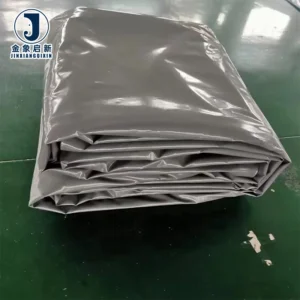
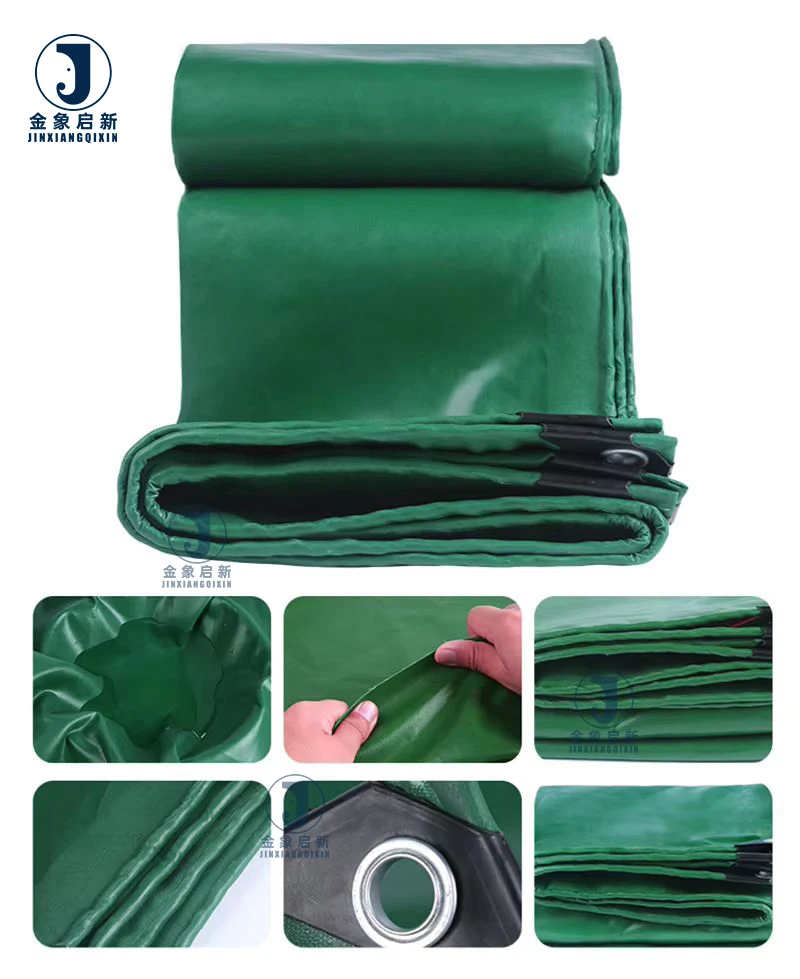
Bulk Roll Consistency — every roll of PVC coated tarpaulin passes dedicated QA/QC with 100% pre-shipment inspection, ensuring the GSM on your packing list matches the material arriving at your warehouse.
Technical Specifications
| Parameter | Value |
|---|---|
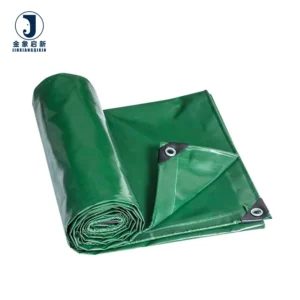
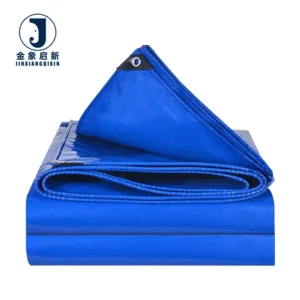
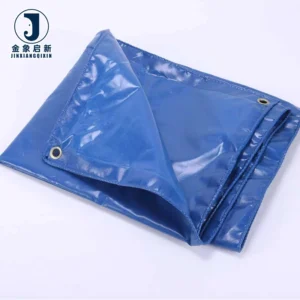
| Product Type | PVC Coated Tarpaulin |
| Weight Options | 700gsm / 850gsm / 900 gsm |
| Coating Material | PVC |
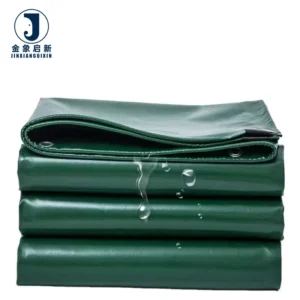
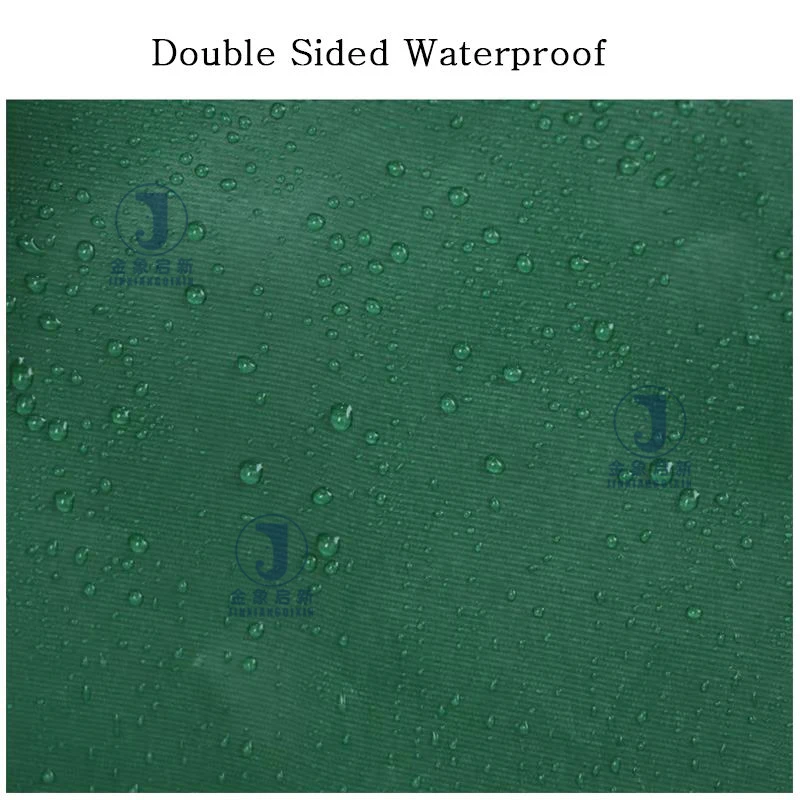
| Waterproof | Yes |
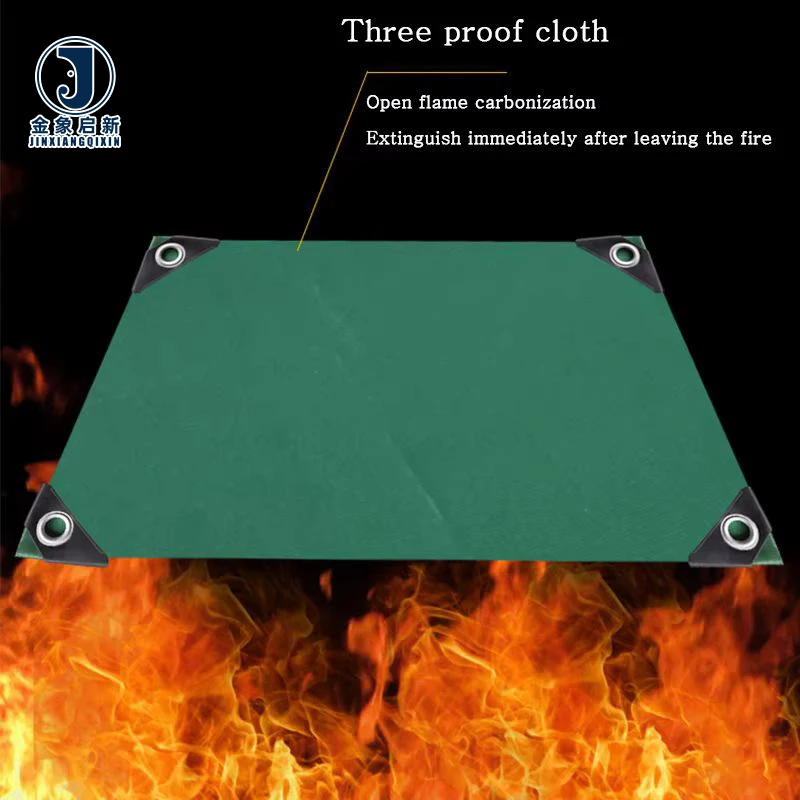
| Flame Retardant | Available (grade not stated in source — confirm the grade required for your market) |
| Anti-Static | Available (test basis not stated in source — request test report for compliance) |
| Anti-Mildew | Available |
| Anti-Cold | Available |
| Weather Resistance | 1–3 years outdoor exposure (source value — verify against manufacturer catalog) |
| Roll Format | Available |
| Customization | Available |
| Certifications | ISO 9001, CE |
Application Suitability
| Application | Exposure & Requirement |
|---|---|
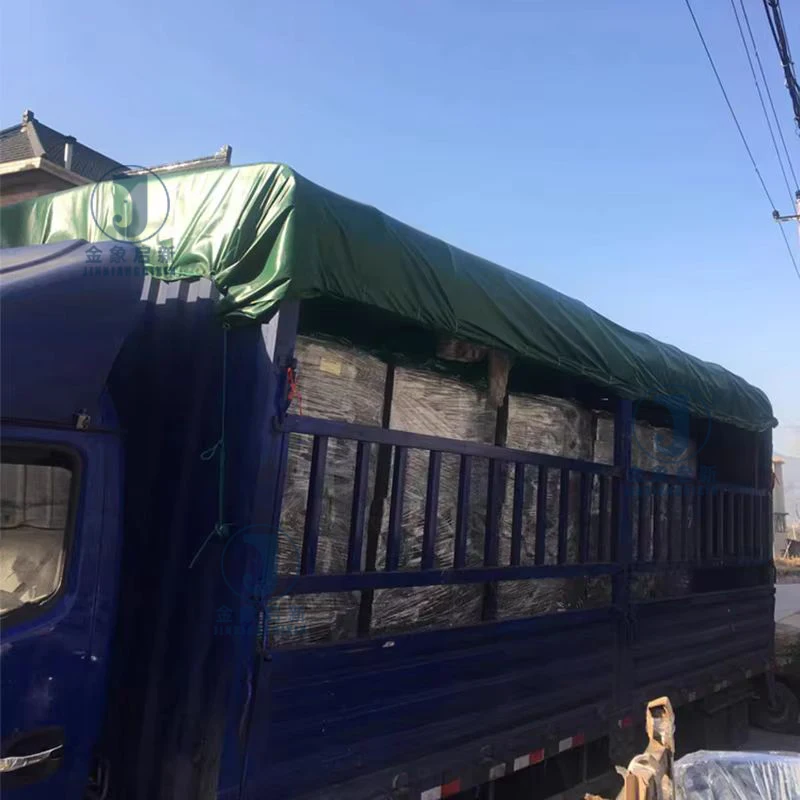
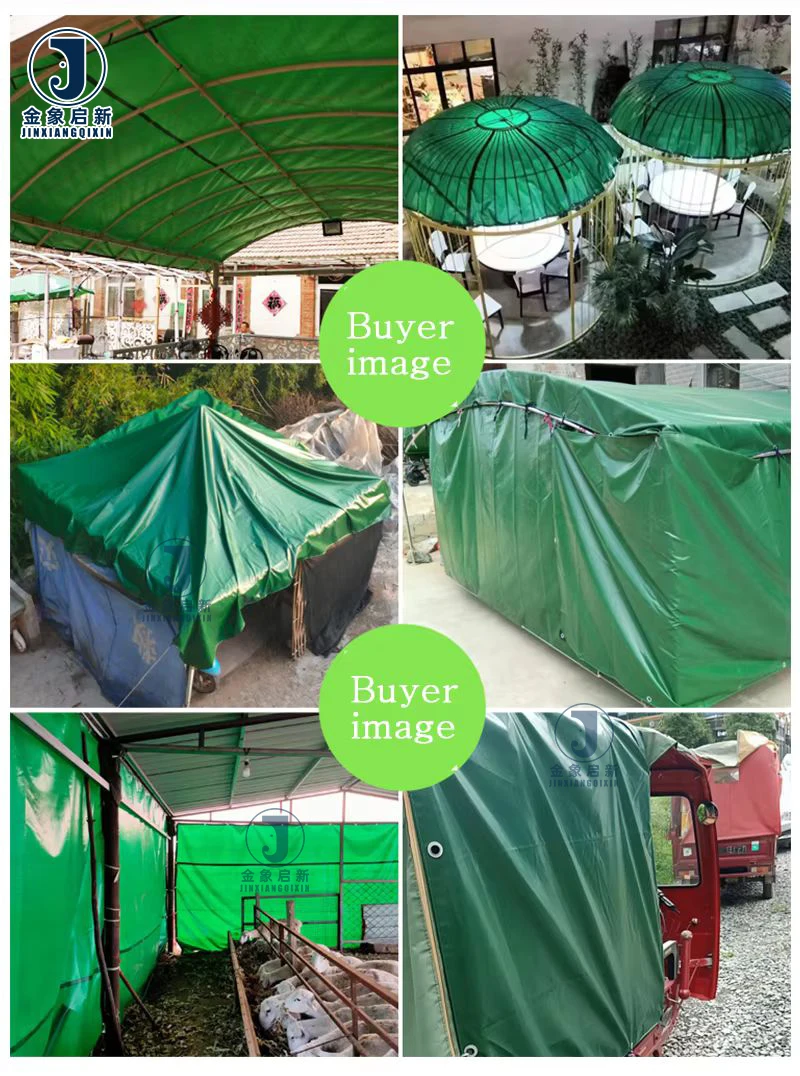
| Truck cargo cover fabrication | Constant road vibration, flexing at tie-down points, UV and rain exposure, abrasion from load movement |
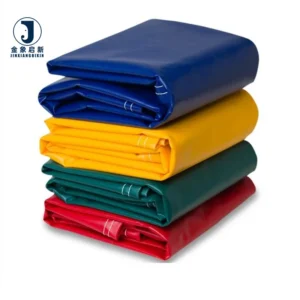
| Tarpaulin distributor stock | Multiple GSM grades for regional resale, batch colour consistency across container quantities, shelf-ready roll packing |
| Construction site equipment covering | Outdoor weathering, dust and debris contact, repeated deployment and folding, puncture risk from sharp edges |
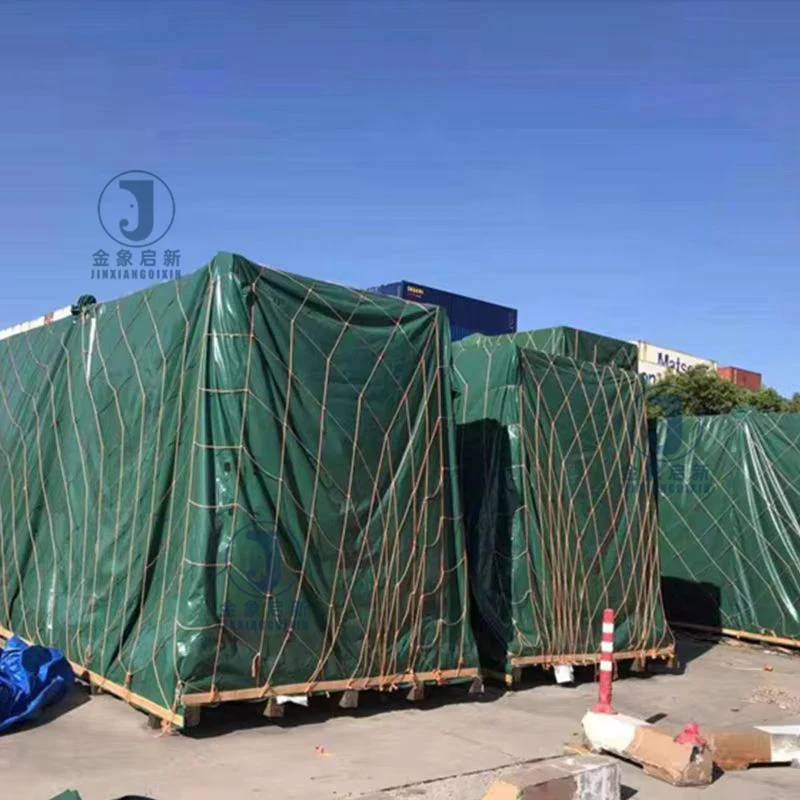
| Industrial material containment | Chemical splash exposure, moisture ingress prevention, long-term static loading on covered stock |
| Soundproof barrier material | Acoustic dampening requirement, indoor or semi-outdoor installation, handling during rigging and takedown |
Why the Stated GSM Is Not the Only Measure of Fabric Performance
GSM tells you what you are paying for by weight, but base fabric denier and weave density determine how that weight performs under load.
When sourcing PVC coated tarpaulin roll wholesale, buyers often compare quotations on GSM alone. Two rolls both labelled 850gsm can carry very different base fabrics — one with a high-denier, tight-weave scrim and another with a lighter yarn compensated by thicker coating. The difference shows up at the weld line and at stress points where the cover flexes repeatedly over a load. [NEED_CITE: tensile and tear test methods for coated fabrics per ISO 1421]
A roll that meets its stated weight but uses a loosely woven base will tear more easily once a puncture starts, because the yarns have room to separate before engaging the next thread. This is why a specification sheet listing base fabric denier and thread count alongside GSM gives you a far more complete picture of what the material will do in service.
Roll-to-Roll Weight Verification Across Container Quantities
Distributors and fleet operators buying PVC coated tarpaulin roll wholesale need every roll in a container to match the ordered specification. A shortfall of even a small percentage in coating weight per square meter compounds across hundreds of linear meters and changes the durability profile of the finished cover. In-process quality checks at every coating stage catch weight drift before the roll is wound, rather than relying on a single end-of-line sample.
Colour and Surface Consistency Between Production Batches
When a transport company orders enough material to cover an entire fleet, visible shade variation between rolls creates a patchwork appearance once the covers are installed side by side. Colour matching is enforced through controlled pigment dosing and reference standards checked under consistent lighting at each production run. [NEED_CITE: colour fastness and batch consistency standards for coated technical textiles] Requesting a colour reference number with your order allows future reorders to match the original shade without a physical sample exchange.
How Coating Weight and Base Fabric Interact
The relationship between GSM and actual field performance depends on how that weight is distributed between base fabric and coating. A 700gsm roll with a dense, high-denier polyester scrim will resist tear propagation better than a 900 gsm roll where most of the weight sits in the PVC coating layer. The coating provides waterproofing and surface protection, but the scrim carries the structural load. Knife-over-roll coating builds a thicker film that improves abrasion resistance at the cost of flexibility, while calendered coating produces a thinner, more pliable sheet suited to applications requiring frequent folding. Understanding this balance lets you select the grade that matches your specific cover design and load profile rather than defaulting to the heaviest option available.
The Hidden Cost of Selecting the Wrong Roll Specification
Ordering a lighter grade to save on material cost creates downstream losses when the finished cover fails at the weld line under normal load flexing. Seams separate before the fabric body reaches its expected service life, forcing warranty replacements and damaging your reputation with end users. Similarly, specifying flame retardant material without confirming the exact grade required by your destination market leads to rejected shipments at the point of compliance inspection. [NEED_CITE: fire classification requirements for transport and construction covering materials] Batch colour inconsistency discovered after fabrication means the entire production run may need rework or write-off, costing far more than the price difference between suppliers.
Why Procurement Teams Source These Rolls Here
Three full production lines and 36 sets of professional equipment maintain throughput capacity so container-quantity orders ship on schedule without splitting across multiple vessels.
A 10-person R&D team develops custom widths, colours, and surface treatments with samples produced within days, shortening the approval cycle for new specifications.
Dedicated QA/QC at every production stage with 100% pre-shipment inspection catches weight deviation, coating defects, and colour drift before rolls leave the factory floor.
ISO and CE certified production provides the documentation trail that importers and distributors need for customs clearance and regulatory compliance in regulated markets.
Deep process control over coating weight and adhesion, built over nearly 30 years of focused coated fabric production, delivers roll-to-roll consistency that reduces your incoming inspection burden.
Documentation & Verification
- Material specification sheet stating exact GSM, base fabric denier, and coating type per roll batch
- Pre-shipment inspection record confirming weight and treatment verification before dispatch
- Roll packing list with container loading plan by roll count and total shipment weight
- Test reports for flame retardant and anti-static grades where applicable to your market
- Certificate of origin and customs documentation supporting international shipment clearance
Fabrication, Handling & Storage
- Hot-air welding temperature and speed must be matched to the specific GSM grade to prevent seam failure at flex points
- Store rolls upright on pallets in a dry, shaded area to avoid flat spots and surface adhesion between layers
- Allow cold-stored rolls to reach ambient temperature before unrolling to prevent coating crack at the fold line
- Use sharp rotary blades for cutting to avoid fraying the base fabric scrim at panel edges
- Clean surfaces with mild detergent only — solvent-based cleaners degrade the PVC coating plasticisers over time
What to Include in Your Enquiry
Provide your target GSM grade, required roll width, and annual volume so the quotation reflects your actual procurement pattern. Specify any treatment requirements such as flame retardant or anti-static and the compliance standard your destination market demands. Indicate whether you need rolls shipped as produced or slit to custom widths, and whether a pre-production sample is required for colour and weight approval before the full order runs.
Frequently Asked Questions
Q: How is GSM verified before the rolls ship?
A: Every roll is checked through dedicated QA/QC at each production stage, with 100% pre-shipment inspection confirming that the actual weight per square meter matches the stated 700gsm, 850gsm, or 900 gsm grade. A weight verification record is included in the dispatch documentation so you can cross-reference on arrival.
Q: Can I mix different GSM grades in one container?
A: Yes. Container loading plans are prepared by roll count and total weight, allowing mixed-grade orders across 700gsm, 850gsm, and 900 gsm options. Each grade is clearly labelled on the roll packing list for straightforward warehouse sorting and distribution.
Q: How do you control colour consistency across multiple rolls?
A: Pigment dosing is controlled at the coating stage with reference standards checked under consistent lighting for every production run. A colour reference number is assigned to each order, enabling accurate shade matching on future reorders without requiring a physical sample exchange.
Q: What flame retardant grades are available and how do I specify?
A: Flame retardant treatment is available — confirm the specific grade required for your market before placing your order. Request the applicable test report so you can verify compliance with your destination country’s fire safety regulations for transport or construction use.
Q: How are rolls packed for container transport?
A: Rolls are packed upright on pallets with protective wrapping to prevent surface damage and moisture ingress during transit. A detailed roll packing list is provided showing roll count, individual roll dimensions, and total container weight for your logistics planning.