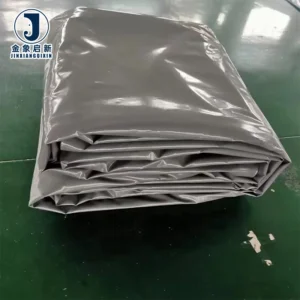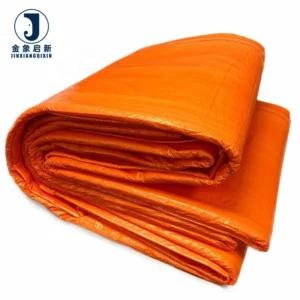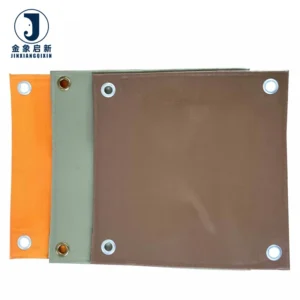
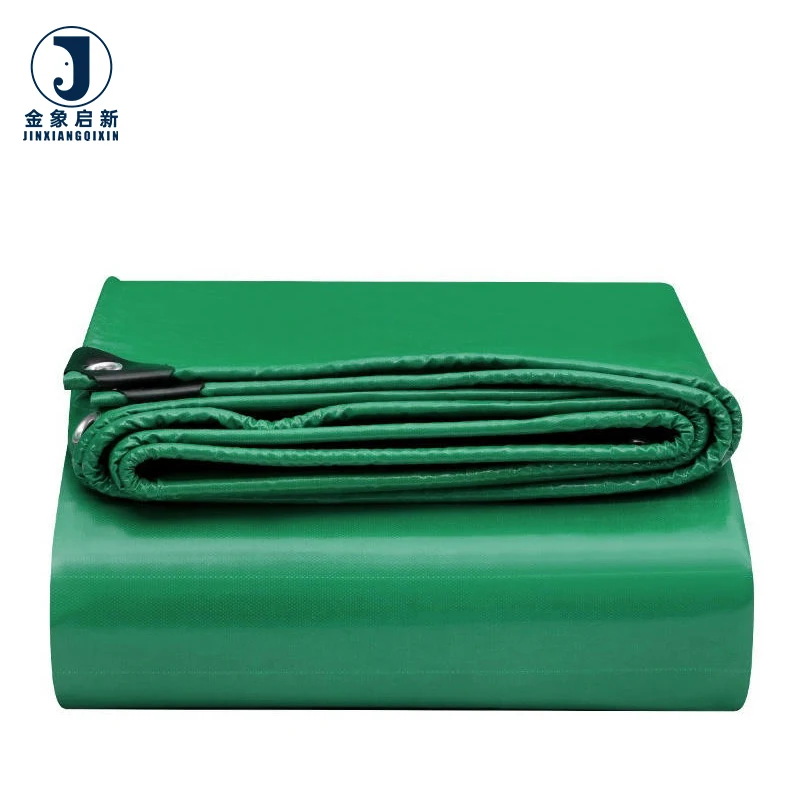
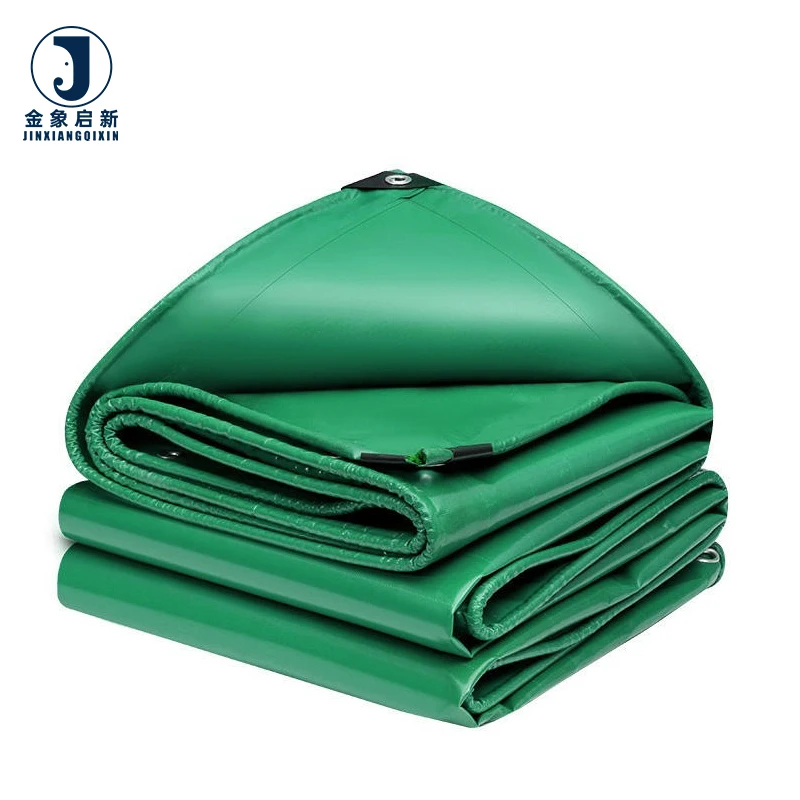
Description
Process Control Over Coating Weight — Every roll of PVC coated tarpaulin is verified against the stated GSM on our production line, ensuring what you order is what arrives at your warehouse.
Technical Specifications
| Parameter | Value |
|---|---|
| Product Type | PVC Coated Tarpaulin |
| Weight Range | 250gsm-1500gsm (confirm specific grade for your application) |
| Base Fabric Denier Options | 200DX300D, 500DX500D, 840DX840D, 1000DX1000D |
| Total Thickness | 13mil |
| Available Sizes | 3x4m, 6x8m, 8x10m, 10x12m or custom made |
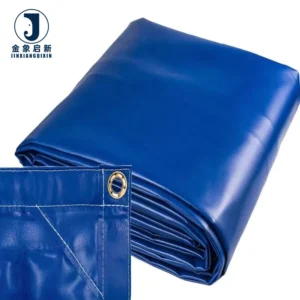
| Surface Finish | Available in glossy or matte finish |
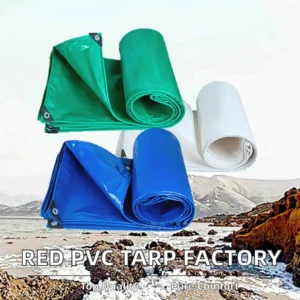
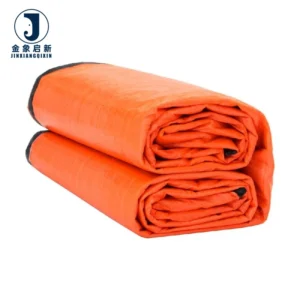
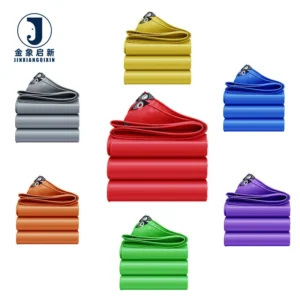
| Colour Options | Blue, yellow, black, green, white, etc. |
| Temperature Range | -15°C to 70°C |
| UV Treatment | Available with customized UV treatment — confirm test basis required |
| Flame Retardant | Available in flame retardant grades — confirm the grade required for your market |
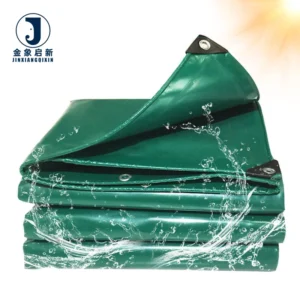
| Additional Treatments | Waterproof, anti-fungal |
| OEM/ODM | Accepted |
Application Suitability
| Application | Exposure & Requirement |
|---|---|
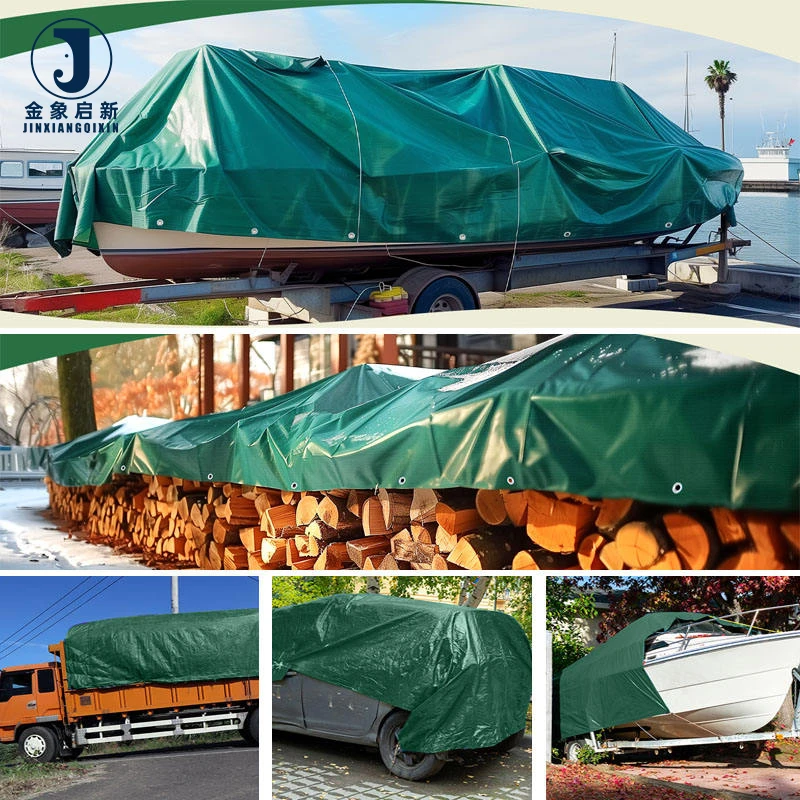
| Dump trailer load cover | Constant flexing over uneven loads, road debris impact, UV exposure during transit |
| Construction site equipment cover | Abrasion from soil and aggregate, prolonged sun exposure, wind-driven rain |
| Firewood and bulk material cover | Repeated handling, ground contact, seasonal temperature swings |
| Boat and marine equipment cover | Saltwater environment, UV degradation, mildew formation in humid storage |
| Patio and pool enclosure | Daily UV load, wind uplift stress, frequent folding and unfolding by end users |
Why Quoted GSM Often Fails to Predict Real-World Durability
A heavy reading on the scale means nothing if the coating adhesion is weak or the base fabric denier is undersized for the load.
When a PVC coated tarpaulin roll arrives lighter than the agreed specification, the immediate consequence is a thinner coating that cannot protect the base yarns from abrasion. Over time, the fabric loses tensile integrity at stress points — particularly where the material is tied down or folded over sharp edges. Buyers who specify purely on GSM often discover that two rolls with identical weight can perform very differently depending on whether the mass sits in the coating or in the yarn. [NEED_CITE: relationship between coating weight, base fabric denier, and tensile performance per ISO 1421 test methods]
Stock and Custom Roll Options for Volume Buyers
Distributors importing by the container need a PVC coated tarpaulin roll supply that holds consistent weight, colour and surface finish from the first roll to the last. Our production lines run standard grades across the denier range — from lightweight 200DX300D for seasonal covers to heavy-duty 1000DX1000D for industrial and transport use — allowing mixed container loads without triggering separate custom runs.
Batch Consistency From Coating to Dispatch
Colour variation between rolls in a single shipment is one of the most common complaints from tarpaulin distributors who source from multiple production batches. We control this by running your full order through a single coating cycle wherever possible, and by verifying colour reference against an approved swatch at the winding stage. This matters especially when the PVC coated tarpaulin is cut and sold side by side on retail shelves or installed as adjacent panels on a large structure. [NEED_CITE: coating process variables affecting colour consistency in PVC coated fabrics]
How Base Fabric Denier and Coating Weight Interact to Define Strength
The denier of the base fabric — whether 500DX500D or 1000DX1000D — determines how much mechanical load the woven yarns can carry before individual filaments break. The PVC coating adds mass, waterproofing and abrasion resistance, but it does not contribute proportionally to tensile or tear strength. A roll at the higher end of the GSM range built on a lighter denier base will weigh more yet tear more easily than a lighter roll built on a heavier denier weave. Temperature performance rated from -15°C to 70°C reflects the plasticiser formulation in the coating, which must remain flexible at low temperatures without becoming tacky in summer heat. Surface finish — glossy or matte — affects how the material handles dirt accumulation and how well printed branding or heat-transferred graphics adhere during fabrication.
The Cost of Specifying the Wrong Grade for the Application
Choosing a roll based only on the lowest GSM that a distributor can supply often leads to early failure at welded seams, where the coating is reheated and the base fabric must carry the full mechanical load. When flame retardant treatment is specified on the purchase order but no test report follows with the shipment, the material may fail site inspection in markets that enforce fire classification for temporary structures and construction covers. Similarly, ordering a glossy finish for a cover that will be folded and stacked repeatedly can result in surface blocking, where adjacent layers fuse under pressure in a hot container. [NEED_CITE: common failure modes in PVC coated tarpaulin at welded seams and fold lines]
Production Capability That Supports Your Roll Stock Requirements
Our three full production lines and 36 sets of professional equipment give us the capacity to run bulk container orders without compromising lead times on your PVC coated tarpaulin roll shipments. The 10-person R&D team handles sample development for custom colour, width and branding requirements, producing samples within days so you can approve before committing to a full container. Dedicated QA/QC runs at every production stage, with 100% inspection before shipment — each roll is weighed and checked against the agreed specification. Nearly 30 years of focused experience in coated fabric means we understand the difference between what a quotation promises and what a roll actually delivers when it is unrolled on a fabricator’s cutting table.
Documentation & Verification
- Material specification sheet per roll stating confirmed GSM, base fabric denier and coating type
- Pre-shipment inspection record with roll-by-roll weight and colour verification against approved reference
- Roll packing list with net weight, roll count and container loading plan matching the bill of lading
- ISO and CE certificates included with each shipment for customs clearance and market compliance
- Certificate of origin prepared per destination country requirements
Fabrication, Handling & Storage
- Heat welding parameters should be adjusted to the specific GSM and coating thickness to avoid delamination at seam lines
- Store rolls horizontally on pallets in a shaded area to prevent flat spots and surface blocking between layers
- Allow material to acclimatise to ambient temperature before unrolling in cold conditions to prevent coating stiffness damage
- Use compatible PVC-based adhesives for field repairs, matched to the glossy or matte surface finish of the roll
- Plan cutting layouts to minimise offcuts, particularly on custom widths, to maintain yield across the order
What We Need to Prepare Your Quotation
To give you an accurate specification recommendation and lead time, share your target application, the environmental conditions the covers will face, and your annual volume by container. Let us know whether you need standard stock widths or custom sizes, and whether you require flame retardant grades or UV treatment with specific test documentation for your market. If you have a colour reference or branding requirement, send the Pantone or RAL code along with any print layout so our R&D team can develop a sample for your approval.
Frequently Asked Questions
Q: How is GSM verified roll by roll before shipment?
A: Each roll is weighed individually on calibrated scales during our pre-shipment inspection. The measured weight per square metre is recorded against the agreed specification on the inspection report, and any roll falling outside tolerance is replaced before loading. You receive the full inspection record with your shipment documentation.
Q: What is the MOQ for custom width, colour or print on roll stock?
A: Minimum order quantities for custom runs depend on the specific width, colour and denier combination you require. Standard stock grades can ship in smaller volumes from existing production. Contact us with your target specification and we will confirm the minimum and lead time for your exact requirement.
Q: How is batch-to-batch colour consistency controlled across a multi-roll order?
A: We run your complete order through a single coating cycle wherever possible and verify colour against your approved swatch at the winding stage. Each roll is visually checked side by side before packing. A signed colour reference sample is held on file for repeat orders to maintain consistency across shipments.
Q: How are rolls packed and loaded for container shipping to prevent transit damage?
A: Rolls are packed in cartons or bales depending on the grade and destination requirements, and loaded with a container plan that distributes weight evenly. The packing list details roll count and net weight per package, allowing you to reconcile the shipment against the bill of lading on arrival.
Q: What documentation is included with each roll shipment for customs clearance?
A: Every shipment includes a material specification sheet, pre-shipment inspection record, roll packing list, certificate of origin and our ISO and CE certificates. Additional documents required by your destination market can be prepared in advance — confirm requirements when placing the order.