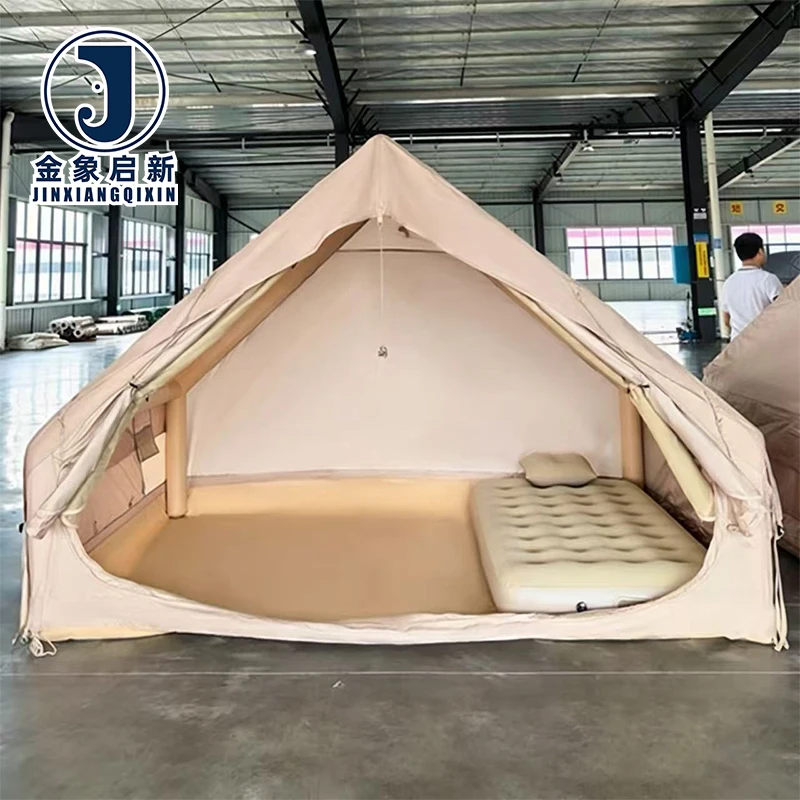
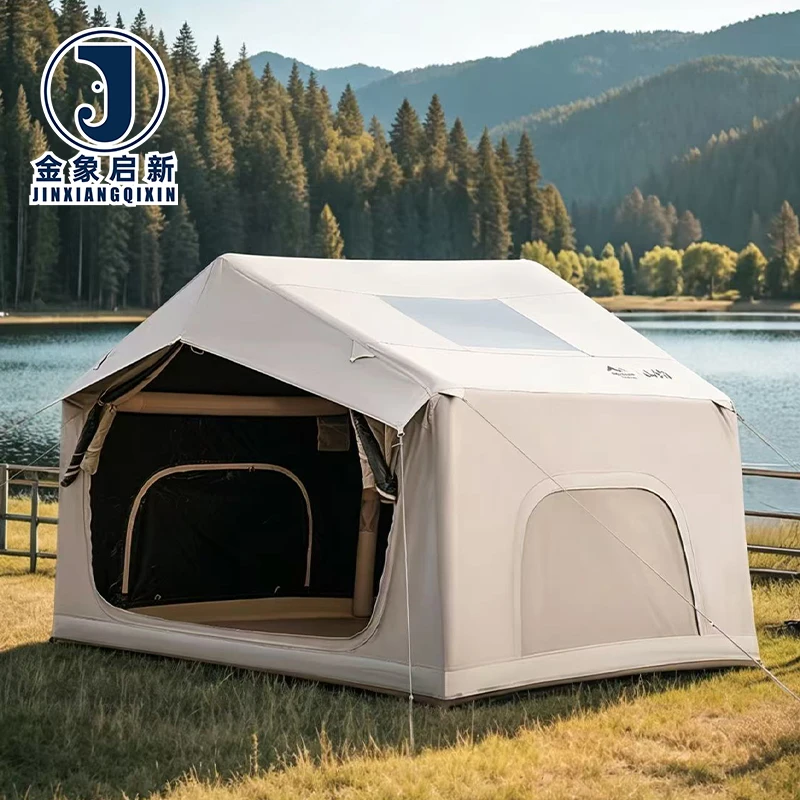
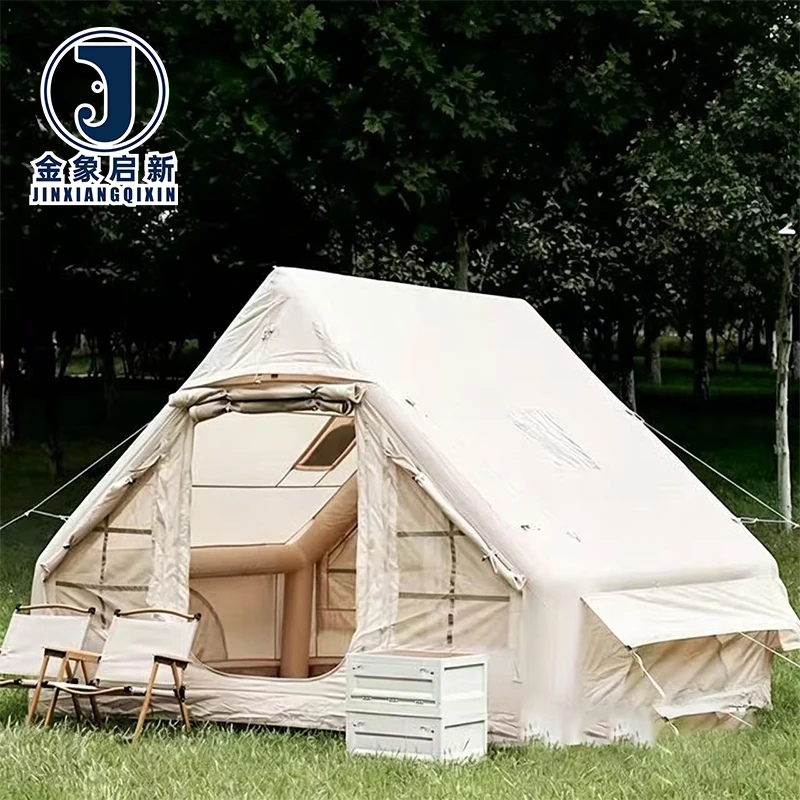
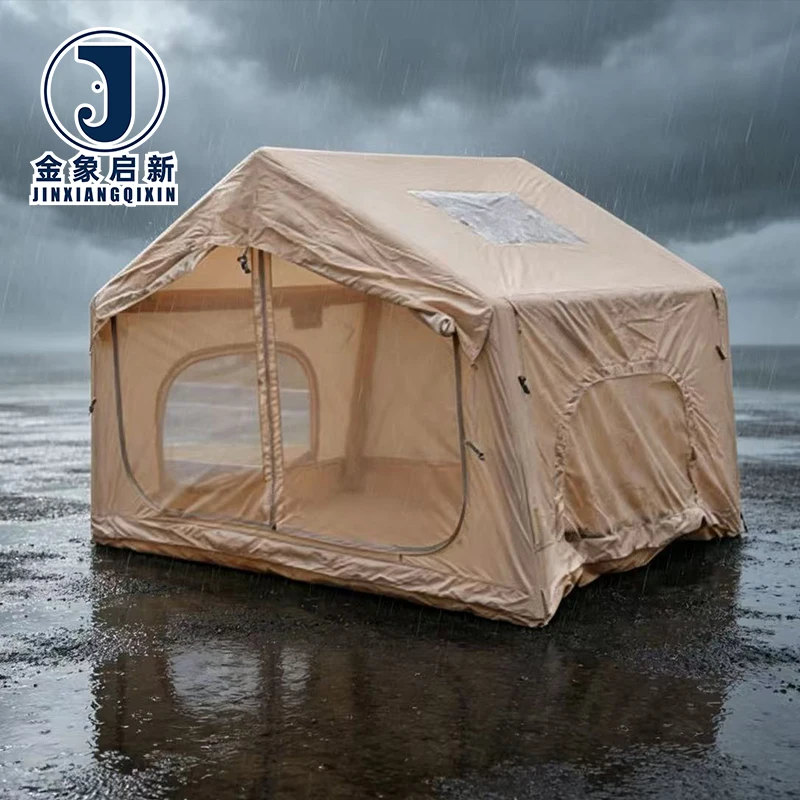
Description
Bulk Consistency Guaranteed — Every roll of inflatable tent fabric undergoes in-process QA at our 36-set equipment facility, ensuring uniform colour and weight across your entire production run.
Technical Specifications
| Parameter | Value |
|---|---|
| Product Type | Inflatable Tent Fabric |
| Core Material | PVC tarpaulin |
| Key Performance | Waterproof, tear-resistant |
| Fire Retardancy | Available in flame retardant grades — confirm the grade required for your market |
| UV Resistance | Available with anti-UV treatment — confirm the UV standard required for your region |
| Anti-Static | Available with anti-static treatment — confirm the static dissipation standard required |
| Customization | OEM & ODM, pattern printing, custom sizing |
| Facility | 9,180 m² production area, 3 full production lines |
| Quality Standards | ISO 9001, ISO 14001, ISO 45001, CE |
Application Suitability
| Application | Exposure & Requirement |
|---|---|
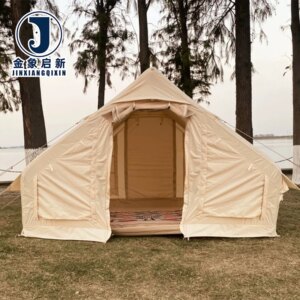
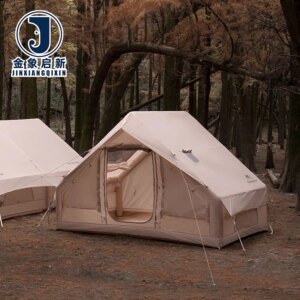
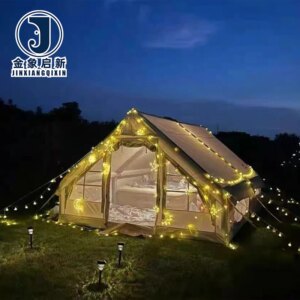
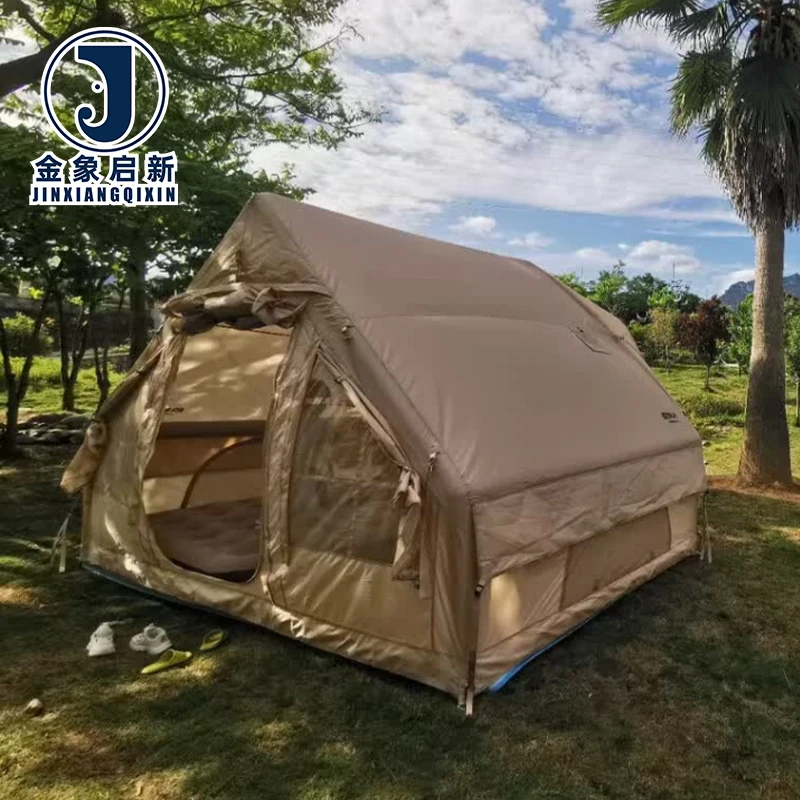
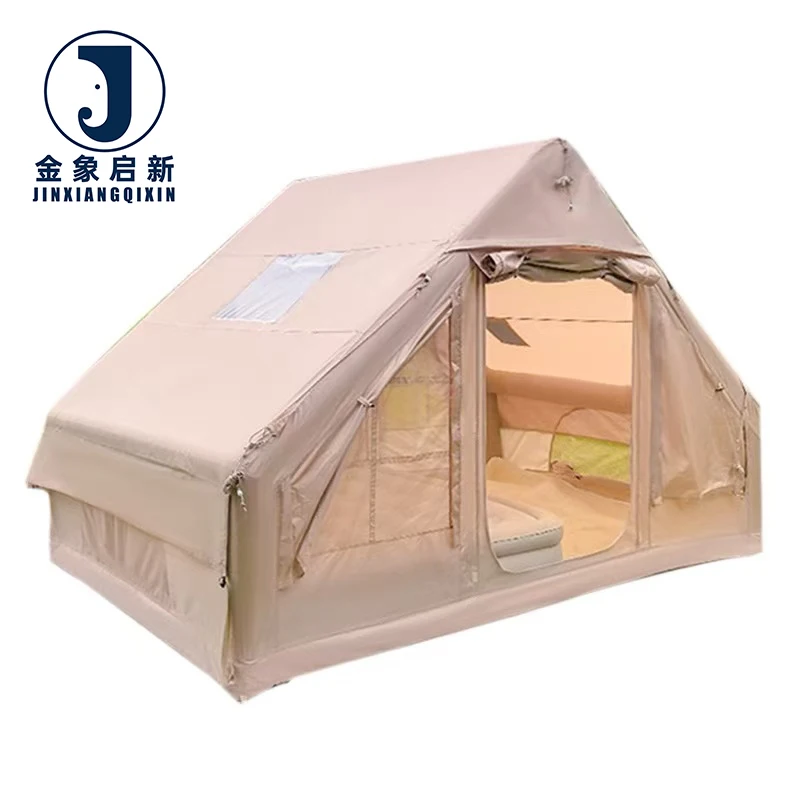
| Inflatable camping tent manufacturing | High internal air pressure, repeated inflation cycles, joint stress at seam welds, outdoor weathering |
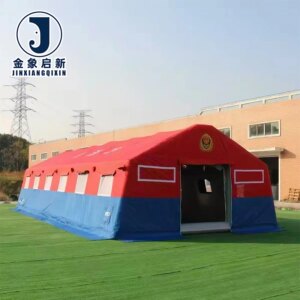
| Commercial event shelters | Rapid deployment, UV exposure during prolonged outdoor setup, crowd contact abrasion |
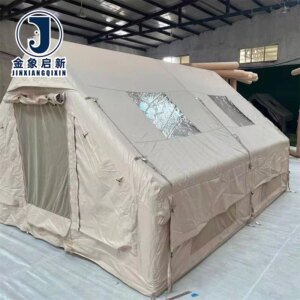
| Temporary site accommodations | Wind loading, rain ingress prevention, thermal insulation under direct sun |
| Tarpaulin distributor roll stock | Shelf storage, multiple downstream buyers requiring consistent colour across orders |
Why Batch Colour Mismatch Ruins Inflatable Tent Production Runs
Colour drifting between rolls forces fabricators to reject entire batches or accept visible panel mismatches on finished inflatable structures.
When you source inflatable tent fabric across multiple rolls for a single production order, even slight shade variation becomes obvious once panels are heat-welded side by side. A buyer ordering roll stock for inflatable camping tents has no room for colour sorting on the factory floor — the tent panels must match before they leave the cutting table. Inconsistent pigmentation also signals uneven coating distribution, which can affect heat-seal parameters and ultimately compromise the airtight integrity of inflatable chambers. [NEED_CITE: colour consistency measurement methods for coated fabrics per industry standards]
Roll-to-Roll Consistency as a Production Requirement
Inflatable tent manufacturers cannot treat fabric sourcing the same way as general tarpaulin buyers. Each roll of inflatable tent fabric must deliver the same base fabric denier, coating weight, and surface finish so that automated cutting and welding equipment runs without manual recalibration. Our 3-line production setup allows us to dedicate one line to your repeat orders, locking in pigment batch and coating parameters for the duration of your supply agreement.
Volume Pricing Tied to Roll Count, Not Hidden Behind Quotations
When procuring inflatable tent fabric wholesale, buyers need transparent volume tiers based on container load capacity. We structure our wholesale pricing around full roll counts and container weight limits, so you can calculate landed cost per square meter before committing to a trial order. This eliminates the back-and-forth that slows down procurement cycles for seasonal tent production.
Reading PVC Tarpaulin Specs Beyond the GSM Number
GSM tells you the weight per square meter but reveals nothing about how that weight is distributed between base fabric and coating layers. A high GSM achieved through heavy coating with a light base fabric will tear more easily than a moderate GSM fabric built on a dense polyester weave. For inflatable tent structures that rely on airtight seams and flex at inflation points, the base fabric denier and weave density determine whether a small puncture propagates into a structural failure. Coating method also matters: knife-coated PVC delivers better adhesion between layers, which directly affects heat-weld strength at seam joints.
The Hidden Cost of Ordering Generic Roll Stock for Inflatable Applications
Not all PVC tarpaulin rolls are interchangeable for inflatable tent production. Fabric specified for flat covers or truck tarps may lack the coating adhesion strength needed for airtight heat-welded seams, causing delamination at the joints where inflation pressure concentrates. Rolls without documented batch traceability make it impossible to reorder matching material for warranty replacements or production expansion. Buyers who skip pre-shipment inspection on bulk roll orders frequently discover GSM shortfalls only after the fabric is on the cutting table. [NEED_CITE: tensile and tear test methods for coated fabrics per ISO 1421]
Why Fabricators Source Inflatable Tent Fabric Through This Channel
Our 10-person R&D team develops custom pattern printing and colour matching samples within days, so you can approve roll appearance before committing to production volume. The 36-set professional equipment inventory supports simultaneous runs across multiple widths and finishes without cross-contamination between batches. Every roll ships with a material specification sheet confirming GSM, base fabric, and colour reference — no guessing at the receiving dock. We provide 100% pre-shipment inspection records, giving you documentation that satisfies your own quality audits. Our dedicated QA and QC staff inspect coating weight and adhesion at every production stage, catching deviations before rolls reach the packing line.
Documentation & Verification
- Material spec sheet per roll listing GSM, base fabric denier, and colour reference code
- Pre-shipment inspection record confirming 100% roll check before dispatch
- Test reports for UV and flame-retardant grades supplied where applicable to your order
- Roll packing list with batch traceability numbers for downstream quality tracking
- Certificate of origin included for customs clearance in your destination market
Fabrication, Handling & Storage
- Heat-weld parameters should be tested on sample cuts before full production runs
- Store rolls vertically on pallets to prevent flat-spot creasing on the PVC surface
- Avoid dragging roll edges across workshop floors to protect coating integrity
- Allow cold-stored rolls to reach ambient temperature before unrolling for cutting
- Use PVC-compatible adhesives for field repairs on finished inflatable panels
How to Structure Your Inflatable Tent Fabric Inquiry
Provide your target annual volume in rolls or square meters so we can align production scheduling with your manufacturing calendar. Specify the end-market fire safety or UV exposure requirements your finished tents must meet, along with any pattern printing or custom colour needs. Confirm whether you require standard roll widths or need custom sizing to optimize your cutting layout and minimize fabric waste.
Frequently Asked Questions
Q: What is the minimum order quantity for inflatable tent fabric rolls?
A: MOQ depends on whether you order standard stock grades or custom colours and widths. Standard rolls from existing production runs have lower minimums, while custom pattern printing or non-stock widths require a dedicated production setup. Submit your required roll count and specifications for a confirmed MOQ and lead time.
Q: Can you provide sample rolls in different GSM grades for testing?
A: Yes, our R&D team prepares sample rolls within days for custom requirements. You can request samples across available weight grades to evaluate welding behaviour, flexibility, and tear performance on your production equipment before committing to a bulk order.
Q: Will multiple rolls in the same order have consistent colour?
A: Every production run undergoes dedicated QA and QC checks at each stage to maintain colour uniformity across rolls. We lock in pigment batches for your order and provide a colour reference on the material specification sheet so you can verify consistency upon receipt.
Q: Are fire retardant test reports included with the shipment?
A: Fire retardant test reports are provided where applicable based on the grade specified in your order. Confirm the certification standard required for your destination market during the inquiry stage so we can supply the correct documentation with your roll shipment.
Q: What lead time should I plan for custom width and length orders?
A: Custom sizing requires dedicated production scheduling on one of our three full production lines. Lead time varies with order volume and current production load. Provide your target delivery date and roll specifications early so we can confirm scheduling and container loading plans.