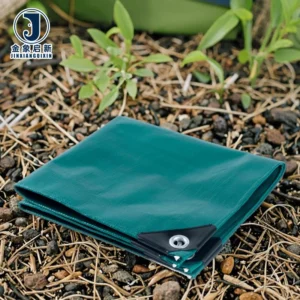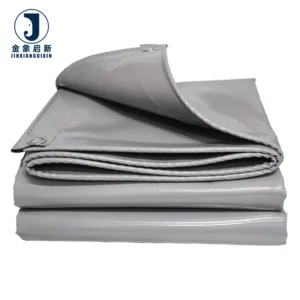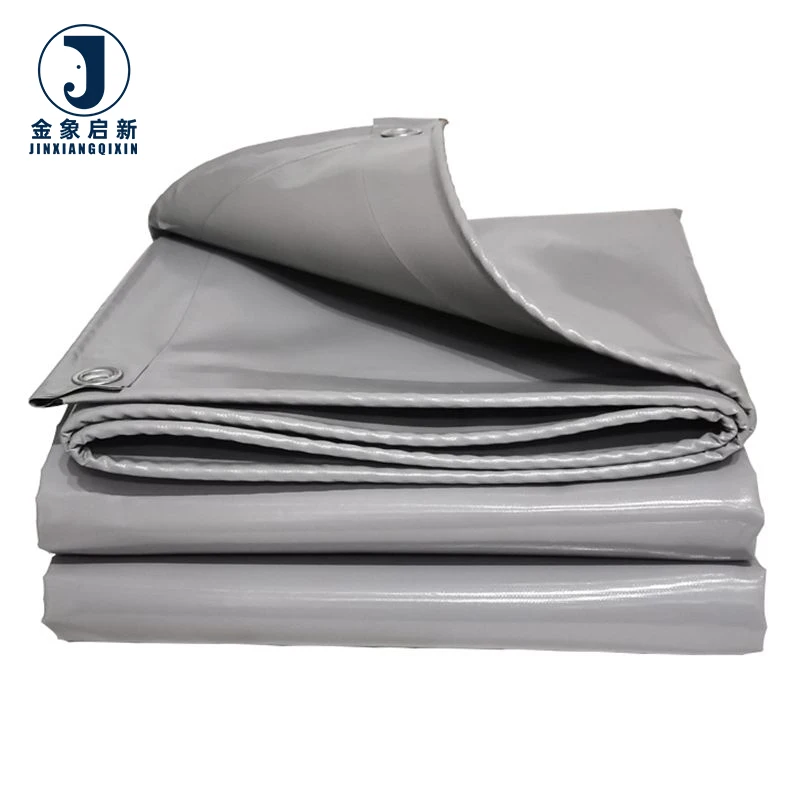
Description
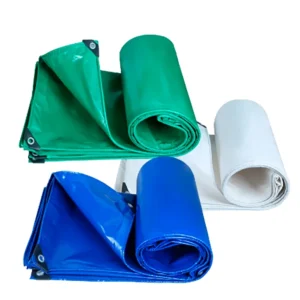
Roll-Stock Consistency — Every roll of 500-600GSM PVC Knife-Coated Tarpaulin is weighed and inspected before dispatch, ensuring the grade you order is the grade that arrives at your warehouse.
Technical Specifications
| Parameter | Value |
|---|---|
| Product Type | PVC Knife-Coated Tarpaulin |
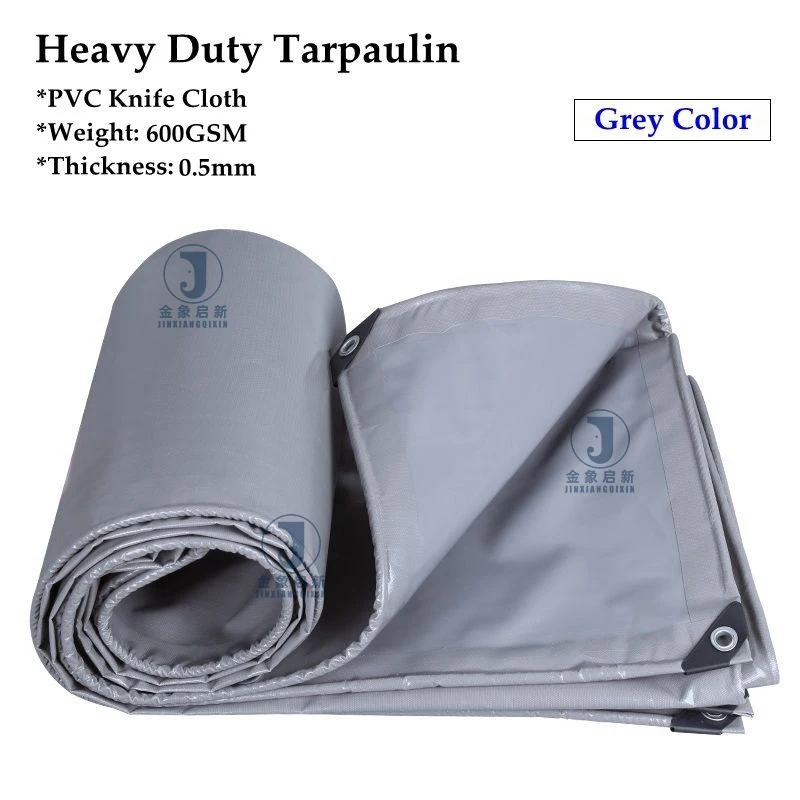
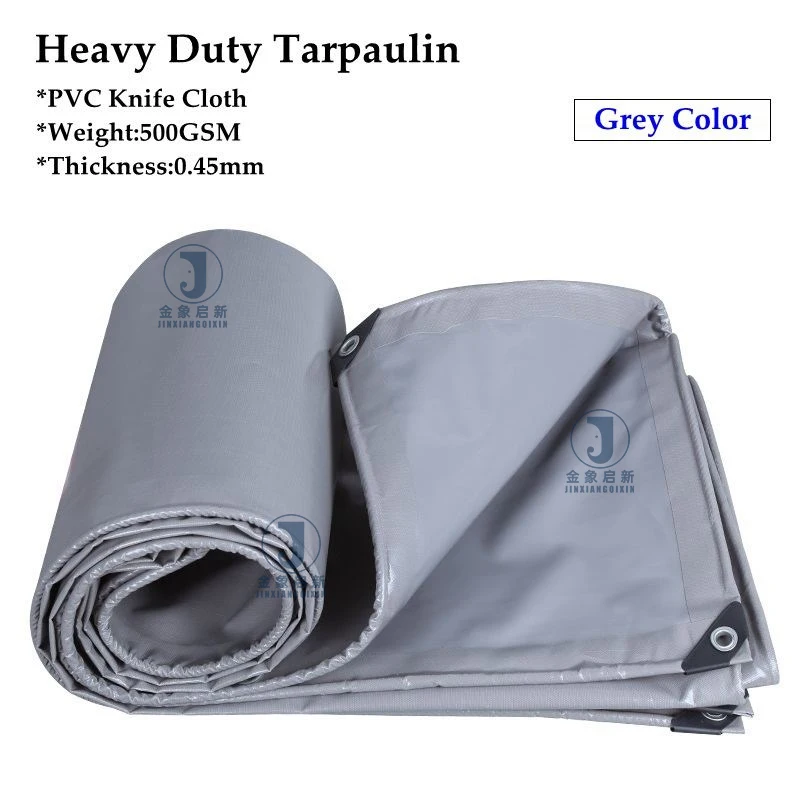
| Weight | 500 to 600 g/m² |
| Coating Method | Knife coated |
| Waterproof Rating | Anti-permeable ≥ 20KPa |
| Low-Temperature Flexibility | No fracture at -30°C |
| Flame Retardant Grade | Flame retardant ≤ 10 seconds (grade not stated) |
| Seam Method | High-frequency heat combined |
| Anti-Corrosion | Acid, alkali and brine resistant |
| Anti-Mildew | Mildew proofing properties |
| UV Treatment | Available in anti-UV grades — confirm the treatment required for your market |
| Tensile Strength | High strength (test basis not stated in source) |
Application Suitability
| Application | Exposure & Requirement |
|---|---|
| Car tents and vehicle canopies | Sustained sun exposure, road vibration, frequent folding and unfolding |
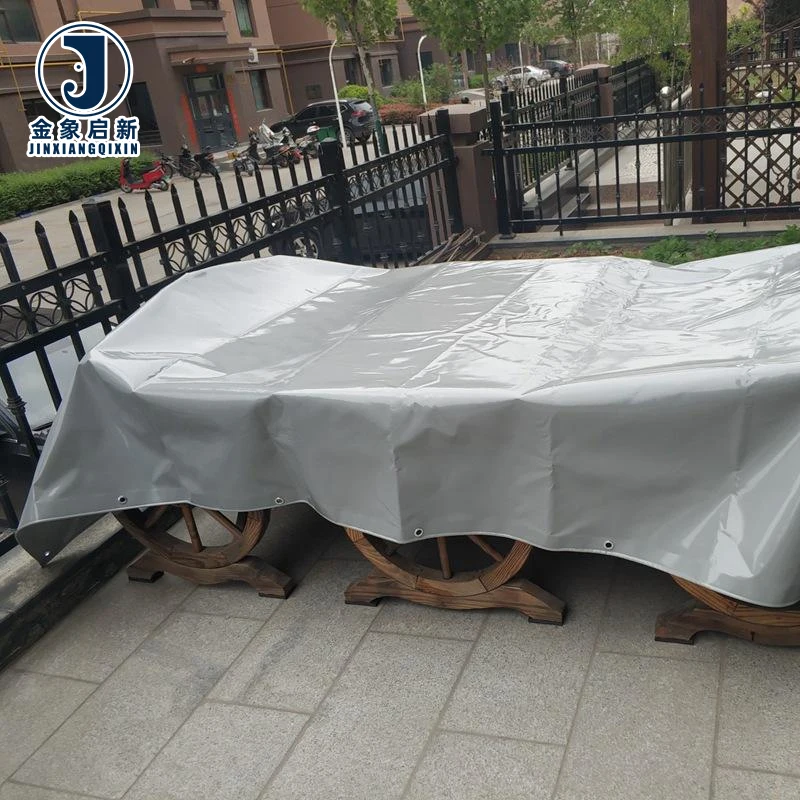
| Fixed awnings for commercial premises | Wind loading, UV degradation, rain pooling on horizontal spans |
| Large-scale outdoor canopies | Multi-day weather exposure, tension across support frames |
| Roll-stock distribution and import | Container loading by roll count, batch consistency for downstream resale |
Why GSM Verification Matters for Roll-Stock Tarpaulin Buyers
A quoted GSM means nothing if the roll that arrives at your factory weighs less than what was on the invoice.
Fabricators cutting PVC Knife-Coated Tarpaulin roll stock for canopy and awning production operate on tight margins. When the material arrives lighter than agreed, the finished product lacks the tensile resilience the end-user expects, and warranty claims follow. We have seen importers receive full container loads only to discover on weighing that the average GSM across rolls fell below the quoted band [NEED_CITE: weight verification methods for coated fabric rolls]. This is not a quality argument — it is a commercial one. The buyer pays for weight that does not exist.
Colour Match Across the Production Run
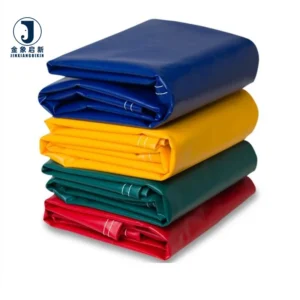
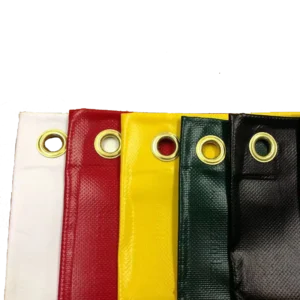
When an awning manufacturer cuts panels from different rolls and installs them side by side on the same building, even a minor batch colour shift becomes immediately visible. For a PVC tarpaulin roll stock supplier, controlling shade variation within a single order is a non-negotiable production discipline. Our batching protocol groups all rolls for one purchase order within the same coating run, reducing the risk of panel-to-panel mismatch that forces rework on the fabrication floor.
Knife Coating and Fabrication Performance
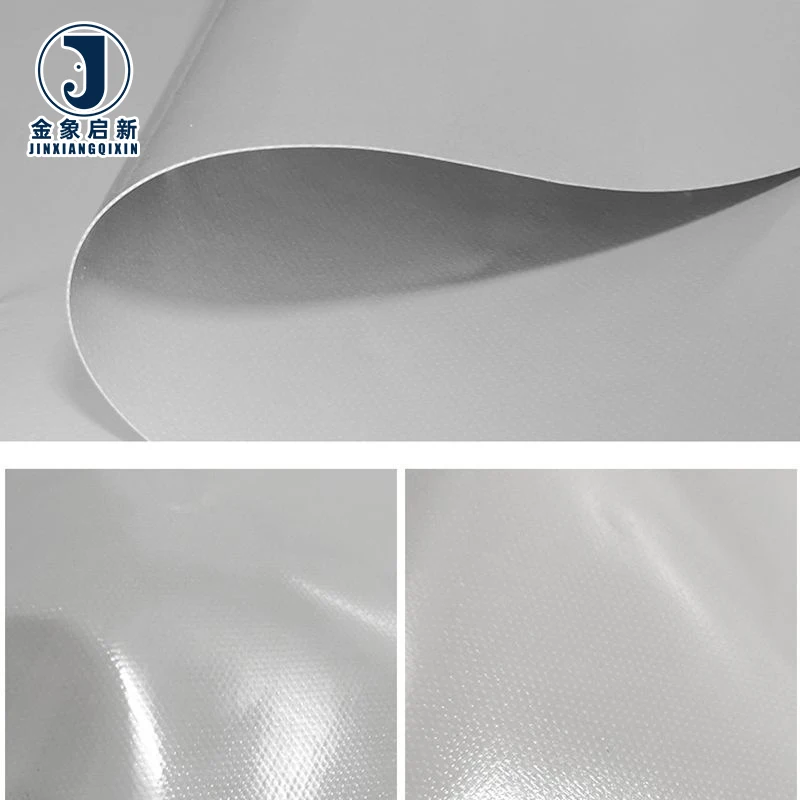
The knife coating process applies a controlled PVC layer directly onto the base fabric, producing a uniform surface that holds a high-frequency heat weld reliably. For tent and canopy fabricators joining panels on the shop floor, this means the seam fuses at the coating interface without blistering or delamination. The result is a water-tight join that does not crack when the finished structure flexes under wind load [NEED_CITE: high-frequency welding behaviour on knife-coated PVC].
Reading the Specification Sheet Beyond the Headline Weight
Weight in GSM is the starting point for material selection, but it does not operate in isolation. The base fabric denier and weave density determine how the material resists tear propagation once a puncture occurs — a 600 g/m² roll built on a loosely woven scrim will tear more readily than one on a tighter weave at the same coated weight. Knife coating delivers superior adhesion between the PVC and the base yarn compared to lamination, which directly affects how well the material holds a welded seam during fabrication. The waterproof rating of ≥ 20KPa confirms the coating resists water penetration under sustained pressure, which matters for canopy spans where rainwater can pool before drainage. Low-temperature flexibility to -30°C ensures the material can be transported, stored and deployed in cold climates without the PVC becoming brittle and cracking at fold lines.
The Cost of Specification Errors at Container Scale
Ordering roll stock is a volume decision, and specification errors compound across every roll in the container. A batch that arrives with inconsistent GSM forces the fabricator to sort and segregate rolls before cutting, adding labour time to every production shift. Colour variation between rolls means the fabricator must cut matching panels from the same roll, reducing yield and increasing waste [NEED_CITE: fabric yield loss from roll-to-roll colour variation]. Selecting a flame retardant grade without confirming the certification required for the end market can result in an entire container shipment being rejected at the project inspection stage.
Why Fabricators Source This Roll Stock Here
Nearly 30 years of coated fabric production means the coating weight and adhesion process is controlled from first principles, not adjusted reactively. Three full production lines and 36 sets of professional equipment support container-scale roll output with reliable dispatch scheduling. A dedicated 10-person R&D team develops samples for custom width and colour requirements within days, not weeks. Every roll undergoes QA/QC at each production stage with 100% pre-shipment inspection, so the packing list you receive matches the physical stock loaded into your container.
Documentation & Verification
- Material specification sheet stating exact GSM, base fabric denier and coating weight per roll
- Pre-shipment inspection record confirming measured weight and colour reference for every roll
- Roll packing list with individual roll count, net weight and container loading plan
- Flame retardant and anti-UV test reports where applicable to the ordered grade
- Certificate of origin and full customs documentation for export clearance
Fabrication, Handling & Storage
- Use high-frequency heat welding parameters matched to 500-600 g/m² knife-coated stock for water-tight seams
- Store rolls upright on pallets to prevent flat-spot deformation on the PVC coating surface
- Allow cold-stored rolls to reach workshop temperature before unrolling to avoid coating crack at fold lines
- Plan panel cutting layout per roll to maintain colour consistency across adjacent awning sections
- Clean fabricated surfaces with mild detergent only — solvent cleaners degrade the PVC coating over time
- Repair minor field punctures with PVC-compatible adhesive patches matched to the coating chemistry
Request a Roll-Stock Quotation
To provide an accurate quotation and lead time, specify your required roll width, target colour reference and annual volume. Let us know whether your end market requires a specific flame retardant or anti-UV certification so we can match the grade before sampling. Confirm whether you need standard stock widths or a custom width run for your cutting line.
Frequently Asked Questions
Q: How is GSM verified per roll and re-checked on arrival?
A: Every roll is weighed on calibrated scales during the pre-shipment inspection, and the measured GSM is recorded on the inspection report that ships with your container. On arrival, you can verify by cutting a measured sample from any roll and weighing it against the documented value.
Q: How is colour consistency maintained roll-to-roll across one order?
A: All rolls within a single purchase order are scheduled within the same coating production run. This ensures the PVC compound batch and colour pigment source remain constant, minimising shade variation across your entire container load.
Q: What standard and custom roll widths are available?
A: Standard widths are held in stock for immediate container loading. Custom widths are available with a confirmed minimum order quantity. Specify your cutting line requirements so we can recommend the most yield-efficient roll width for your production.
Q: How are rolls packed and loaded for container shipment?
A: Each roll is wrapped and labelled with its individual GSM, colour reference and net weight. The packing list details roll count, weight per roll and the container loading plan so your warehouse team can plan receiving and storage in advance.