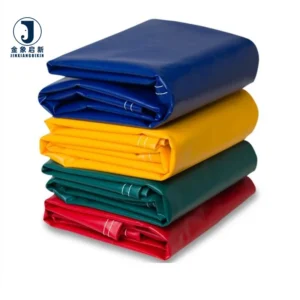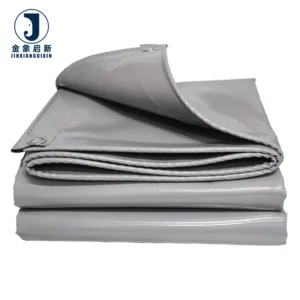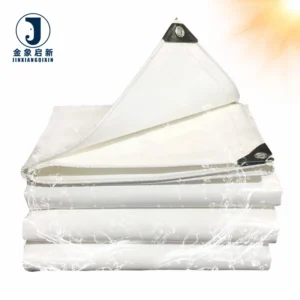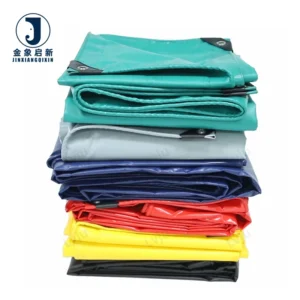
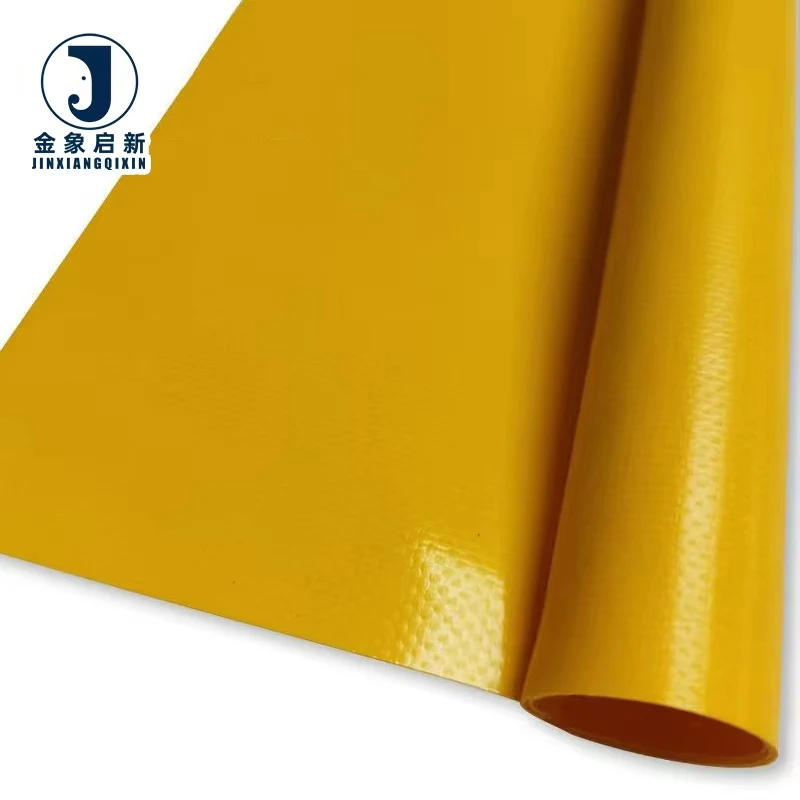
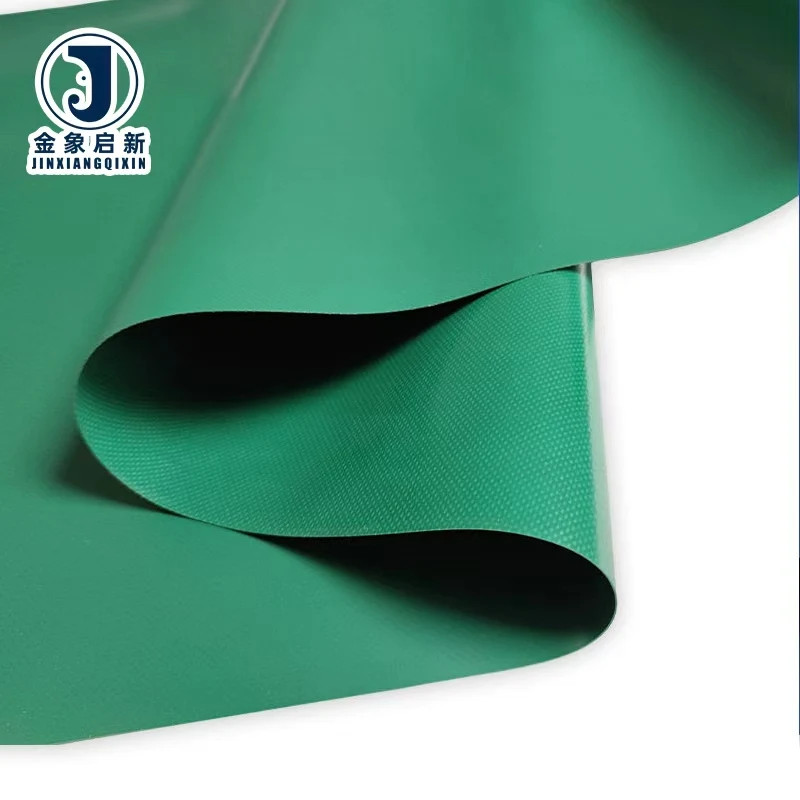
Description
Proven Coating Consistency — Nearly three decades of focused coated fabric production with process controls that maintain stated GSM and coating weight across every roll shipped.
Technical Specifications
| Parameter | Value |
|---|---|
| Product Type | PVC Coated Tarpaulin |
| Base Fabric Denier | 500D840D / 500D1000D / 1000D1000D / 1000D1300D / 1300D1300D / 1000D2000D |
| Weight (GSM) | 350 / 400 / 420 / 500 / 600 / 650 / 750 / 900 |
| Total Thickness | 0.29 mm / 0.32 mm / 0.38 mm / 0.44 mm / 0.46 mm / 0.55 mm / 0.65 mm |
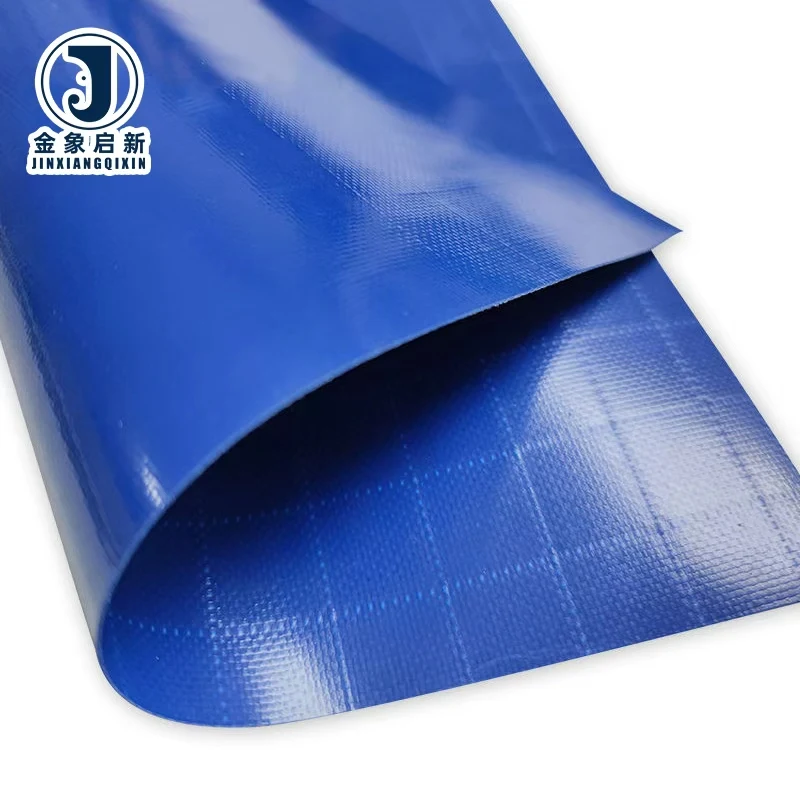
| Mesh Count | 2020 / 3015 / 30*19 |
| Tensile Strength Warp | 1650 N – 3900 N (test basis not stated in source) |
| Tensile Strength Weft | 1600 N – 3500 N (test basis not stated in source) |
| Coating Material | PVC & Polyester |
| Key Features | Water Resistant, Flame Retardant (grade not stated — confirm the grade required for your market), Anti-UV (test basis not stated — available in UV-stabilised grades on request) |
| Softening Temperature | ≥ 80 °C |
| Brittle Temperature | ≤ −50 to −60 °C |
| Melting Point | 212 °C |
| Density | 1.15 – 2.00 g/cm³ |
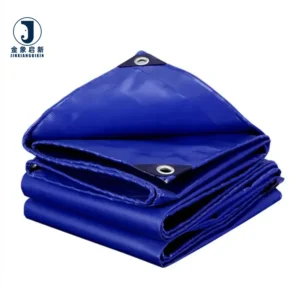
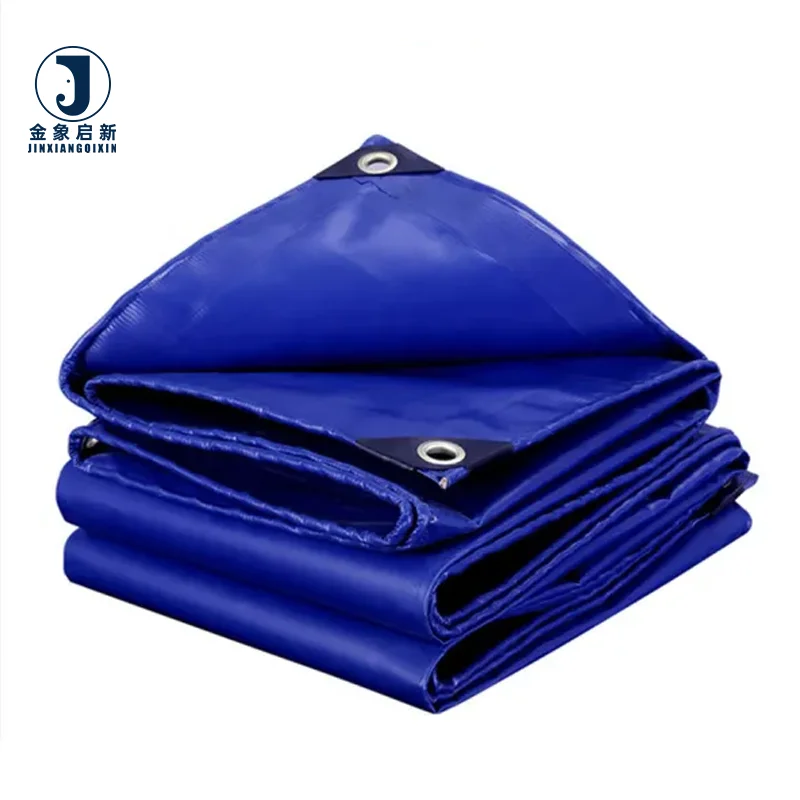
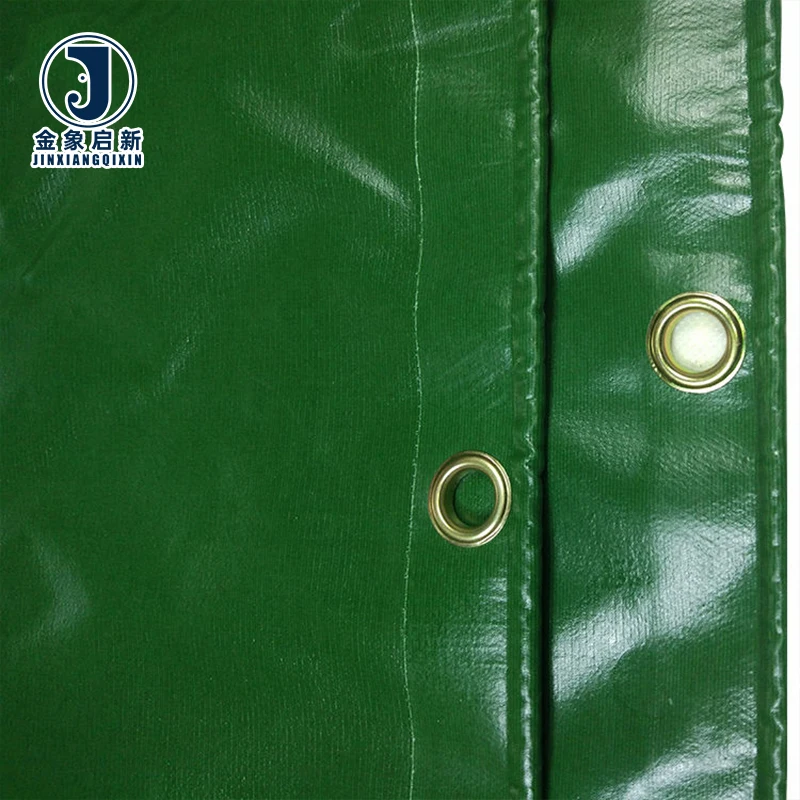
| Edge Finishing | High temperature heat sealed seamless edge wrapping |
| Eyelet | 3 cm enlarged aluminium alloy buttonhole |
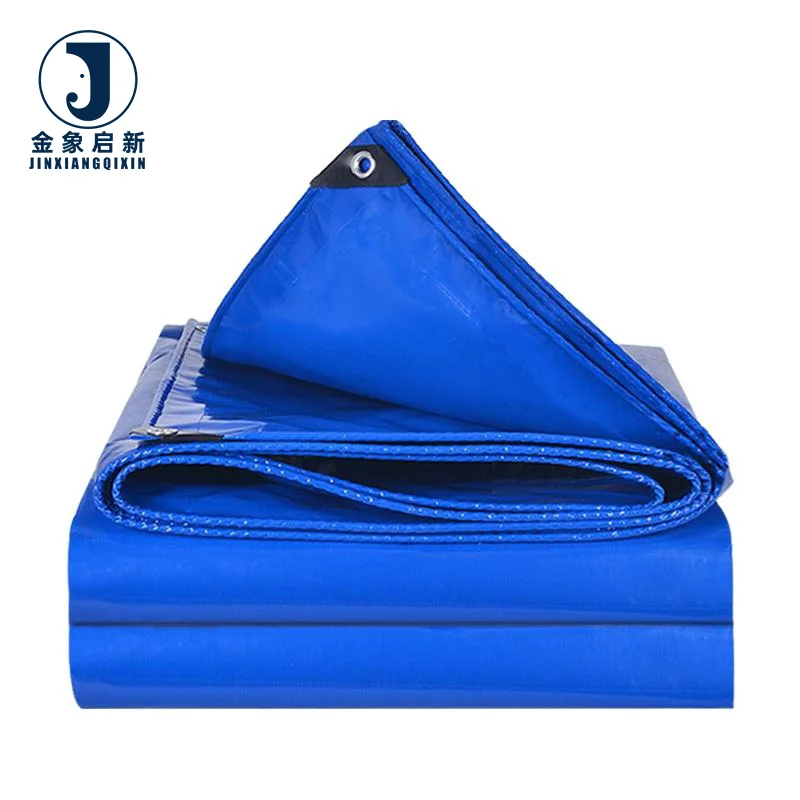
| Reinforcement | Reinforced corners on all sides |
| Rope | 5 mm thick rope without splicing |
| Package Options | Roll packing, bale packing, carton |
| Standards | ISO, CE |
Application Suitability
| Application | Exposure & Requirement |
|---|---|
| Truck and trailer side curtains | Continuous flexing at hinges, road debris abrasion, prolonged UV and weather exposure |
| Railway wagon covers | High-speed wind load, rain ingress, repeated tensioning and release cycles |
| Construction site enclosures | Scaffolding contact, dust and mortar splash, wind-driven rain, puncture risk from sharp materials |
| Machine and equipment covers | Static outdoor storage, condensation underneath, UV degradation over extended periods |
| Tent and awning fabrication | Tension across frame, seam welding integrity, colour matching across multiple panels |
| Pond and reservoir liners | Permanent water immersion, soil chemistry contact, puncture from substrate irregularities |
Why Stated GSM Does Not Guarantee the Roll You Receive
Actual GSM must be verified per roll at dispatch, not assumed from the catalogue sheet.
When importers receive PVC coated tarpaulin roll stock in bulk, the most common dispute is weight shortfall. A quotation lists 650 GSM, but the material arriving at the warehouse feels noticeably lighter. Without a documented pre-shipment weight check tied to each roll, the buyer has no evidence to raise a claim. Roll-to-roll weight variance within a single production batch can be significant when coating line speed or paste viscosity drifts between runs [NEED_CITE: coating weight variance across production batches in PVC knife-coated fabric].
For wholesale distributors consolidating full container loads, even a small GSM deviation compounds across hundreds of rolls, shifting the entire inventory into a lower performance tier than what was sold downstream. Fabricators cutting and welding covers to custom sizes then discover the tensile behaviour does not match expectations, and finished covers fail earlier in the field. Consistent PVC coated tarpaulin roll stock wholesale supply depends on verification discipline at the factory gate, not on trust in the printed specification.
How Roll-to-Roll Consistency Protects Your Downstream Reputation
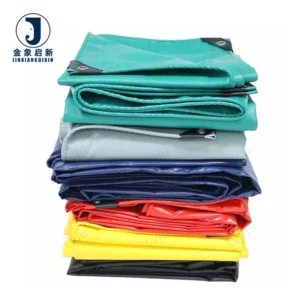
Distributors reselling PVC coated tarpaulin roll stock wholesale to fabricators and contractors carry the reputational risk when batch quality drifts. If two rolls from the same shipment show visible colour variation once installed side by side on a truck or construction hoarding, the end user blames the distributor, not the mill. Our production process includes in-line colour monitoring and batch-level dye lot tracking, so every roll within a single order traces back to the same pigment batch and coating run. This level of traceability matters especially when your customers are comparing panels on large-format installations.
Container-Load Planning for Wholesale Importers
Shipping PVC coated tarpaulin roll stock wholesale by the container demands careful weight and volume calculation. Roll diameter varies with GSM and length, meaning a 20 ft container loaded with 350 GSM rolls holds a different count than one loaded with 900 GSM rolls. We provide roll dimension data and net weight per roll at the quotation stage so importers can model container utilisation before committing to order quantities. Roll packing, bale packing, and carton options each shift the weight-to-volume ratio, and the right choice depends on your destination port handling infrastructure and warehouse racking system.
Reading the Specification Sheet Beyond GSM
GSM alone tells you how much material is on the roll, but not how that material is distributed between base fabric and coating. A 650 GSM roll built on 1000D1000D denier with a 3019 mesh count concentrates more yarn mass in the base, yielding higher tensile and tear figures than a 650 GSM roll on lighter 500D*840D denier with a heavier coating layer. For applications like railway wagon covers or truck side curtains where flex fatigue drives failure, the base fabric construction matters more than total weight. Knife-coated construction bonds PVC paste directly into the base weave, producing higher peel strength than laminated alternatives and allowing heat-welded seams to approach the strength of the parent fabric [NEED_CITE: peel strength comparison of knife-coated versus laminated PVC tarpaulin per ISO 1421].
Coating thickness also governs low-temperature behaviour. The brittle point of −50 to −60 °C reflects the plasticiser system in the PVC compound; rolls destined for cold-climate construction sites or winter transport routes must retain flexibility at those thresholds without cracking at fold lines. Conversely, the softening temperature of ≥ 80 °C sets the upper bound for hot-box storage or direct summer sun on dark-coloured rolls. Selecting the right denier and mesh count combination from the available range ensures the roll performs within the temperature window your end use demands.
What Batch Inconsistency Costs You After Fabrication
When a fabricator cuts twenty truck covers from rolls that vary in thickness across the batch, the welding parameters set on the first panel will not transfer cleanly to a thinner or thicker roll later in the run. Welds made at incorrect temperature or dwell time peel open under load, often after the cover has already been delivered to the fleet operator. The fabricator then faces a warranty claim that traces back to raw material variance, not workmanship. Colour drift across rolls in one order forces fabricators to segregate panels by shade, increasing cutting waste and delaying shipment [NEED_CITE: seam failure rates attributable to substrate thickness variance in PVC coated fabrics]. These downstream costs are invisible at the quotation stage and only surface once production is underway.
What You Gain When Sourcing PVC Coated Tarpaulin Roll Stock Here
Deep process control over coating weight and adhesion comes from nearly thirty years of operating knife-coating lines, translating into roll-to-roll GSM consistency that fabricators can rely on when setting welding parameters.
Three full production lines and thirty-six sets of professional equipment support bulk capacity, meaning container-load orders of PVC coated tarpaulin roll stock wholesale ship on schedule without splitting across staggered production windows.
A ten-person R&D team handles custom width, colour matching, and sample development within days, allowing distributors to test a sample roll on their own cutting and welding equipment before committing to the full order.
Dedicated QA and QC inspection at every production stage, with 100 per cent pre-shipment check, catches GSM deviation and surface defects before rolls leave the factory floor.
Full documentation accompanies every dispatch, giving importers the paperwork trail needed for customs clearance and downstream resale compliance.
Documentation & Verification
- Material specification sheet listing exact GSM, base fabric denier, and coating weight per roll
- Pre-shipment inspection record with per-roll weight verification and photographic evidence
- Roll packing list with net weight and roll count reconciled against the bill of lading
- Colour reference and batch number marked on each roll label for traceability
- ISO and CE certificates included in the shipping document set
Fabrication, Handling & Storage
- Heat-weld seams using parameters matched to the specific GSM and total thickness of the roll in use
- Store rolls upright on pallets to prevent flat-spot deformation of the PVC coating surface
- Allow cold-stored rolls to acclimatise before unrolling to avoid crease marks on the coated face
- Reinforce eyelet and corner zones when fabricating from lighter 350 GSM rolls for tensioned applications
- Use compatible PVC solvent or hot-air welding for field repairs on knife-coated fabric surfaces
- Plan cutting layouts to maximise yield from standard roll widths and reduce off-cut waste
Before You Request a Quote
Provide the end-use application and the environmental conditions the finished cover will face, including wind load, temperature range, and any fire classification your local regulations require. Confirm the roll widths your cutting line accommodates and your annual volume by GSM grade so we can propose the most efficient packing and shipping format. If colour matching across multiple rolls is critical for your installation, share the RAL or Pantone reference at inquiry stage so we can confirm dye lot availability before sampling.
Frequently Asked Questions
Q: How do you verify GSM on each roll before shipment, and can I request a weight certificate?
A: Every roll undergoes a weight check during the 100 per cent pre-shipment inspection. The measured GSM is recorded against the roll number and included in the inspection report shipped with your order. A separate weight certificate summarising all rolls in the consignment is available on request for your import documentation.
Q: How do you control colour variation between rolls in the same bulk order?
A: Rolls within a single order are produced from the same pigment batch and coating run. Each roll carries a batch number on its label, and our in-line colour monitoring flags any drift before the roll is wound. For repeat orders, we retain the colour reference to match subsequent shipments.
Q: What are the standard roll widths and lengths, and can I order custom widths for my cutting line?
A: Standard widths and lengths vary by GSM grade and denier construction. Custom widths are available for buyers whose fabrication lines require non-standard dimensions. Our R&D team develops a sample roll in your specified width for cutting and welding trials before full production begins.
Q: How do you optimise container loading, and what packing formats are available?
A: We calculate roll count per container based on the diameter and weight of the specific GSM grade ordered. Roll packing, bale packing, and carton packing each shift the volume-to-weight ratio. We recommend the format that maximises your container utilisation while protecting the coating surface during transit.
Q: Can I mix different GSM grades in one container order?
A: Mixed-grade container loads are accepted, allowing distributors to stock multiple weight tiers in a single shipment. Each grade is clearly segregated on the packing list and container load plan so warehouse receiving can sort rolls by GSM on arrival.