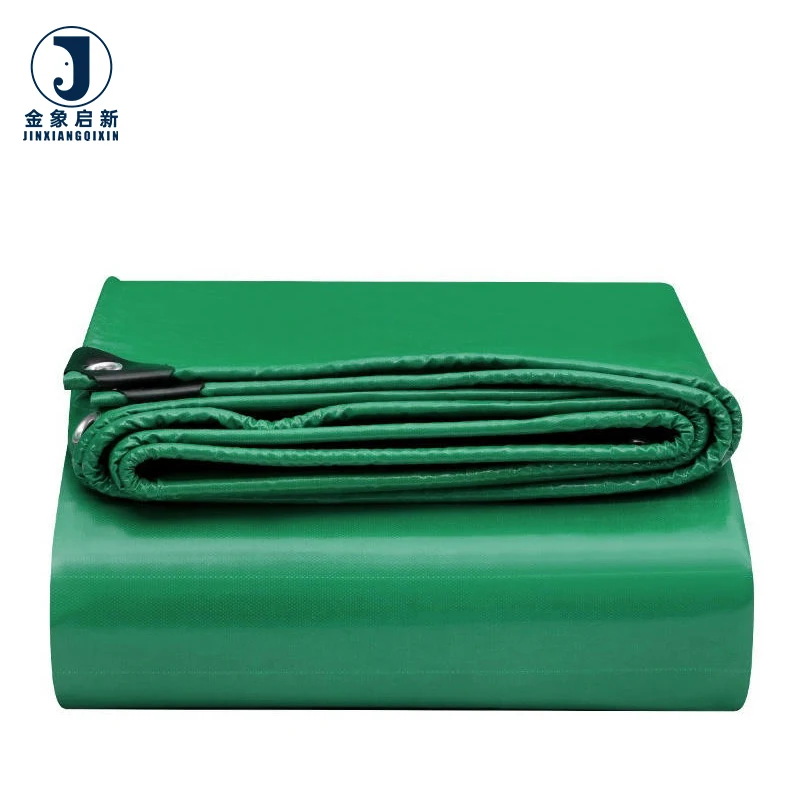
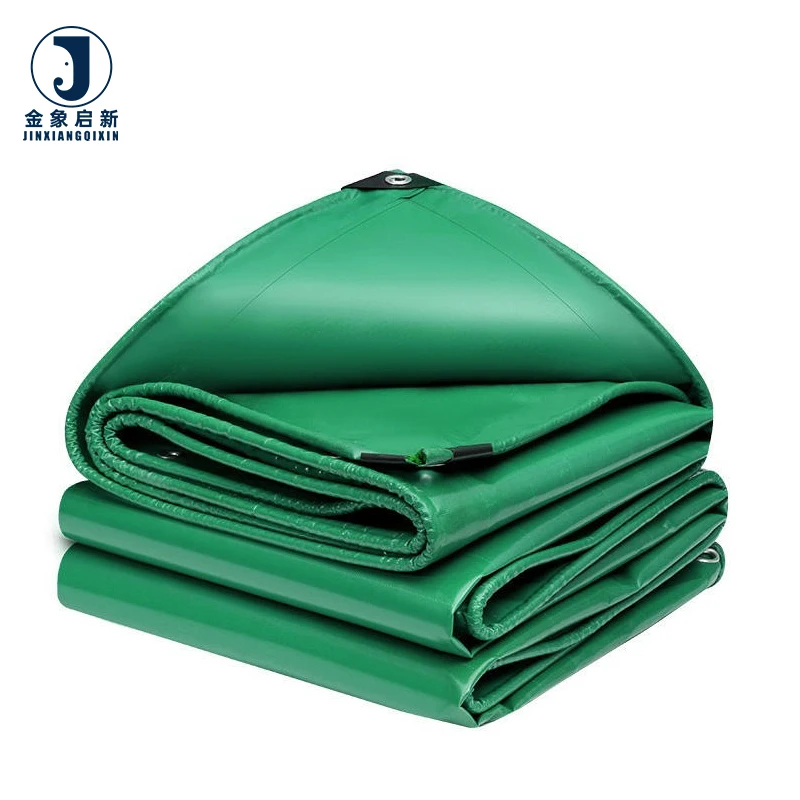
Description
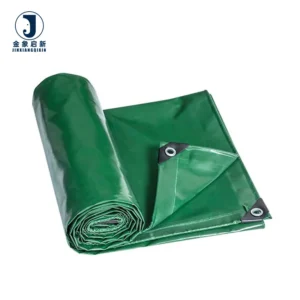
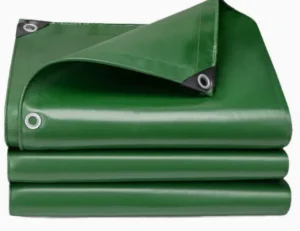
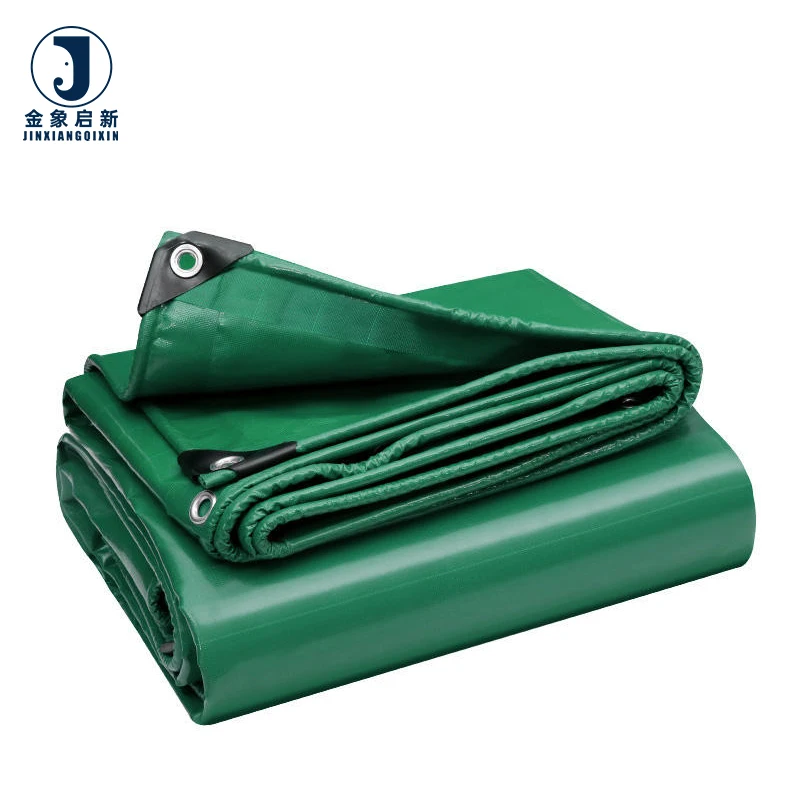
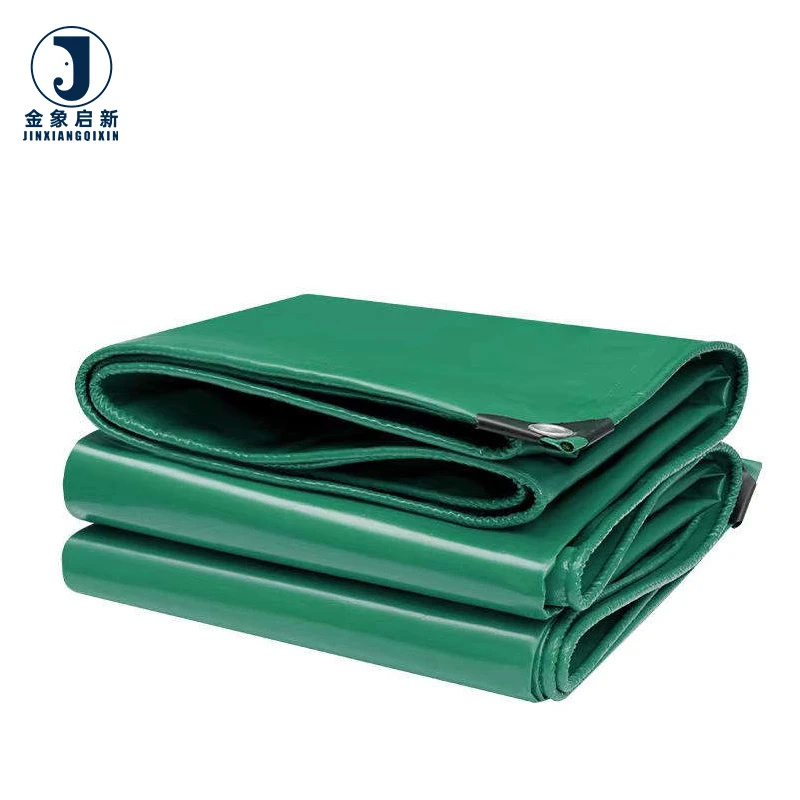
Proven Coating Weight Control — Nearly 30 years of PVC coating process mastery ensures every roll of PVC Coated Tarpaulin leaves the line at the specified GSM with verified adhesion between coating and base fabric.
Technical Specifications
| Parameter | Value |
|---|---|
| Product Type | PVC Coated Tarpaulin |
| Weight Range | 250gsm-1500gsm (confirm the grade for your application) |
| Base Fabric Denier | 200DX300D, 500DX500D, 840DX840D, 1000DX1000D |
| Coating Material | PVC |
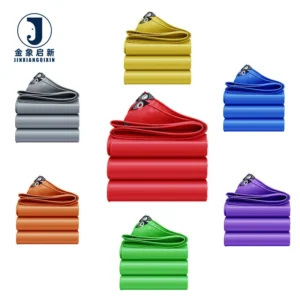
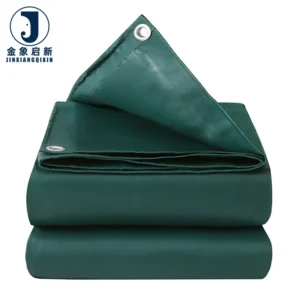
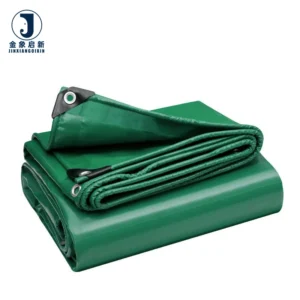
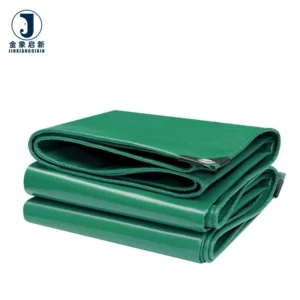
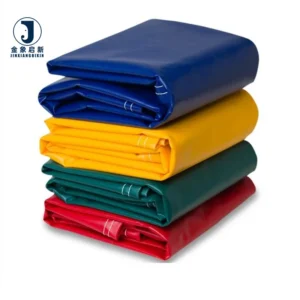
| Colour Options | Blue, Yellow, Black, Green, White, and others available |
| Surface Finish | Available in glossy or matte finish |
| UV Treatment | Customized (test basis not stated in source) |
| Flame Retardant Grade | FR treated (grade not stated in source) |
| Anti-Mildew | Anti fungal treated |
| Waterproof Rating | Waterproof, rain-resistant |
| Temperature Range | -15ºC to 70ºC |
| Environment | Eco-friendly |
| Working Life | 3-10 years (source value — verify against manufacturer catalog) |
| Key Features | Waterproof, rain-resistant, tear-resistant, abrasion-resistant, good flexibility and adhesion strength |
Application Suitability
| Application | Exposure & Requirement |
|---|---|
| Tarpaulin distributor stock | Broad grade range needed to cover light-duty through heavy-duty end uses across retail and trade channels |
| Tent and awning fabrication | Roll-to-roll colour consistency for multi-panel structures assembled from several bolts |
| Inflatable and membrane structure manufacturing | Reliable coating adhesion for high-frequency welded seams holding air pressure |
| Industrial air duct and ventilation sleeve supply | Fire-retardant and anti-static treatment where site safety codes demand certified material |
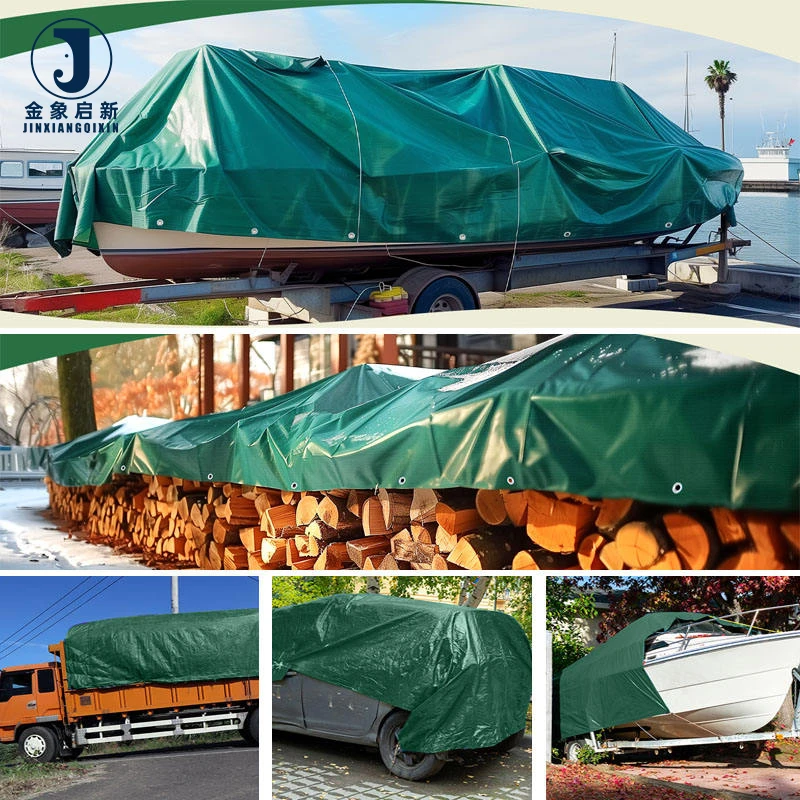
| Transport fleet side curtain and trailer cover | Constant flexing at load-bearing points combined with road abrasion and weather exposure |
Why Colour Shifts Between Rolls Wreck a Bulk Tarpaulin Order
Colour variation across rolls in the same shipment becomes visible the moment two panels are installed side by side on a truck, tent or site cover.
When a distributor receives twenty rolls of PVC Coated Tarpaulin and half carry a slightly different hue, the entire batch may need sorting or partial rejection. This is not a cosmetic complaint — it signals inconsistent pigment dosing or coating temperature during production. Fleet operators and tent makers reject shipments for this reason far more often than buyers expect. The cost of return freight and replacement lead time compounds the initial material loss [NEED_CITE: colour consistency standards for coated textile batches].
Batch-to-Batch Colour and Weight Consistency Across the Container
Maintaining the same shade and GSM across every PVC Coated Tarpaulin roll in a container-load shipment requires tight control at the mixing, coating and winding stages. Pigment batches are matched against reference standards before the run begins, and in-process checks monitor coating weight as the web moves through each station. This approach gives wholesalers and importers the confidence that roll number one and roll number twenty will match when laid out on a workshop floor or installed across a fleet.
How Container Loading Plans Reduce Freight Cost Per Roll
A well-structured loading plan accounts for roll diameter, weight per roll and total roll count against the internal dimensions of a 20-foot or 40-foot container. Heavier GSM grades occupy less cubic space per kilogram, while lighter grades fill the cube before reaching the weight limit. Mapping these variables before dispatch ensures buyers receive the maximum roll count per shipment, improving landed cost on every PVC Coated Tarpaulin container [NEED_CITE: container load optimisation methods for textile roll goods].
Reading Denier and GSM Together to Predict Real-World Performance
Buyers often focus on GSM alone, assuming a heavier number means a stronger fabric. In practice, tensile and tear resistance depend on both the base fabric denier and the coating weight applied to it. A 500DX500D base at 650gsm will behave differently under load than a 1000DX1000D base at the same weight, because the heavier yarns in the base fabric resist tear propagation more effectively. Glossy surfaces shed water and dirt faster in outdoor storage, while matte finishes reduce glare and accept printed branding with better ink adhesion. The -15ºC to 70ºC operating range means the PVC compound stays flexible in cold-weather transit and does not soften or stick to itself during summer warehousing. Understanding these relationships lets buyers match the correct grade to each end use rather than defaulting to the heaviest option available.
The Hidden Cost of Choosing the Wrong GSM Grade for Stock
Importers who order a single mid-range GSM to simplify inventory often find that lighter-duty customers complain about premature tearing while heavy-duty users report coating delamination at stress points. The problem is not defective material — it is a specification mismatch. Stocking a narrow range of grades forces resellers to push one product into applications it was never designed for, leading to warranty claims and lost accounts. A phased stocking plan covering at least three GSM tiers allows distributors to serve the full breadth of their market without over-complicating warehouse space [NEED_CITE: common specification mismatches in coated fabric distribution].
Why Procurement Teams Consolidate Roll Stock Supply Here
Three full production lines running in parallel provide the capacity to fill container-load orders on schedule without splitting a single purchase order across multiple production windows. A dedicated R&D team of ten handles custom width, colour matching and sample development so that trial rolls reach buyers within days rather than weeks. Every roll passes through 100% pre-shipment inspection before packing, catching coating defects or GSM deviations before they reach the port. Deep process control over coating weight and adhesion, built over nearly 30 years of continuous production, means the material arriving at a buyer’s warehouse performs as the specification sheet promised.
Documentation & Verification
- Material specification sheet listing GSM, base fabric denier and coating weight for each roll batch
- Pre-shipment inspection record confirming visual and dimensional checks across the full order
- Roll packing itemised by roll count and net weight for container load planning
- Colour reference confirmed before production with signed approval on file
- Certificate of origin and customs documentation included with every export shipment
Fabrication, Handling & Storage
- Hot-air welding temperature should be adjusted to match the specific GSM grade being fabricated
- Store rolls upright on end-caps to prevent flat-spot deformation of the PVC coating surface
- Unroll and allow the fabric to relax before cutting to reduce tension distortion at -15ºC transit temperatures
- Matte finish rolls accept solvent-based ink printing more effectively than glossy equivalents
- Avoid stacking heavy rolls directly on lighter GSM grades during warehouse storage to prevent surface embossing marks
Specifying the Right Roll Stock for Your Market
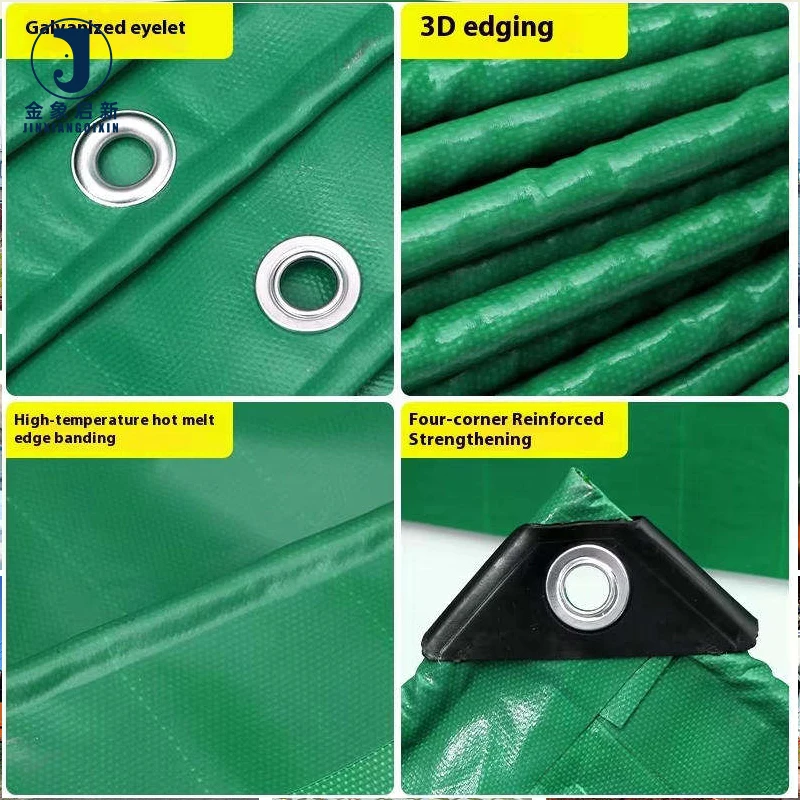
Provide the target GSM grades, required widths and estimated annual volume so we can map a stocking plan that fits your distribution model. If your end users demand flame-retardant or anti-static certification, share the specific standard required in your market — available in flame retardant grades, but confirm the grade required for your application before production starts. Let us know whether you need raw rolls only or finished cut sizes with edge reinforcement.
Frequently Asked Questions
Q: What roll widths and lengths are available from stock versus custom order?
A: Standard widths and lengths are held in common grades for immediate packing. Custom widths and colours run on dedicated lines with typical multi-week lead times. Minimum order quantities depend on the grade and finish selected. Request a stock list for your container plan.
Q: How do you ensure colour consistency across rolls in a bulk order?
A: Pigment batches are matched to approved reference standards before each production run. In-process checks monitor shade uniformity at the coating stage. Rolls from the same order are grouped and inspected side by side before dispatch to catch any visible variation.
Q: Can I mix different GSM grades in a single container shipment?
A: Yes. Container load plans are calculated by roll count and weight per grade so that multiple specifications ship together. This lets distributors stock several tiers without placing separate orders. We provide a detailed loading plan before confirmation.
Q: What documentation comes with each shipment to verify weight and treatment?
A: Each consignment includes a material specification sheet showing GSM and base fabric, a pre-shipment inspection record, and a roll packing list itemised by count and weight. Where UV or flame-retardant treatment is specified, the corresponding test documentation is referenced on the paperwork.
Q: What is the minimum order for custom width or colour runs?
A: Minimums vary by denier, GSM grade and finish chosen. Our R&D team develops samples within days so buyers can approve colour and hand feel before committing to a full production run. Sample costs may be credited against the first confirmed order.