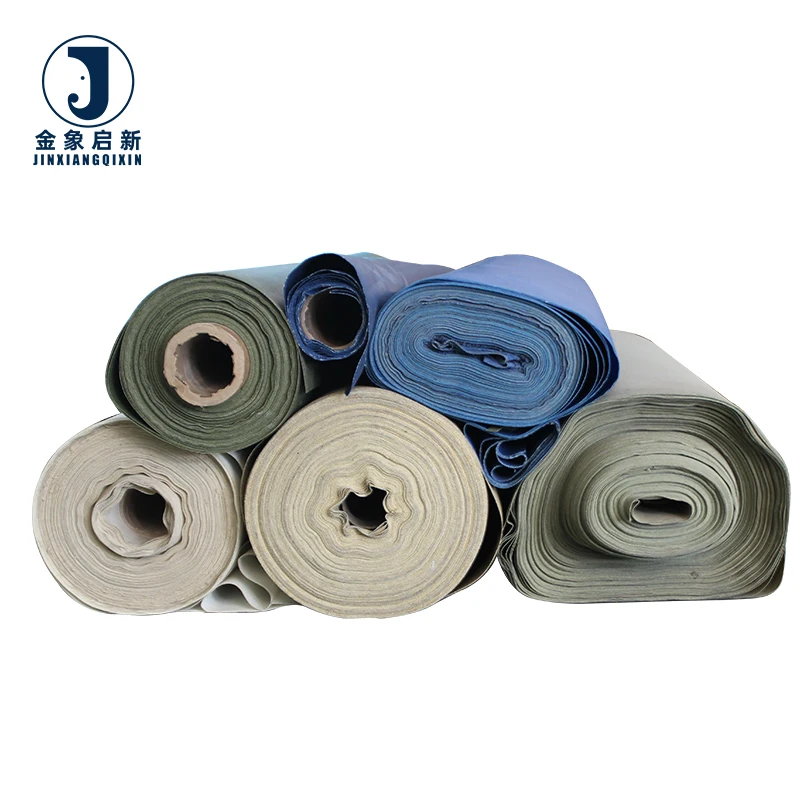
Description
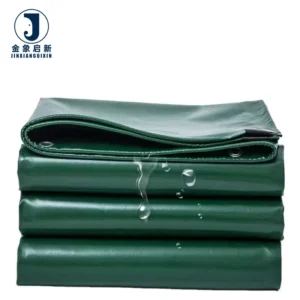
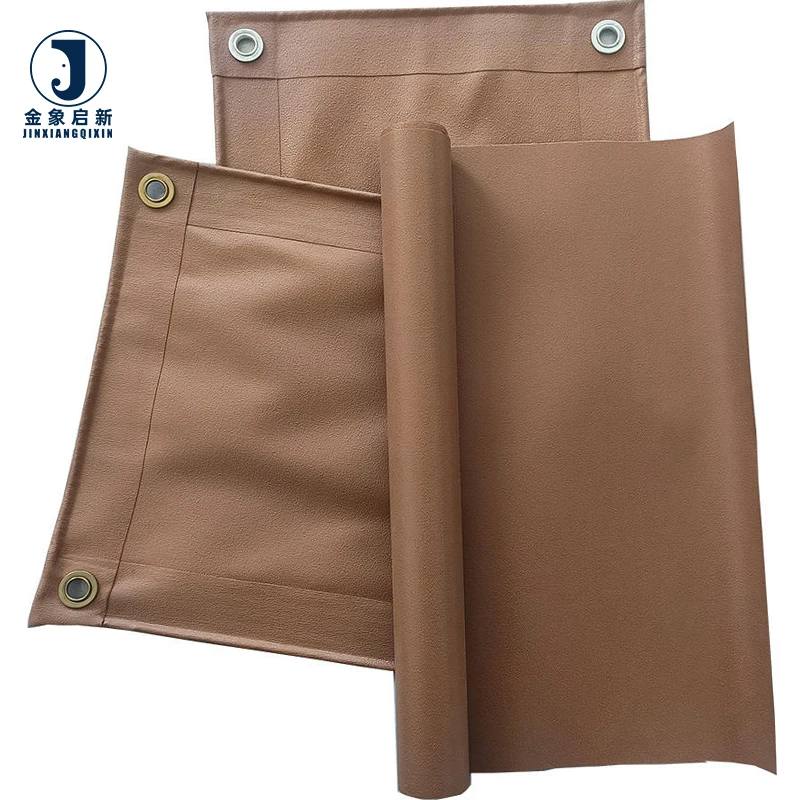
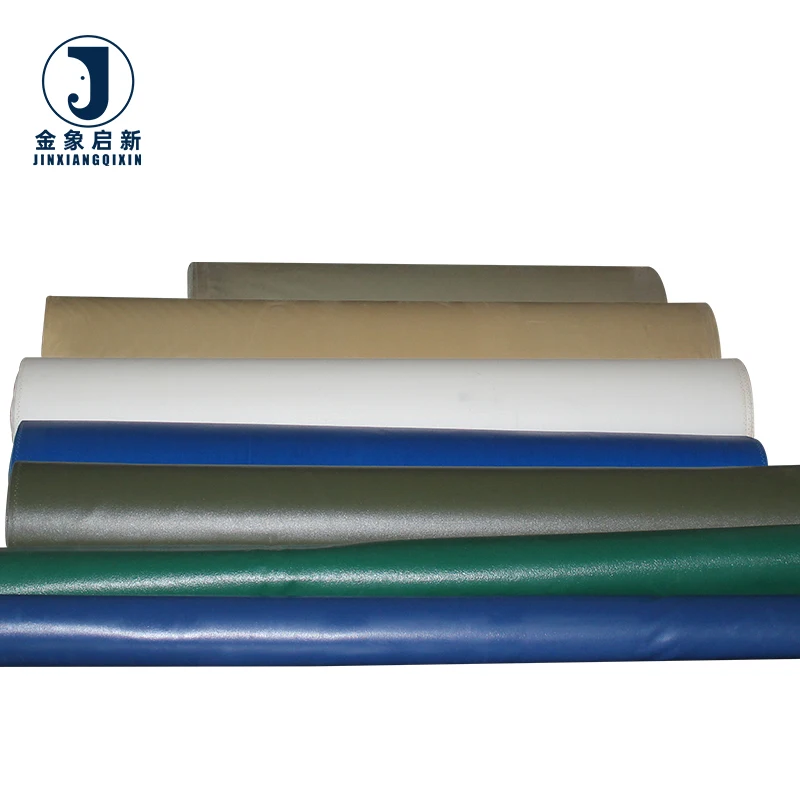
Roll-to-Roll Consistency — Every roll of PVC coated tarpaulin roll stock is weighed and logged against its stated GSM before leaving the factory, giving transport cover fabricators reliable batch uniformity across container-load volumes.
Technical Specifications
| Parameter | Value |
|---|---|
| Product Type | PVC Coated Tarpaulin Roll |
| Base Fabric | 100% high toughness polyester yarn |
| Coating Material | PVC |
| Coating Method | Lamination and hot melt coating technology |
| Weight (medium) | 400–500 g/m² |
| Weight (heavy-duty) | 700–1000 g/m² |
| Weight (super heavy) | 1100–1500 g/m² |
| Thickness (medium) | 0.35–0.45 mm |
| Thickness (heavy-duty) | 0.70–1.0 mm |
| Thickness (super heavy) | 1.2–1.5 mm |
| Knitting Density (medium) | 500D |
| Knitting Density (heavy-duty) | 1000D |
| Knitting Density (super heavy) | 500D–2000D |
| Tensile Strength (medium) | Longitude 1500–2000 / Latitude 1200–1800 N/5cm |
| Tensile Strength (heavy-duty) | Meridian 2000–2500 / Latitude 1800–2200 N/5cm |
| Tensile Strength (super heavy) | Warp 2500–3000 / Weft 2200–2800 N/5cm |
| Color Fastness | Best color fastness |
| Cold Resistance | Cold resistant cracking |
| Anti-Mildew | Mold proof |
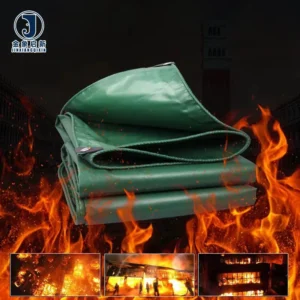
| Key Features | Waterproof; flame retardant, anti-static and cold prevention treatments available — confirm the grade required for your market |
| Weather Resistance | 3–5 years outdoor living guarantee |
| Standards | ISO, CE |
Application Suitability
| Application | Exposure & Requirement |
|---|---|
| Truck tarpaulin and side curtain | Constant flexing at load points, road abrasion, wind-driven rain, UV exposure during transit |
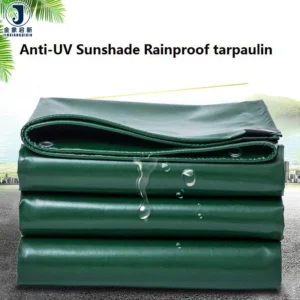
| Waterproof outdoor coverage fabric | Prolonged weather exposure, pooling water, thermal cycling across seasons |
| Lightweight engineering fabric | Temporary site protection, moderate mechanical handling, short-term UV exposure |
| Heavy truck tarpaulin and engineering protective cloth | High tensile demand from tie-down tension, impact from shifting loads, abrasion against trailer frames |
| Industrial pipe canopy and tensioned structural fabric | Sustained tension, wind uplift loads, weld seam integrity over large unsupported spans |
Why Roll Weight Alone Cannot Predict How Long a Truck Cover Will Last
Fabric lifespan depends on base yarn denier and weave density working together with the coating, not on GSM in isolation.
Transport equipment builders who specify PVC coated tarpaulin roll stock on weight alone frequently encounter covers that fail at flex points long before the expected service window closes. A roll that hits the target GSM on the scale can still tear along a weld line if the base fabric denier is too low for the tensile demand of a side curtain application. Conversely, a lighter roll woven from high-density polyester yarn can outperform a heavier, loosely woven alternative when the load cycles through repeated tension and release on the road [NEED_CITE: tensile and tear test methods for coated fabrics per ISO 1421]. The decision chain should always trace from application stress back through yarn specification and coating adhesion, treating GSM as one input among several rather than the sole measure of quality.
Batch Uniformity Across High-Volume Side Curtain Production
When a fabricator cuts and welds dozens of truck side curtains from a single shipment, any roll-to-roll variation in weight or coating thickness becomes visible once the finished covers hang side by side on a fleet. This PVC coated tarpaulin roll range is produced on three dedicated coating lines with in-process weight monitoring, so every roll in a container-load order carries the same GSM, thickness and surface finish. Consistent material behaviour also means weld parameters set on the first roll carry through the entire batch without mid-run adjustments.
Colour Matching From First Roll to Last
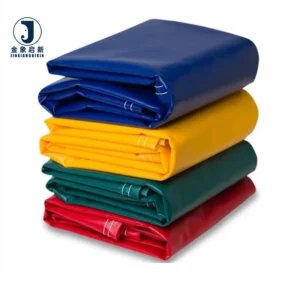
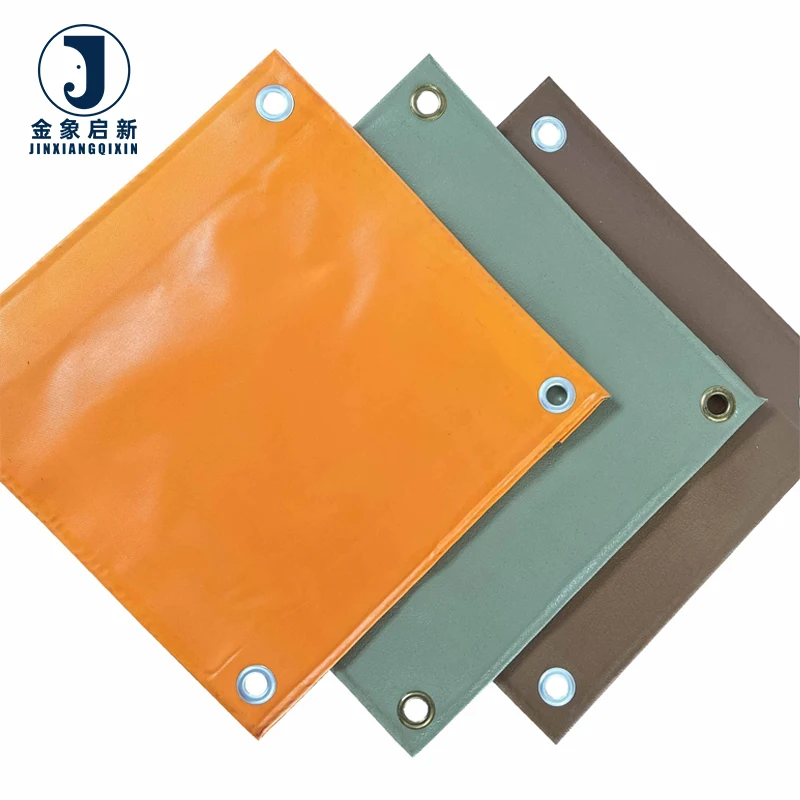
Colour drift between production batches is one of the most common reasons fleet operators reject a shipment of finished truck covers. The hot melt coating process used for this PVC coated tarpaulin roll stock holds pigment dispersion within tight tolerances, so rolls pulled from different positions in the same order show no visible shade difference when installed next to each other. For fabricators who hold standing colour agreements with fleet clients, this consistency eliminates the need for selective roll grouping during cutting.
Reading the Specification Sheet Beyond the GSM Number
The weight of a coated fabric tells you how much PVC and polyester went into each square metre, but it does not tell you how those materials are distributed. A 700 g/m² roll built on a 1000D base fabric with hot melt coating will deliver substantially higher tear resistance than a 700 g/m² roll on a lighter base yarn with heavier coating applied to compensate. The coating method itself matters: lamination bonds a pre-formed PVC film to the woven scrim under heat and pressure, producing a smooth surface suited to printing and easy cleaning, while hot melt coating drives liquid PVC into the weave for deeper penetration and stronger peel adhesion at weld seams [NEED_CITE: coating adhesion test methods for PVC laminated fabrics]. When you compare two rolls at the same GSM, ask for the base fabric denier, the knit density and the coating method before drawing conclusions about which will last longer in service.
The Hidden Cost of Specifying on Price Per Kilogram
Fabricators who award supply contracts on the lowest cost per kilogram of PVC coated tarpaulin roll stock often absorb the real expense later on the production floor. A roll that arrives lighter than the quoted GSM forces the cutting room to re-plan panel layouts, creating more offcut waste and more weld seams in the finished cover. Seams that land on high-flex zones of a side curtain become the first failure points under road vibration, generating warranty claims that cost far more than the original material saving [NEED_CITE: common failure modes in PVC truck side curtains]. Batch colour inconsistency compounds the problem when replacement panels are cut from a later shipment and visibly mismatch the originals.
Sourcing PVC Coated Tarpaulin Roll Stock With Verified Output
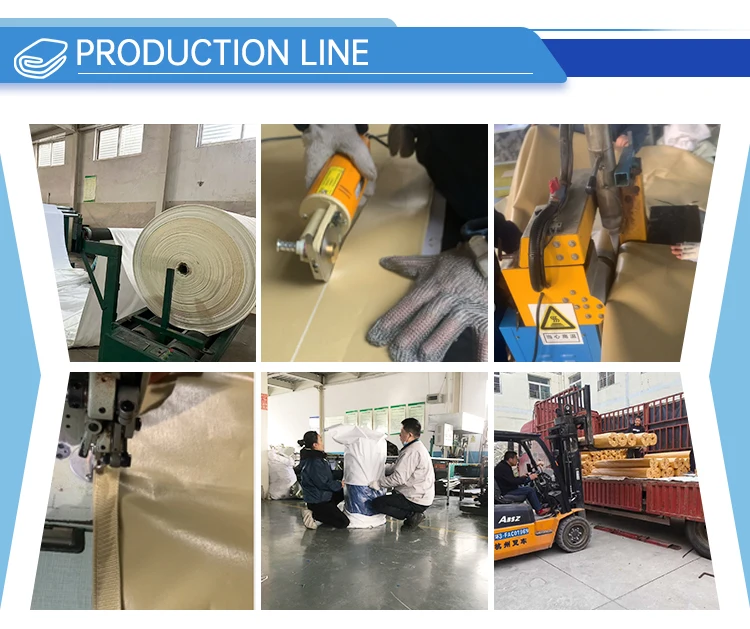
Three full production lines and 36 sets of professional equipment support bulk roll output with maintained lead times, so container-load orders for standard truck cover grades dispatch without extended delays. A dedicated 10-person R&D team handles custom width, colour matching and sample development, returning sample rolls within days rather than weeks for fabricator approval. Every roll passes through 100% inspection before packing, with individual weight checks logged against the stated GSM. ISO and CE certification underpins the quality management system across all production stages. Pre-shipment documentation accompanies each dispatch, giving your receiving team the records needed to verify the order on arrival.
Documentation & Verification
- Material specification sheet listing exact GSM, base fabric denier, coating weight and treatment claims for each roll grade
- Pre-shipment inspection record confirming measured weight matches the quoted 400–500, 700–1000 or 1100–1500 g/m² range
- Roll packing list with individual roll weights, batch numbers and dimensions for receiving verification
- Colour reference documentation tied to batch numbers for cross-order consistency tracking
- Certificate of origin and customs documentation included with each container shipment
Fabrication, Handling & Storage
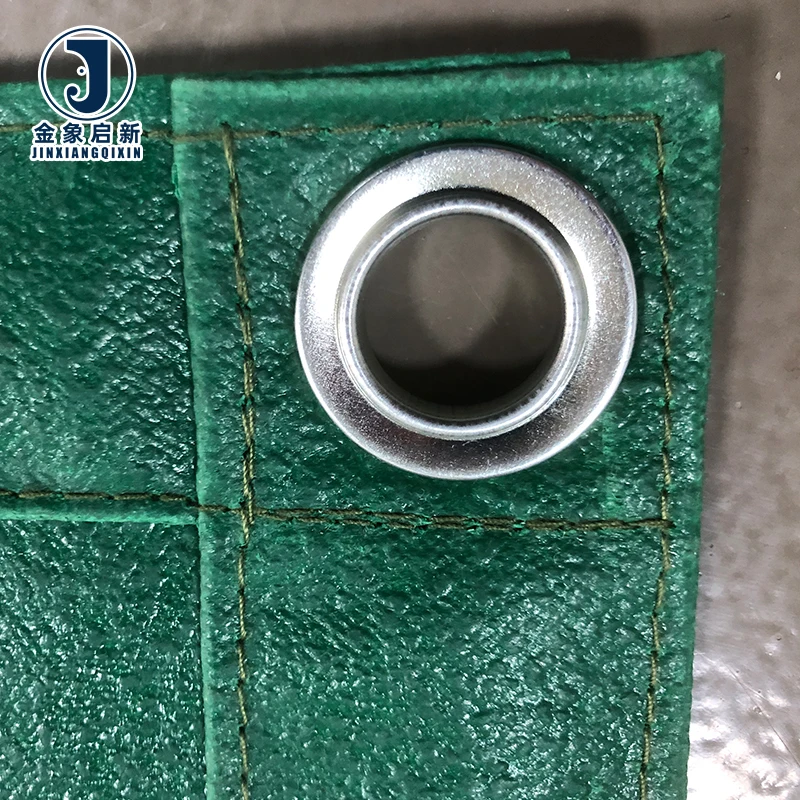
- Set hot-air weld temperature and speed based on the specific coating method — lamination and hot melt coatings respond differently to heat input
- Reinforce tie-down eyelet zones with additional PVC patches, especially on the 400–500 g/m² medium grade where base fabric carries less reserve strength
- Store rolls upright on their cores in a dry, shaded area to prevent flat spots and edge creasing that transfer into the cut panels
- Allow cold-stored rolls to reach workshop temperature before unrolling to avoid cracking the PVC coating at low flexibility
- Use PVC-compatible solvent cleaners only; aggressive solvents can soften the hot melt coating layer and reduce weld seam strength
- Plan cutting layouts to minimise cross-grain welds on side curtain panels, keeping long seams aligned with the warp direction for higher tensile capacity
What We Need to Quoting Your Roll Stock Order
To return an accurate specification and lead time, provide your target application, the exposure conditions the finished cover will face, and any fire-retardant or anti-static grades required by your local regulations. Specify the roll widths and lengths that suit your cutting tables and container loading plan, along with annual volume expectations so we can align production scheduling. If colour matching to an existing fleet palette or printed branding is needed, send a physical sample or Pantone reference for lab dip development before bulk coating begins.
Frequently Asked Questions
Q: How do you verify that the GSM on each roll matches what was quoted?
A: Every roll is weighed individually during pre-shipment inspection and logged on the packing list. The recorded weight per square metre is compared against the specification sheet for that grade — whether 400–500, 700–1000 or 1100–1500 g/m² — and any roll falling outside tolerance is replaced before dispatch. You receive the full inspection record with your shipment documentation.
Q: What roll widths and lengths are available for container loading?
A: Standard widths and lengths are configured to maximise container load efficiency by roll count and total weight. Custom widths are available for fabricators whose cutting tables require specific dimensions. Provide your preferred roll dimensions and target container load plan so we can confirm packing configuration and total linear metres per shipment.
Q: How do you control colour consistency across multiple rolls in one order?
A: Pigment dosing is controlled at the coating stage and cross-checked against the batch colour reference. Rolls within a single order are drawn from the same coating run wherever possible. For standing fleet colour programmes, we retain a master colour standard on file and match each new production batch against it before release.
Q: What are the minimum order quantities for custom widths and colours?
A: Minimum quantities vary by the specific width, colour and treatment combination requested. Standard stock grades carry lower minimums and shorter lead times, while custom colours and non-standard widths require longer production runs to justify the coating line setup. Send your specification and we will confirm the applicable minimum and lead time.
Q: What documentation ships with each roll order?
A: Each container shipment includes a material specification sheet, pre-shipment inspection record, roll packing list with batch numbers and individual weights, colour reference documentation, certificate of origin and customs paperwork. Flame retardant or anti-static test reports are supplied where the specified treatment grade has been applied and tested.