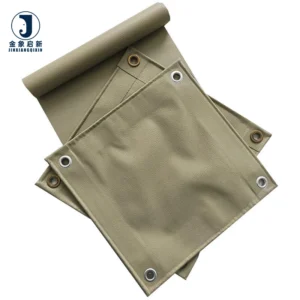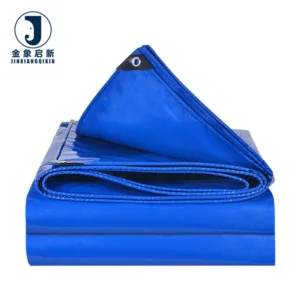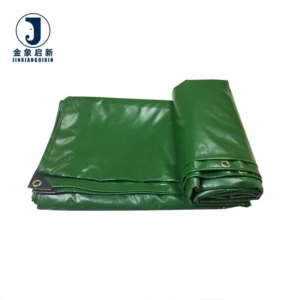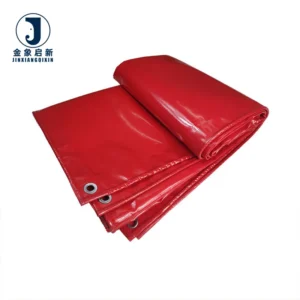
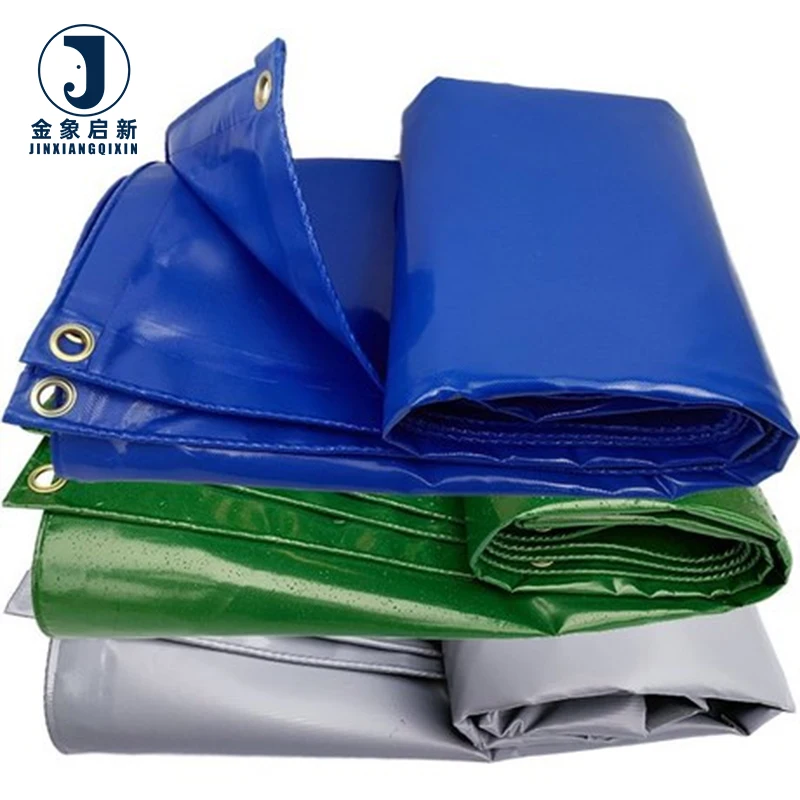
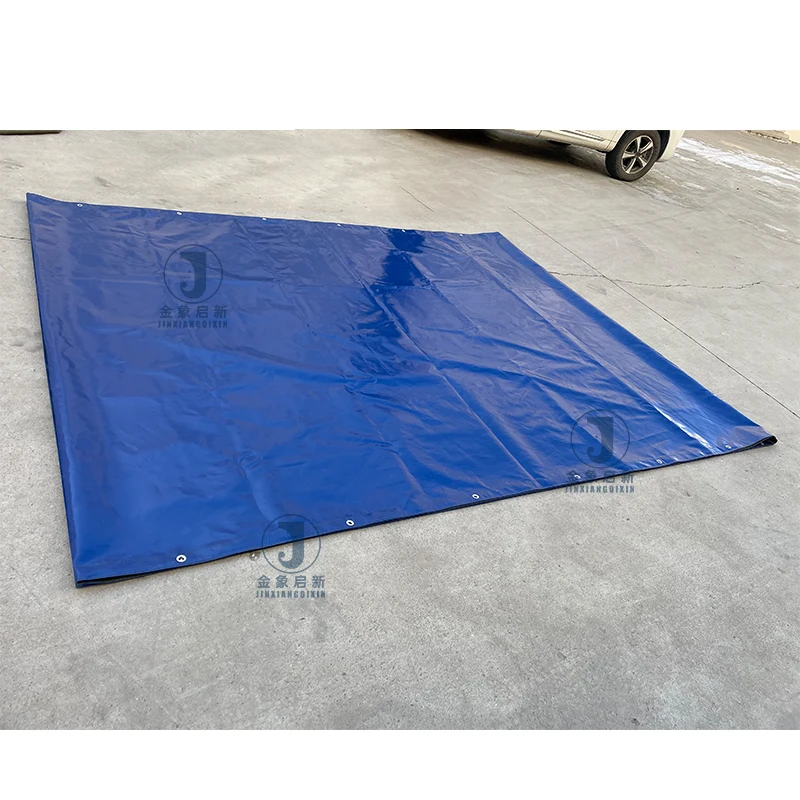
Description
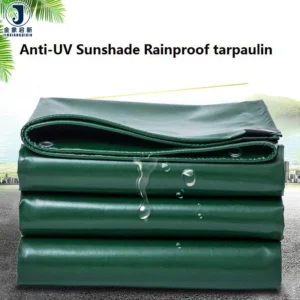
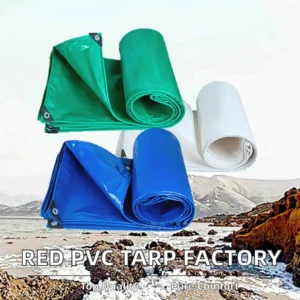
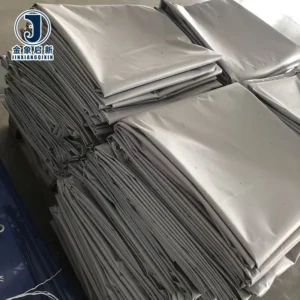
Consistent Roll-to-Roll Quality — PVC coated polyester tarpaulin rolls delivered with verified GSM and colour uniformity across every batch, supporting wholesale distributors who need reliable bulk stock.
Technical Specifications
| Parameter | Value |
|---|---|
| Product Type | PVC Coated Fabric |
| Base Fabric | 500D-500D Polyester |
| Coating | PVC, Double-Sided |
| Thickness / Weight Range | 450-900 g/m² |
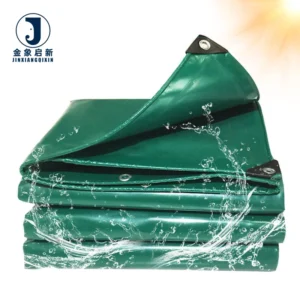
| Waterproof Performance | Fully waterproof coated construction |
| Flame Retardancy | Available in flame retardant grades — confirm the grade required for your market |
| UV Resistance | Anti-UV treatment available — verify test basis for your destination market |
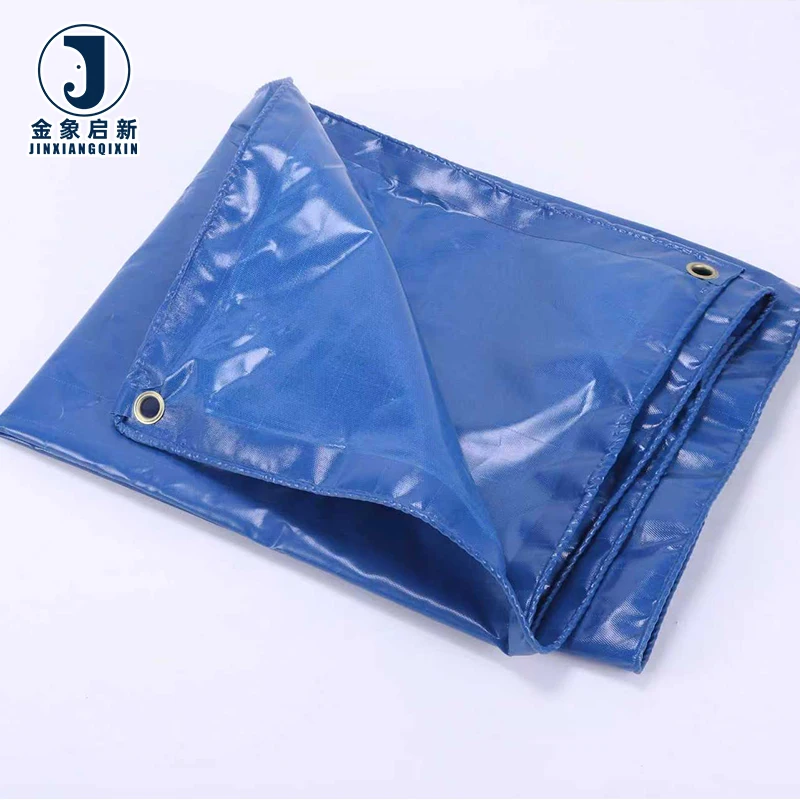
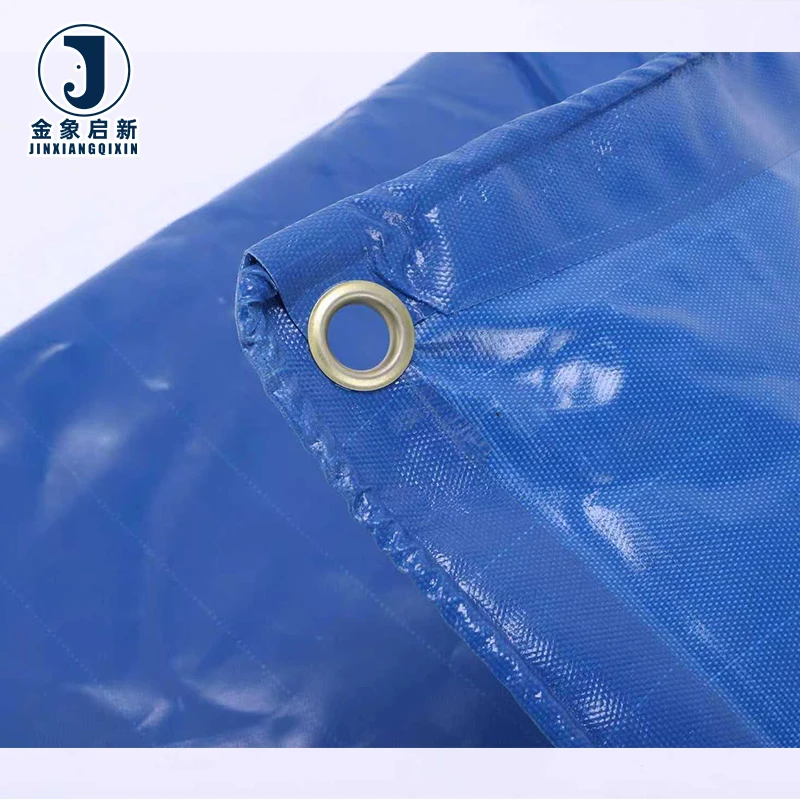
| Surface Finish | Smooth, leather-like texture |
| Weldability | Repairable and seam-joinable by hot air welding |
| Key Features | Water resistant, abrasion resistant, anti-UV and flame retardant options available |
Application Suitability
| Application | Exposure & Requirement |
|---|---|
| Truck and trailer side covers | Constant flexing at load points, road abrasion, weather exposure, tie-down stress |
| Machine and equipment wraps | Outdoor storage, dust and moisture ingress, UV degradation over standing periods |
| Tent and awning fabrication | Tension loading, repeated folding and unfolding, colour matching across panels |
| Wood and construction material covers | Prolonged water contact, wind uplift, site handling damage |
Why Roll Consistency Matters More Than a Spec Sheet
The fabric that arrives must match the fabric that was quoted, roll after roll.
Buyers ordering PVC coated tarpaulin by the container frequently encounter a gap between the GSM stated on the quotation and the weight measured on arrival. Material lighter than agreed shifts the economics of the entire order and often surfaces only after rolls are cut and installed. Colour variation across rolls within the same shipment becomes visible once panels are placed side by side on a truck curtain or a tent roof, forcing fabricators to sort and reject material on the shop floor [NEED_CITE: pre-shipment inspection methods for coated fabric batch consistency].
Bulk Roll Stock with Verified Weight Uniformity
Sourcing PVC coated tarpaulin rolls at container scale demands that each roll sits within a tight weight tolerance of the next. The 500D-500D polyester base fabric provides a stable foundation, and the double-sided PVC coating process applies a controlled layer on both faces. Weight consistency is checked across the production run rather than sampled from a single master roll.
Colour Matching Across the Full Shipment
Distributors restocking standard colours need panels from different rolls to sit invisibly next to each other after fabrication. The PVC coating formulation is batch-matched before coating begins, and roll sets destined for a single order are grouped for sequential production. This reduces the shade drift that can occur when rolls are pulled from separate runs [NEED_CITE: colour consistency standards for PVC coated textile batches].
Reading Beyond the Gram-Square-Metre Number
The weight range of 450-900 g/m² reflects different constructions available within this fabric family. GSM alone does not define how the material handles in use. The 500D-500D denier indicates the yarn thickness in both warp and weft, which governs the base fabric density and contributes directly to tensile behaviour. A heavier coating weight increases stiffness and waterproofing but does not automatically raise tear strength — that depends on the weave density of the underlying polyester. For wholesale buyers comparing roll grades, requesting the base fabric denier alongside GSM gives a more complete picture of how the material will perform under tension at a truck curtain track or a tent ridge line.
What Happens When Batch Quality Slips
Rolls that arrive lighter than quoted leave fabricators short on yield per roll, increasing waste and cutting costs into margins. Colour variance between rolls forces tent and awning makers to sort stock manually or face complaints from end users who see mismatched panels in daylight. Welded seams on PVC coated tarpaulin fail first when the coating adhesion varies from roll to roll, because the hot air welding temperature that works on one roll burns through the next [NEED_CITE: weld seam failure modes in PVC coated fabric fabrication].
What You Can Expect from This Supply Chain
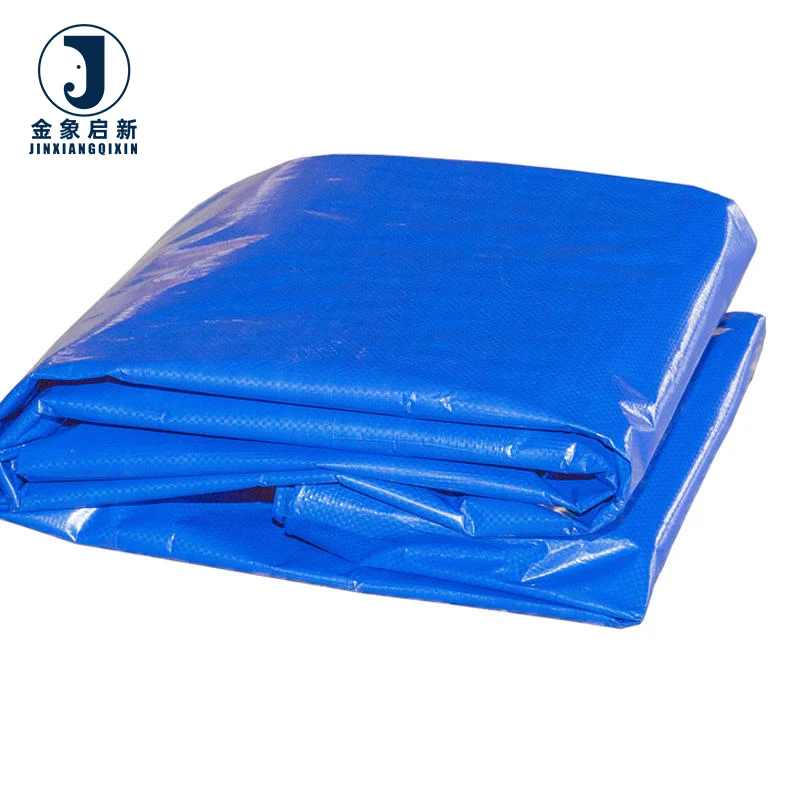
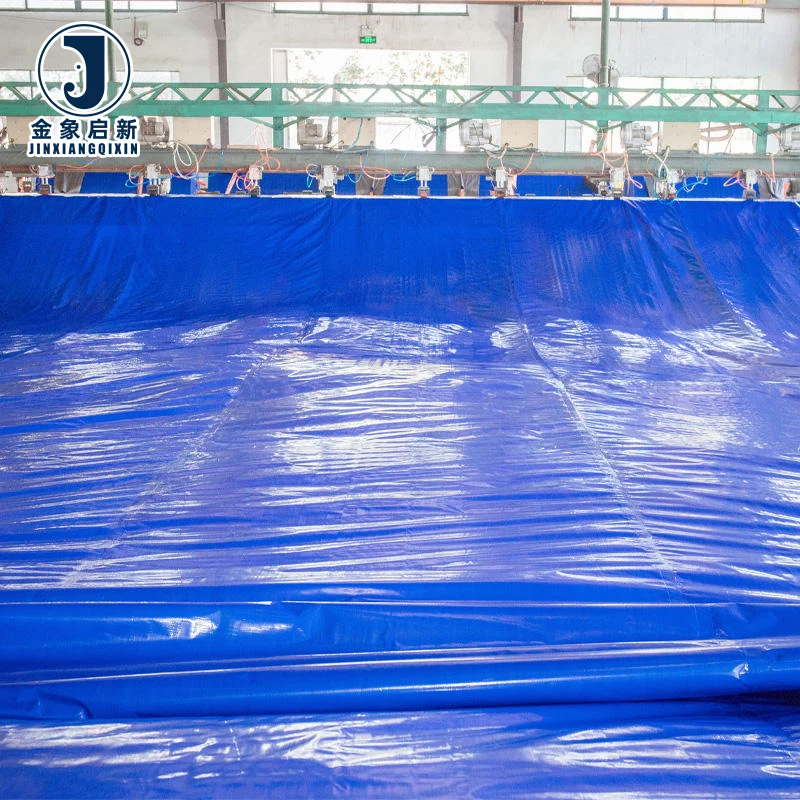
Three full production lines and 36 sets of equipment support bulk roll output with scheduled dispatch dates. The dedicated QA/QC process inspects every roll before packing rather than relying on statistical sampling from a batch. A 10-person R&D team handles custom width, colour matching, and sample development, typically turning samples around within days. Roll packing, bale packing, and carton options are available to match how your warehouse or your customer’s receiving dock handles incoming stock. Nearly 30 years of coated fabric production provides the process depth that underpins repeatable quality across large orders.
Documentation & Verification
- Material specification sheet confirming GSM range, base fabric denier, and coating type
- Pre-shipment inspection record with roll-by-roll weight verification before dispatch
- Roll packing list detailing roll count, individual weights, and container loading plan
- Colour reference card with batch consistency confirmation across the order
- ISO and CE certificates included with each shipment for customs and compliance
- Test reports for flame retardant and anti-UV grades where applicable to the order
Fabrication, Handling & Storage
- Hot air welding temperature should be calibrated to the specific GSM of each roll received
- Store PVC coated polyester rolls upright on cores to prevent flat-spot creasing in the coating
- Avoid dragging roll edges on concrete to protect the smooth leather-like surface finish
- Allow rolls to acclimatise before unrolling in cold conditions to prevent coating stiffness cracking
- Plan cutting layouts across roll widths to minimise off-cuts and seam joins in finished covers
- Clean with mild detergent only — solvent-based cleaners can soften the PVC coating surface
How to Specify Your Roll Order
Provide the application end use, the target GSM within the 450-900 g/m² range, and the required roll width and length. Confirm whether your market requires a specific flame retardant grade or anti-UV test basis so that the correct treatment is applied from the start. Let us know your preferred packing method and container load quantity so we can build a loading plan with your shipment.
Frequently Asked Questions
Q: How do you verify GSM on arrival matches the quotation?
A: Each roll is weighed individually during pre-shipment inspection and recorded on the packing list. We provide a weight verification document alongside the shipment so you can cross-check the GSM of every roll received against the quoted specification without relying on random sampling.
Q: How is colour consistency maintained across rolls in the same order?
A: Rolls for a single order are produced in a continuous batch run using the same coating formulation mix. This avoids the shade variation that occurs when rolls are pulled from separate production cycles. A colour reference is confirmed before production begins.
Q: What roll widths and lengths are available for bulk orders?
A: Standard and custom widths are available within the production capability of our coating lines. Roll length is set to your specification or to standard container-optimised lengths. Custom widths and lengths may carry different minimums — confirm your requirements during the quotation stage.
Q: How are rolls packed and loaded for container shipment?
A: Roll packing, bale packing, and carton packing are all available. The packing method is matched to your warehouse handling equipment and the container loading plan is shared before dispatch so you know the roll count and gross weight per container.
Q: What is the lead time and minimum order for stock and custom rolls?
A: Standard grades in common widths ship on shorter lead times from scheduled production runs. Custom colour, width, or treatment orders require sample approval first and carry longer lead times. Minimums vary by specification — request a quotation with your exact requirements for a confirmed schedule.