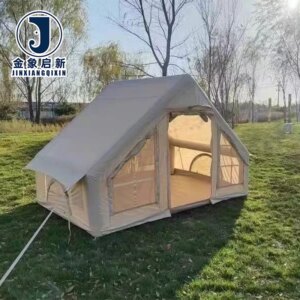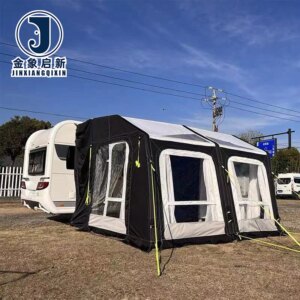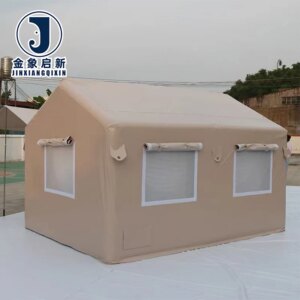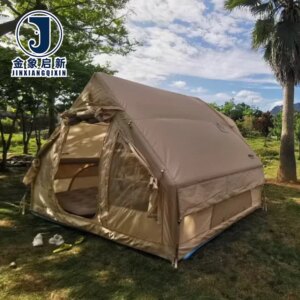
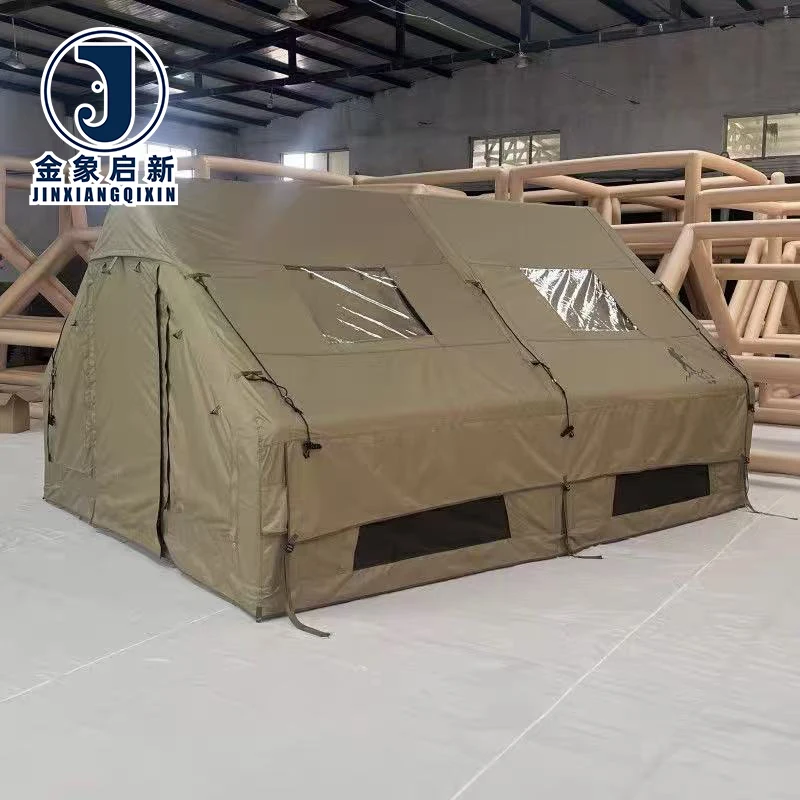
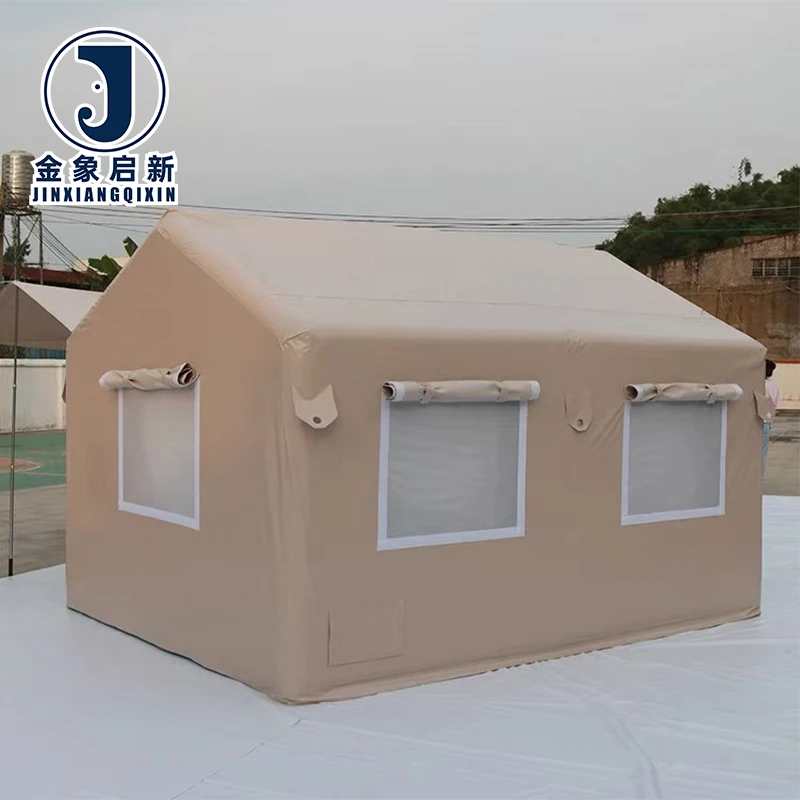
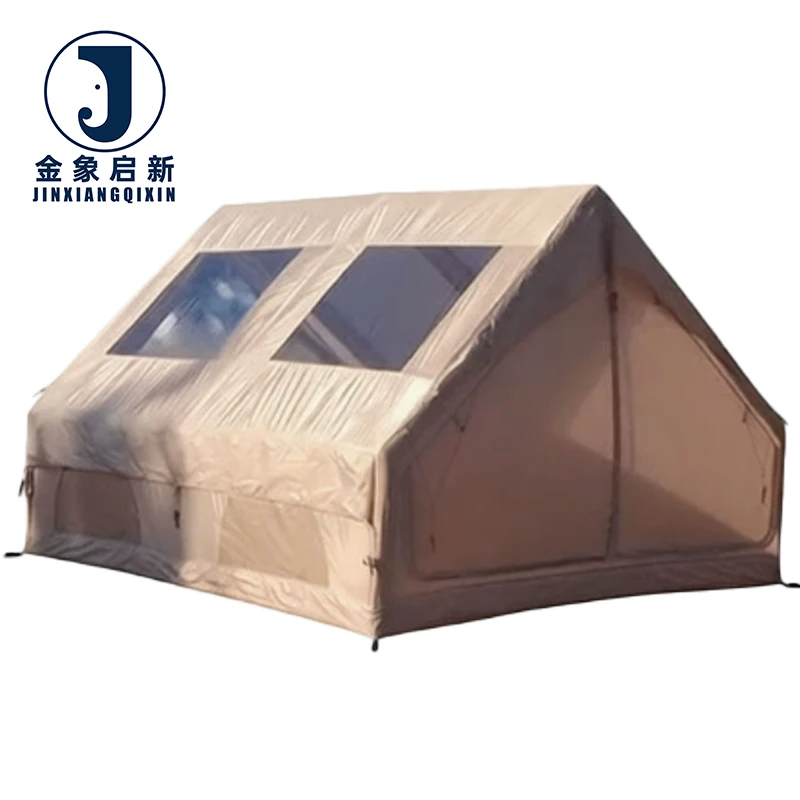
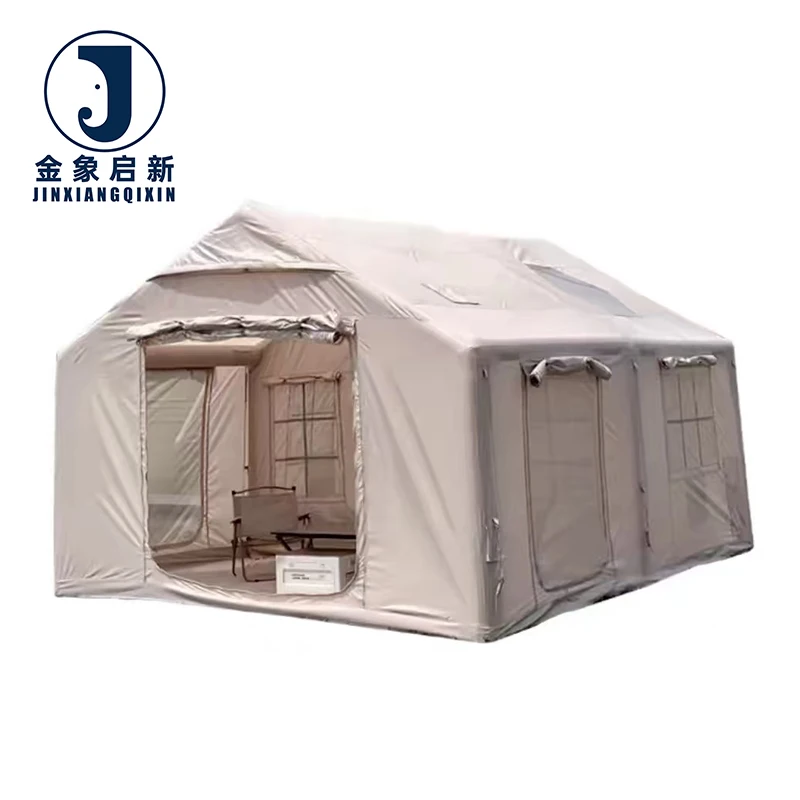
Description
Batch-Controlled Roll Stock — Every roll of inflatable tent fabric passes 100% pre-shipment inspection against its stated specification before dispatch.
Technical Specifications
| Parameter | Value |
|---|---|
| Product Type | Inflatable Tent |
| Core Material | PVC tarpaulin |
| Coating Material | PVC |
| Performance Features | Waterproof, UV-resistant (test basis not stated), tear-resistant, fire-retardant (grade not stated), anti-static (standard not stated) |
| Season Rating | Four-Season |
| Opening Mechanism | Quick Automatic Opening |
| Production Lines | 3 full production lines |
| Processing Equipment | 36 sets of professional equipment |
| Customization | OEM & ODM, sample customization, pattern printing |
| Quality Control | Full-process QA & QC with 100% inspection |
| Certifications | ISO9001, ISO14001, ISO45001, CE |
Application Suitability
| Application | Exposure & Requirement |
|---|---|
| Tent and inflatable structure manufacturing | Roll-to-roll consistency for multi-unit production runs, reliable coating adhesion for heat-welded seams |
| Commercial outdoor equipment distribution | Bulk inventory stocking with uniform colour and weight across containers, four-season deployment flexibility |
| Event rental company custom builds | Custom width availability for non-standard frame geometries, repeated inflation and deflation cycles without coating delamination |
| Industrial site temporary accommodations | Fire-retardant compliance for enclosed occupancy, resistance to ground moisture and mechanical abrasion |
Why GSM Alone Does Not Predict Inflatable Tent Fabric Behaviour
Coating weight and base fabric construction together determine how an inflatable tent roll performs under inflation pressure and field handling.
Buyers often specify a target GSM for their inflatable tent fabric and assume that number guarantees tear strength and weld integrity. In practice, two rolls with identical stated weight can behave very differently once the air beams are pressurised and the structure is anchored. The denier of the base yarn and the weave density control how stress distributes across the fabric when wind loads flex the inflated form. Without understanding both the coating formulation and the substrate, a sourcing decision based on weight alone leaves critical performance gaps. [NEED_CITE: tensile and tear test methods for coated fabrics per ISO 1421]
Roll-to-Roll Consistency Across Container Loads
When tent manufacturers order multiple rolls of PVC tarpaulin for a production run, colour drift between rolls creates visible mismatches once the finished units stand side by side at an event site. Our production process controls coating weight and pigment dispersion at each of the three full production lines, so an order shipped in a single batch maintains uniform appearance from the first roll to the last. This consistency matters especially for large-format inflatable tent structures where panels from different rolls are joined by heat welding.
Custom Widths and Production Scheduling Alignment
Tent frame designs vary in air beam diameter and panel geometry, which means standard stock widths often force manufacturers into excessive trimming waste or awkward seam placements. Ordering inflatable tent fabric in custom widths reduces material loss and keeps the cutting table workflow efficient. Our facility accommodates non-standard widths with documented lead times, allowing buyers to align fabric delivery with their production schedule rather than holding excess inventory to cover sizing gaps. [NEED_CITE: coating width tolerance standards for industrial PVC tarpaulin]
Reading the Specification Sheet Beyond the Headline Number
A PVC tarpaulin specification sheet lists GSM, but the base fabric denier and weave count reveal how the material handles puncture and tear propagation. A high-density weave with moderate coating weight often outperforms a lighter weave buried under heavy coating, because the yarn structure carries the mechanical load while the coating provides the environmental barrier. The coating method — whether knife-over-roll, laminating, or calendering — affects peel strength at welded seams, which is where inflatable tent structures typically fail first. Surface finish selection between glossy and matte influences both cleaning behaviour in the field and the adhesion of printed branding for commercial event deployments. Buyers sourcing for markets with fire safety regulations should request the specific flame-retardant grade and corresponding test documentation, as requirements differ between regions and occupancy classifications.
The Hidden Cost of Specification Mismatches
When coating weight falls below what the quotation stated, the inflatable tent fabric may pass initial inspection but develop micro-cracking at fold points after repeated packing and deployment cycles. Flame-retardant treatment claimed without a verifiable test report creates compliance risk at the event venue or industrial site, where fire marshals inspect temporary structures before occupancy approval. Colour variation discovered only after panels are welded together forces either acceptance of a mismatched unit or complete rework of the affected production batch. Weld failures that occur before the fabric itself reaches its service limit point to a mismatch between the coating formulation and the heat-welding parameters used on the factory floor. [NEED_CITE: heat weld peel strength testing for PVC coated fabrics]
Why Production Capacity Matters for Roll Stock Orders
Consistent supply of inflatable tent fabric in volume requires more than a single coating line running at capacity. Three dedicated production lines and thirty-six sets of processing equipment provide the throughput to fill container orders within reliable timeframes, even when custom colours or widths are involved. The ten-person technical team develops samples within days for buyers who need to validate coating weight, colour match, and weld behaviour before committing to a full order. Full-process quality inspection with dedicated QA and QC staff means every roll is checked against its specification before packing, reducing the chance that a discrepancy reaches the buyer’s warehouse. ISO9001, ISO14001, ISO45001, and CE certifications document the management systems behind these production controls. OEM and ODM capabilities extend to pattern printing and sample customisation for buyers developing proprietary tent product lines.
Documentation & Verification
- Material specification sheet stating GSM, base fabric construction, and coating type for each roll
- Colour reference documentation matching the Pantone or RAL standard specified at order placement
- Batch test reports for UV and flame-retardant treatments where applicable to the selected grade
- Pre-shipment inspection record confirming weight and visual quality per roll before container loading
- Roll packing list with individual roll weights and dimensions for customs and receiving verification
- Certificate of origin and export documentation supporting international bulk shipment clearance
Fabrication, Handling & Storage
- Heat-weld temperature and dwell time must match the PVC coating formulation to achieve full peel strength at seams
- Store rolls upright on pallets in a shaded, ventilated area to prevent compression creasing of the coated surface
- Unroll and allow the PVC tarpaulin to acclimatise before cutting in cold conditions to avoid coating brittleness
- Use compatible PVC-based adhesives for field repairs to maintain coating continuity at patched areas
- Plan cutting layouts around the roll width to minimise offcuts and maximise panel yield per linear metre
- Avoid dragging rolls across abrasive surfaces during warehouse handling to protect the coating finish
What to Include in Your Inquiry
Specify the target GSM range, required roll width, and annual volume so we can align production scheduling with your manufacturing calendar. Confirm whether your end market requires flame-retardant certification and which standard applies, so the correct treatment grade is selected from the outset. Indicate if you need finished panels cut to pattern or roll stock only, and whether sample rolls are required for weld parameter validation before the main order ships.
Frequently Asked Questions
Q: What GSM options are available for inflatable tent fabric?
A: Multiple weight grades are produced across the three coating lines, covering the range from lightweight event structures to heavy-duty industrial shelters. The exact GSM depends on the base fabric denier and coating thickness selected for your application. Request a specification sheet listing the available grades alongside corresponding tensile and tear data to match your structural design requirements.
Q: Can I order custom widths for my tent frame design?
A: Custom widths are available subject to the coating line configuration and minimum order requirements. Providing your panel cutting layout helps determine the most material-efficient roll width. Lead times for non-standard widths are confirmed at quotation stage so you can plan production accordingly.
Q: How do you ensure colour consistency across rolls?
A: Pigment formulation and coating application are controlled through the full production process with dedicated QA and QC staff inspecting every roll before dispatch. Rolls within a single order are produced in the same batch to minimise colour drift. Buyers requiring absolute match across multiple orders should request retained sample references.
Q: What certifications come with fire-retardant fabric orders?
A: Fire-retardant grades are available with test documentation corresponding to the treatment applied. The specific grade and test standard depend on the regulatory requirements of your destination market. Confirm which classification your local fire code requires so the correct grade is specified at the inquiry stage.
Q: What is the minimum order for custom specifications?
A: Minimum order quantities vary depending on whether you are ordering standard stock grades or custom colour, width, and treatment combinations. Custom specifications typically require a minimum that covers a full production run on the coating line. Submitting your target specifications allows us to confirm the applicable minimum and lead time.