Description
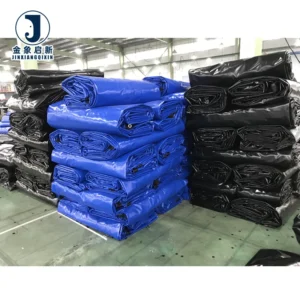
Consistent Batch Supply — every PE tarpaulin roll is weighed against the stated GSM and checked for colour match before loading, ensuring the fabric you order is the fabric you receive.
Technical Specifications
| Parameter | Value |
|---|---|
| Product Type | PE Tarpaulin Roll |
| Coating Material | LDPE lamination on both sides |
| Base Fabric | HDPE weaving |
| Weight Range | 50 gr/m² ~ 220 gr/m² available (confirm the grade for this item) |
| Total Thickness | 0.2–0.4 mm / 8 mil–16 mil / Custom |
| Mesh Count Options | 6×6, 6×7, 7×7, 7×8, 8×8, 9×9, 8×10, 10×10, 12×12, 14×14, 14×16 |
| Roll Width | 6 ft, 8 ft, 10 ft, 12 ft or 2 m, 4 m, 6 m |
| Roll Length | 100 yards, 100 meters, or custom |
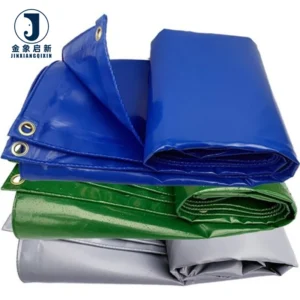
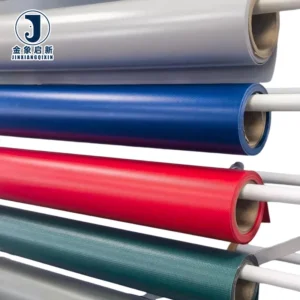
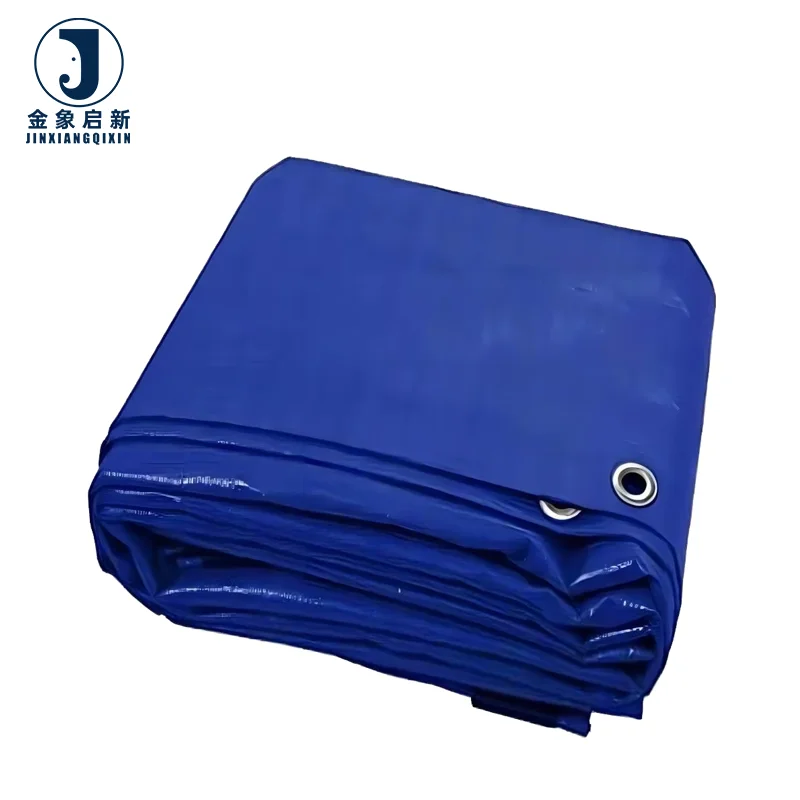
| Colour Options | Blue, Blue/Orange, Green, Grey, Black, Clear, Grey/Green, Orange, or custom |
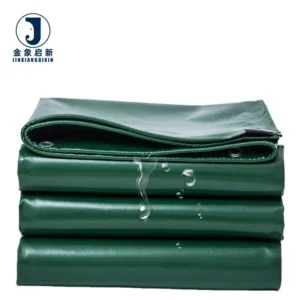
| Key Features | Waterproof, washable, tear resistant, mildew proof, anti-aging, UV treatment available (test basis not stated) |
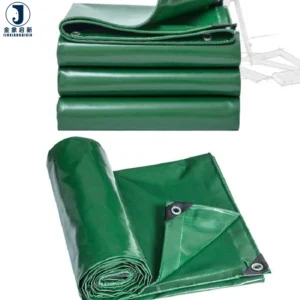
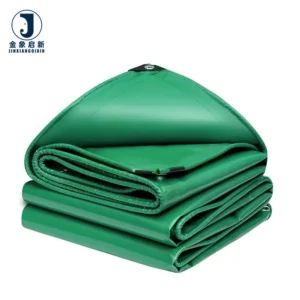
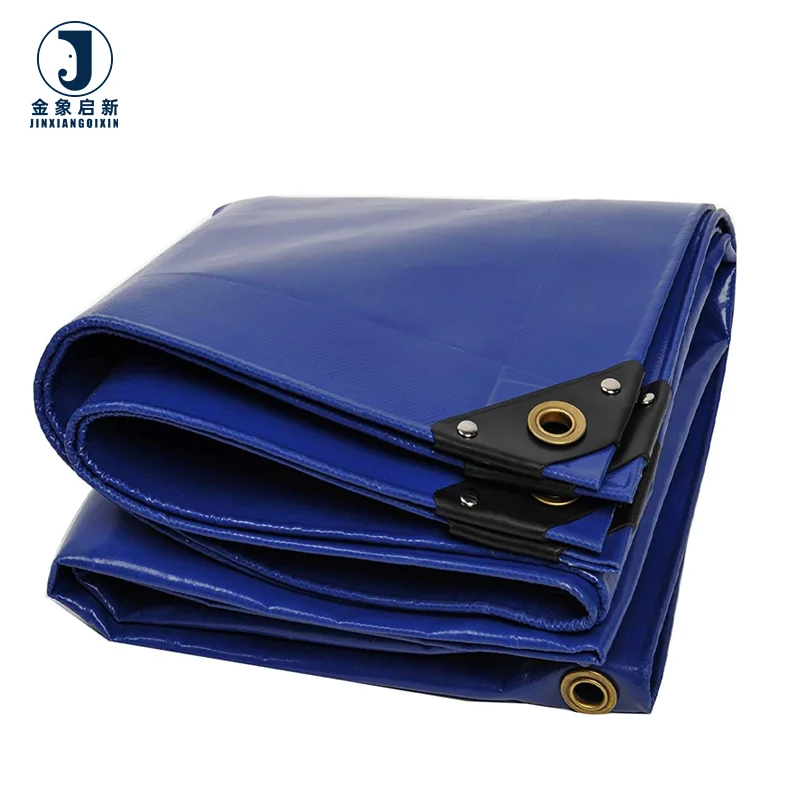
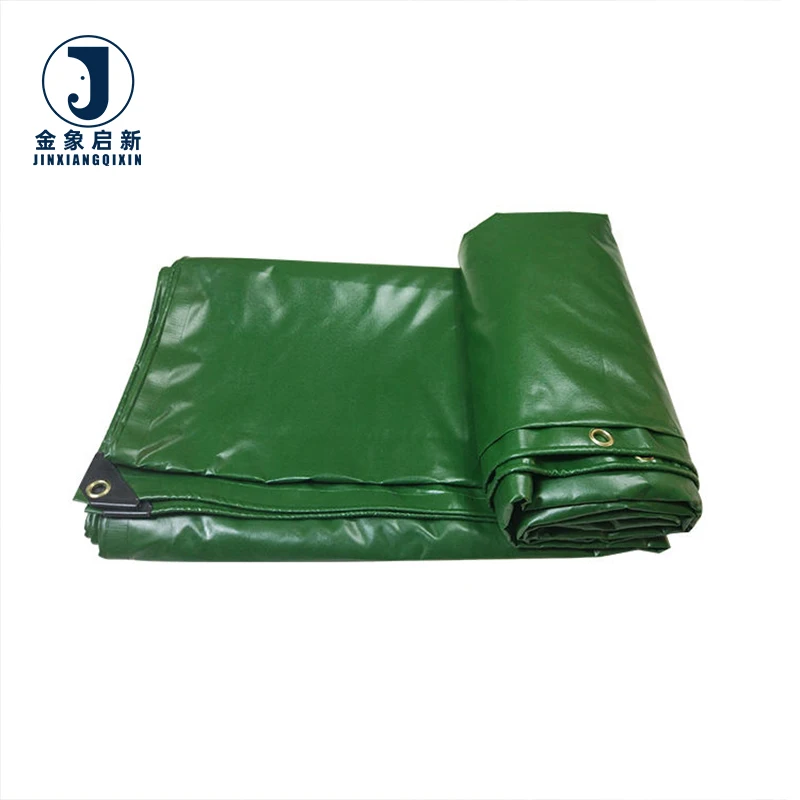
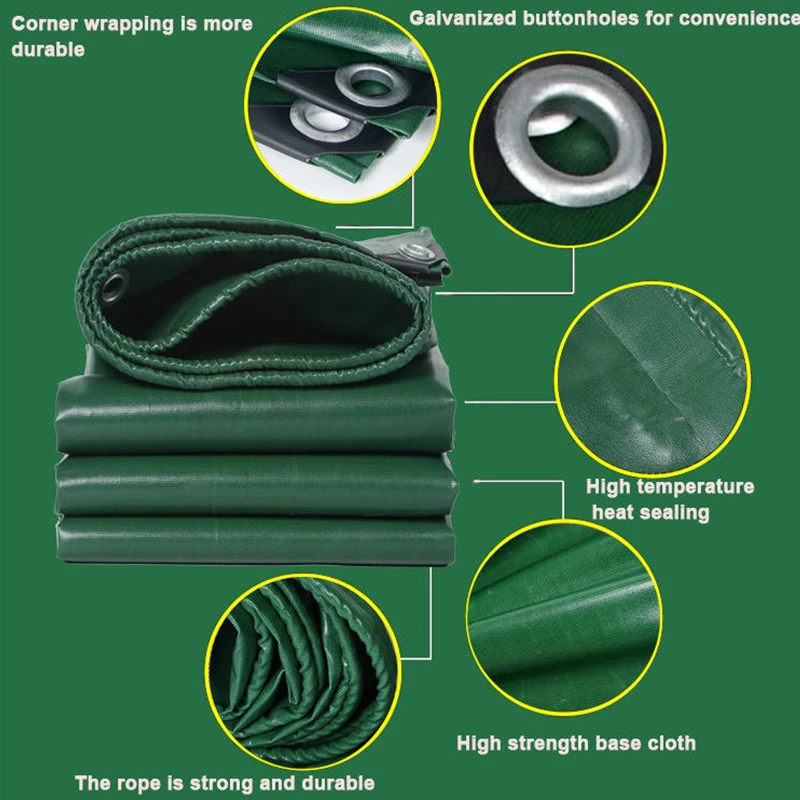
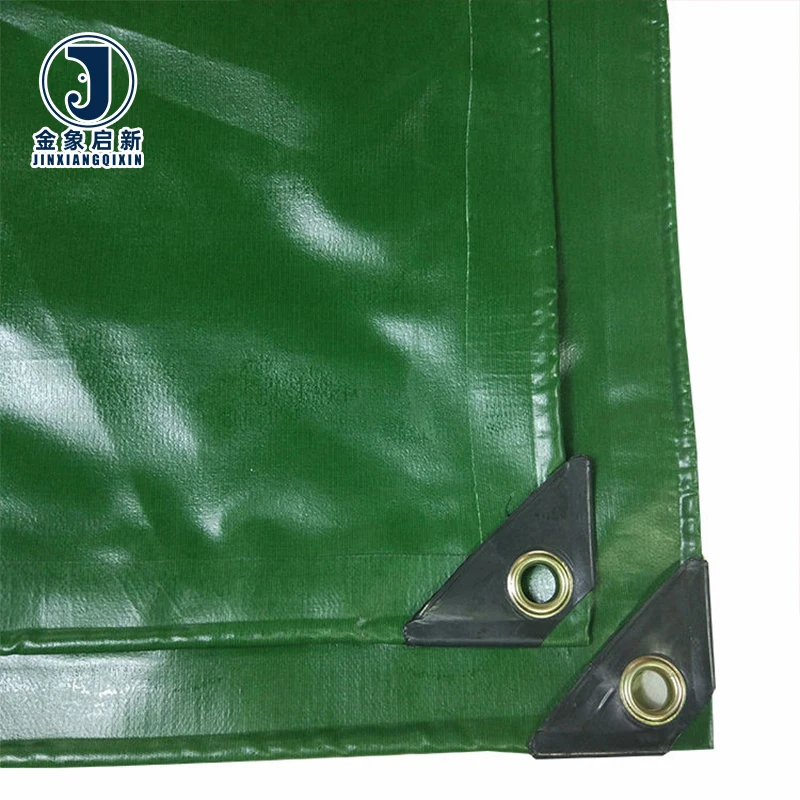
| Edge Reinforcement | PP rope in hem on all four edges (finished tarpaulin) |
| Eyelets | Galvanised, every 3 ft or 1 m interval (finished tarpaulin) |
| Corners | Reinforced plastic corners (finished tarpaulin) |
| Certifications | ISO, CE |
Application Suitability
| Application | Exposure & Requirement |
|---|---|
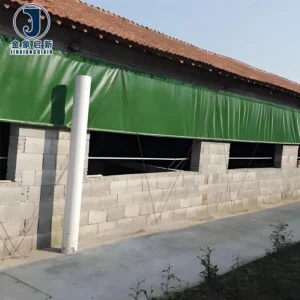
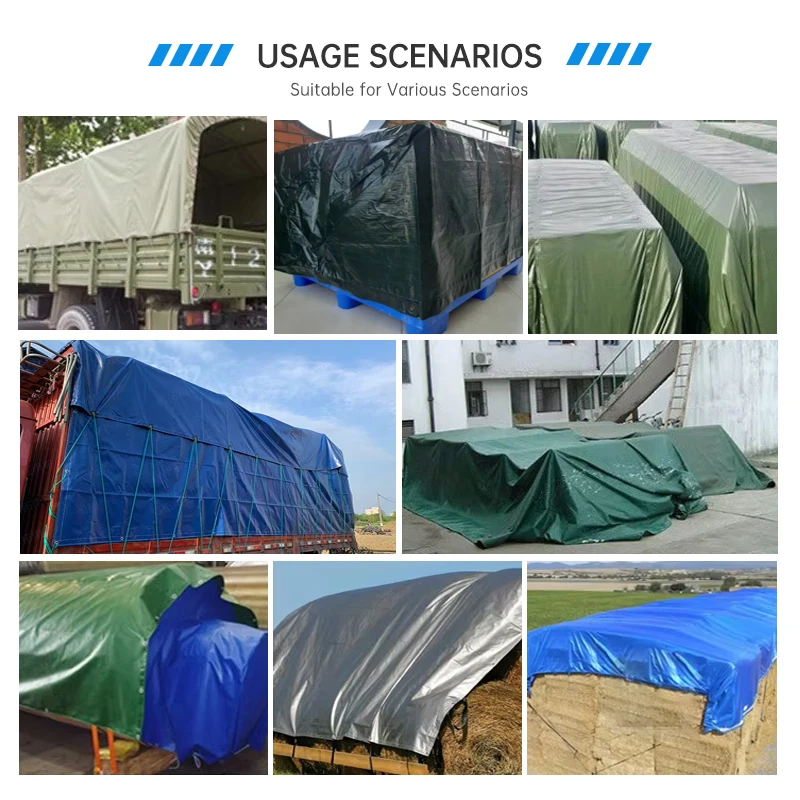
| Poultry coop curtains | Constant humidity, ammonia atmosphere, daily rolling and unrolling — requires mildew resistance and flex durability |
| Truck and vehicle covers | Road abrasion, wind flap, UV exposure — demands tear strength and waterproof lamination |
| Agricultural crop covers | Sun exposure, rain, mechanical contact with hay or timber — needs puncture resistance across the weave |
| Construction scaffolding wrap | Dust containment, weather shielding, prolonged outdoor deployment — calls for UV stability and seam integrity |
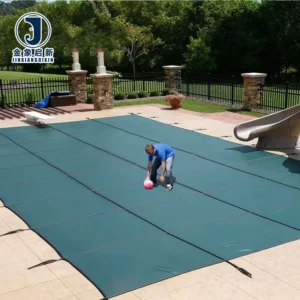
| Garden and pool covers | Standing water, debris load, seasonal storage — requires full waterproofing and edge reinforcement |
What Buyers Get Wrong When Ordering PE Tarpaulin Roll Wholesale
The GSM printed on the label means nothing if the weave density does not match it.
When sourcing PE tarpaulin roll wholesale, the most common dispute is not about total roll count — it is about the gap between quoted weight and actual weight once the container arrives. A lighter base fabric coated to hit the target GSM will feel right on the scale but fail in tensile performance because the underlying HDPE weave carries fewer yarns per square inch. [NEED_CITE: tensile and tear test methods for coated fabrics per ISO 1421] Buyers who specify only weight without locking down mesh density leave room for the manufacturer to cut corners on the loom side while compensating with extra lamination on the coating side.
How Mesh Density and GSM Work Together on Each Roll
The base fabric weave — from 6×6 up to 14×16 — determines how the load distributes across the roll surface. A PE tarpaulin roll woven at 14×16 with 220 gsm total weight will resist tearing in a fundamentally different way than a 6×6 roll at the same weight, because the tighter weave creates more yarn intersection points that arrest a tear before it propagates. Specifying both parameters together removes ambiguity from the quotation.
Controlling Colour Match Across a Full Container Load
When multiple rolls are installed side by side on a poultry house or construction scaffold, even minor dye-lot variation becomes immediately visible. [NEED_CITE: colour fastness and batch consistency standards for coated fabrics] Maintaining consistent colour across a PE tarpaulin roll wholesale order requires resin masterbatch dosing to be calibrated per production run and verified against the buyer’s colour reference before slitting. Rolls from different batches should never be mixed within a single container destined for one project.
Reading the Specification Sheet Before You Sign the Order
Thickness, GSM, and mesh count are interdependent values — changing one shifts the others. A 0.2 mm roll at 6×6 weave will sit at the lower end of the weight range, while a 0.4 mm roll at 14×16 pushes toward 220 gsm. Understanding this relationship helps you evaluate whether a supplier’s quote reflects a genuine material construction or a relabelled lighter grade. The HDPE base denier and the LDPE lamination weight per side should both appear on the material specification sheet so you can confirm the coating is balanced rather than loaded on one face. Requesting a sample cut from the actual production roll — not a separately prepared swatch — gives you a reliable baseline for incoming inspection. [NEED_CITE: GSM verification and sampling protocols for roll-stock tarpaulin]
The Cost of Specifying Weight Without Weave Context
Ordering by GSM alone invites a scenario where the roll passes the scale check but underperforms on the job. A loosely woven base with heavy lamination may crack at fold lines after repeated rolling in cold weather, because the LDPE film bears the entire flex load without adequate yarn support underneath. On poultry curtains this manifests as delamination along the fold crease after a season of daily operation. On scaffolding wrap it appears as tearing at tie-down points where wind load concentrates on a sparse weave structure.
Why Roll-Stock Buyers Source Here
Three full production lines and 36 sets of professional equipment provide the capacity to fill container orders on schedule without splitting production across distant facilities. A 10-person R&D team handles custom width slitting, colour matching, and sample development within days rather than weeks. Every roll undergoes dedicated QA/QC inspection at each production stage, with 100% checking before dispatch — not a spot-check on the first roll of the batch. Nearly 30 years of focused coated-fabric experience translates to process control over lamination weight and adhesion that holds steady across production runs. ISO and CE certifications are maintained and documentation is prepared per shipment, not retrieved from a generic folder.
Documentation & Verification
- Material specification sheet listing GSM, HDPE weave density, and LDPE coating weight per roll
- Pre-shipment inspection record confirming 100% roll check against quoted parameters
- Roll packing list with net weight and roll count for container loading reconciliation
- UV and mildew resistance test results where applicable to the selected grade
- Certificate of origin and customs documentation prepared per destination country
Fabrication, Handling & Storage
- Heat-seal lamination edges at moderate temperature to avoid melting the LDPE coating on thinner grades
- Store rolls upright on hard paper tubes to prevent flat-spot creases across the 2–6 m width
- Allow cold-stored rolls to acclimatise before unrolling to prevent LDPE cracking on lower GSM grades
- Use sharp blades for cutting to avoid pulling HDPE yarns out of the weave structure
- Clean with mild detergent only — harsh solvents degrade the LDPE lamination bond
What to Include in Your Enquiry
Provide the target GSM, mesh density preference, and roll width so the quotation reflects an exact construction rather than a product-family range. Specify whether you need finished tarpaulins with eyelets and reinforced hems or plain roll stock for your own converting line. Include your annual volume and container loading preference so the production schedule can allocate dedicated batch runs for colour consistency.
Frequently Asked Questions
Q: How is GSM verified per roll before shipment?
A: Every roll is weighed on calibrated scales against the material specification sheet before packing. The recorded weight per square metre is logged on the pre-shipment inspection report, which ships with the container. Rolls that fall outside the agreed tolerance are pulled from the batch and replaced.
Q: How do you control colour consistency across rolls in one order?
A: Resin masterbatch is dosed per production run against the buyer’s approved colour reference. All rolls for a single order are produced in one continuous run where possible. Cross-roll comparison is performed before slitting, and rolls from different batches are never mixed in one container.
Q: What roll widths and lengths are available for bulk loading?
A: Standard roll widths range from 2 m to 6 m, with custom slitting available. Lengths are typically 100 yards or 100 metres per roll, with custom lengths produced to order. Container loading plans are provided by roll count and total weight for both 20-foot and 40-foot containers.
Q: How do I match weave density and GSM to my application?
A: Higher mesh counts like 12×12 or 14×16 paired with heavier GSM suit applications with sustained mechanical stress such as truck covers and scaffolding wrap. Lighter weaves at 6×6 or 7×7 are cost-effective for short-term crop protection or temporary site covers. Request samples at two densities to compare before committing to a full container order.