
Description
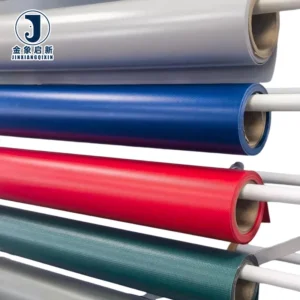
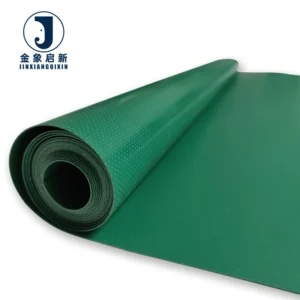
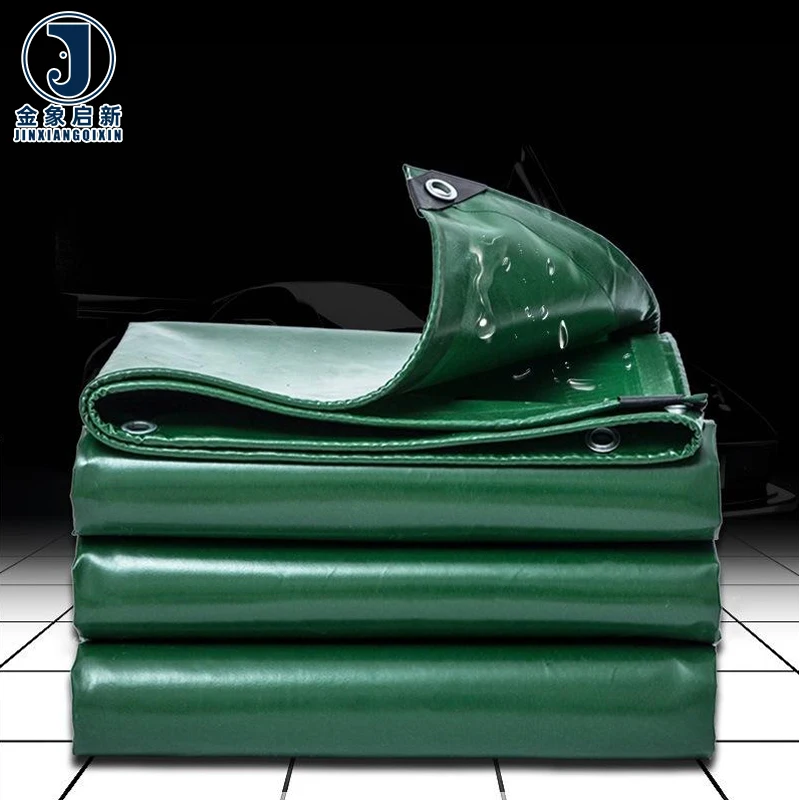
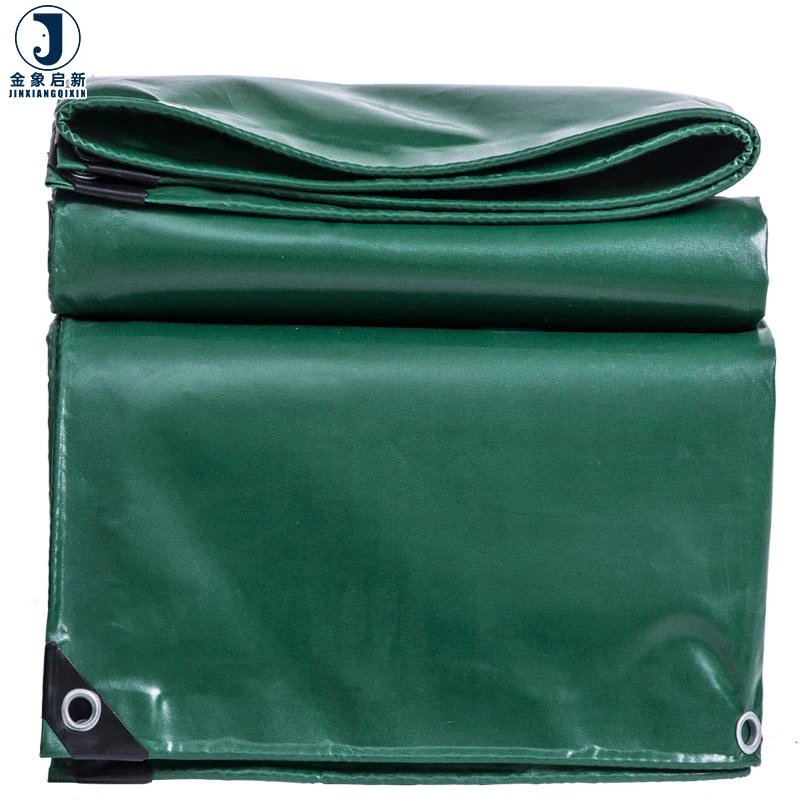
Batch Consistency Engineered Into Every Roll — Our coating process controls PVC adhesion and weight at every stage, keeping colour and GSM within spec from the first roll to the last in your container.
Technical Specifications
| Parameter | Value |
|---|---|
| Product Type | PVC Tarpaulin Roll |
| Coating Material | PVC (polyvinyl chloride) |
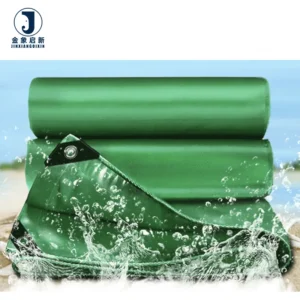
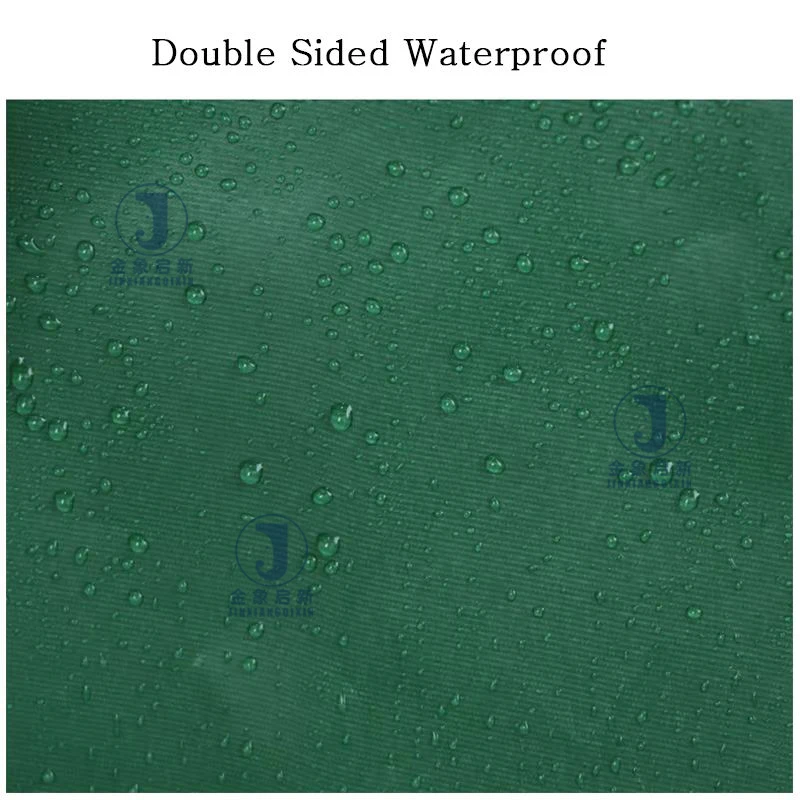
| Waterproof Rating | Fully waterproof coated construction |
| Breathability | Breathable option available (test basis not stated in source) |
| Duty Grade | Heavy duty (specific GSM not stated in source) |
| Application Environment | Outdoor use |
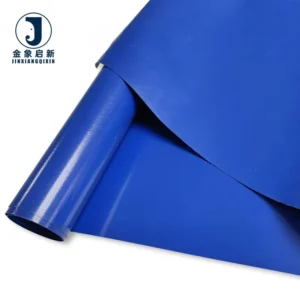
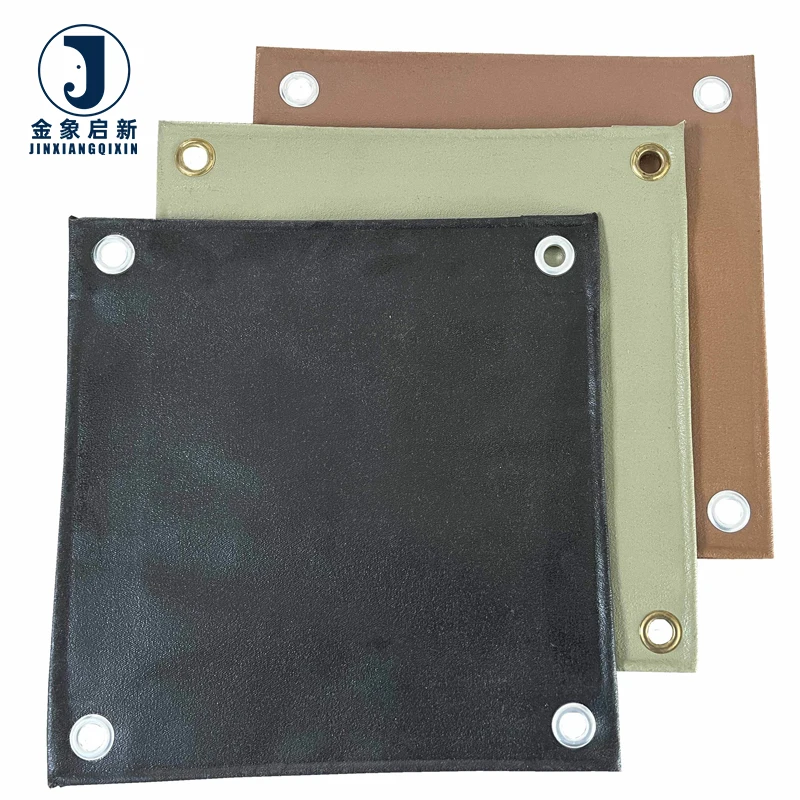
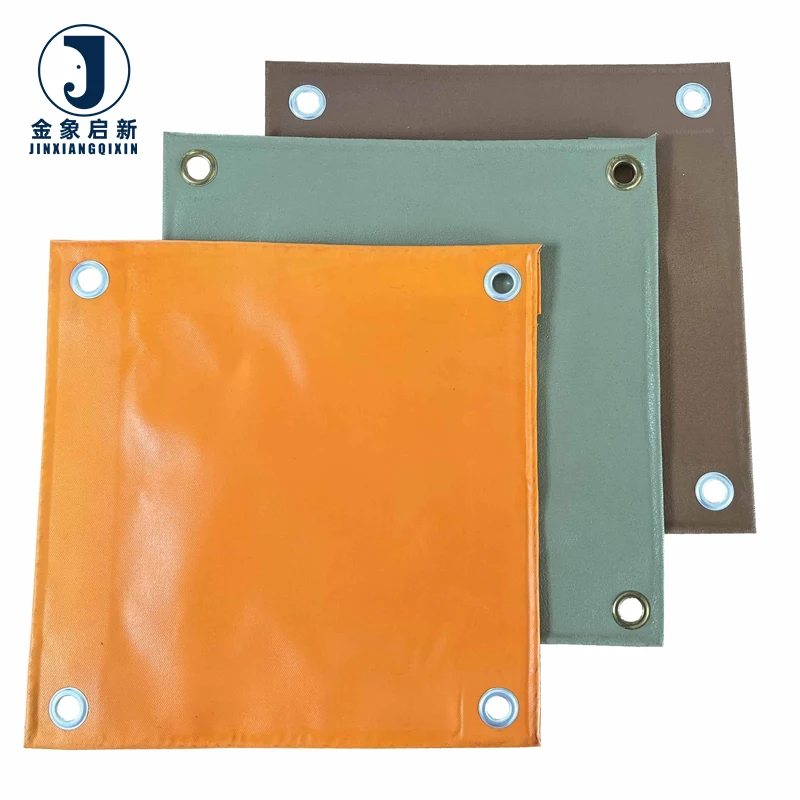
| Surface Finish | Available in glossy or matte finish |
| Supply Format | Continuous roll stock |
Application Suitability
| Application | Exposure & Requirement |
|---|---|
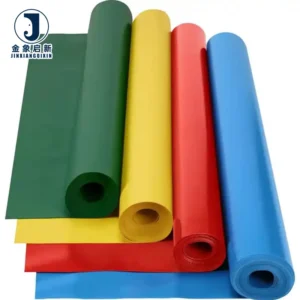
| Regional tarpaulin distribution | Broad outdoor exposure, inventory stocked across multiple grades for resale to contractors and end-users |
| Fabrication workshops cutting to size | Roll stock processed in-house, requires consistent thickness and coating adhesion for reliable heat welding at seams |
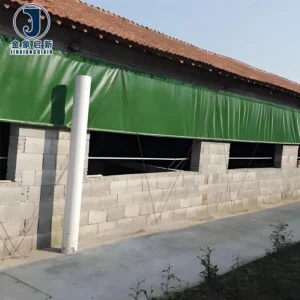
| Logistics and transport fleet depots | Constant UV and weather exposure, abrasion from road debris and load movement, tie-down stress at reinforced edges |
| Tent and awning manufacturers | Dimensional stability under tension, surface finish compatible with digital or screen printing, colour consistency across production runs |
Why GSM Drift Between Rolls Costs Fabricators More Than the Material Price Difference
Colour and weight drifting between rolls in the same shipment is one of the most common complaints from tarpaulin importers, and it rarely surfaces until the fabric is unrolled side by side on the shop floor.
When you are buying PVC Tarpaulin Roll wholesale or bulk, a container might hold dozens of rolls destined for different fabrication jobs. If one roll weighs lighter than the agreed specification, the fabricated cover will fail earlier under tension — and the fabricator takes the warranty claim, not the mill. Batch colour variation is equally destructive: two panels from different rolls welded into a single truck side curtain will show a visible seam line, triggering rejection from the fleet operator. These failures do not appear in the sample you approved. They appear eight weeks later, across an entire production run. [NEED_CITE: tensile and tear test methods for coated fabrics per ISO 1421]
Roll-to-Roll Weight Verification Across the Entire Shipment
Every roll of PVC tarpaulin leaving our facility passes through staged weight checks during coating and again at final winding. The target GSM is set at the coating head and monitored through the line, so the first roll and the fiftieth roll in your order carry the same base fabric density and PVC coating weight. This matters when your workshop cuts dozens of panels from a single batch — inconsistent weight means inconsistent weld parameters, and welders spend time adjusting heat and pressure instead of running production.
Container-Load Planning for Distributors Stocking Multiple Widths
Distributors buying PVC Tarpaulin Roll wholesale or bulk need to know exactly how many rolls fit a container and what the total landed weight will be. Our roll packing plan is calculated per order, accounting for roll diameter, width, and core weight so you can forecast freight costs before production starts. Rolls are wound on cores sized to prevent crushing during ocean transit, and the packing list details net weight, gross weight, and roll count per pallet position. [NEED_CITE: container loading practices for coated fabric rolls]
Decoding the Coating Specification for Fabrication Compatibility
The PVC coating weight and the base fabric denier together determine how the material behaves under your welding bar and on your cutting table. A heavier coating fills the weave more completely, improving waterproof performance and giving the heat welder a thicker PVC layer to fuse — but it also means the fabric is stiffer to handle and may crack at fold lines in cold climates. The base fabric density, measured in threads per inch across warp and weft, governs tear propagation resistance more than the coating does. A tightly woven base stops a puncture from spreading into a full panel failure. Surface finish selection — glossy or matte — affects how the material feeds through laminators and whether printed branding adheres without a primer coat. [NEED_CITE: coating adhesion and peel strength testing per ISO standards]
The Hidden Cost of Specifying on Price Per Kilogram Alone
When procurement decisions are driven solely by unit cost, the coating weight is often the first value to be trimmed. A roll that is lighter than quoted will still pass a quick hand-feel inspection at the port, but the fabricated product will reach end-of-life faster under sun and wind loading. Weld seams on underweight material tend to fail before the fabric body does, because there is insufficient PVC mass at the joint to form a proper fuse. Colour inconsistency across rolls forces fabricators to sort inventory before cutting, adding labour hours and generating offcuts that cannot be sold. In our experience, these downstream costs outweigh the savings on the initial purchase. [NEED_CITE: field failure analysis of coated fabric products]
Why Fabricators and Distributors Source PVC Tarpaulin Roll Wholesale and Bulk From This Line
Three full production lines with dedicated coating heads mean your container load is produced in a single continuous campaign, not split across different machines with different calibration histories. The ten-person R&D team develops samples within days when you need a specific width or colour matched to your market, so you can approve physical material before committing to a full order. In-process QA checks at every production stage — base fabric inspection, coating weight monitoring, surface defect scanning, and final winding — catch variation before it reaches the packing area. Pre-shipment inspection covers every roll in the order, not a statistical sample, so what you receive matches what was approved.
Documentation & Verification
- Material specification sheet stating base fabric denier, PVC coating weight, and colour reference per roll
- Weight verification per roll against the stated GSM before dispatch, recorded on inspection report
- Pre-shipment inspection record covering surface quality, colour consistency, and dimensional accuracy
- Roll packing list with net weight, roll count, and container loading position for freight calculation
- ISO and CE certificates on file with customs documentation support for destination country clearance
Fabrication, Handling & Storage
- Heat welder temperature and dwell time must be calibrated to the PVC coating weight for full fuse penetration
- Store rolls upright on cores to prevent flat-spotting and edge creasing that transfers into fabricated panels
- Unroll heavy-duty PVC material at ambient temperature to avoid coating crack at fold lines in cold weather
- Matte finish surfaces accept screen printing ink directly; glossy surfaces may require a primer coat for adhesion
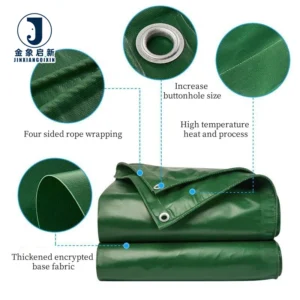
- Cut panels with a minimum seam allowance to ensure the weld bead sits on coated fabric, not on raw base cloth
What We Need to Quote Your Roll Stock Order Accurately
To give you a specification and lead time that matches your actual production needs, share the target GSM range, the roll widths you run on your cutting tables, and the annual volume you expect to move through your facility or distribution network. If you require a specific colour matched to a Pantone or RAL reference, let us know the acceptable tolerance and whether you need sample rolls for approval before the main production run. Specify whether you need the material supplied as raw roll stock or if you require any edge treatment applied before shipment.
Frequently Asked Questions
Q: How is GSM verified per roll before shipment?
A: Each roll is weighed at final winding and compared against the target specification. The result is recorded on the pre-shipment inspection report that accompanies your documentation package. Rolls falling outside the agreed tolerance band are flagged and replaced before container loading.
Q: What standard widths and roll lengths are available from stock?
A: Standard stock widths and lengths vary by grade and production schedule. For confirmed availability on any given week, send us your required width and total metreage. Custom widths beyond standard stock are available with realistic minimums and typical multi-week lead times.
Q: How is batch colour consistency controlled across multiple rolls?
A: Pigment is batched at the coating stage for the entire production run, so all rolls in your order draw from the same compound. In-process colour checks against the reference standard catch drift before winding, and the pre-shipment inspection includes a side-by-side visual comparison of rolls from the same batch.
Q: What is the container loading plan by roll count and weight?
A: We calculate roll count, pallet configuration, and total container weight based on your specific roll diameter and width. The packing list details every roll position so your warehouse team can plan unloading and storage before the container arrives at your facility.
Q: What documentation is included for customs clearance?
A: Every shipment includes a material specification sheet, pre-shipment inspection record, roll packing list, certificate of origin, and commercial invoice formatted for your destination market. ISO and CE certificates are available on file to support regulatory submissions where required.