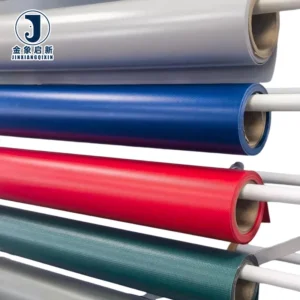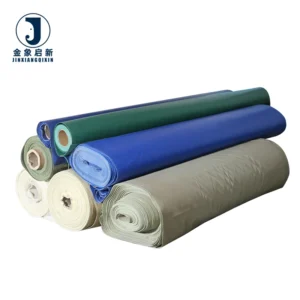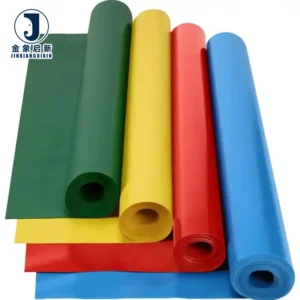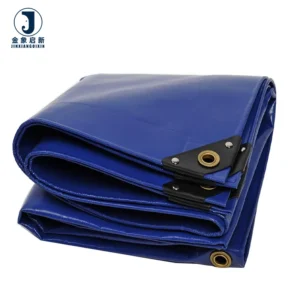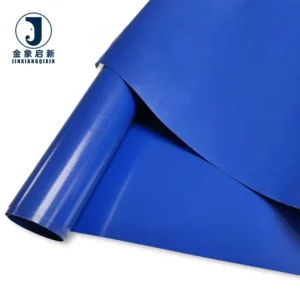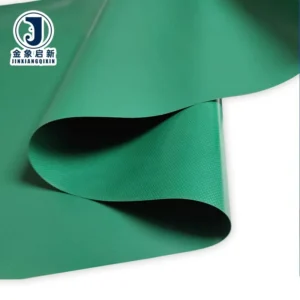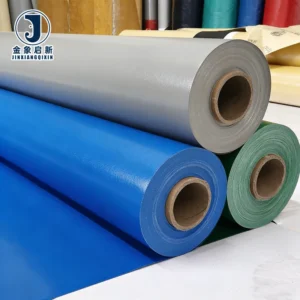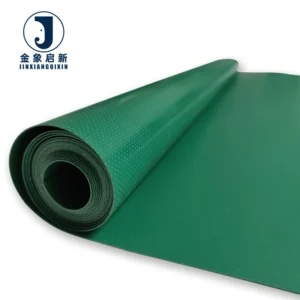
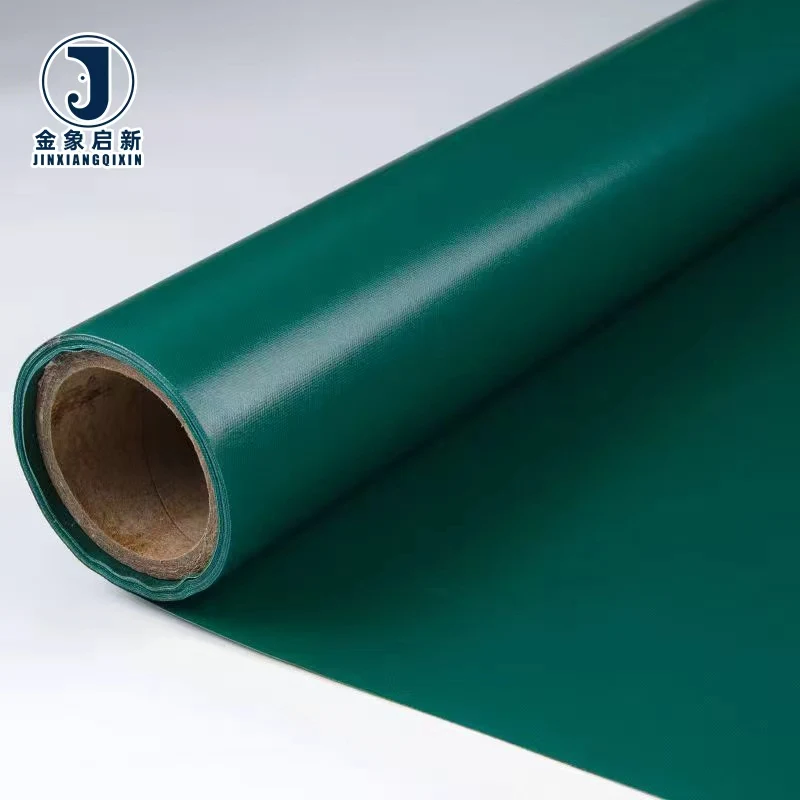
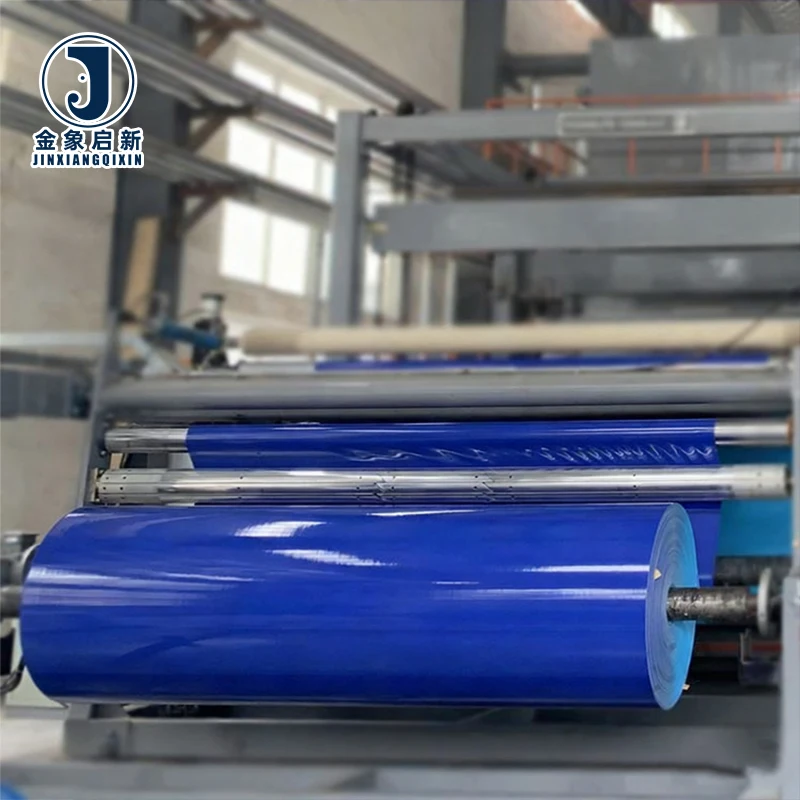
Description
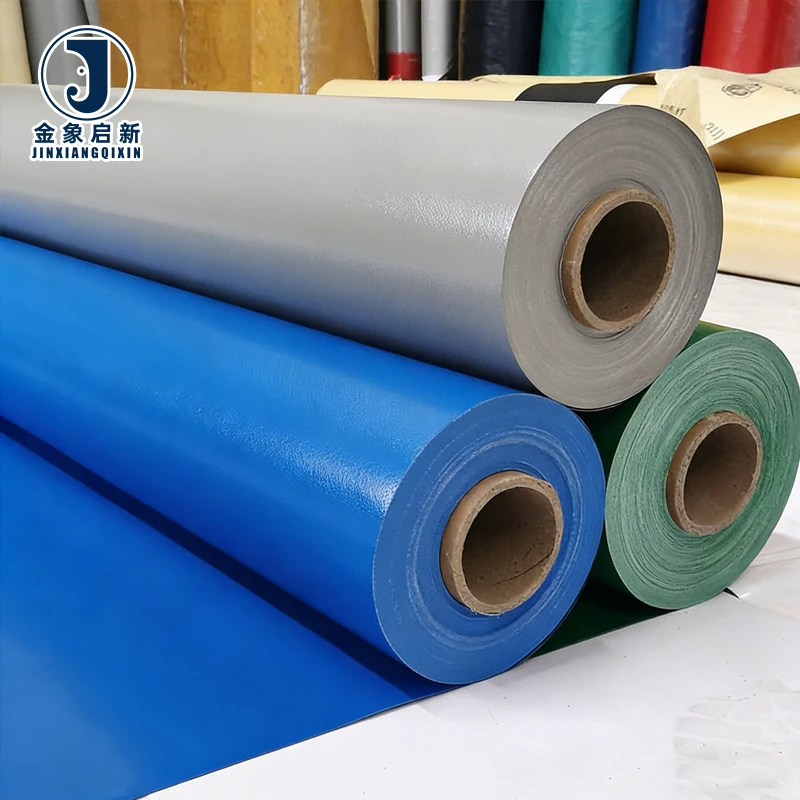
Bulk roll consistency — Every PVC Tarpaulin Roll in the shipment is verified for GSM before dispatch, backed by a pre-shipment inspection record and roll packing list for container loading.
Technical Specifications
| Parameter | Value |
|---|---|
| Product Type | PVC Coated Tarpaulin Roll |
| Weight (GSM) | 610gsm / 650gsm / 800gsm |
| Coating Material | PVC |
| Waterproof Rating | Water Resistant (source value — verify against manufacturer catalog) |
| Flame Retardant Grade | Fire Retardant (grade not stated in source) |
| UV Treatment | Anti-UV (test basis not stated in source) |
| Tensile Strength | High Tensile Strength (standard not stated in source) |
| Surface Finish | Glossy or Matte |
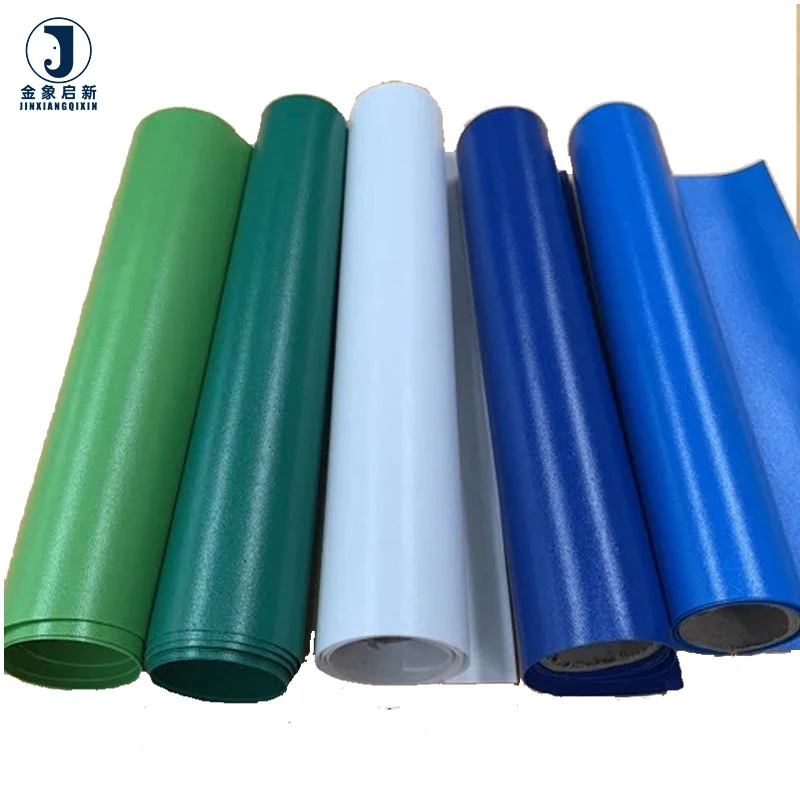
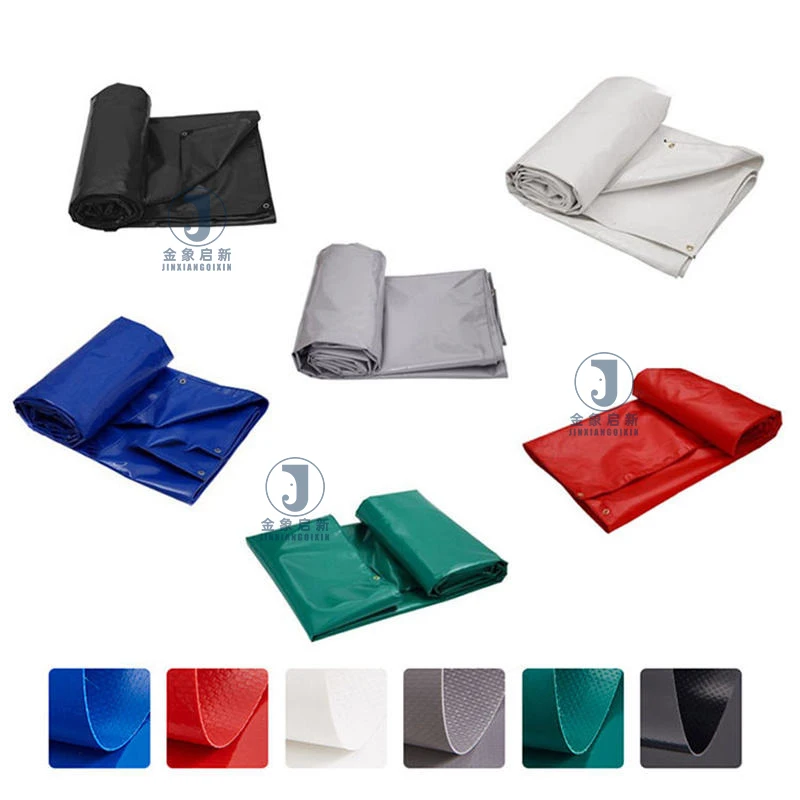
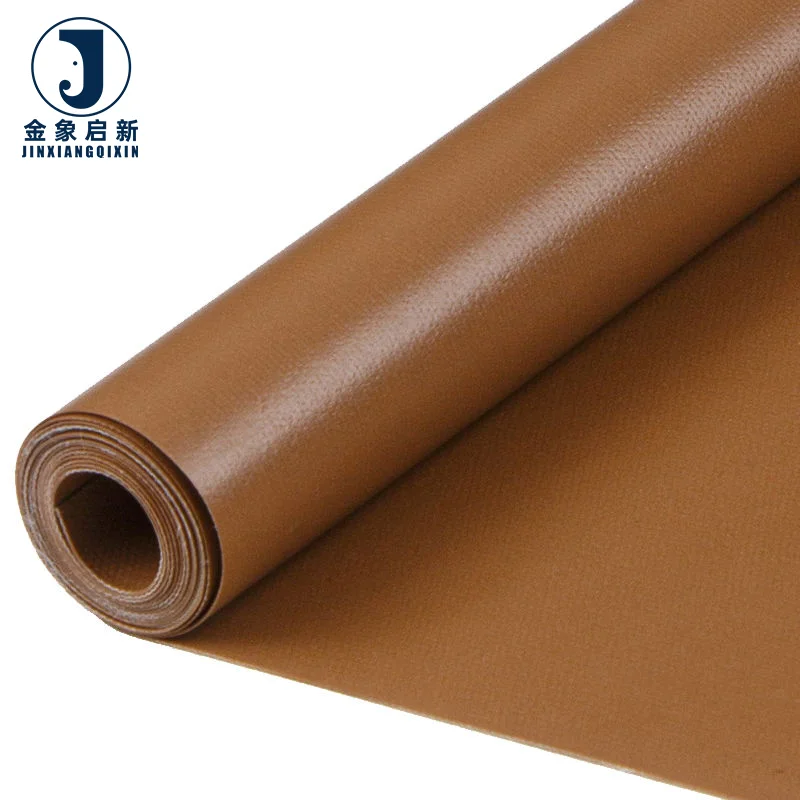
| Colour | Single or double side colour options |
| Customisation | Custom width, length, pattern printing |
Application Suitability
| Application | Exposure & Requirement |
|---|---|
| Tarpaulin distributor restocking | Consistent GSM across rolls, regional compliance for flame retardant grades, container load efficiency |
| Truck cover and awning fabrication | Cutting and welding performance, UV exposure on installed covers, batch colour match across multiple vehicle fleets |
| Tent and inflatable manufacturing | Repeated roll-to-roll colour match, high-frequency welding compatibility, tensile strength under inflation load |
| Construction site and equipment covers | Abrasion from site handling, water resistance in prolonged outdoor storage, flame retardant compliance for enclosed sites |
| Transport fleet side curtains | Constant flexing and road abrasion, UV exposure during transit, tie-down point stress reinforcement |
Why Roll-to-Roll GSM Consistency Defines Your Margins on PVC Tarpaulin Roll wholesale Orders
Every roll ships with a measured weight record matching the quotation, not a batch average.
When you buy PVC coated tarpaulin by the roll, a stated GSM that drops below specification on arrival means thinner material reaching your fabrication floor. Welds that should hold through years of flexing fail early because the coating layer is lighter than designed. Distributors who resell cut-to-size covers face returns when the material feels lighter than the previous batch. Colour variation between rolls in the same container forces you to segregate stock or accept visible panel mismatches on large installations [NEED_CITE: colour variation in coated fabric batches and its impact on large-format installations].
Container Loading by Verified Roll Count
Planning a full container load requires precise roll dimensions, net weight per roll, and core diameter to calculate stacking density. The roll packing list provided with each shipment details these figures alongside the measured GSM for every roll, so your warehouse team knows exactly what arrived before cutting begins. This level of documentation supports customs clearance and eliminates guesswork during receiving inspection.
Batch Colour Matching Across Multiple Rolls
When a single order fills a container with dozens of rolls destined for side-by-side installation, colour drift between production runs becomes visible. The production process controls coating pigment dispersion and curing temperature to maintain colour reference consistency [NEED_CITE: PVC coating colour consistency standards for multi-roll orders]. Rolls within one shipment are matched to the same colour reference, reducing the risk of panel mismatch once the fabric is cut and installed on adjacent truck bays or awning frames.
Specification Grades for Tiered Inventory Planning
Stocking 610gsm, 650gsm, and 800gsm from a single source simplifies your import planning. Lighter grades serve awning and tent fabricators who prioritise flexibility and weld speed, while the 800gsm grade meets the demands of heavy-duty truck covers and construction enclosures where abrasion resistance matters. Ordering multiple grades in one container spreads freight cost across your product range without committing to separate shipments per grade.
Weld and Seam Performance Across GSM Grades
The coating weight and base fabric denier together determine how the material behaves under high-frequency or hot-air welding. Heavier grades carry more PVC coating, which affects heat transfer speed and dwell time at the weld bar. Fabricators switching between 610gsm and 800gsm must adjust weld parameters accordingly — using the same settings across grades risks under-welded seams on heavier stock or burned coating on lighter material. Requesting sample rolls for weld parameter testing before committing to a container order eliminates this variable on your production floor [NEED_CITE: high-frequency welding parameters for PVC coated fabrics by GSM grade].
What the Coating Layer and Base Fabric Mean for Your End Product
The PVC coating provides waterproofing, UV protection, and the surface that accepts printing or branding. The base polyester fabric — defined by denier and weave density — carries the tensile and tear load. A 650gsm roll with a high-denier base fabric and moderate coating weight will outperform a 650gsm roll with a low-denier base and heavy coating when it comes to tear propagation resistance. This is why GSM alone does not predict field performance: two rolls at the same stated weight can behave very differently under stress. The material specification sheet provided with each order breaks down base fabric construction and coating weight separately, so your technical team can verify the balance matches your application requirements.
The Hidden Cost of Undocumented Roll Stock
Receiving rolls without a pre-shipment inspection record means your team must sample and weigh on arrival, delaying production while you confirm whether the material matches the purchase order. Flame retardant grades without a supporting test report create compliance risk on construction sites or in markets where fire classification must be documented for building permits [NEED_CITE: fire retardant documentation requirements for PVC tarpaulin in construction applications]. Colour variance discovered mid-production forces you to either absorb waste from unusable panels or deliver mismatched covers to your own customers, damaging relationships you spent years building.
Procurement Advantages for Bulk Buyers
Three full production lines maintain capacity for container-volume orders with documented lead times. The 10-person R&D team develops sample rolls in days when you need to verify colour, weld performance, or custom width before committing to bulk. Dedicated QA/QC inspection at every production stage — not just final sampling — means the roll weight and coating consistency are controlled from the first metre to the last. Full documentation accompanies every shipment: material specification sheet, pre-shipment inspection record, roll packing list, certificate of origin, and customs support documentation. ISO and CE certification supports import compliance across North American, European, and Asian markets.
Documentation & Verification
- Material specification sheet detailing exact GSM, base fabric denier, and coating weight per roll grade
- Pre-shipment inspection record confirming measured weight and visual consistency before container loading
- Roll packing list with individual roll weight, dimensions, and count for receiving verification
- Fire retardant test report matched to the specific grade shipped, available upon grade confirmation
- ISO and CE certificates included for customs clearance and market compliance
- Certificate of origin and customs documentation prepared for destination country requirements
Fabrication, Handling & Storage
- High-frequency welding on 800gsm rolls requires longer dwell time than 610gsm — test sample welds before production runs
- Store rolls upright on core ends to prevent edge crushing and permanent creasing across the coating surface
- Unroll in ambient temperature above freezing to avoid PVC coating cracking during cold-weather handling
- Matte finish rolls accept solvent-based ink printing more reliably than glossy for branding applications
- Cut patterns should account for roll width to minimise offcut waste and reduce seam count on large covers
- Use compatible PVC adhesive or hot-air weld for field repairs rather than solvent cements that attack the coating
Specifying Your Roll Stock Order
Provide the target GSM grade, required roll width, and estimated annual volume so we can confirm container loading efficiency and production scheduling. If your market requires a specific flame retardant classification or UV test standard, state the grade and test method up front so sample rolls carry the correct treatment. Colour references should be submitted as RAL or Pantone codes for matching confirmation before bulk production begins.
Frequently Asked Questions
Q: How is GSM verified before my container ships?
A: Every roll is weighed and measured during pre-shipment inspection. The inspection record lists the actual GSM for each roll against the ordered specification, so you receive documented proof — not just a quotation figure — before the container is sealed.
Q: Can I get consistent colour across every roll in a large order?
A: Rolls within a single shipment are produced against the same colour reference. The coating process controls pigment dispersion and curing conditions to minimise drift. Request a sample roll for your own visual approval before confirming bulk production.
Q: What fire retardant grades are available and how are they documented?
A: Fire retardant treatment is available — confirm the specific grade required for your market and application. When a grade is specified, a matching test report is supplied with the shipment documentation to support site compliance and building permit submissions.
Q: What are the standard roll widths and how do they affect container loading?
A: Standard and custom widths are available. The roll packing list details roll dimensions and weight so your logistics team can plan container load density. Wider rolls reduce seam count on large covers but may affect stacking configuration inside the container.
Q: What is the minimum order for a custom colour or width?
A: Custom colour and width orders carry minimum quantities tied to production run efficiency. Provide your target specification and estimated volume so we can confirm the minimum and lead time for your specific combination.