Description
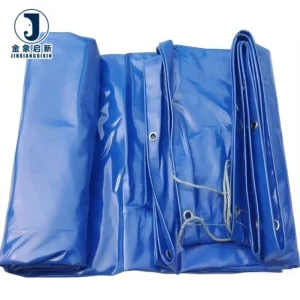
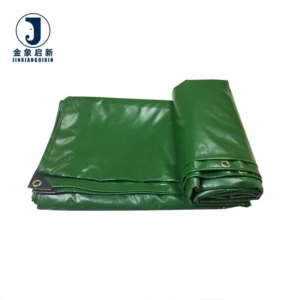
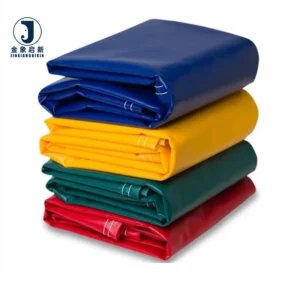
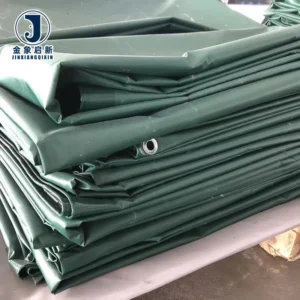
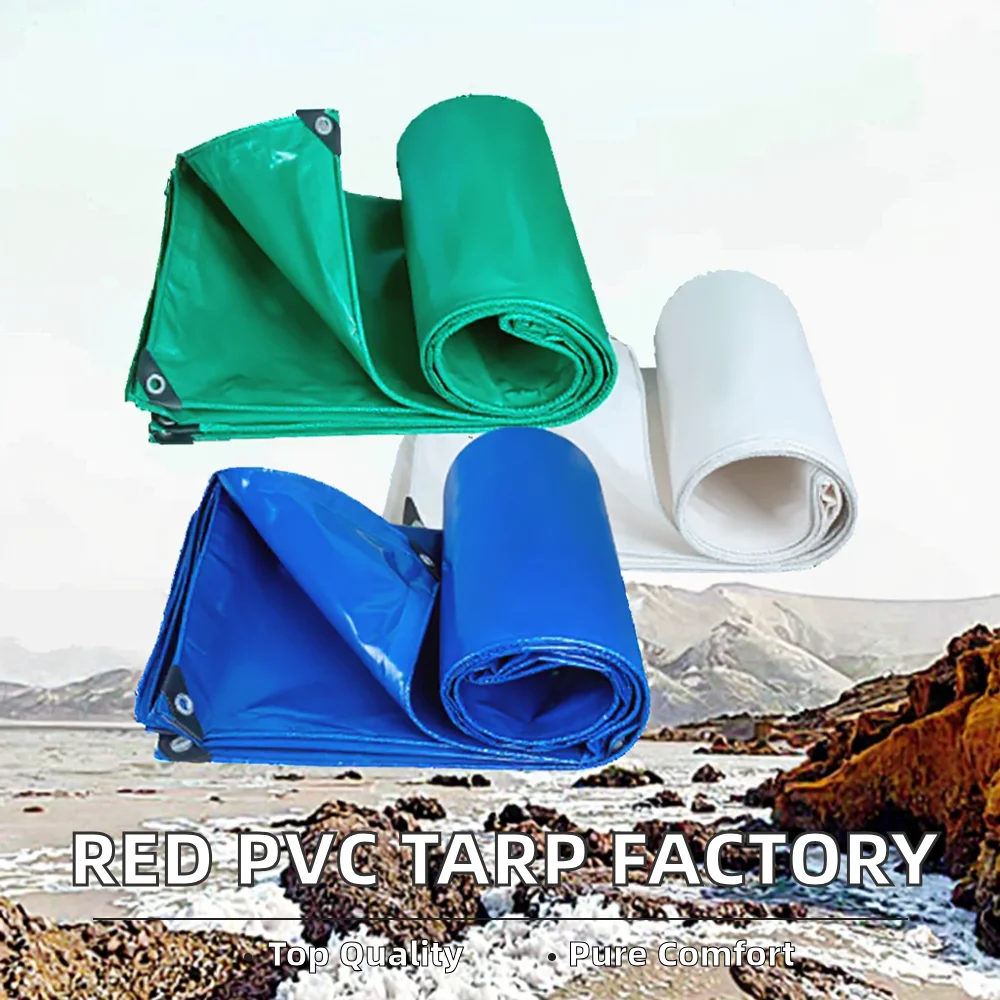
Batch-Matched Roll Consistency — every roll of PVC Coated Tarpaulin leaves the coating line with weight and colour verified against the order specification, so your warehouse receives uniform stock ready for immediate redistribution or fabrication.
Technical Specifications
| Parameter | Value |
|---|---|
| Product Type | PVC Coated Tarpaulin Roll |
| Material | PVC Coated Polyester Fabric |
| Coating Method | Knife Coated |
| Base Fabric Denier | 1000D×1000D |
| Available GSM Grades | 420 GSM (other grades available on request) |
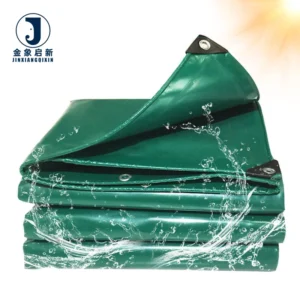
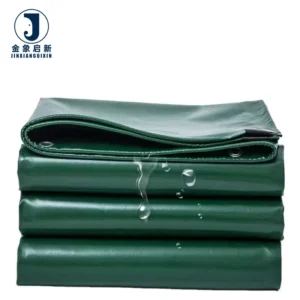
| Waterproof | Yes — fully coated construction |
| Anti-UV Treatment | Yes (test basis not stated — confirm UV standard required for your market) |
| Flame Retardant | Available in flame retardant grades — confirm the grade required for your market |
| Anti-Static | Available in anti-static grades — confirm the standard required for your market |
| Anti-Mildew | Yes |
| Anti-Cold | Yes |
| Key Features | Waterproof, Oilproof, Tear-Resistant, Anti-UV |
| Printing Option | Banner printing, pattern printing |
| Finish Options | Standard face with black back option available |
| Outdoor Life | 3–5 years (source value — verify against current production batch) |
| Supply Format | Roll stock, custom width and roll length available |
Application Suitability
| Application | Exposure & Requirement |
|---|---|
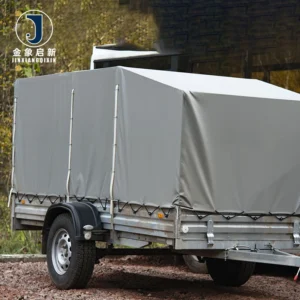
| Truck side curtain fabrication | Constant flexing at load points, road abrasion, prolonged UV exposure — requires uniform coating adhesion for reliable heat-welded seams |
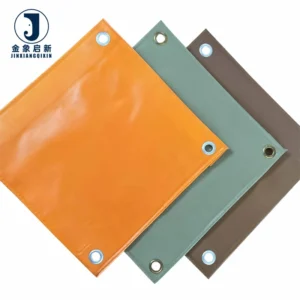
| Outdoor tent and awning production | Wind loading on welded panels, seasonal weather cycling — demands batch-matched colour across multiple rolls for a single project |
| Banner and signage printing | Ink adhesion on coated surface, flat lay for large-format printers — requires consistent surface finish roll to roll |
| General outdoor covering for distributors | Warehouse storage before resale, varied end-use by customers — needs documented GSM and treatment verification for downstream confidence |
| Car cover and equipment wrap | Contact abrasion, oil and chemical splash — benefits from oilproof coating and anti-mildew treatment for humid storage |
Why Roll-to-Roll Colour Drift Costs More Than the Fabric Itself
Consistent dye-lot matching across every roll in a container eliminates the most expensive form of material waste — stock that is technically sound but visually unusable.
When a distributor receives a container of PVC Coated Tarpaulin rolls and two of them show a visible shade difference once unrolled side by side, the entire batch may be rejected by the end customer. The fabric itself passes every physical test, yet the colour inconsistency forces a return, a replacement shipment, and weeks of delayed project timelines. In wholesale distribution, PVC coated tarpaulin roll wholesale buyers absorb this cost repeatedly when suppliers lack in-line colour monitoring [NEED_CITE: colour consistency standards for coated textile batches]. The problem is not the coating chemistry — it is the absence of a verification step between the coating head and the shipping container.
Stock Widths, Container Loading, and the Logistics of Volume
Distributors and importers buying PVC coated tarpaulin roll wholesale need more than a competitive unit price — they need predictable container payloads. Roll diameter, core size, and linear metres per roll all determine how many rolls fit into a 20-foot or 40-foot container, and whether the load reaches weight limits before volume limits. Our packing plans are calculated per order, specifying roll count, net weight, and cubic utilisation so that freight cost per kilogram is known before the container is booked. Stock widths are held for rapid dispatch, while custom widths are scheduled with confirmed lead times at the quotation stage.
Batch Traceability from Coating Line to Your Warehouse Door
Every production run of knife coated PVC tarpaulin fabric is assigned a batch reference that links the roll to its coating weight record, colour measurement, and base fabric lot. When you reorder months later, that reference allows the production team to match the previous dye lot and coating parameters. This traceability matters most for fabrication shops cutting large single-project installations — a tent manufacturer welding panels from six rolls needs all six to come from the same production window [NEED_CITE: batch dye-lot traceability protocols in coated fabric manufacturing]. The reorder matching process reduces the risk of panel-to-panel shade variation that only becomes visible after the structure is erected.
How Knife Coating and Base Fabric Denier Define What the Roll Can Actually Do
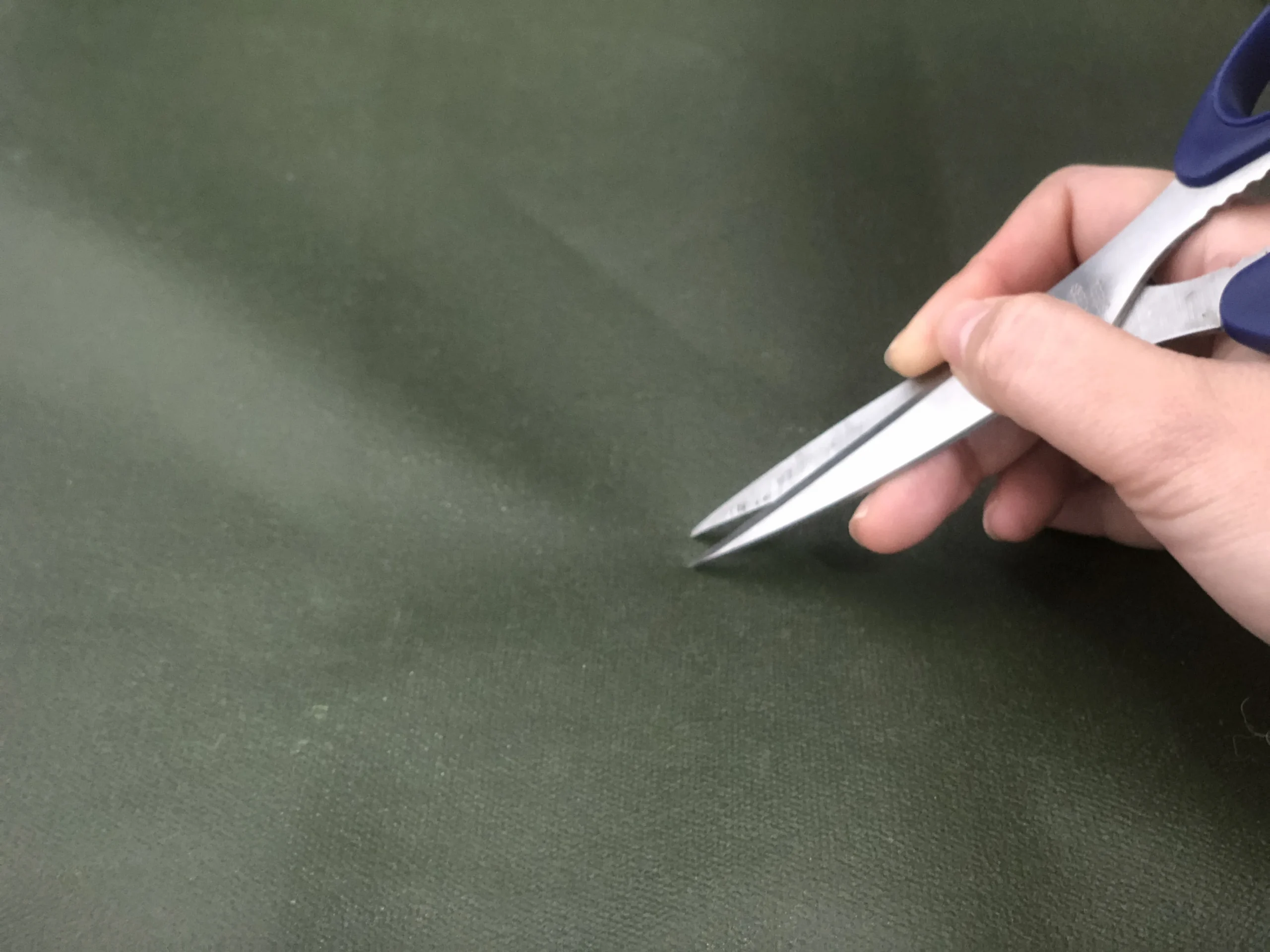
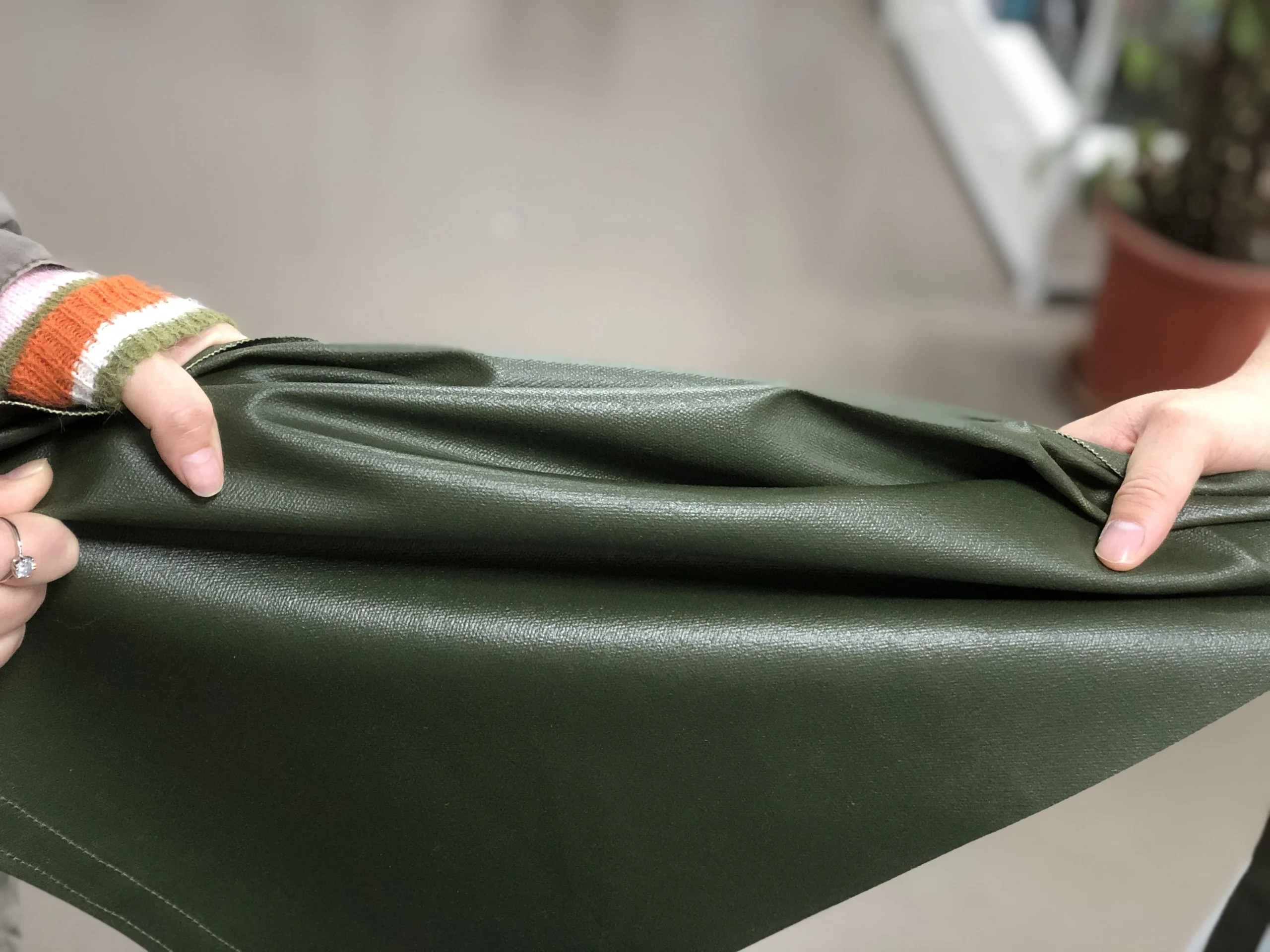
The 1000D×1000D base fabric provides the structural skeleton of this PVC coated tarpaulin. Denier refers to the weight in grams of 9,000 metres of yarn — a 1000 denier yarn in both warp and weft directions produces a dense, high-tensile grid that resists tear propagation. However, denier alone does not determine strength. The knife coating process forces PVC paste into the weave under blade pressure, filling the interstices and bonding to individual yarns. This produces higher peel strength than laminating methods, meaning the coating is less likely to delaminate at heat-welded seams. The 420 GSM grade represents a mid-range weight in the product family, balancing flexibility for fabrication against tear resistance for outdoor service — lighter grades suit short-term banner use, while heavier grades serve long-term truck curtain applications. The interplay between base fabric density and coating weight is what determines whether a roll performs in the field, not GSM in isolation.
The Hidden Cost of Accepting Undocumented GSM and Treatment Claims
A roll that arrives lighter than the quoted GSM means less PVC on the fabric — which translates directly to reduced abrasion resistance and a shorter service life before the base fabric is exposed. When flame retardant or anti-static treatment is claimed without a supporting test report, the fabric may pass a visual inspection but fail a site compliance audit, leaving the buyer with material that cannot legally be installed [NEED_CITE: fire safety compliance requirements for temporary structures and ventilation fabric]. Anti-UV treatment stated without a test basis means the degradation timeline is unknown. For wholesale buyers redistributing to contractors, these gaps become liability issues downstream — the contractor blames the distributor, and the distributor has no documentation to defend the specification.
What Makes This Supply Chain Different for Roll Buyers
Three full production lines and 36 sets of professional equipment provide the capacity to hold stock grades in inventory while running custom-width orders in parallel, reducing the lead time conflict between standard and bespoke requirements. A 10-person R&D team handles custom colour matching, pattern printing for private-label branding, and sample development — samples for custom requirements are typically produced within days, not weeks. Dedicated QA/QC inspection at every production stage, including 100% pre-shipment checking, ensures that roll weight, colour, and coating integrity are verified before packing, not assumed. Nearly 30 years of focused coated fabric production provides the process knowledge to maintain adhesion and coating weight consistency across long production runs. ISO and CE certification underpins the documentation package that accompanies every shipment.
Documentation & Verification
- Material specification sheet stating GSM, base fabric denier, and coating method for each roll grade shipped
- Pre-shipment inspection record with roll-by-roll weight verification against quoted GSM tolerance
- Roll packing list detailing individual roll weights, linear metres, colour references, and container loading plan
- Certificate of origin and customs documentation prepared for international roll stock shipments
- Test reports for flame retardant and anti-static grades supplied where applicable to the ordered specification
Fabrication, Handling & Storage
- Heat-weld at temperatures suited to knife coated PVC — test weld parameters on a sample strip from each new roll batch before full production
- Store rolls upright on cores in a dry warehouse to prevent flat-spot deformation that affects unrolling and printing registration
- Unroll anti-cold treated stock gradually in low temperatures to avoid creasing the coated surface before fabrication
- Use compatible PVC-based adhesives for patch repairs — solvent-based contact adhesives may attack the knife coated surface
- Plan cutting layouts to maximise yield from the roll width, accounting for selvedge trim on both edges
- Clean printed banner surfaces with mild detergent only — abrasive cleaners will damage the coated face and degrade print sharpness
What We Need to Quote Your Roll Order Accurately
Provide your target GSM grade, required roll width, and linear metres per roll so we can calculate container loading and confirm availability against stock or production scheduling. If your market requires specific flame retardant or fire safety compliance, state the standard your end customers demand — we will confirm whether our available grades meet that requirement and provide supporting documentation. For private-label or pattern-printed rolls, share your artwork and colour references so the R&D team can produce a sample for your approval before the full production run.
Frequently Asked Questions
Q: What GSM tolerance do you hold across a full container of rolls?
A: Each roll is weighed during pre-shipment inspection and recorded on the packing list. The tolerance band is agreed at the quotation stage based on the specific GSM grade ordered. We supply a weight verification document so your inbound QC team can cross-check individual rolls against the stated specification without needing to re-weigh on your dock.
Q: Can I mix different colours or weights in one container?
A: Mixed containers are available, and we structure the packing plan to separate grades and colours clearly for your warehouse team. Each roll is labelled with its colour reference and GSM grade. Minimum quantities per colour or weight within a mixed container are confirmed during the quotation stage based on production scheduling.
Q: How do you guarantee colour match when I reorder the same specification?
A: Every production run carries a batch and dye-lot reference stored in our records. When you reorder, we match the previous dye-lot parameters at the coating line. For critical colour matching, we recommend requesting a sample from the new batch before full production proceeds, particularly for large-volume orders.
Q: Do you provide a roll-by-roll packing list for inbound inspection?
A: Yes. Every shipment includes a detailed packing list showing each roll’s net weight, linear metres, colour reference, and GSM grade. This document supports your receiving inspection and allows you to identify any discrepancies before the rolls enter your warehouse inventory or are forwarded to your customers.
Q: What is the lead time on custom width or custom colour rolls?
A: Lead times for custom widths and colours are confirmed at the quotation stage and depend on current production scheduling and raw material availability. Stock widths in standard grades ship on shorter timelines. We provide the confirmed dispatch date before production begins so you can plan your container booking and downstream commitments.