Description
Verified Batch Consistency — every roll inspected for GSM and colour match before loading, ensuring your container arrives with uniform weight across all bales.
Technical Specifications
| Parameter | Value |
|---|---|
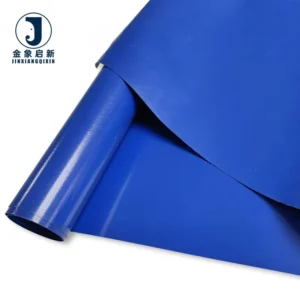
| Product Type | PVC Coated Tarpaulin Roll |
| Coating Material | HDPE weaving with LDPE lamination on both sides |
| Weight (GSM) | 50gr/m2 ~ 300gr/m2 (select grade at inquiry) |
| Total Thickness | 0.2–0.4 mm / 8 mil–16 mil / Custom |
| Weave Density | 6×6, 6×7, 7×7, 7×8, 8×8, 9×9, 8×10, 10×10, 12×12, 14×14, 14×16 |
| Roll Width Options | 6 ft, 8 ft, 10 ft, 12 ft, 2 m, 4 m, 6 m |
| Roll Length Options | 100 yards, 100 meters, or custom |
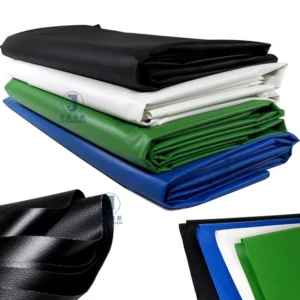
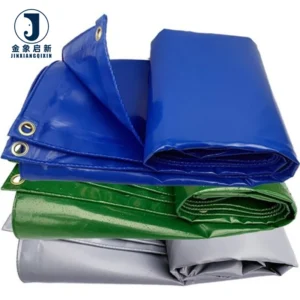
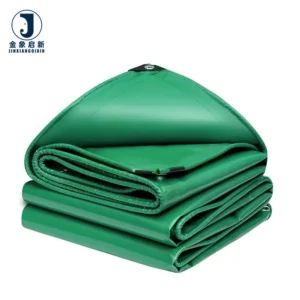
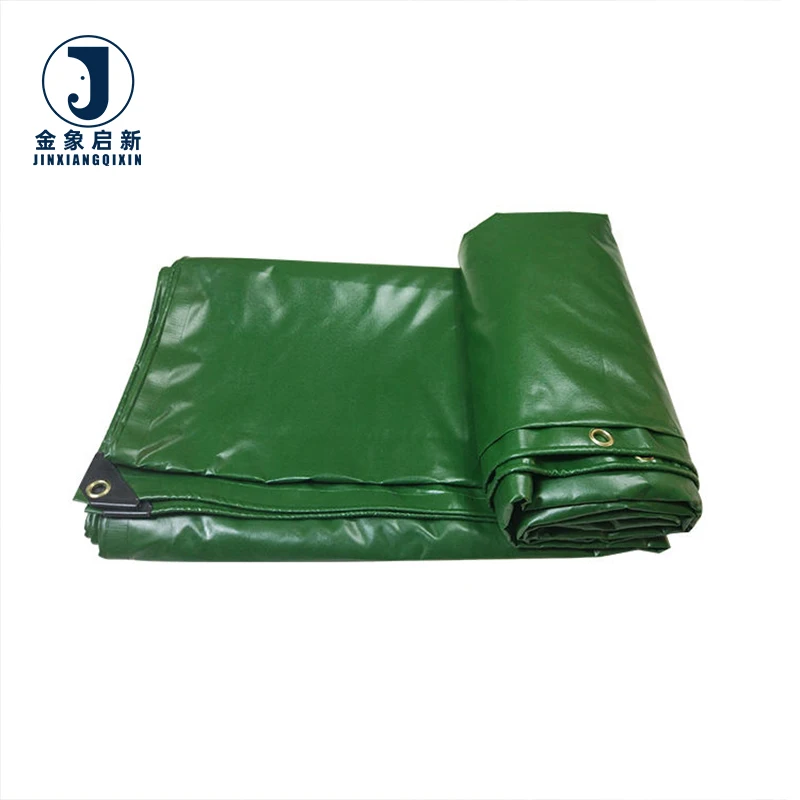
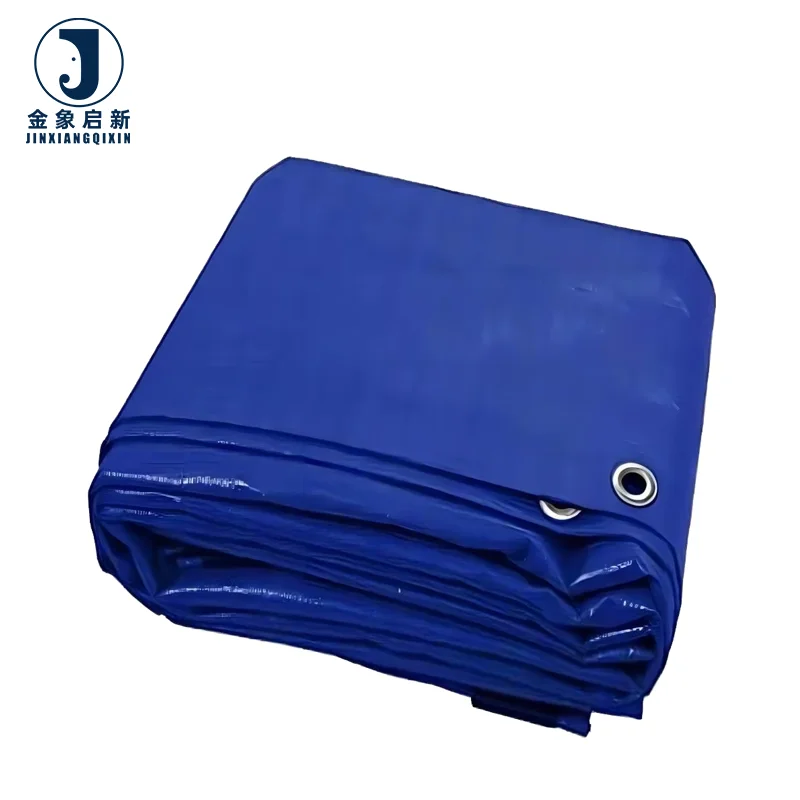
| Color Options | Blue, Blue/Orange, Green, Grey, Black, Clear, Grey/Green, Orange, or custom |
| Waterproof | Yes — fully laminated construction |
| UV Treatment | Available (confirm test basis required for your market) |
| Anti-Static | Claimed in product title (confirm surface resistance grade for your application) |
| Anti-Mildew | Yes |
| Tear Resistant | Yes (confirm test standard for your specification) |
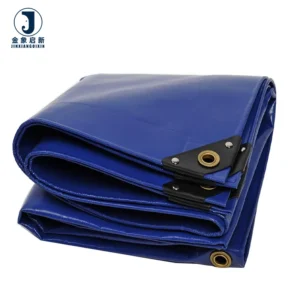
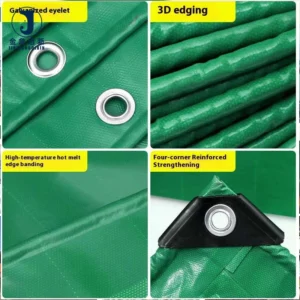
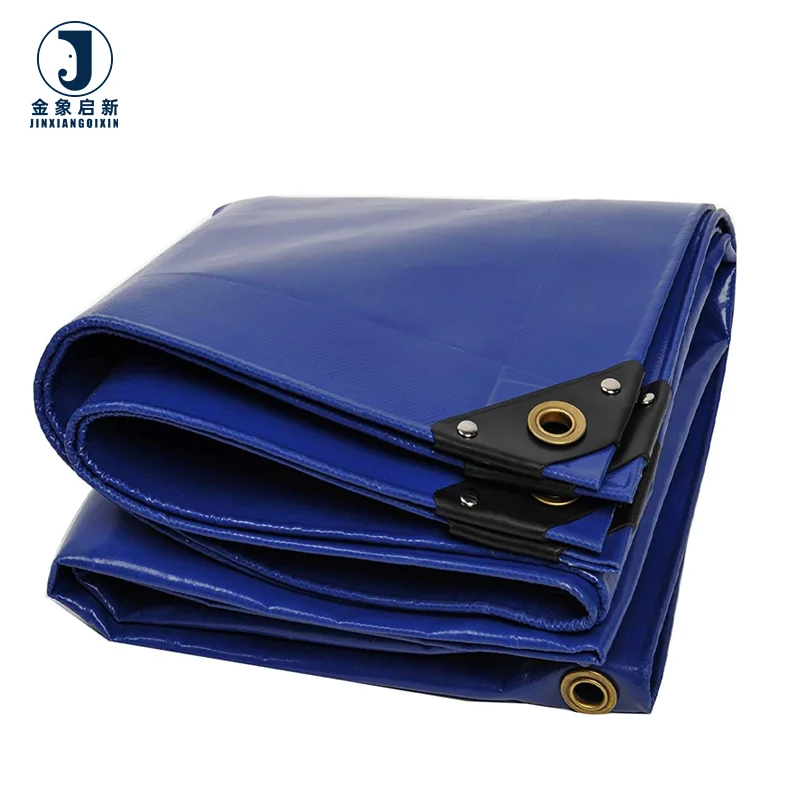
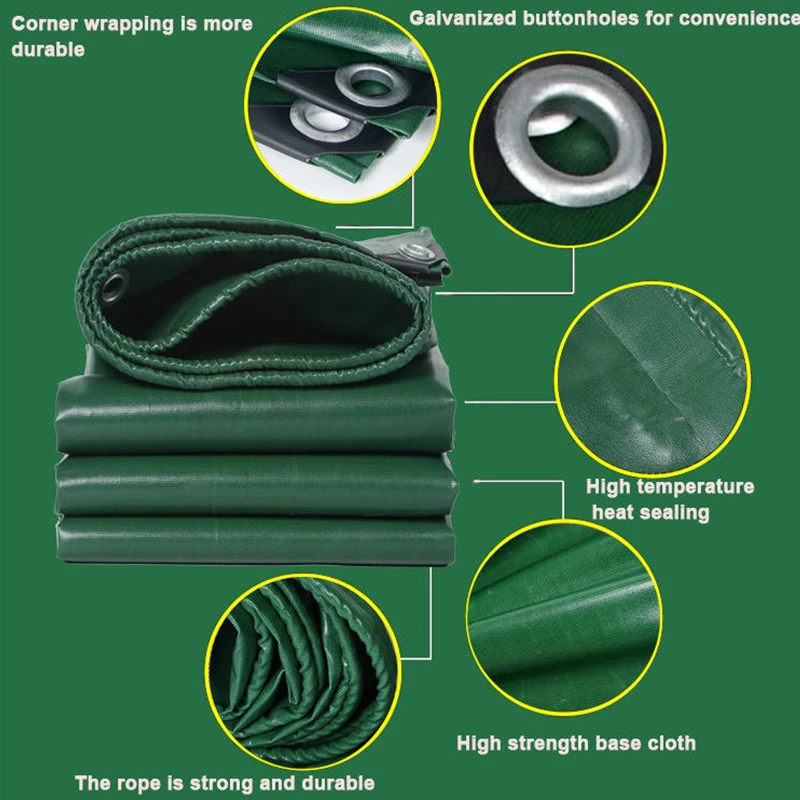
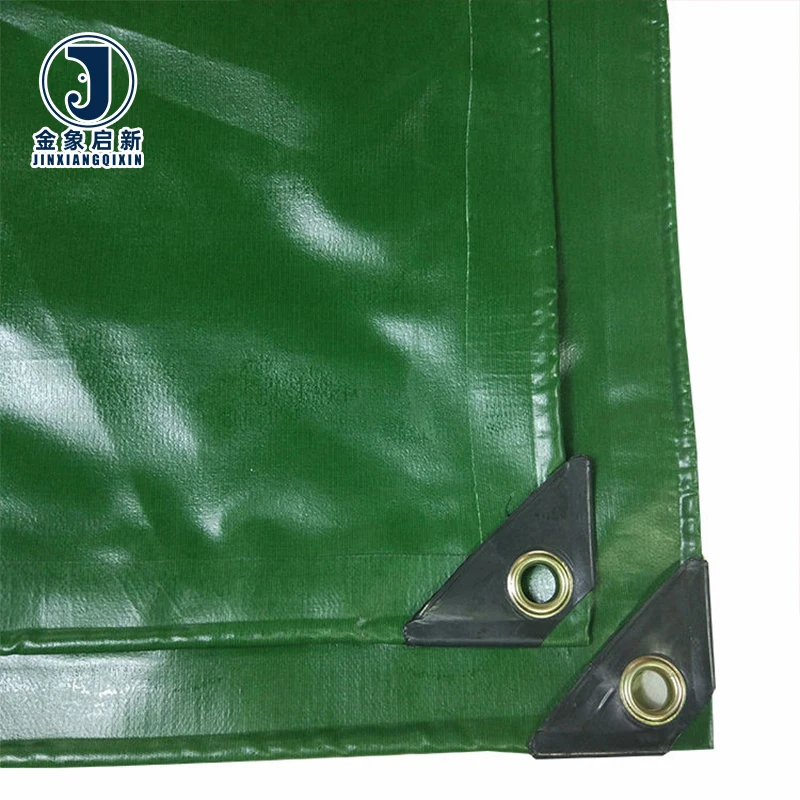
| Finished Tarpaulin Options | PP rope reinforced hems, galvanized eyelets every 3 ft or 1 m, reinforced plastic corners |
| Printing Option | Custom brand printing available |
| Standards | ISO, CE |
Application Suitability
| Application | Exposure & Requirement |
|---|---|
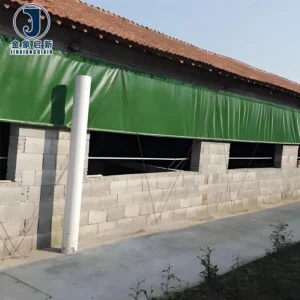
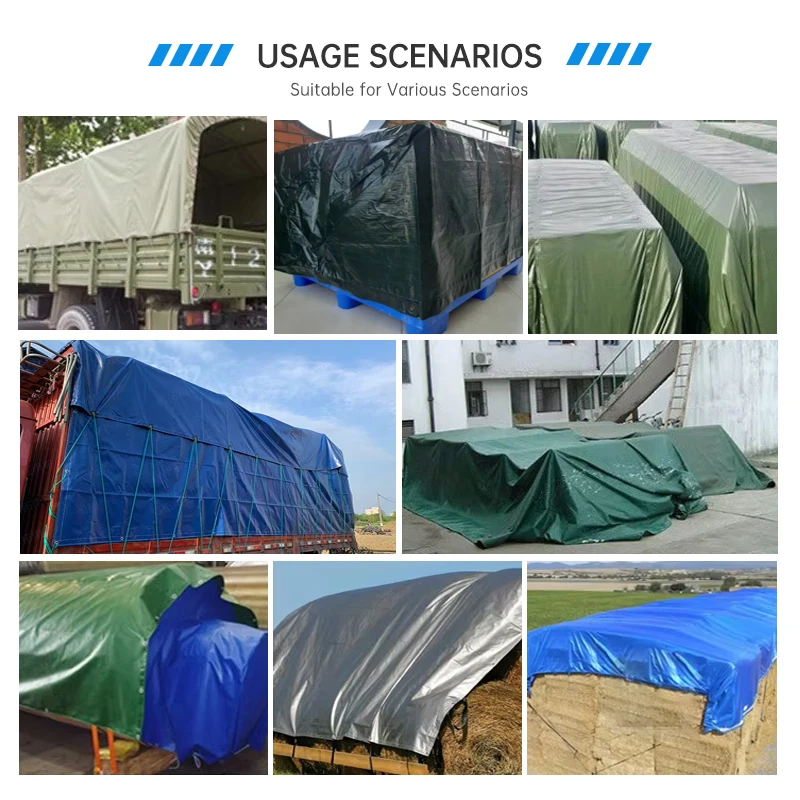
| Poultry farm curtains | Continuous humidity, ammonia vapour, daily roll-up flex, UV through open-sided housing |
| Truck and trailer covers | Road abrasion, wind flap fatigue, rain ingress at tie-down points |
| Construction scaffolding wraps | Wind load, UV degradation, debris impact, flame-retardant compliance on site |
| Agricultural crop covers | Moisture ingress, UV breakdown over multi-season storage, mildew in humid climates |
| Timber and hay covers | Long-term outdoor stacking, condensation under the sheet, puncture from rough-cut edges |
| Swimming pool and garden covers | Chlorinated water contact, UV bleaching, repeated seasonal fold-and-store |
Why Colour Drift Between Rolls Costs More Than the Tarp Itself
Batch-to-batch colour matching is controlled at the masterbatch stage, not by visual check after lamination.
When a distributor installs twenty rolls of blue tarpaulin across a retail display and two panels are visibly off-shade, the entire wall gets pulled and re-hung. Buyers often assume colour is a trivial variable, but LDPE lamination pigment loading shifts with extruder temperature and resin lot. PE Tarpaulin Roll / PVC Tarpaulin Roll wholesale programs live or die on this consistency. We lock the colour reference at order confirmation and verify every roll against that swatch before it leaves the line [NEED_CITE: batch colour control methods for laminated polyethylene fabrics].
Roll Widths That Match Container Geometry
Stock widths of 2 m, 4 m, and 6 m align with standard pallet footprints and container door clearances, reducing wasted floor space during loading. Buyers ordering mixed-width containers can combine narrow 6 ft rolls for regional resale with wide 6 m rolls for agricultural end-users, all under one bill of lading. This consolidation cuts per-unit freight cost and simplifies customs clearance at destination.
Weave Density Mapped Directly to GSM Grade
Rather than guessing whether a "medium-duty" label will hold up in your market, our density-to-GSM ladder lets you specify by the exact weave count. A 6×6 mesh yields approximately 50–60 gr/m2, suited to light seasonal covers, while a 14×16 mesh delivers 250–300 gr/m2 for heavy transport and construction wraps. Distributors building a tiered product line can select three or four grades from this ladder and maintain clear shelf differentiation. PE Tarpaulin Roll / PVC Tarpaulin Roll wholesale programs benefit from this transparent mapping because end-users can compare specs side by side [NEED_CITE: HDPE weave density and tensile performance correlation in laminated tarpaulins].
How GSM, Weave, and Laminate Thickness Work Together
Weight alone tells an incomplete story. A 100 gr/m2 sheet with a 10×10 weave and 0.3 mm laminate will resist puncture differently than a 100 gr/m2 sheet with an 8×8 weave and thicker coating. The base HDPE tape provides tensile strength in warp and weft, while the LDPE lamination on both sides bridges the weave gaps and delivers waterproof integrity. Thicker lamination improves abrasion resistance at tie-down contact points but adds stiffness, which matters when the tarp is folded or rolled repeatedly on a poultry curtain track. Buyers should match the weave density to the expected mechanical stress and treat GSM as one input alongside mesh count and laminate thickness [NEED_CITE: ISO 1421 test methods for coated and laminated fabric tensile and tear strength].
The Hidden Cost of Underspecifying for Your Market
A distributor shipping 90 gr/m2 rolls to a tropical agricultural market may face warranty claims within a single wet season, because mildew and UV breakdown accelerate on lighter laminates. Similarly, construction contractors who accept generic "UV treated" rolls without a documented test basis can fail site audits when the inspector requests evidence of compliance. Each roll returned from the field costs freight, replacement material, and reputational damage that far exceeds the per-metre saving of a lighter grade [NEED_CITE: field failure analysis of laminated tarpaulins in tropical climates]. Selecting the correct density and confirming treatment documentation at the order stage eliminates these downstream losses.
Why Sourcing Here Secures Your Container Program
Three full production lines running HDPE weaving and LDPE lamination give us the capacity to fill a 40′ HQ with a single order without splitting across multiple lead times. A dedicated QA/QC stage inspects every roll for GSM, colour, and laminate adhesion before it is released to packing — no spot-check sampling. Roll packing on hard paper tubes with an outer tarpaulin wrap protects edges during ocean transit, and bale or carton options accommodate finished-size SKUs in the same container. The ten-person R&D team develops custom colour masterbatch samples within days, so buyers can approve the exact shade before bulk extrusion begins. Pre-shipment inspection records ship with the documentation set, giving importers a verifiable quality trail from order to port.
Documentation & Verification
- Material specification sheet listing GSM, HDPE weave count, and LDPE coating weight per roll
- Pre-shipment inspection record with measured GSM and colour match confirmation
- Roll packing list detailing width, length, and colour reference for each SKU in the container
- Certificate of origin and customs documentation prepared per destination country requirements
- UV and anti-static treatment test reports supplied when grade is confirmed at order
- ISO and CE certificates included in the shipping documentation set
Fabrication, Handling & Storage
- Heat-seal the 0.2–0.4 mm laminate at moderate temperature to avoid HDPE base tape distortion at the weld line
- Reinforce eyelet zones on finished tarps with extra LDPE patches where galvanized rings meet the weave
- Store rolls upright on paper tubes to prevent flat-spot creases in the 2 m to 6 m widths
- Allow cold-stored rolls to reach ambient temperature before unrolling to avoid laminate cracking
- Clean laminated surfaces with mild detergent; avoid solvent-based cleaners that degrade LDPE
- Cut patterns to maximise yield from 100-yard or 100-meter roll lengths and reduce off-cut waste
What to Include in Your Next Inquiry
Specify the end-use environment — poultry housing, outdoor construction, transport cover — so we recommend the correct weave density and treatment package. Provide your target widths, annual roll volume, and whether you need stock colours or a custom shade matched to your brand. If finished tarps with eyelets and hems are required, share the cut sizes and reinforcement preferences. We will respond with a PE Tarpaulin Roll / PVC Tarpaulin Roll wholesale quotation that includes container loading data, lead time, and sample availability for your approval.
Frequently Asked Questions
Q: How is GSM verified on each roll before shipment?
A: Every roll passes through a dedicated QA/QC checkpoint where measured GSM is recorded against the specification on your order. The pre-shipment inspection report lists the actual weight for each roll, so you receive documented proof rather than a quoted average. Rolls falling outside tolerance are held and re-assessed before release.
Q: What widths and roll lengths are kept in stock versus made to order?
A: Standard widths of 2 m, 4 m, and 6 m in common GSM grades ship from available inventory with shorter lead times. Narrow imperial widths and custom lengths beyond 100 yards or 100 meters are produced to order. Confirm your required combination at inquiry so we can advise availability and container loading quantities.
Q: How is roll-to-roll colour consistency controlled within one order?
A: Colour masterbatch is locked to a reference swatch at order confirmation, and each production batch is checked against that swatch before lamination. This prevents pigment shift between extruder runs. Buyers ordering multiple containers over a program should retain the approved swatch for cross-shipment comparison.
Q: What are the container loading quantities by roll, bale, and carton?
A: Loading capacity varies by packing method, GSM grade, and roll width. A 20′ GP container accommodates substantially more tonnage in roll form than in carton-packed finished tarps, while a 40′ HQ maximises volume for bale-packed programs. Request a loading plan with your quotation for exact figures based on your SKU mix.
Q: Which export documents are supplied per shipment?
A: Each container ships with a material specification sheet, pre-shipment inspection record, roll packing list, certificate of origin, and ISO/CE certificates. UV or anti-static test reports are included when the corresponding treatment grade was specified at order. All documents are prepared in English and formatted for customs clearance at destination.