
Description
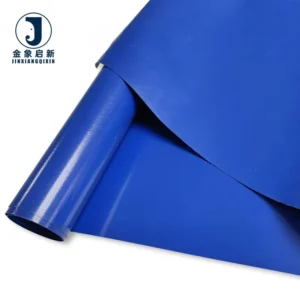
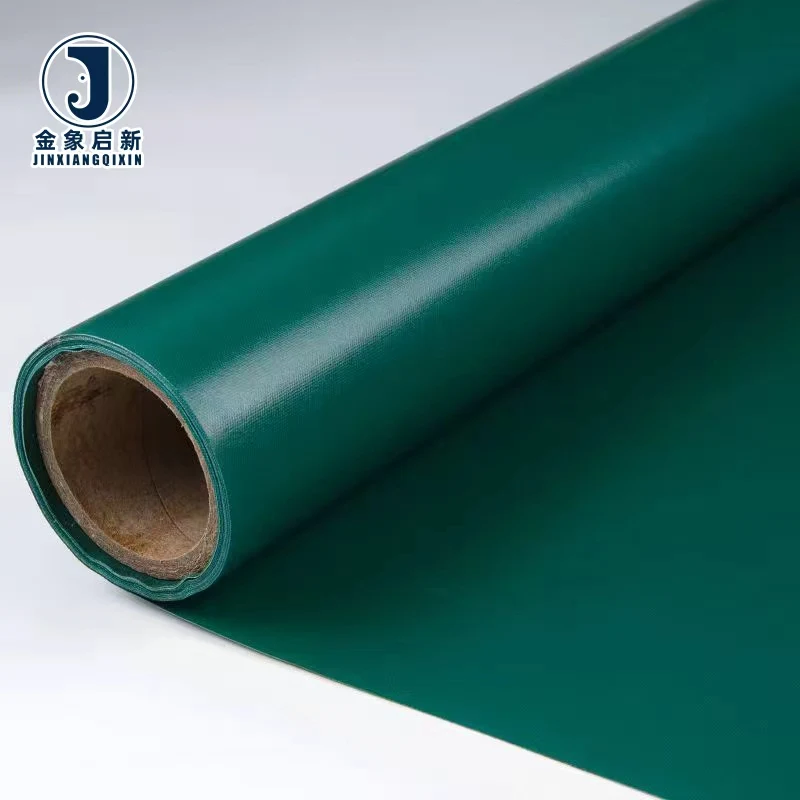
Batch-to-Batch GSM Consistency — Every PVC Coated Tarpaulin Roll leaves the line with a recorded coating weight that matches the quoted specification, eliminating the gap between invoice and scale.
Technical Specifications
| Parameter | Value |
|---|---|
| Product Type | PVC Coated Tarpaulin |
| Base Fabric Denier | 500D×840D / 500D×1000D / 1000D×1000D / 1000D×1300D / 1300D×1300D / 1000D×2000D |
| Weight (GSM) | 350 / 400 / 420 / 500 / 600 / 650 / 750 / 900 |
| Total Thickness | 0.29 mm – 0.65 mm |
| Coating Material | PVC & Polyester |
| Tensile Strength (Warp) | 1650 N – 3900 N (varies by grade) |
| Tensile Strength (Weft) | 1600 N – 3500 N (varies by grade) |
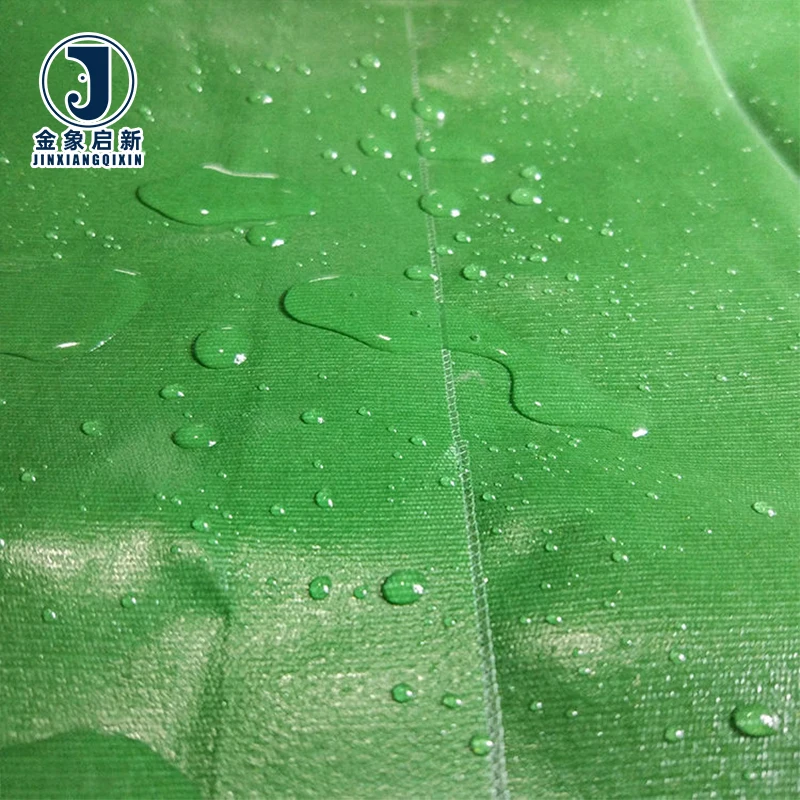
| Key Features | Water Resistant, Waterproof, Anti-UV (test basis not stated in source), Flame Retardant (grade not stated in source) |
| Brittle Temperature | ≤ -50 °C to -60 °C |
| Softening Temperature | ≥ 80 °C |
| Melting Point | 212 °C |
| Density | 1.15 – 2.00 g/cm³ |
| Edge Finish | High temperature heat sealed seamless edge wrapping |
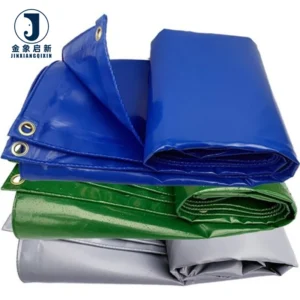
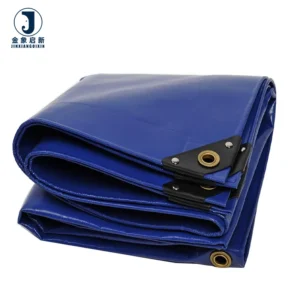
| Eyelet | 3 cm enlarged aluminum alloy buttonhole |
| Corner Reinforcement | Reinforced corners on all sides |
| Rope | 5 mm thick rope without splicing |
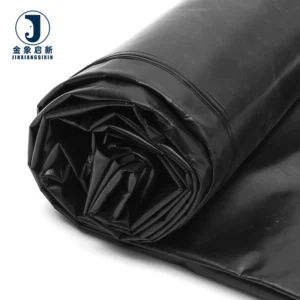
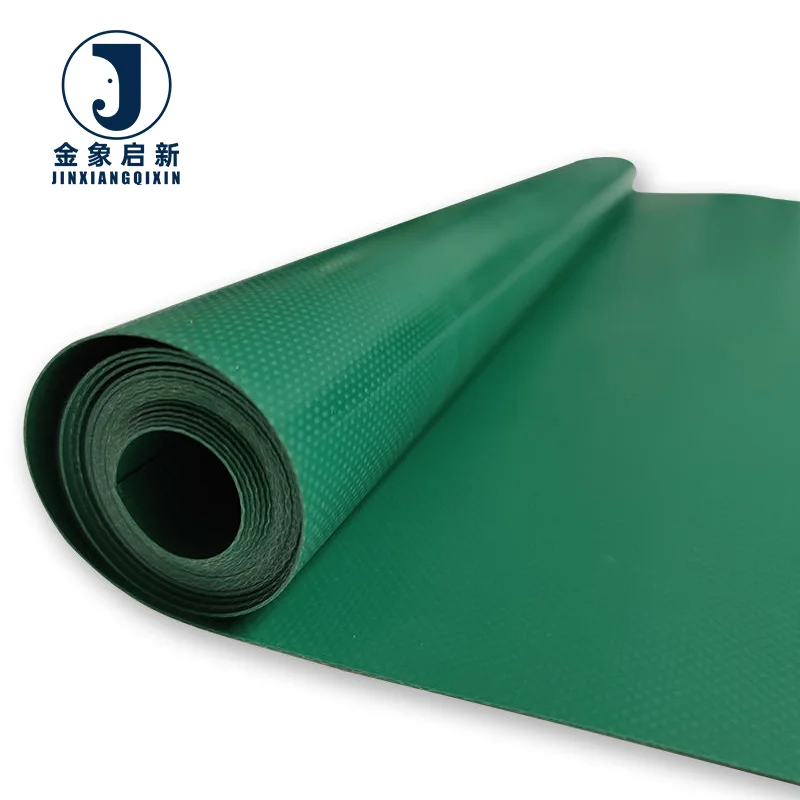
| Package | Roll packing, bale packing, carton |
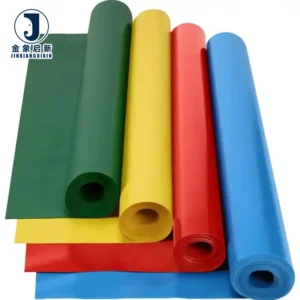
| Color | Customizable |
| Printing | Custom brand printing available |
Application Suitability
| Application | Exposure & Requirement |
|---|---|
| Truck and trailer side curtain covers | Continuous flexing, road debris abrasion, UV exposure, tie-down load at eyelets |
| Industrial shelter and warehouse partition | Permanent indoor or semi-outdoor installation, wind load, potential fire-code compliance |
| Tent and awning fabrication by roll | Cutting and welding to custom shapes, colour consistency across panels, weather exposure |
| Machine and equipment covers | Static outdoor storage, dust and moisture ingress, repeated handling and folding |
| Outdoor car and garden furniture covers | UV and rain exposure, lightweight draping, resistance to mildew and staining |
| Balcony and terrace rain screens | Vertical hanging, wind-driven rain, aesthetic colour requirement for residential settings |
Why Roll Buyers See Colour Drift Across a Single Shipment and How to Prevent It
Colour matching is a coating-line parameter, not a dye-lot afterthought.
When a container of PVC Coated Tarpaulin Roll stock arrives and two rolls placed side by side show a visible hue shift, the root cause is usually inconsistent pigment dispersion during the coating stage. For wholesale distributors and importers who resell to fabricators or end users, this colour drift damages credibility even when the GSM and tensile values are perfectly on specification. I have seen bulk orders where the buyer had to segregate rolls by shade before cutting, turning a straightforward container load into a sorting exercise [NEED_CITE: coating pigment dispersion tolerances for PVC plastisol].
Roll-to-Roll Consistency as a Procurement Requirement
For volume buyers purchasing PVC Coated Tarpaulin Roll stock by the container, consistency is not a luxury — it is the baseline that determines whether your fabrication floor runs smoothly or stalls. Coating weight variance directly affects how the material behaves under a hot-air welder: a lighter-coated section will melt faster and may pull away from the seam, while a heavier-coated section requires more dwell time. When rolls in the same order share identical GSM and coating thickness, your welding parameters stay fixed, reducing scrap and rework.
Bulk Container Loading Without Specification Surprises
A 40-foot container typically holds dozens of rolls, and every roll counts toward your landed cost. The PVC Coated Tarpaulin Roll range spans eight GSM grades and six denier constructions, allowing you to consolidate lightweight and heavy-duty grades into a single shipment. Consolidation only works if each roll’s actual specification matches the packing list — a mismatch discovered after customs clearance becomes a costly problem rather than a simple production variable.
Reading GSM and Denier Together, Not in Isolation
GSM alone tells you how much material is present per square metre, but denier and mesh count reveal how that mass is distributed. A 500 GSM fabric woven from 500D×840D yarn at a higher mesh count will feel thinner and more flexible than a 500 GSM fabric built from 1000D×1000D yarn at a lower mesh count, even though the scale reads the same. Tensile strength figures — ranging from 1650 N to 3900 N in the warp direction across this product family — reflect the base fabric architecture more than the coating weight. This is why two rolls with identical GSM can perform very differently under load [NEED_CITE: relationship between base fabric denier, mesh count, and tensile strength in coated fabrics per ISO 1421].
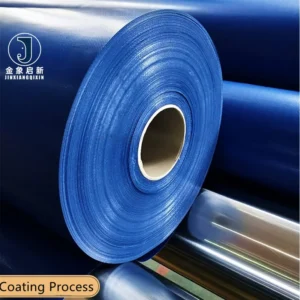
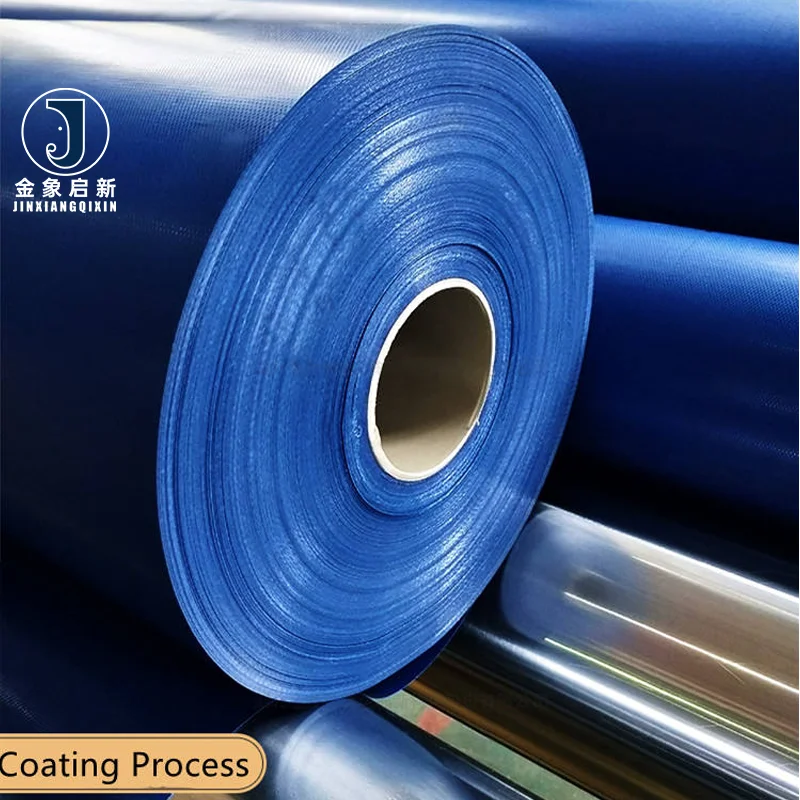
The coating method also influences peel strength and weldability. Knife-coated fabrics typically offer higher coating adhesion to the base fabric compared to calendered or laminated constructions, which matters when the finished product will be heat-welded at seams. For buyers cutting and welding roll stock into truck covers or tent panels, the bond between coating and yarn determines whether the seam holds or delaminates under flex stress.
The Hidden Cost of Ordering by GSM Without Verifying Denier
Procurement teams often specify GSM as the primary quality gate, and a roll that meets the target weight passes inspection. However, if the base fabric denier is lighter than expected and the coating is heavier to compensate, the resulting fabric may lack the tear resistance needed for applications where the material is tensioned or tied down. At the eyelet line, a coating-heavy, yarn-light construction will tear through the buttonhole before the body of the fabric shows stress. This failure mode is invisible on a specification sheet and only appears once the cover is installed and loaded [NEED_CITE: eyelet pull-out failure modes in coated polyester fabrics].
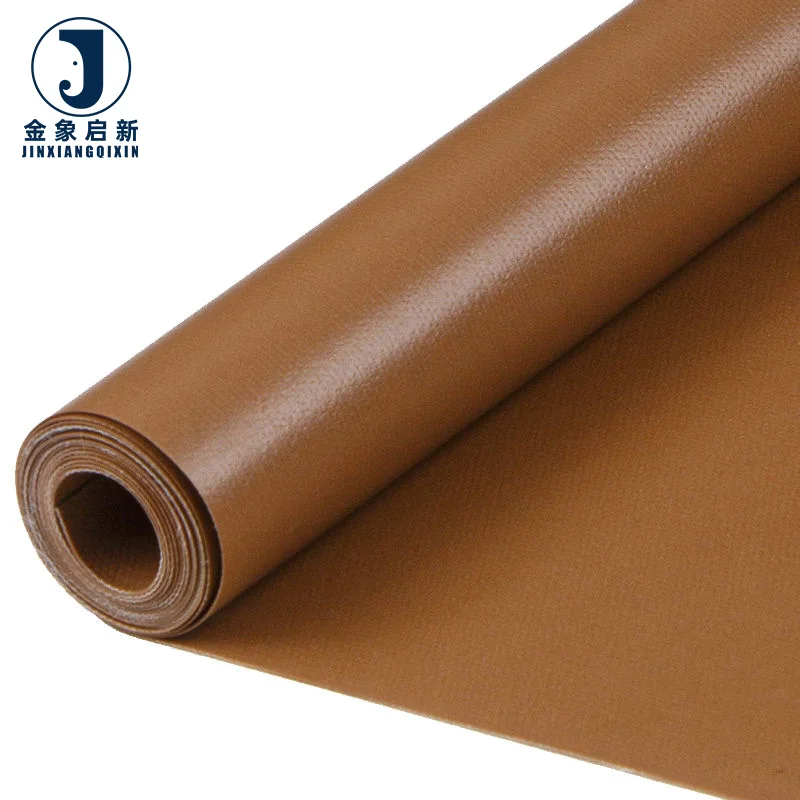
Batch-to-batch colour variation compounds the problem for distributors. When a fabricator orders a second container to continue a project and the shade does not match the first delivery, the entire run may need to be replaced or the panels rearranged — an expense that dwarfs any per-roll savings from a less controlled coating line.
What Volume Buyers Get When Sourcing Here
Three full production lines and 36 sets of professional equipment support bulk roll orders with reliable on-time dispatch, so container loading schedules stay predictable. A dedicated 10-person R&D team handles custom width, colour matching, and sample development within days, letting you verify shade and hand-feel before committing to a full container. Quality assurance runs at every production stage with 100% pre-shipment inspection, meaning each roll is weighed and measured against the quoted GSM and thickness before packing. Nearly 30 years of coating process control translates to documented adhesion and weight consistency across the 350–900 GSM range. Roll packing, bale packing, and carton options provide flexibility in how rolls are consolidated for ocean freight, optimising container cube utilisation for your specific import requirements.
Documentation & Verification
- Material specification sheet stating actual GSM, base fabric denier, and coating weight per roll
- Pre-shipment inspection record with weight verification against the quoted specification before dispatch
- Roll packing list detailing roll count, net weight per roll, and container loading plan
- UV and flame retardant test reports provided for applicable grades upon confirmation of market requirement
- ISO and CE certificates included in each shipment dossier for customs and compliance traceability
- Certificate of origin and customs support documents prepared for destination-country import procedures
Fabrication, Handling & Storage
- Heat-weld seams at temperatures matched to the specific GSM grade; heavier 750–900 GSM rolls require longer dwell time for full coating fusion
- Reinforce all eyelet positions with additional PVC patches, as the 3 cm aluminum alloy buttonholes distribute load but cannot compensate for low-denier base fabric
- Store rolls horizontally on racking to avoid flat-spot deformation, especially on wider widths that exceed standard pallet dimensions
- Allow rolls to acclimatise above the brittle temperature threshold before unrolling in cold climates to prevent coating micro-cracking
- Use mild detergent and soft brush for cleaning; avoid solvent-based cleaners that can degrade the PVC coating surface
- Plan cutting layouts to maximise yield per roll width and reduce the number of welded seams in the finished cover
What to Include in Your Roll Stock Inquiry
To receive an accurate quotation, specify the GSM grade, base fabric denier preference, and the intended end use so we can recommend the correct construction. Confirm the roll width and length that suit your cutting tables or welding equipment, along with any colour reference or brand printing requirement. Let us know your target market’s fire-code or UV treatment expectations so the correct grade is applied and documented.
Frequently Asked Questions
Q: How is GSM verified on each roll before shipment?
A: Each roll is individually weighed and measured during pre-shipment inspection. The recorded GSM is logged against the specification on the material sheet and packing list, so you can cross-check actual coating weight with the quoted value when the container arrives at your warehouse.
Q: What roll widths and lengths are available for container loading?
A: Roll widths and lengths are configured to your cutting table or fabrication equipment dimensions. The packing plan details roll count and weight per container, allowing you to optimise ocean freight utilisation across mixed GSM grades in a single shipment.
Q: How is colour consistency maintained across rolls in a bulk order?
A: Pigment formulation is locked before the production run begins, and coating-line parameters are held constant throughout. Rolls from the same order are produced in a single campaign to minimise batch-to-batch variation, and shade is verified visually during quality inspection.
Q: What packing options affect container loading efficiency?
A: Roll packing suits buyers with unrolling equipment at their facility. Bale packing compresses rolls for higher container density, and carton packing offers additional outer protection for markets requiring retail-ready presentation. Each option changes the roll count per container and is detailed in the loading plan.
Q: What documentation ships with each consignment?
A: Every shipment includes a material specification sheet per roll, pre-shipment inspection record, roll packing list, ISO and CE certificates, and certificate of origin. UV or flame retardant test reports are appended when the corresponding grade is specified in your order.