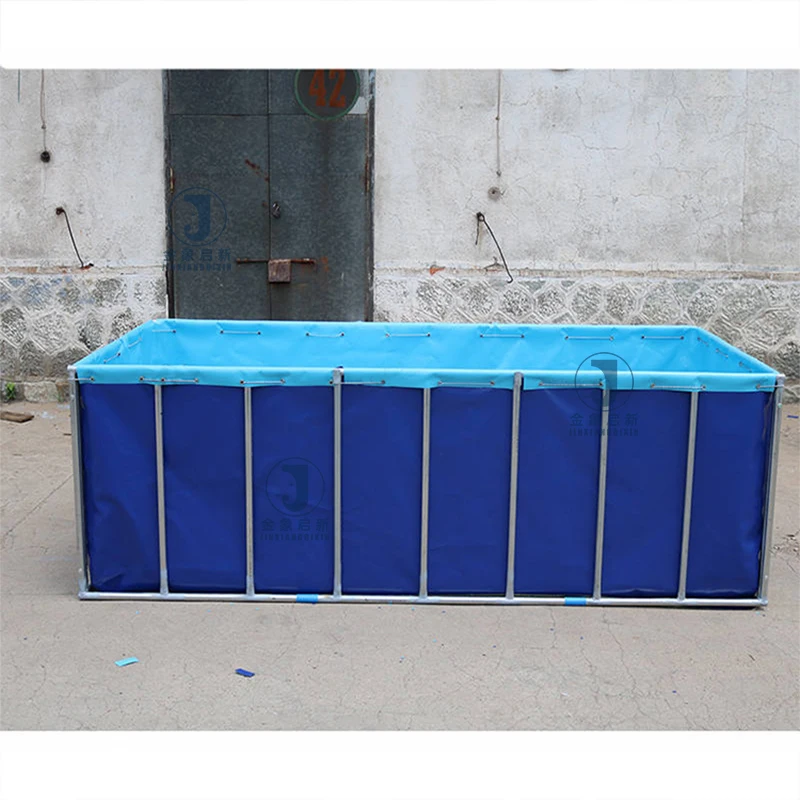
Description
Proven Coating Adhesion — every roll is produced on dedicated hot-melt and laminated lines with in-process peel strength checks, keeping PVC layers bonded through repeated folding and field welding.
Technical Specifications
| Parameter | Value |
|---|---|
| Product Type | PVC Coated Tarpaulin Roll |
| Material | PVC + High-strength polyester mesh fabric |
| Weight Options | 350gsm / 420gsm / 500gsm / 550gsm / 600gsm / 750gsm |
| Thickness Options | 0.32mm / 0.35mm / 0.4mm / 0.45mm / 0.5mm / 0.65mm |
| Roll Width | 2m / 2.1m |
| Roll Length | 50m / 75m |
| Coating Technology | Laminated technology & Hot-melt coating technology |
| Key Features | Cold crack resistance, anti-mildew, anti-static treatment, waterproof, sunproof |
| Color Options | Blue / Red / Yellow / Light blue / Grey (customizable) |
| Service Life | 3–7 years under normal circumstances (source value — verify against project conditions) |
| Special Treatments | Flame retardant grades available — confirm the grade required for your market |
| Certifications | ISO, CE |
Application Suitability
| Application | Exposure & Requirement |
|---|---|
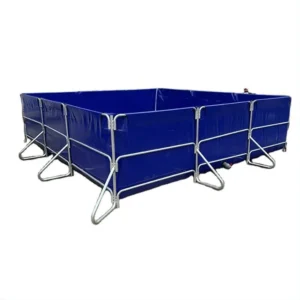
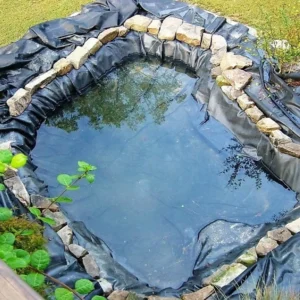
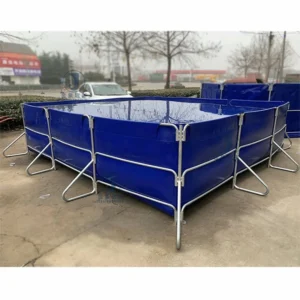
| Commercial fish pond liner | Continuous water immersion, soil chemistry, puncture from substrate stones, welded seam integrity under hydrostatic pressure |
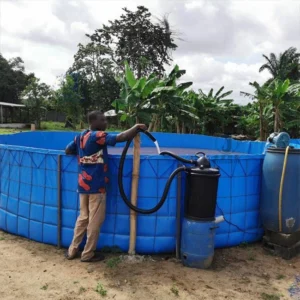
| Shrimp and aquaculture pond | Saline water exposure, biofilm buildup, frequent cleaning with oxidising agents, UV degradation from constant sun |
| Agricultural water reservoir | Large surface area requiring wide rolls to minimise seams, seasonal temperature swings, mechanical damage from maintenance equipment |
| Temporary containment bund | Rapid deployment on construction sites, fuel and chemical splash resistance, short service life with high reliability demand |
Why Stated GSM Is Not Enough When Buying PVC Tarpaulin Roll Stock
A roll that measures 500gsm on a lab scale but carries an uneven coating distribution will fail at the weld line before the fabric body degrades.
Pond liner buyers frequently source PVC coated tarpaulin roll by the roll, trusting the quotation weight without confirming how that weight is distributed between base fabric and coating. A roll with a heavy coating but an open-weave base fabric will show correct GSM on a bench scale yet tear easily along the warp when field-welded seams are stressed by water pressure. Conversely, a tighter weave with a thinner coating may pass tensile tests but delaminate under prolonged hydrostatic load. This mismatch is the single largest source of pond liner callbacks in the wholesale channel. [NEED_CITE: tensile and tear test methods for coated fabrics per ISO 1421]
Batch Consistency Across a Container Load
When tarpaulin distributors import a full container of PVC coated tarpaulin roll, the first requirement is that every roll in that container shares the same weight, colour and coating adhesion. Jinan Jinxiang runs dedicated hot-melt and laminated coating lines where process parameters are locked per batch run. Roll-to-roll weight variance is recorded on the pre-shipment inspection sheet, giving you a traceable record before the container is sealed.
Weldability and Seam Strength for Pond Installations
Pond liner fabricators need seams that match or exceed the parent material. Hot-melt coating technology produces a continuous PVC layer that heat-welds predictably, allowing fabricators to set consistent weld temperatures and dwell times across the entire installation. The high-strength polyester mesh fabric base supports peel strength at the weld interface, reducing the risk of seam failure when the pond is filled and hydrostatic pressure rises. [NEED_CITE: hot-melt versus laminated coating peel strength comparison for PVC tarpaulins]
How GSM, Weave Density and Coating Method Interact
GSM alone does not determine how a pond liner performs in service. The polyester mesh fabric density — the denier of the yarn and the count of warp and weft threads — governs tensile and tear behaviour, while the PVC coating weight on each face controls puncture resistance and weldability. Hot-melt coating forces PVC into the mesh interstices under heat and pressure, creating a mechanical bond that resists delamination. Laminated technology bonds pre-formed PVC films to the fabric face, offering a smoother surface at lower cost. Roll widths of 2m and 2.1m let pond installers cover larger areas with fewer transverse seams, cutting both weld time and leak risk on commercial-scale ponds. Thickness from 0.32mm to 0.65mm provides a range that matches lightweight nursery ponds at the lower end and deep commercial grow-out ponds at the upper end.
What Specifying the Wrong Roll Costs You in the Field
A distributor who imports a container of rolls with insufficient anti-mildew treatment will see black staining appear within the first wet season, triggering complaints from pond operators and eroding resale value. Colour drift between rolls in the same shipment becomes visible the moment two panels are welded side by side on a lined reservoir, forcing the contractor to reject material and reorder. Coating adhesion that fails to meet the minimum peel threshold means heat-welded seams open under water pressure, draining a stocked pond and destroying a season’s aquaculture yield. [NEED_CITE: common failure modes of PVC pond liners in tropical aquaculture installations]
Why Fabricators and Distributors Source Here
Three full production lines and 36 sets of professional equipment give this facility the capacity to hold roll-to-roll consistency across container-quantity orders of PVC coated tarpaulin roll. A 10-person R&D team develops samples within days, allowing you to confirm weight, colour and treatment before committing to bulk. Every roll passes 100% pre-shipment inspection with a weight verification record, eliminating the GSM gap between quotation and delivery. Roll packing plans are optimised by roll count and net weight so you know exactly how many square metres of liner fabric fit in each container. ISO and CE certification provides the baseline documentation your customs broker and downstream buyers expect.
Documentation & Verification
- Material specification sheet listing exact GSM, base fabric construction and coating weight for each roll batch
- Weight verification per roll recorded against the stated GSM before dispatch
- Roll packing list detailing roll count, individual net weight and container loading sequence
- Certificate of origin and customs documentation matched to the destination market
- Treatment test report for anti-mildew and flame retardant grades where specified in the purchase order
Fabrication, Handling & Storage
- Heat-weld at temperatures matched to the specific GSM grade — 500gsm and above require higher dwell times than lighter rolls to achieve full seam fusion
- Store rolls upright on pallets in a shaded area to prevent flat spots on the PVC coating surface
- Unroll cold-weather deliveries gradually; cold crack resistance allows low-temperature handling but rapid unfurling can stress the mesh
- Clean pond liners with neutral pH agents to protect the anti-mildew treatment from degradation by harsh oxidisers
- Plan cutting layouts around the 2m and 2.1m widths to minimise offcut waste on rectangular and circular pond geometries
- Repair field punctures with PVC-compatible adhesive patches, matching the coating technology for proper bond adhesion
Before You Send an Enquiry
Confirm the target GSM range, roll width preference and annual volume so the quotation reflects your actual consumption pattern. Specify whether you need roll stock only or cut-to-size panels, and indicate the colour and any treatment requirements such as flame retardant or additional anti-mildew levels for your market. If your destination country mandates particular fire or environmental classifications, share the relevant standard so the correct grade is sampled and tested before bulk production begins.
Frequently Asked Questions
Q: What GSM is appropriate for a commercial fish pond versus a small nursery tank?
A: Lighter grades around 350gsm to 420gsm suit shallow nursery tanks and temporary containment where hydrostatic pressure is low. Commercial grow-out ponds and deeper reservoirs typically require 500gsm to 750gsm to resist puncture from substrate stones and sustain long-term water pressure at welded seams. Request a sample in the grade you are considering to confirm handling and weld behaviour.
Q: Can I order wider rolls to reduce the number of field-welded seams?
A: Rolls are produced in 2m and 2.1m widths, with lengths up to 75m. Wider rolls cover more pond surface per panel, cutting seam count and lowering leak risk. If your project geometry demands a specific width outside these options, the R&D team can evaluate custom production runs — share your required width and total square metres to check feasibility.
Q: How is colour consistency maintained across multiple rolls in one order?
A: Each production batch is mixed as a single lot, and rolls from that lot are allocated to your order together. Pre-shipment inspection compares colour across rolls under controlled lighting before the container is loaded. If your installation places panels side by side in visible positions, note this on your purchase order so additional visual checks are applied.
Q: What is the difference between hot-melt and laminated coating for pond liner welding?
A: Hot-melt coating penetrates the polyester mesh fabric under heat and pressure, creating a bond that supports consistent heat-welding across the seam. Laminated technology applies pre-formed PVC films to the fabric face, yielding a smoother finish at a lower cost. Both methods produce weldable surfaces, but weld temperature and dwell time settings differ — confirm which coating technology is on your roll before setting fabrication parameters.
Q: What is the minimum order for a custom colour or width on PVC coated tarpaulin roll?
A: Minimums vary by the degree of customisation requested. Standard colours and widths carry lower thresholds since they run within scheduled production cycles. Custom colours or non-standard widths require dedicated line time and therefore higher minimums. Provide your target colour reference, width and total quantity for a specific MOQ and lead time in the quotation.