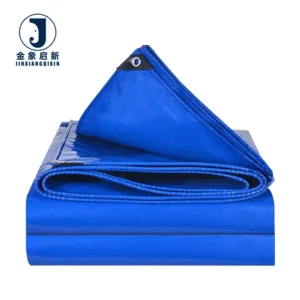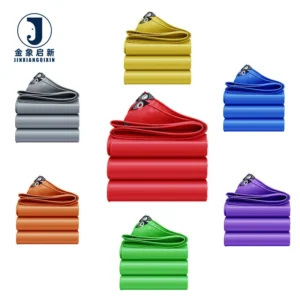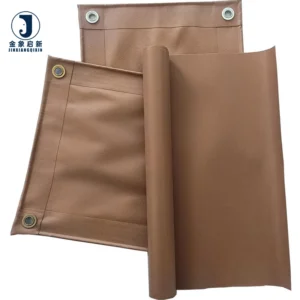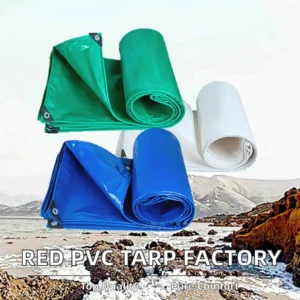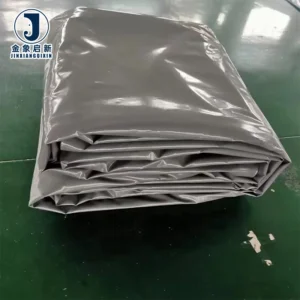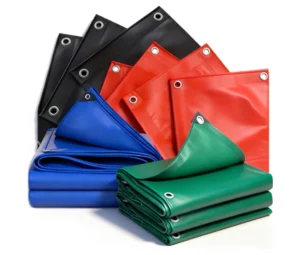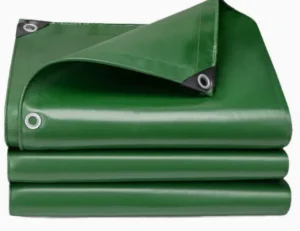
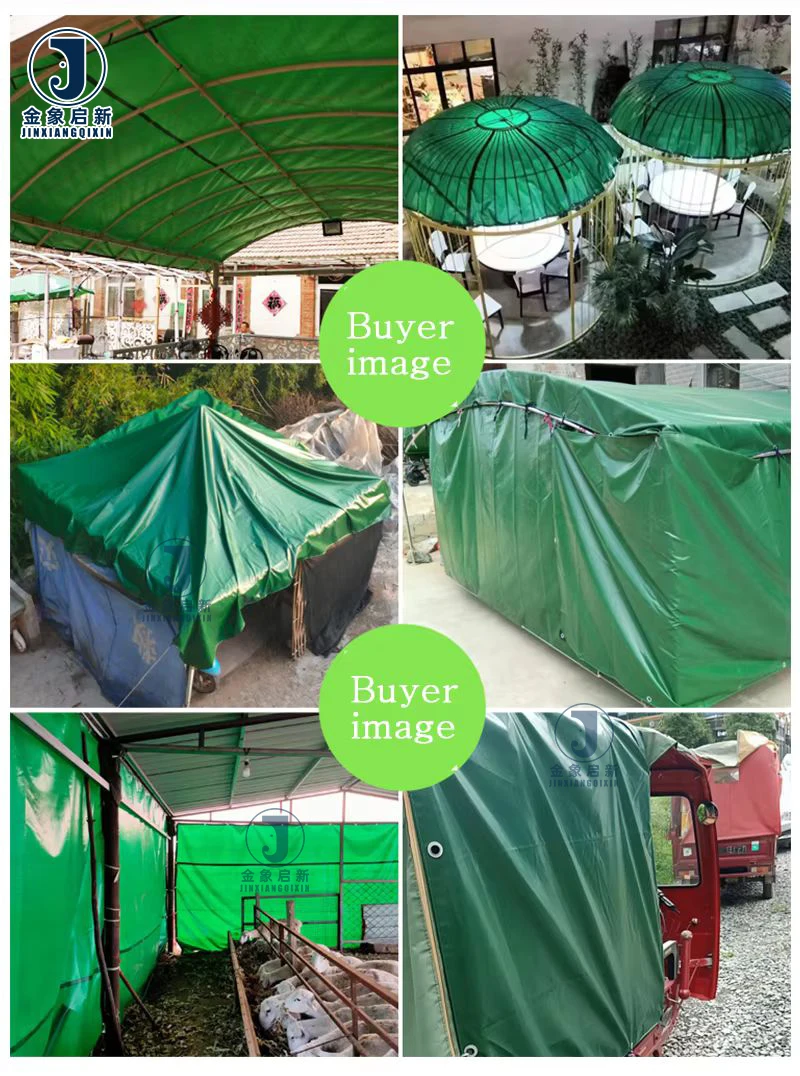
Description
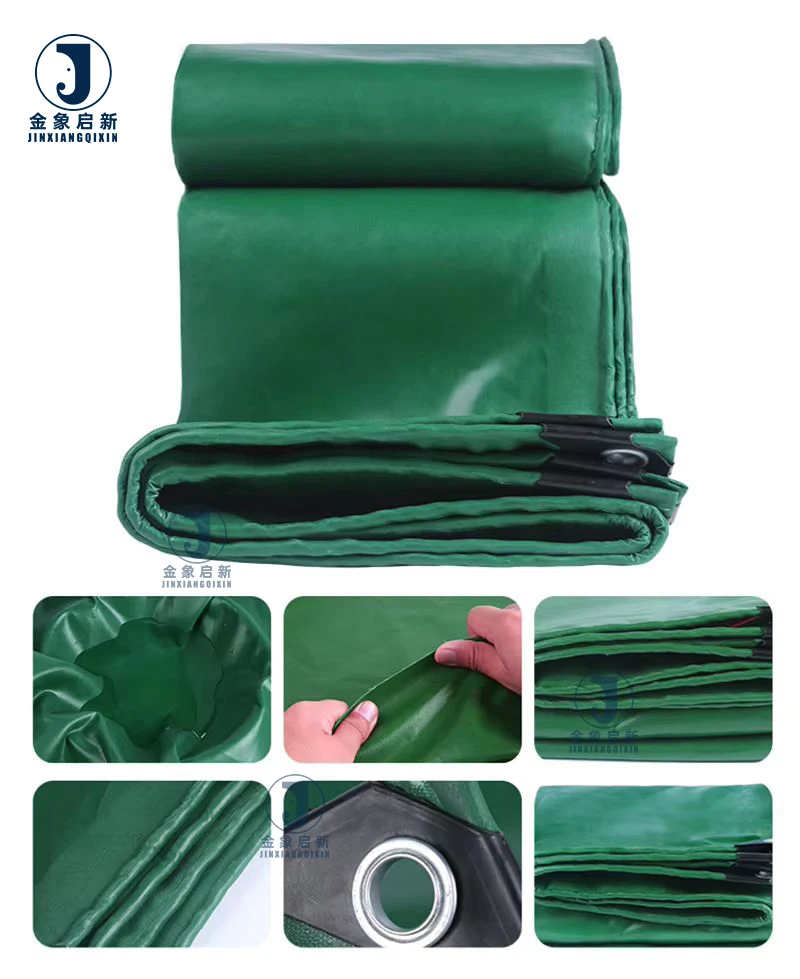
Batch-Consistent Roll Stock — every roll of PVC coated tarpaulin is weighed and measured against the quoted GSM before dispatch, ensuring truck cover fabricators receive material that matches the specification sheet.
Technical Specifications
| Parameter | Value |
|---|---|
| Product Type | PVC Coated Tarpaulin Roll |
| Material | PVC Coated Fabric |
| Weight Options | 700gsm / 850gsm / 900gsm |
| Coating Material | PVC |
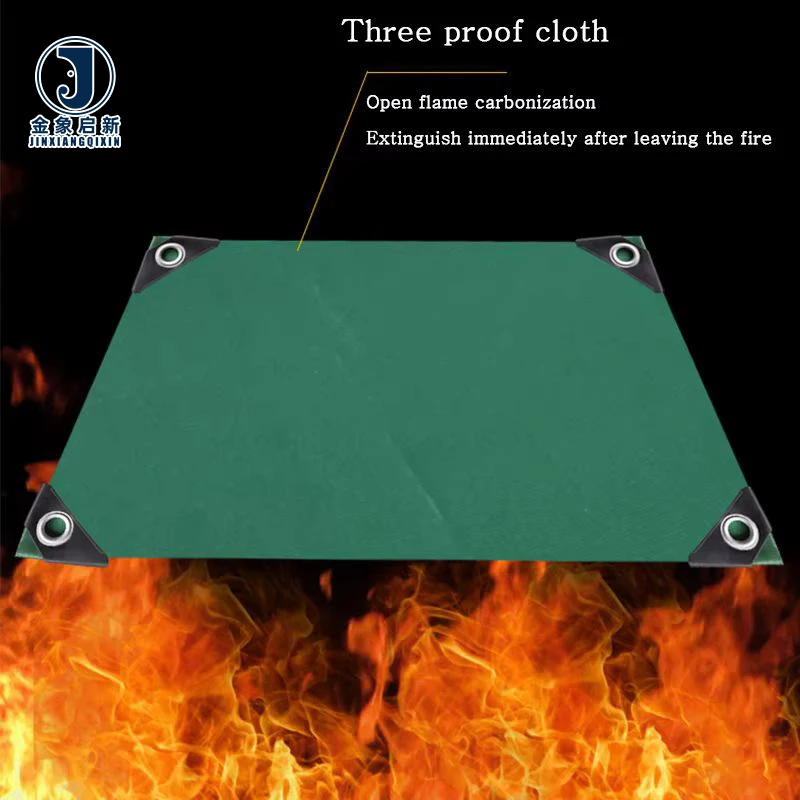
| Flame Retardant | Available (grade to be confirmed per market requirement) |
| Anti-Static | Available (standard to be confirmed per application) |
| Anti-Mildew | Available |
| Anti-Cold | Available |
| Weather Resistance | 1–3 years outdoor service life (test basis not stated in source) |
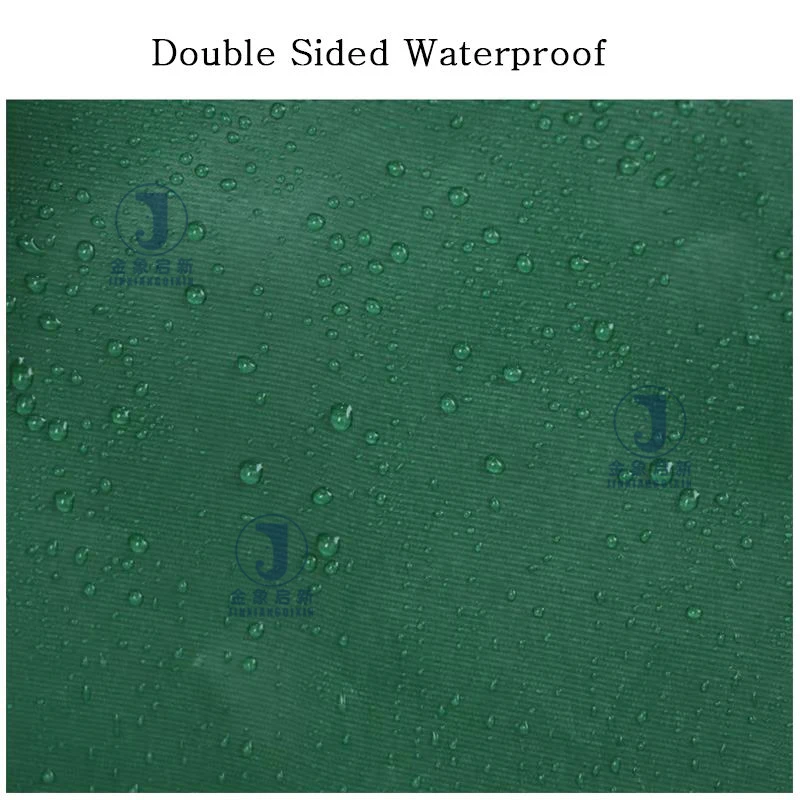
| Waterproof | Yes |
| Finish | Custom |
Application Suitability
| Application | Exposure & Requirement |
|---|---|
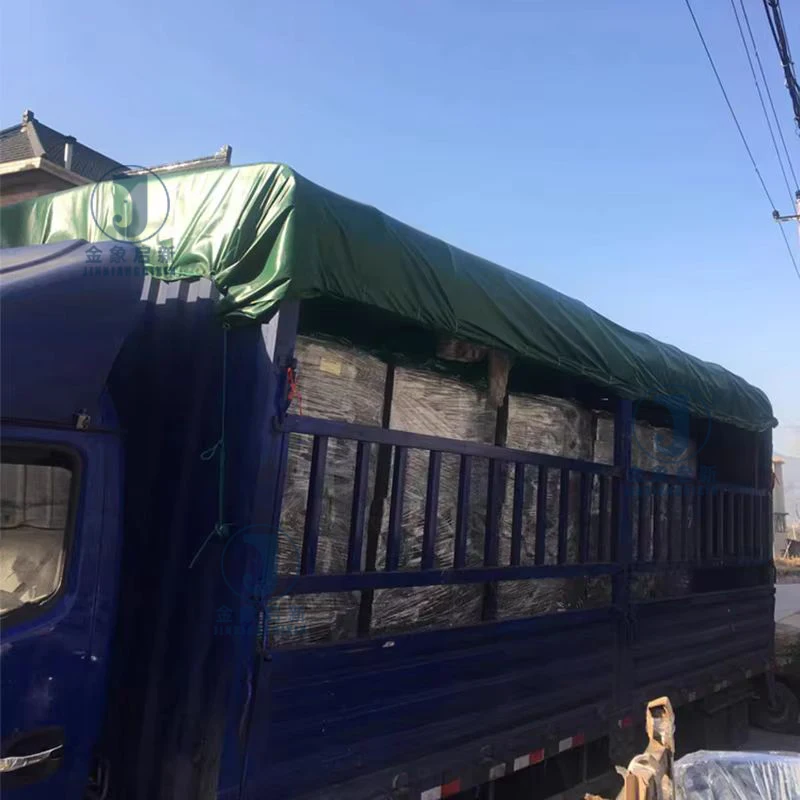
| Truck cargo cover fabrication | Constant road vibration, weather exposure, flex stress at tie-down points, UV degradation risk |
| Side curtain production for trailers | Repeated folding and unfolding, abrasion against load edges, wind loading at highway speed |
| Transport equipment builder roll stock | Batch colour consistency across multiple covers, high-tensile base for welding and eyelet reinforcement |
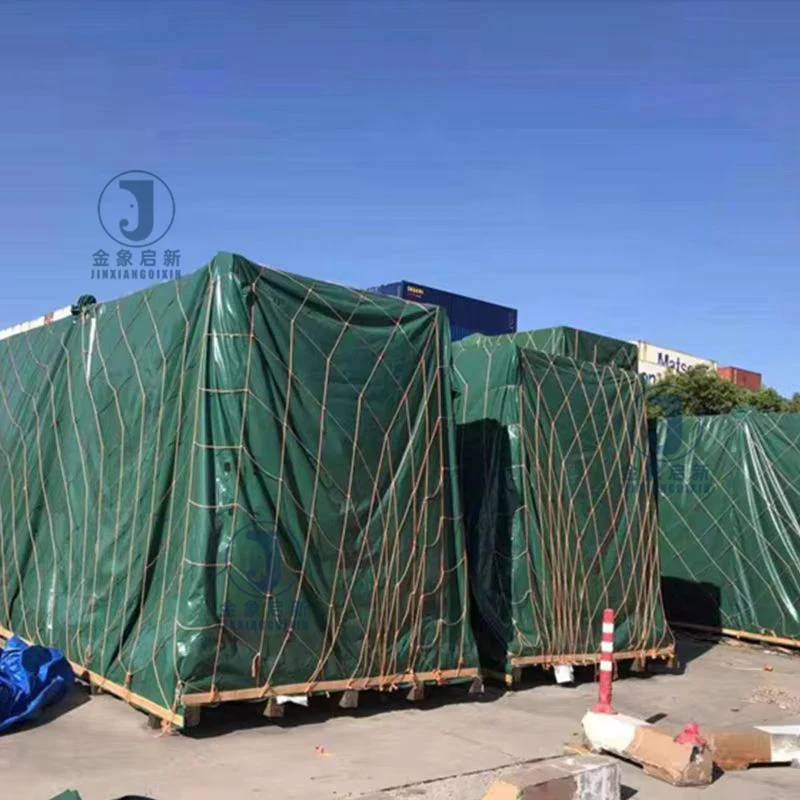
| Tarpaulin distributor inventory | Multiple weight grades stocked for regional resale, consistent roll-to-roll quality for downstream customers |
Why Roll-to-Roll Consistency Matters More Than Quoted GSM
A PVC coated tarpaulin roll that weighs less than specified shifts the cost burden onto the fabricator, not the supplier.
Fleet operators and transport equipment builders often specify a GSM based on the durability their truck covers require. When the material arrives lighter than agreed, the cover flexes and abrades at rates the design did not account for. Seams fail earlier, eyelet reinforcements pull through thinner fabric, and the replacement cycle shortens. The problem is rarely caught until the cover is already installed and under load. [NEED_CITE: ISO 1421 tensile and tear test methods for coated fabrics]
Buying PVC coated tarpaulin roll stock in bulk means dozens of rolls must perform identically. Colour variation between rolls becomes visible the moment two panels are welded side by side on a trailer. Coating weight inconsistency affects heat-seal parameters, forcing fabricators to recalibrate equipment mid-run.
Stock Grades Built for Transport Cover Fabrication
The 700gsm, 850gsm, and 900gsm weight options cover the range most logistics fleets and trailer builders require. Lighter grades suit short-haul and light-load applications where weight savings matter. Heavier grades handle long-haul routes with higher wind loading and greater abrasion from load contact. Each PVC coated tarpaulin roll is produced with a target coating weight held within tolerance, so fabricators do not need to adjust welding temperatures from one roll to the next.
Colour and Coating Uniformity Across Bulk Shipments
Distributors and fleet operators ordering multiple rolls expect colour consistency that holds when panels are installed adjacent to each other. The production process controls coating thickness and pigment dispersion so that batch-to-batch variation stays within acceptable visual limits. This matters particularly for fleets where brand colour must match across an entire trailer park. Rolls within the same shipment carry the same production batch reference, making traceability straightforward when fabricators plan cutting layouts. [NEED_CITE: colour fastness and batch consistency standards for coated technical textiles]
Reading the Specification Sheet Beyond GSM
Weight alone does not determine how a PVC coated tarpaulin performs under load. The base fabric denier and weave density govern tensile and tear strength; two rolls at the same GSM can behave very differently if one uses a heavier coating over a lighter base cloth. Coating method — whether knife-over-roll, laminating, or calendering — influences peel strength and how well the material responds to high-frequency welding. Surface finish affects cleaning behaviour and how printed branding holds after prolonged UV exposure. Buyers specifying flame retardant grades should confirm which test standard their market requires, as classifications differ between regions. Anti-mildew and anti-cold treatments extend the service environment but must be matched to the actual storage and transit conditions the covers will face.
The Hidden Cost of Specifying on Price Per Kilogram Alone
When a buyer selects PVC coated tarpaulin roll stock on the lowest per-kilogram cost, the savings can disappear at the fabrication stage. Material that is lighter than quoted requires more frequent replacement. Rolls with inconsistent coating weight produce weld failures that force rework. Colour mismatch between batches means a fabricator must either reject rolls or accept a patchwork appearance on the finished truck cover. [NEED_CITE: weld strength testing for PVC coated fabric seams] Flame retardant material supplied without a verifiable test certificate can cause a load to fail a roadside compliance check, leaving the fleet operator liable. These downstream costs routinely exceed the initial price difference between a verified roll and an unverified one.
Why Fabricators Source Roll Stock Here
Three full production lines running PVC coated fabric mean capacity is available for container-load orders without splitting across multiple production dates. The 10-person R&D team develops custom width, colour, and treatment combinations within days, not weeks, so fabricators can trial a specification before committing to a full order. A dedicated QA/QC process inspects every roll before packing — weight, width, and visual appearance are checked individually rather than sampled. The material specification sheet provided with each shipment states base fabric construction, coating weight, and treatment details, giving fabricators the data they need for their own quality records. Pre-shipment inspection records accompany the dispatch documentation, providing a verification trail from the production floor to the receiving warehouse.
Documentation & Verification
- Material specification sheet stating base fabric denier, coating weight, and treatment type for each roll batch
- Pre-shipment inspection record confirming actual GSM measured against the quoted weight per roll
- Roll packing list showing individual roll dimensions and gross weight for container loading plans
- Flame retardant and anti-static test reports provided where treatment is specified and grade confirmed
- Certificate of origin and customs documentation supporting international freight clearance
Fabrication, Handling & Storage
- Heat-seal parameters should be calibrated per roll batch, as 700gsm and 900gsm grades require different dwell times
- Store rolls upright on pallets to prevent flat-spot deformation on the outer coating layer
- Allow cold-stored PVC coated tarpaulin rolls to reach ambient temperature before unrolling to avoid coating crack
- Eyelet reinforcement plates should match fabric thickness; 900gsm material needs longer eyelet barrels than 700gsm
- Cut panels with a margin for weld overlap, accounting for the PVC coating thickness at each seam edge
What to Include in Your Roll Stock Enquiry
Provide the weight grade your truck cover design calls for, along with the treatment requirements — flame retardant grade, anti-static standard, or anti-mildew — that match your market’s compliance rules. Specify the roll width and length you need, and whether you require a particular colour reference or custom finish. Confirm your annual volume so that batch scheduling can be planned for colour consistency across repeat orders.
Frequently Asked Questions
Q: How is GSM verified roll by roll before shipment?
A: Each PVC coated tarpaulin roll is individually weighed and measured during the pre-shipment inspection. The actual weight is recorded against the quoted GSM on the inspection report. Rolls that fall outside tolerance are flagged before packing, so fabricators receive material that matches the specification sheet they approved.
Q: What flame retardant grades and certifications are available?
A: Flame retardant treatment is available across the 700gsm, 850gsm, and 900gsm grades. The specific test standard — such as DIN 4102, NFPA 701, or a regional building code classification — should be stated at enquiry stage so the correct grade is produced and the matching test report is supplied with the shipment.
Q: How is colour consistency maintained across rolls in the same bulk order?
A: Rolls within a single order are produced in the same coating run using the same pigment batch. A production batch reference is assigned to each roll, allowing fabricators to trace material back to the coating line and date. This controls visible colour variation when panels are installed side by side.
Q: What are the standard roll widths and container loading options?
A: Roll widths and lengths are produced to the buyer’s specification within the equipment capacity of the production lines. The roll packing list details individual roll dimensions and gross weight, enabling freight planners to calculate container loading by roll count and total weight for each shipment.
Q: What is the MOQ for custom width, colour or treatment on roll stock?
A: Minimum order quantities for custom specifications depend on the width, colour, and treatment combination requested. The R&D team provides a sample roll for approval before the bulk run is scheduled, and the MOQ is confirmed at the quotation stage based on the production setup required.