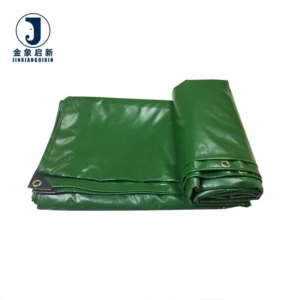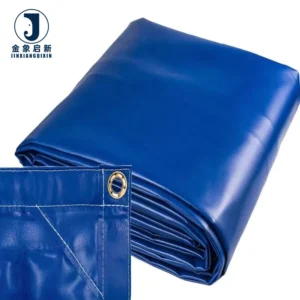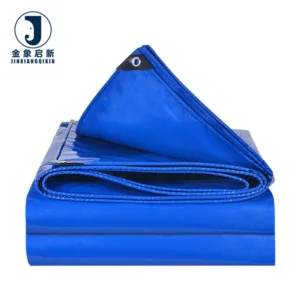
Description
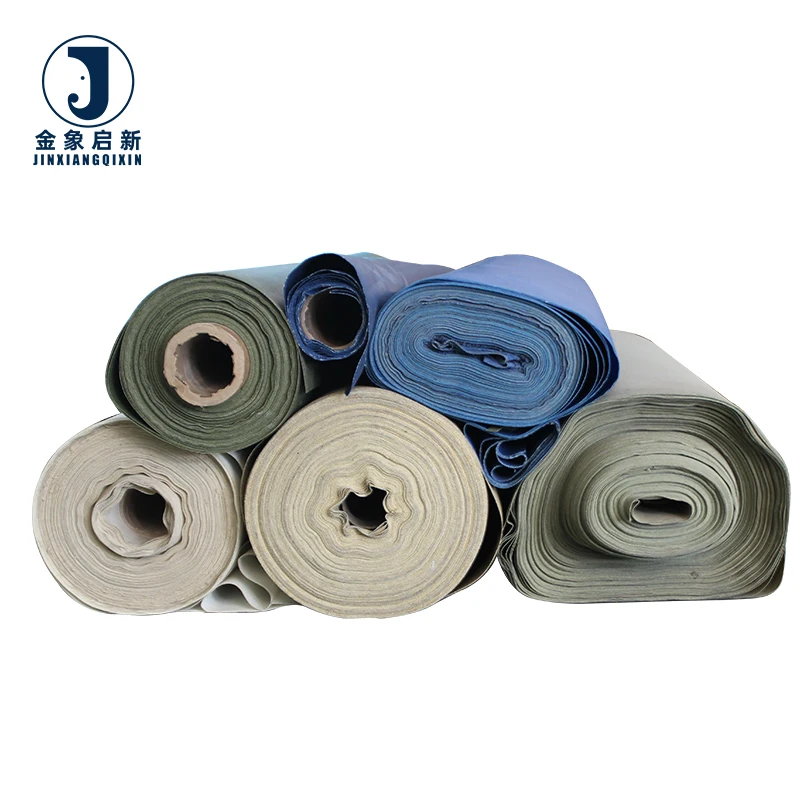
Batch-Verified GSM — Every roll is weighed and recorded before dispatch, ensuring the 520gsm PVC coated tarpaulin fabric you order matches the material on your warehouse floor.
Technical Specifications
| Parameter | Value |
|---|---|
| Product Type | PVC Coated Tarpaulin Fabric |
| Base Fabric | 100% high toughness polyester yarn |
| Coating Material | PVC |
| Coating Technology | Lamination and hot melt coating |
| Weight Range | 400–500 g/m² (medium) / 700–1000 g/m² (heavy) / 1100–1500 g/m² (super heavy) |
| Knitting Density | 500D (medium) / 1000D (heavy) / 500D–2000D (super heavy) |
| Thickness (Medium-duty) | 0.35–0.45 mm |
| Thickness (Heavy-duty) | 0.70–1.0 mm |
| Thickness (Super Heavy-duty) | 1.2–1.5 mm |
| Tensile Strength (Medium) | Warp 1500–2000 / Weft 1200–1800 N/5cm |
| Tensile Strength (Heavy) | Warp 2000–2500 / Weft 1800–2200 N/5cm |
| Tensile Strength (Super Heavy) | Warp 2500–3000 / Weft 2200–2800 N/5cm |
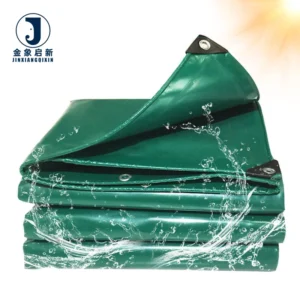
| Waterproof | Yes |
| Cold Resistance | Cold resistant cracking |
| Anti-Mildew | Mold proof |
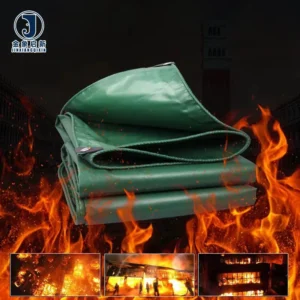
| Key Features | Waterproof, cold resistant, mold proof, anti-static treatment; flame retardant and additional anti-static grades available — confirm the grade required for your market |
| Welding Tear Strength | Excellent (test basis not stated) |
| Weather Resistance | 3–5 years outdoor guarantee (verify against manufacturer catalog) |
| Certifications | ISO, CE |
Application Suitability
| Application | Exposure & Requirement |
|---|---|
| Truck tarpaulin and trailer cover | Continuous road vibration, UV exposure, wind load, tie-down abrasion at edges |
| Side curtain for curtain-sider trailers | Repeated flexing at folds, lateral wind pressure, daily roll-up and unroll |
| Industrial pipe canopy | Outdoor weathering, water pooling, UV exposure, chemical dust |
| Engineering protective cloth | Abrasion from construction debris, puncture risk, long-term sun exposure |
| Tensioned structural fabric | Sustained biaxial tension, UV and rain cycling, wind-driven flutter |
| Inflatable and membrane structure | Air-pressure load, repeated inflation cycles, UV and temperature fluctuation |
Why Roll Stock Buyers Lose Money on GSM Drift
The quoted weight rarely survives the container voyage without verification built into the production process.
PVC coated tarpaulin fabric ordered at a specific GSM often arrives lighter than the purchase order states. When you are buying by the roll for redistribution or manufacturing, a shortfall across an entire container translates directly into thinner material reaching your customers. This problem compounds when rolls are cut and resold — your downstream buyers measure the fabric and find it below the label claim [NEED_CITE: pre-shipment weight verification methods for coated fabric rolls].
How Coating Process Control Maintains Roll-to-Roll Consistency
The hot melt coating technology used on this PVC coated tarpaulin fabric range applies the PVC layer under controlled temperature and pressure across the full web width. Lamination technology bonds the coating to the high-toughness polyester base, creating adhesion that holds through welding and sustained flexing. Roll-to-roll GSM consistency depends on how tightly the coating line manages feed rate and temperature — variation at either point produces weight drift that only shows up when you weigh the finished roll.
What Batch Colour Matching Means for Multi-Roll Orders
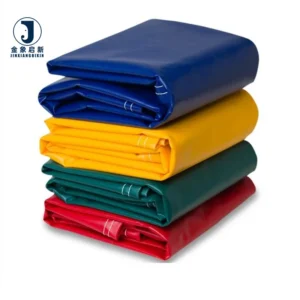
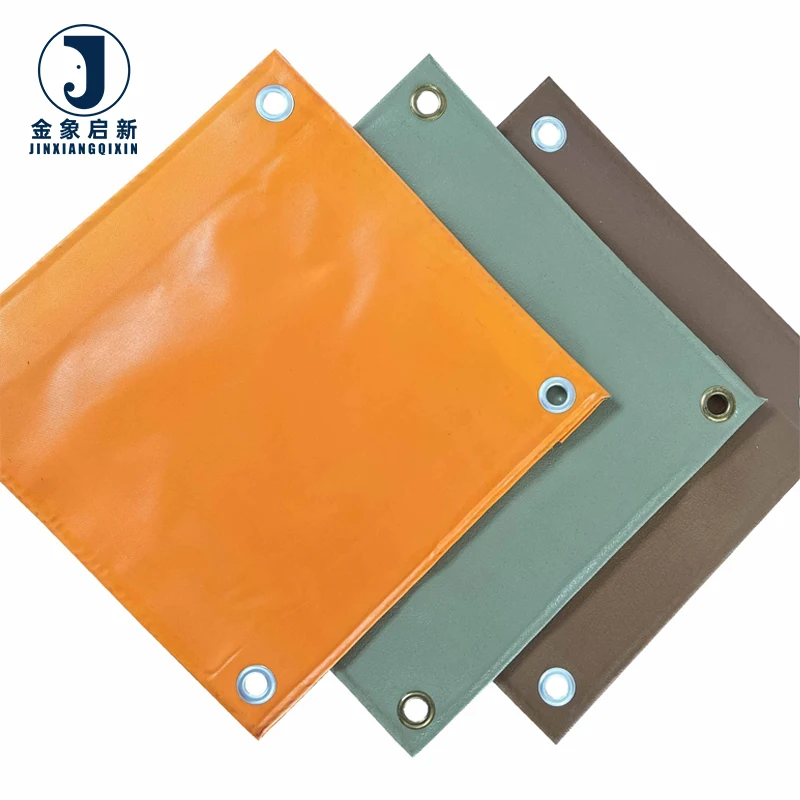
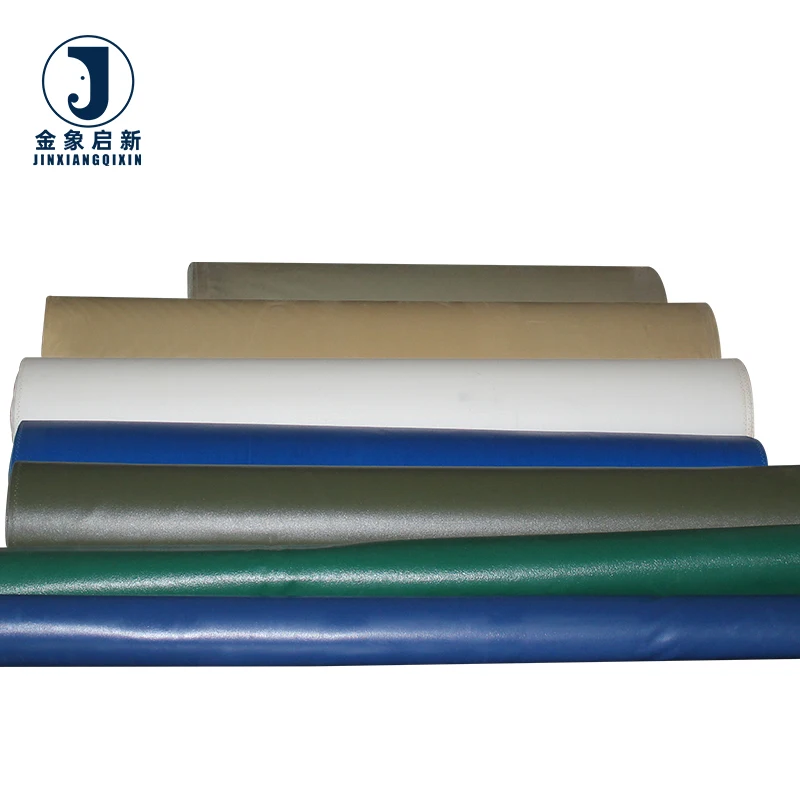
When several rolls from the same PVC coated tarpaulin fabric order are unrolled side by side on a fabrication floor, any colour drift between batches becomes immediately visible. This is not a cosmetic issue for distributors — your customers return material that does not match across panels. Colour consistency must be controlled at the coating line through matched pigment batches and monitored through every production run [NEED_CITE: colour fastness test standards for PVC coated textiles].
Decoding the GSM and Denier Relationship
GSM alone does not determine how the fabric performs under load. A 500D base fabric at 500 g/m² behaves very differently from a 1000D base at the same weight — the heavier yarn in the warp and weft distributes tensile stress across fewer but stronger filaments, while a denser weave spreads the load and improves tear propagation resistance. The hot melt coating process adds weight but also determines how well the PVC penetrates the yarn structure. Insufficient penetration leaves the coating sitting on the surface, prone to delamination at weld seams. The three duty tiers in this range — medium at 0.35–0.45 mm, heavy at 0.70–1.0 mm, and super heavy at 1.2–1.5 mm — each pair a specific base denier with a coating weight matched to the intended stress profile. Choosing between them requires knowing whether the fabric will face sustained biaxial tension or repeated fold-line flexing.
The Hidden Cost of Specifying on Price Per Kilogram Alone
When roll stock is sourced on the cheapest per-kilogram basis, the coating layer is often the first place material gets removed. Thinner coating reduces weld seam integrity — the joint fails before the body of the fabric does, typically at the point where a truck cover flexes most over the load. For distributors, this means warranty claims on covers that have not yet seen a full season of use. Similarly, flame retardant or anti-static treatment added without a verified grade can result in material that fails site inspection at a mining or construction project [NEED_CITE: flame retardant classification systems for industrial textiles].
Why Sourcing PVC Coated Tarpaulin Fabric Here Reduces Procurement Risk
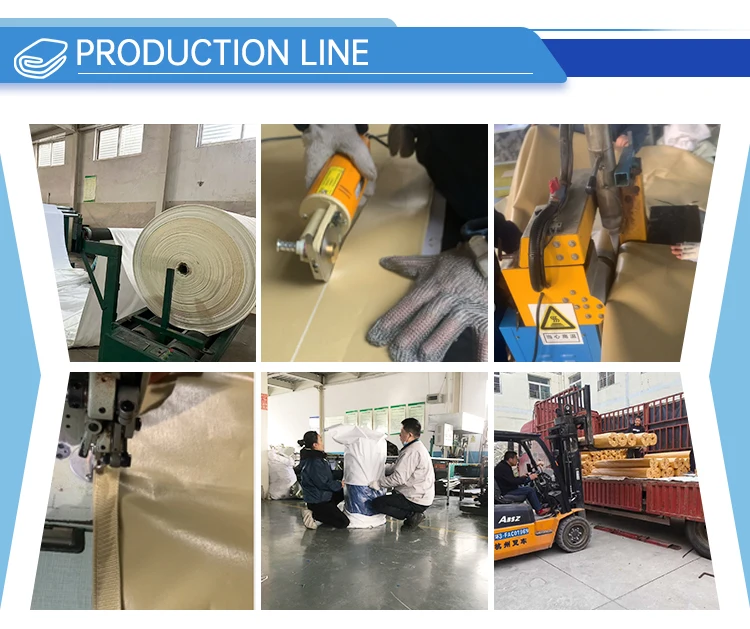
Three full production lines and 36 sets of professional equipment support container-load roll orders with maintained lead times across GSM grades. A dedicated 10-person R&D team develops samples within days when you need a specific width, colour, or treatment grade confirmed before committing to bulk. Every roll undergoes in-process quality checks with a full pre-shipment inspection recorded before loading. Nearly 30 years of coated fabric production has built process control over coating weight and adhesion that shows up in weld performance on your fabrication floor. Custom widths and pattern printing are available with minimums and lead times confirmed at the quotation stage.
Documentation & Verification
- Material specification sheet listing confirmed GSM, base fabric denier, and coating method per roll
- Weight verification record for each roll checked against the purchase order GSM before dispatch
- UV and flame retardant test reports supplied where the grade has been specified and confirmed
- Roll packing list with roll count, net weight, and colour reference per item
- ISO and CE certificates included with shipment documentation
- Certificate of origin and customs documentation for destination market clearance
Fabrication, Handling & Storage
- Hot-air welding parameters should be set to match the PVC coating thickness — medium-duty 0.35–0.45 mm requires lower heat input than super heavy-duty 1.2–1.5 mm grades
- Store rolls upright on pallets in a dry, shaded area to prevent flat-spot deformation on the coating surface
- Allow cold-stored rolls to reach ambient temperature before unrolling to avoid cracking the cold-resistant PVC layer
- Cut patterns should account for the fabric width to minimise off-cuts and reduce the number of welded seams in the final cover
- Use PVC-compatible cleaners only — solvents can soften the coating and reduce surface colour fastness
- Field repairs on the hot melt coated surface respond well to PVC patch welding using matching material from the same GSM grade
Preparing Your Roll Stock Inquiry
When requesting a quotation for PVC coated tarpaulin fabric in roll form, specify the target GSM or duty tier, the required roll width and length, and your annual volume so container loading can be planned. If your end market requires a specific flame retardant or anti-static grade, state the standard your buyers expect. Confirm whether you need stock colours or a custom colour match, and whether sample rolls are needed before the bulk order is placed.
Frequently Asked Questions
Q: How do I verify GSM matches the quotation when rolls arrive?
A: Cut a measured sample from each roll and weigh it on a calibrated scale. The supplier provides a pre-shipment inspection record showing the verified weight per roll, which gives you a baseline to compare against your own measurement. Any discrepancy can be raised against the dispatch documentation.
Q: Can I mix different widths and colours in a single container order?
A: Yes. Container loading plans are prepared at the quotation stage, showing roll count and weight for each variant. This lets distributors stock multiple grades in one shipment while maintaining batch traceability per roll.
Q: What is the minimum order per colour or per GSM grade?
A: Minimums depend on whether the colour is a stock option or a custom match, and which duty tier you are ordering. Specific minimums and lead times are confirmed during the quotation process once your colour and grade requirements are stated.
Q: Are test reports supplied for UV and flame retardant treatments?
A: Where a specific UV or flame retardant grade has been confirmed for your order, the corresponding test report is included with the shipment documentation. If your market requires a particular standard, state this at the inquiry stage so the correct treatment and test basis can be matched.
Q: How is colour consistency managed across multiple rolls in one order?
A: Colour matching is controlled at the coating line using matched pigment batches. A reference sample is retained, and roll-to-roll colour is verified before dispatch. This ensures that when multiple rolls are fabricated side by side, panel-to-panel colour remains consistent.