Description
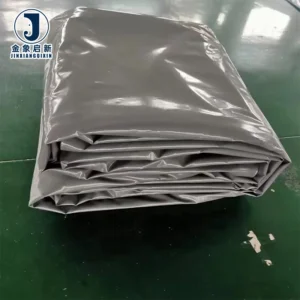
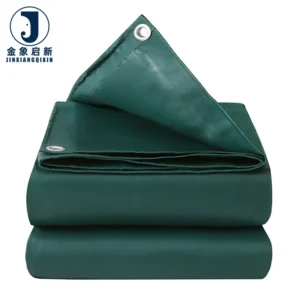
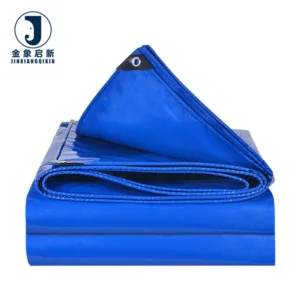
Deep Process Control — three full production lines maintain tight GSM tolerance and roll-to-roll colour uniformity, verified at every stage before dispatch for bulk PVC coated tarpaulin roll orders.
Technical Specifications
| Parameter | Value |
|---|---|
| Product Type | PVC Coated Tarpaulin Fabric Roll |
| Material | 100% high toughness polyester yarn with PVC coating |
| Manufacturing Technology | Lamination and hot melt coating |
| Thickness | 0.35–1.5 mm |
| Weight | 400–1500 g/m² (multiple grades available — confirm grade for your application) |
| Knitting Density | 500D – 2000D |
| Tensile Strength (Warp) | 1500–3000 N/5cm |
| Tensile Strength (Weft) | 1200–2800 N/5cm |
| Surface Finish | Glossy / Matte (available in both — confirm preference per project) |
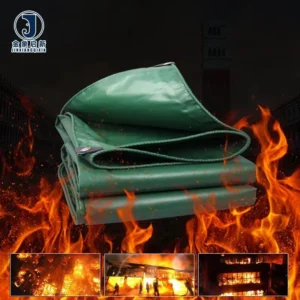
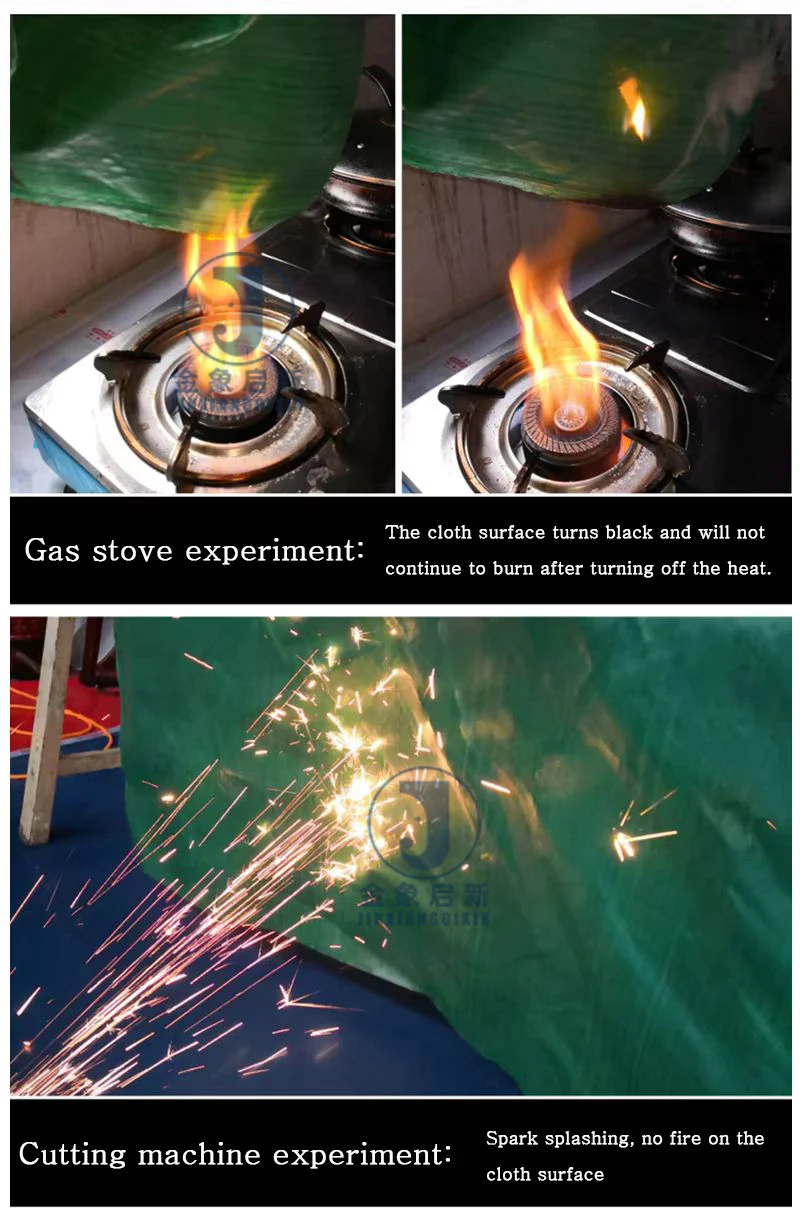
| Flame Retardant | Available in flame retardant grades — confirm the grade required for your market |
| Anti-Static | Available with anti-static treatment — surface resistance standard to be confirmed |
| UV Treatment | Anti-UV treatment applied — test basis to be confirmed per grade |
| Cold Resistance | Cold resistant cracking |
| Anti-Mildew | Mold proof |
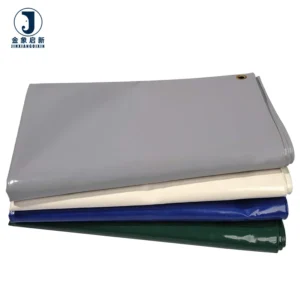
| Color | Customizable |
| Custom Options | Custom width, length, colour, and printing available |
| Standards | ISO, CE |
Application Suitability
| Application | Exposure & Requirement |
|---|---|
| Membrane structures | Constant tensile load, UV exposure, wind-driven rain, structural fire compliance |
| Stadium roofs | Long-span tension, solar heat buildup, drainage loads, public safety fire codes |
| Tensioned structural fabrics | Biaxial stress, dynamic wind uplift, welded seam integrity |
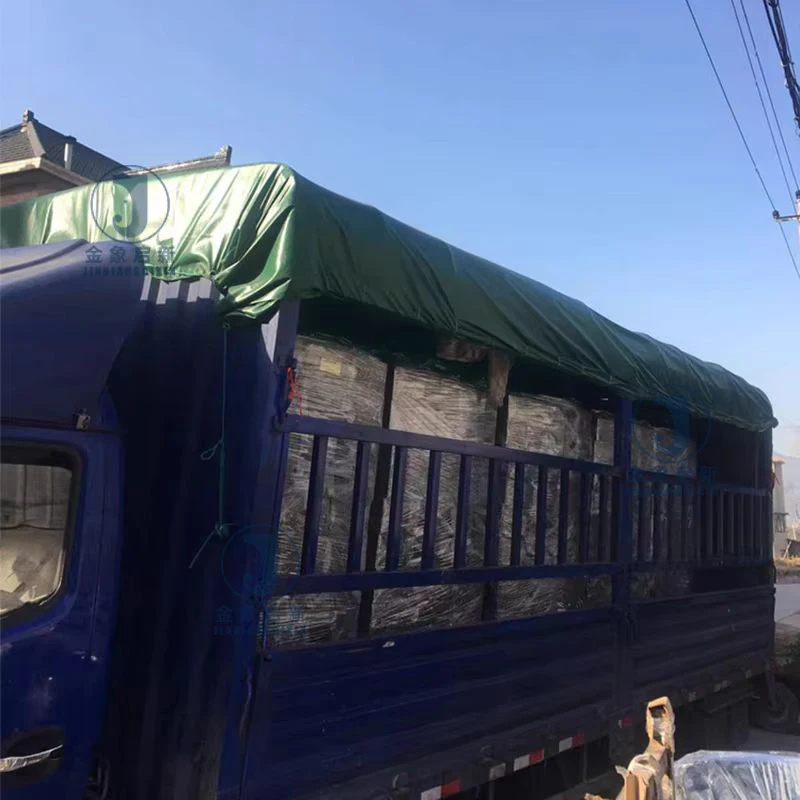
| Truck tarpaulins | Road abrasion, flex fatigue at tie-down points, weather and UV exposure |
| Heavy truck covers | High mechanical stress, frequent folding, puncture risk from cargo edges |
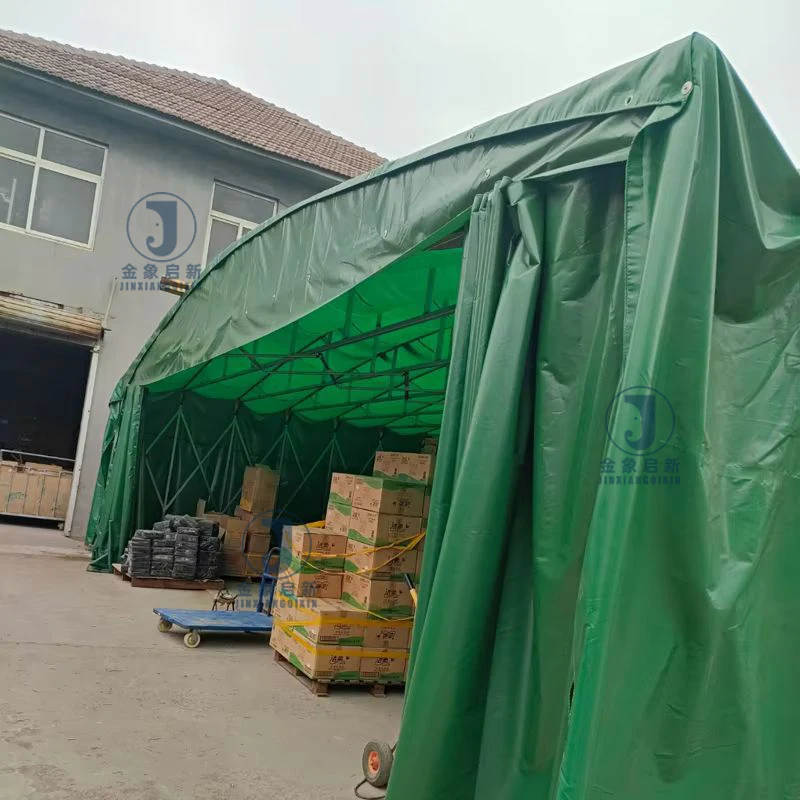
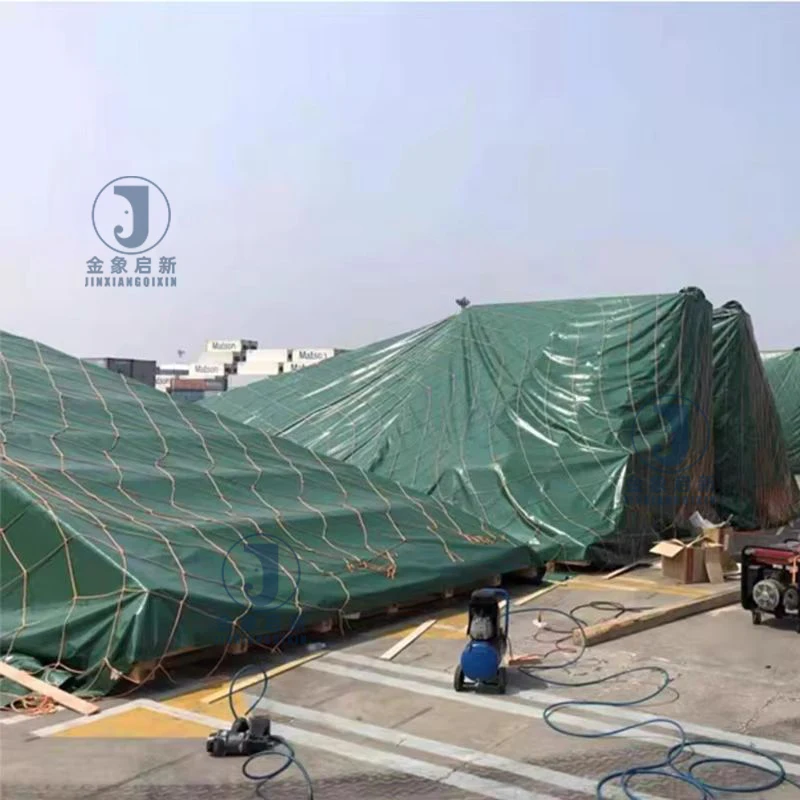
| Engineering protective cloth | Site dust, chemical splash, mechanical abrasion, temporary weather enclosure |
| Industrial pipe canopies | Heat reflection, moisture ingress, chemical environment, long-term outdoor exposure |
Why Roll-to-Roll Consistency Matters More Than the Quoted GSM for PVC Coated Tarpaulin Roll Buyers
A stated GSM on paper means nothing if the roll that arrives is lighter than the sample you approved.
Wholesale buyers ordering PVC coated tarpaulin roll containers face a recurring problem: the material specification sheet says one weight, but the actual roll delivered weighs less. This gap erodes tensile strength, reduces weld tear performance, and shortens service life under tension. [NEED_CITE: tensile and tear test methods for coated fabrics per ISO 1421] When multiple rolls are installed side by side on a membrane structure or stadium roof, even minor weight variation between batches translates into visible performance differences at the seams. Jinxiang addresses this through 100% pre-shipment inspection with documented GSM verification on every roll before it leaves the factory floor.
Maintaining Batch Uniformity Across Mixed-Grade Container Loads
Distributors and importers often consolidate different GSM grades into a single container — lighter weights for temporary covers, heavier grades for tensioned architecture. The risk is that colour and weight drift between production runs, especially when rolls are manufactured weeks apart. Each PVC coated tarpaulin roll in a Jinxiang batch is tracked through in-process QA checkpoints that monitor coating weight, base fabric tension, and surface finish. This means a 650 GSM natural white and an 1100 GSM charcoal grey can ship in the same container while each meeting its own specification within tolerance. Buyers receive a roll packing list that maps every roll to its batch record.
Coating Adhesion and Weld Performance Under Structural Tension
Hot melt coating and lamination technology create a bond between the PVC layer and the polyester base fabric that resists delamination under sustained biaxial stress. For membrane structures and stadium roofs, the welded seams carry the same tensile loads as the fabric body — and weld tear strength depends directly on coating adhesion quality. [NEED_CITE: welding tear strength requirements for architectural membrane fabrics] Lamination produces consistent coating penetration into the base weave, which supports reliable heat welding parameters across the full roll length. Fabricators report that inconsistent coating thickness causes welds to fail at the seam before the fabric itself reaches its load limit.
Reading the Specification Sheet: What GSM, Denier, and Coating Method Actually Determine Together
A common misconception is that higher GSM automatically means stronger fabric. In reality, tensile and tear performance depends on the combination of base fabric denier, knitting density, and how the PVC coating interacts with the yarn structure. A 500D base with tight weave and hot melt coating can outperform a heavier roll built on a looser 1000D grid with poor coating penetration. The lamination process forces PVC into the interstices of the weave, locking yarns in place and improving both tensile stability and weld tear resistance. Surface finish — glossy or matte — also plays a functional role: glossy surfaces shed dirt and water more readily, which matters for stadium roofs exposed to years of weathering, while matte finishes reduce glare on architectural installations. [NEED_CITE: coating adhesion and peel strength test methods for PVC laminated fabrics] Thickness range from 0.35 to 1.5 mm corresponds to the weight grade selected, with heavier grades providing the dimensional stability required for large-span tensioned structures.
The Hidden Cost of Specifying on Price Per Kilogram Alone
When procurement decisions focus on cost per kilogram rather than verified GSM and coating adhesion, the consequences surface after installation. Rolls that arrive lighter than specified show reduced puncture resistance at cargo contact points and lower tear propagation resistance at welded seams. Colour variation between rolls from different batches becomes visible on a stadium canopy once panels are tensioned side by side, forcing costly panel replacement. Anti-UV or flame retardant treatments claimed without supporting test reports leave the buyer exposed when the project inspector requests documentation. [NEED_CITE: fire classification standards for tensile membrane structures in public venues] These failures are not material defects — they are specification verification gaps that can be closed with proper pre-shipment documentation.
Why Wholesale Buyers Source PVC Coated Tarpaulin Roll Stock Here
Three full production lines with 36 sets of professional equipment support bulk volume with consistent on-time delivery, so container schedules stay on track. A dedicated 10-person R&D team handles material selection, custom width and colour development, and sample production before any bulk run begins. Every PVC coated tarpaulin roll passes through QA at each production stage, with 100% inspection before shipment — not a sampling protocol, but a roll-by-roll check. Custom sample development is completed within days, allowing buyers to confirm weight, colour, and surface finish before committing to a full container order. The documentation package shipped with each order includes material specification sheets, pre-shipment inspection records, and certificates of origin, giving buyers the paperwork needed for customs clearance and project compliance.
Documentation & Verification
- Material specification sheet stating exact GSM, base fabric denier, and coating weight per roll batch
- Pre-shipment inspection record confirming GSM and colour match against the approved sample
- Roll packing list with individual roll count, net weight, and container loading plan
- ISO and CE certificates included with every dispatch for regulatory compliance
- Certificate of origin provided for customs clearance in destination markets
- UV and flame retardant test reports available upon request — confirm grade required for your project
Fabrication, Handling & Storage
- Hot weld at temperature and speed matched to the specific GSM grade and coating method selected
- Store rolls upright on pallets in a dry environment to prevent edge crushing and permanent creasing
- Unroll in temperatures above 5°C to avoid cold cracking, especially on heavier grades above 1000 GSM
- Clean glossy surfaces with mild detergent; avoid solvents that degrade the PVC coating bond
- Allow welded seams to cool fully under pressure before applying any tensile load to the joint
- Plan cutting layout to maximise roll width utilisation and minimise transverse welds on tensioned panels
How to Structure Your PVC Coated Tarpaulin Roll Inquiry
To receive an accurate specification recommendation and sample, share the end-use application and exposure conditions — whether the fabric will serve a tensioned membrane roof, a truck side curtain, or an industrial protective cover. Specify the target market and any fire safety or anti-static compliance requirements that apply to your project. Indicate the roll width, colour, and annual volume you need, along with whether you require raw roll stock or custom printing and cut sizes. A short sample run can be arranged for your approval before bulk production starts.
Frequently Asked Questions
Q: How do I verify the GSM weight of each PVC coated tarpaulin roll when it arrives?
A: Jinxiang provides a pre-shipment inspection record documenting the measured GSM for every roll in your order. You can cross-check on arrival using a calibrated scale and a standard sample cutter. The material specification sheet included in the shipping documentation states the target GSM and the acceptable tolerance band for your selected grade, giving you a clear pass-or-fail reference.
Q: What GSM weight is needed for membrane structures versus truck covers?
A: Membrane structures and stadium roofs typically require heavier grades in the upper range to sustain long-term tensile loads and meet structural fire codes. Truck tarpaulins and transport covers often use mid-range grades that balance flexibility with puncture resistance. Share your specific span dimensions and load calculations so the correct grade can be recommended and sampled before bulk production.
Q: How is roll-to-roll colour consistency controlled across a large order?
A: Each production batch is tracked by dye lot, and in-process QA checks colour against the approved reference sample at multiple stages. When multiple rolls are destined for the same installation, they are grouped within the same dye lot to eliminate visible variation once panels are tensioned side by side. A side-by-side comparison guarantee is provided for all rolls within a confirmed batch.
Q: What flame retardant and anti-static certifications can you provide for my market?
A: Flame retardant and anti-static treatments are available across the product range, but the specific grade and test standard must match your destination market’s building or safety code. Share your compliance requirement — such as the fire classification standard for public venues — and the relevant test report will be confirmed and included with your shipment documentation package.