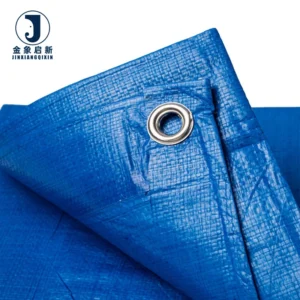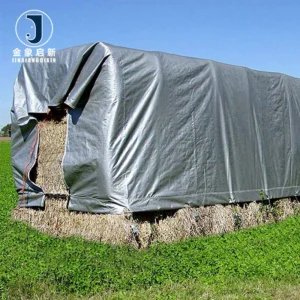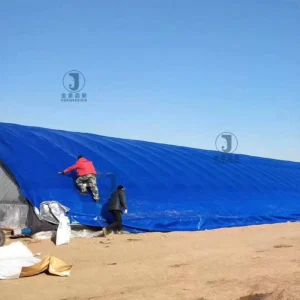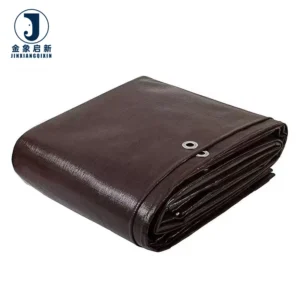
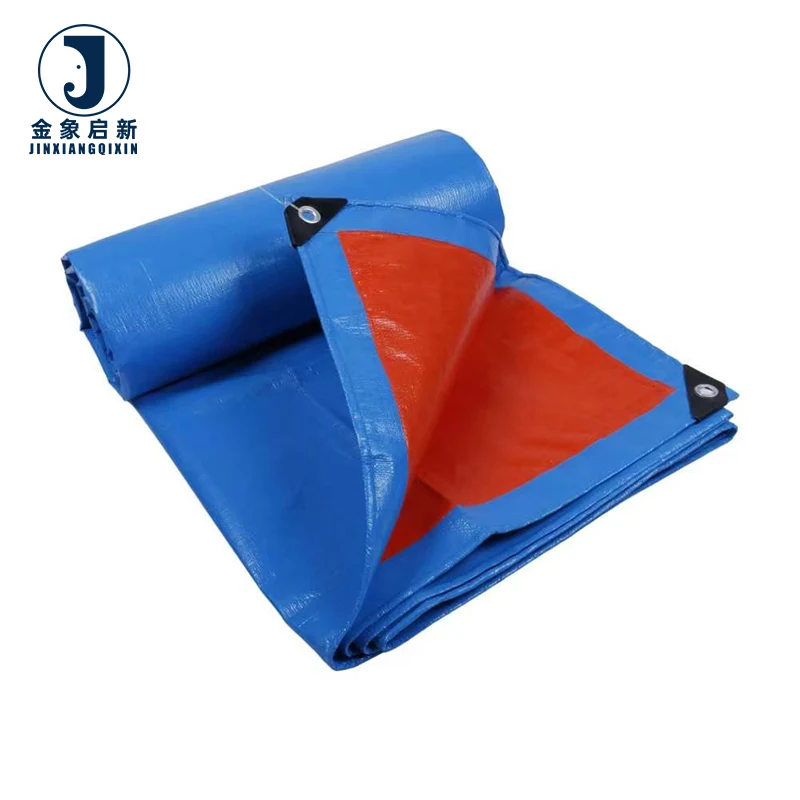
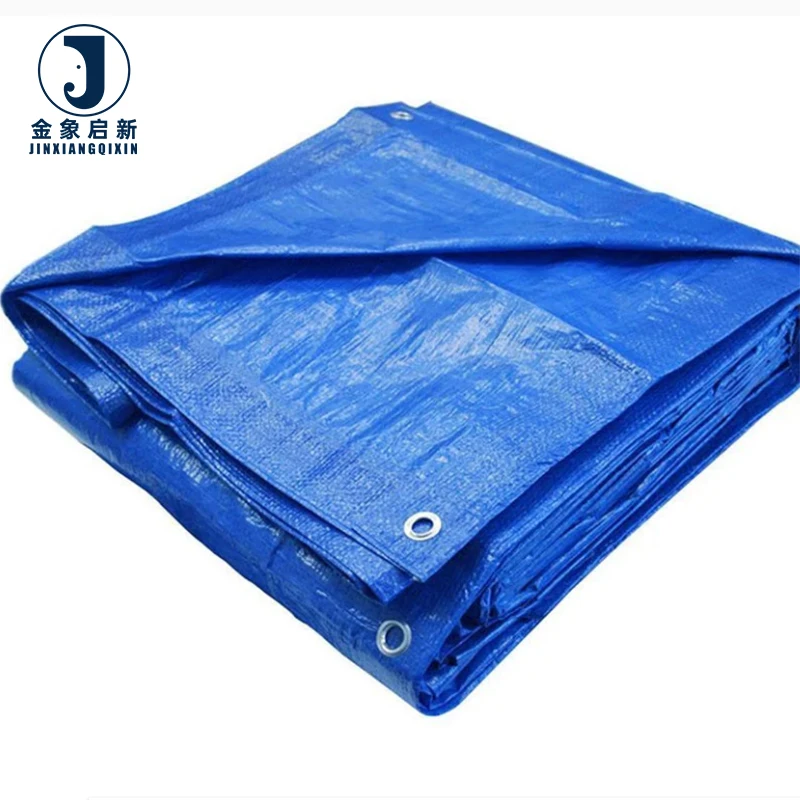
Description
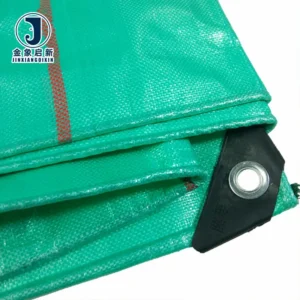
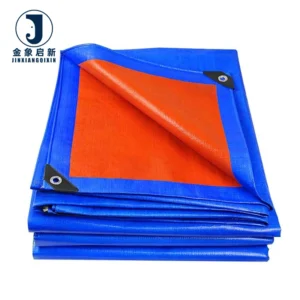
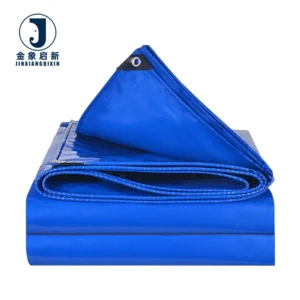
Batch Consistency Guaranteed — Every PE tarpaulin roll undergoes dedicated QA/QC inspection at each production stage, ensuring uniform colour, weight, and finish across your entire wholesale order.
Technical Specifications
| Parameter | Value |
|---|---|
| Product Type | PE Tarpaulin |
| Material | Polyethylene (PE) |
| Weave Construction | Plain Weave |
| Key Features | Waterproof, Mildew-Proof, UV Resistant (test basis not stated in source) |
| Construction Grade | Heavyweight |
| Customizable Sizes | Available |
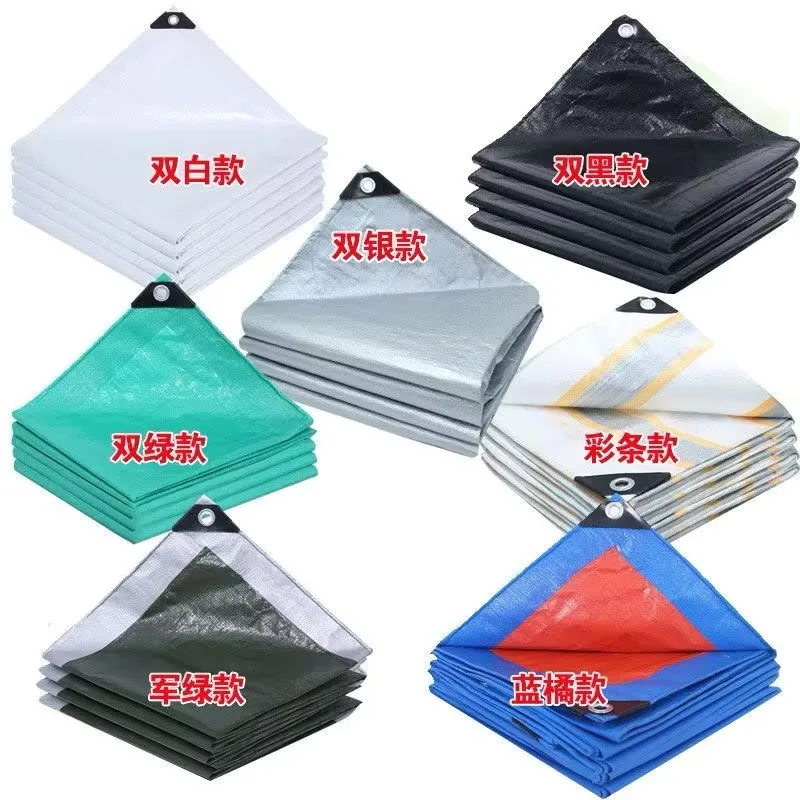
| Customizable Colors | Available |
Application Suitability
| Application | Exposure & Requirement |
|---|---|
| Tarpaulin Distribution & Resale | High volume sourcing, consistent roll-to-roll quality for retail or sub-distribution |
| Agricultural Pond Liners | Permanent water immersion, soil chemistry resistance, puncture prevention |
| Outdoor Event & Ceremony Roofing | Weather exposure, rapid deployment, uniform visual appearance across panels |
| Stock and Equipment Covering | UV degradation prevention, moisture ingress blocking, mildew avoidance in humid storage |
| Aquaculture & Fish Farming | Water retention, chemical resistance, long-term submersion stability |
Why Colour Varies Between Rolls in the Same PE Tarpaulin Order
Colour inconsistency across rolls in a single shipment is a symptom of uncontrolled pigment dosing and inconsistent base resin quality.
When wholesale buyers open a container and find visible shade differences between adjacent rolls, the entire batch becomes difficult to sell or install side by side. This problem typically originates from multiple resin batches being blended without strict colour matching protocols, or from masterbatch dispersion varying between production runs. For importers and distributors, this translates into customer complaints, partial returns, and damaged reputation [NEED_CITE: common causes of batch-to-batch colour variation in extruded PE fabrics]. The PE tarpaulin roll stock supplied here is produced under a unified pigment formulation per order, with in-process colour checks at the extrusion stage.
Maintaining Roll-to-Roll Uniformity at Scale
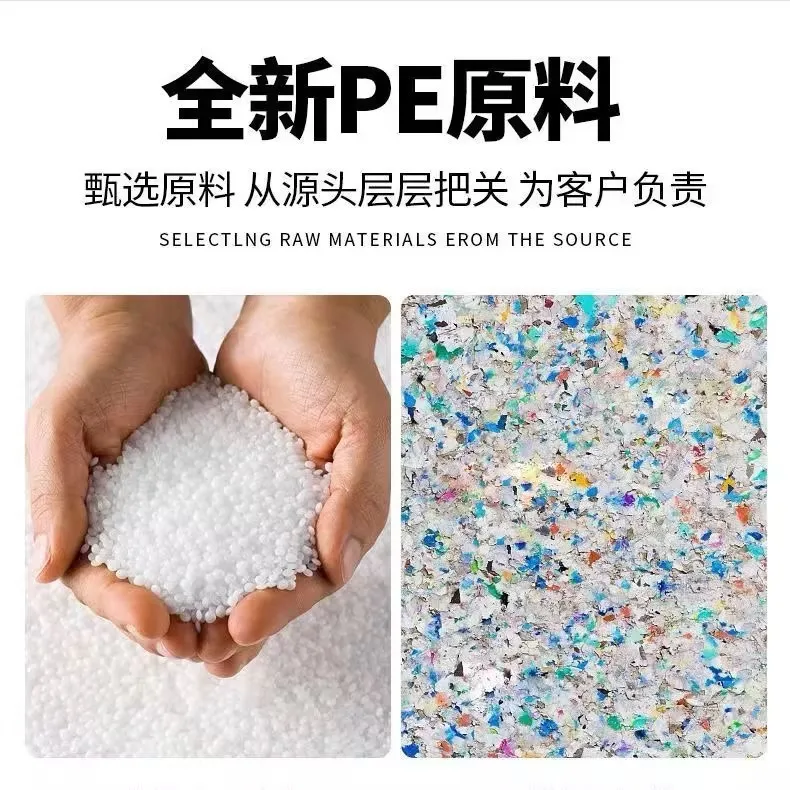
Sourcing PE tarpaulin by the roll for wholesale distribution demands predictable quality across every unit in the container. Batch consistency begins with resin sourcing — when the base polyethylene comes from a single certified lot, the foundation for uniform colour and mechanical behaviour is established. Our 10-person R&D team locks the formulation at the sampling stage, and this reference is carried through to full production without deviation.
Each roll is inspected before packing against the approved sample, checking not only colour but also surface finish, thickness uniformity, and edge alignment. This protocol matters most when your customers install multiple panels adjacent to one another at event venues or use sequential rolls for retail cutting [NEED_CITE: quality control methods for PE woven tarpaulin production].
How Stock Widths and Roll Lengths Affect Your Container Load
Buying PE tarpaulin wholesale means optimizing container space against your market’s most requested sizes. Standard stock widths are available across a range suitable for both retail cutting and direct industrial use. The way rolls are wound — core diameter, tension, and wrapping — directly affects how many linear metres fit in a 20-foot or 40-foot container.
Roll weight and length are documented on the packing list so you can reconcile container weight limits against actual cargo. For distributors serving construction and agricultural markets, having a predictable roll count per shipment simplifies warehouse planning and downstream order fulfilment. Custom widths are available subject to minimum order quantities that keep production runs economically viable for both parties.
Understanding the Specs That Matter for Wholesale Buyers
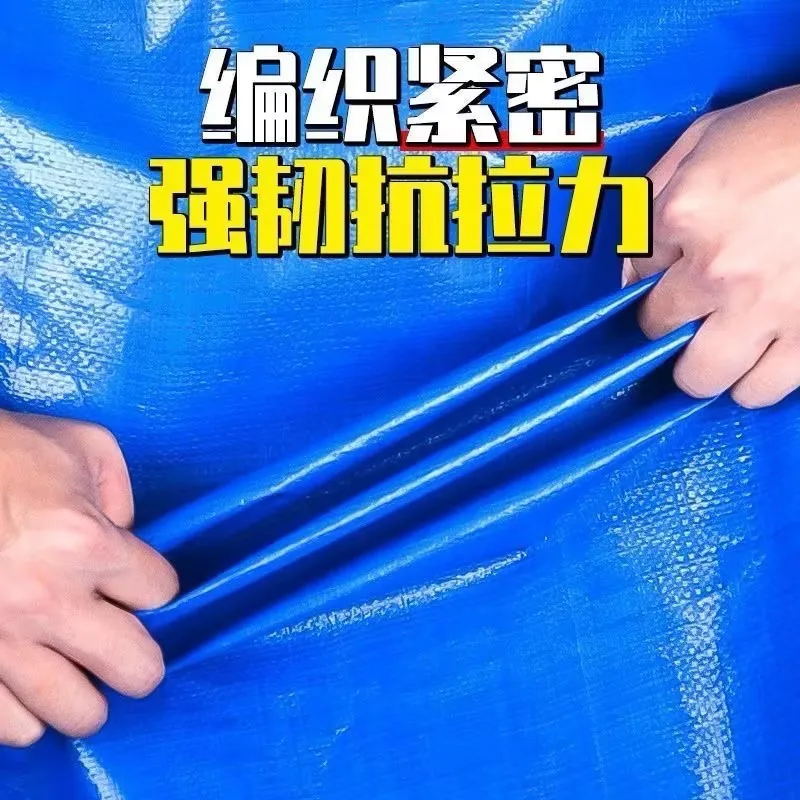
Plain weave construction in PE tarpaulin provides balanced tensile strength in both warp and weft directions, which is important when the fabric is cut into various shapes for resale or end-use. Unlike twill or ripstop weaves, plain weave offers a flat, uniform surface that accepts printing and lamination more consistently — a factor when your downstream customers require branded or coloured sheets.
The waterproof characteristic comes from the PE coating itself, which encapsulates the woven HDPE tape yarn base fabric. This differs from laminated tarps where a separate film is bonded on; coated construction generally provides better edge sealing behaviour during heat welding. Mildew-proof performance is inherent to polyethylene since it does not provide a nutrient substrate for fungal growth, making it suitable for humid storage environments and aquaculture applications without requiring additional biocide treatment.
UV resistance is available — confirm the specific grade required for your market’s climate conditions, as exposure duration expectations vary significantly between tropical and temperate regions. Heavyweight construction indicates a higher GSM range suited to applications demanding greater puncture resistance and longer service exposure, though the exact weight grade should be specified at inquiry to match your customers’ requirements.
The Hidden Cost of Wrong Specification Choices
Ordering PE tarpaulin bulk stock without verifying actual GSM against the quotation is a frequent source of disputes. Material that arrives lighter than agreed may look identical on the roll but will fail earlier under wind load or puncture stress, generating warranty claims that erode your margin. Flame retardant grades claimed without supporting test documentation can cause shipment rejection at customs or project site inspection [NEED_CITE: verification procedures for coated fabric certifications at import].
Colour variance between rolls discovered after container opening forces you to sort, re-grade, or discount inventory — costs that far exceed the price difference of sourcing from a supplier with controlled batch protocols. Specifying the wrong width for your market means excessive trim waste or additional welding seams that compromise the finished product’s integrity and appearance.
Why Wholesale Buyers Source PE Tarpaulin Roll Stock Here
Three full production lines and 36 sets of professional equipment support the volume commitments that wholesale orders require, reducing the risk of delayed shipments during peak demand seasons. Nearly 30 years of focused coated fabric production experience means the process parameters for PE extrusion, weaving, and coating are well-established rather than experimental.
Dedicated QA/QC at every production stage catches deviations before rolls reach the packing line, not after. Samples for custom colours or widths are developed within days, allowing you to confirm appearance and hand-feel before committing to a full container order. The 10-person R&D team handles formulation adjustments and sample development directly, avoiding the communication delays that occur when sales and production operate in separate silos.
Documentation & Verification
- Material specification sheet stating GSM, base fabric weave, and coating type per roll batch
- Pre-shipment inspection record confirming colour and weight consistency across all rolls in order
- Roll packing list with individual roll weight, length, and colour reference for warehouse reconciliation
- Certificate of origin and customs documentation support for smooth import clearance
- Test reports for UV resistance and other treatments where applicable to the specified grade
Fabrication, Handling & Storage
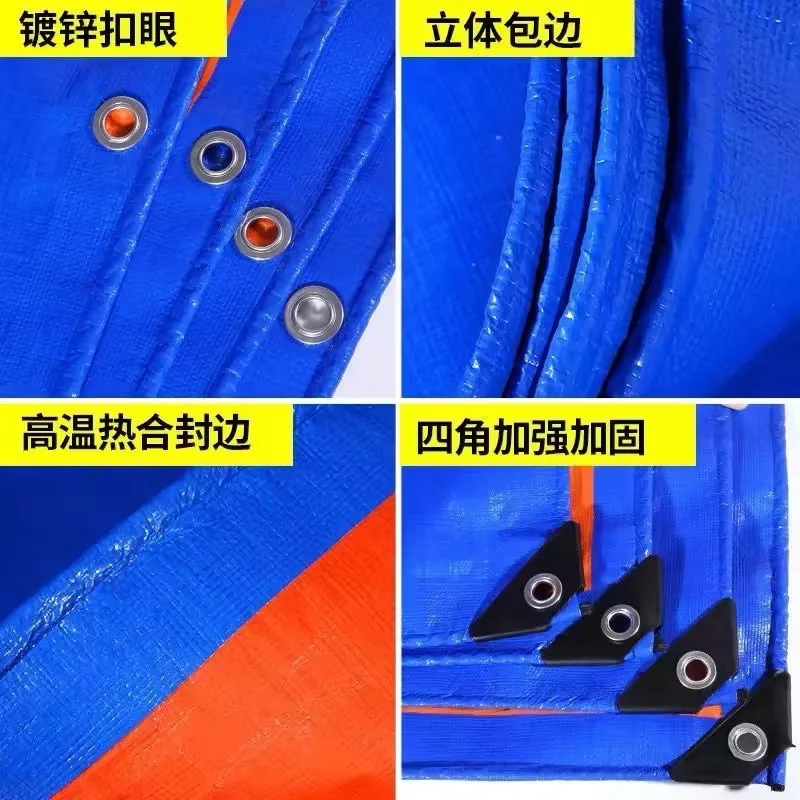
- Heat welding parameters should be tested on sample pieces first, as PE coating thickness affects optimal temperature and dwell time
- Store rolls upright on pallets in shaded warehouse areas to prevent flat-spot deformation of the PE woven structure
- Avoid dragging heavyweight PE tarpaulin rolls across concrete floors to prevent surface abrasion on outer wrap layers
- Cut sheets with hot-knife or sealed-edge methods to prevent woven tape yarn fraying at raw edges
- Clean with mild detergent and soft brush; avoid solvent-based cleaners that may affect the PE coating surface
- Allow rolls to acclimatize to ambient temperature before unrolling in cold conditions to prevent stiff-handling creases
What to Include in Your PE Tarpaulin Inquiry
Provide your target width, roll length preference, and estimated annual volume so we can match production scheduling to your replenishment cycle. Specify the end-use applications your customers serve — this determines whether heavyweight construction or a lighter grade is more appropriate.
If custom colour is required, send a Pantone or physical sample for accurate matching. Indicate whether you need rolls only or if cut-to-size sheets with hemming and eyelets are part of your product range. Confirm any treatment requirements such as UV resistance grade so the correct formulation is applied from the first production run.
Frequently Asked Questions
Q: How can I verify the GSM of PE tarpaulin rolls when they arrive?
A: Request a pre-shipment inspection record showing per-roll weight measurements. Upon receipt, cut a measured sample from the roll edge and weigh it on a calibrated scale to calculate actual GSM. Compare this against the specification sheet provided with your documentation package. Discrepancies should be reported immediately with photographic evidence before further processing.
Q: How is batch-to-batch colour consistency maintained across large wholesale orders?
A: Colour consistency is controlled by locking the masterbatch formulation at the sampling stage and sourcing base resin from a single certified lot per order. In-process colour checks during extrusion catch deviations early. Each roll is compared against the approved reference sample before packing, ensuring that rolls installed side by side present a uniform appearance to your end customers.
Q: What widths and roll lengths are available for container loading optimization?
A: Standard and custom widths are available to match your market’s requirements. Roll length can be specified to balance handling convenience against container loading efficiency. Our team can calculate the optimal roll count and weight distribution for 20-foot or 40-foot containers based on your selected width and GSM, maximizing your volume per shipment.
Q: What is the minimum order for custom colours or non-standard widths?
A: Minimum order quantities for custom colours depend on the number of production runs required to achieve accurate colour matching. Non-standard widths may require specific loom setups. Request a quotation with your target colour reference and width, and we will confirm the minimum viable quantity alongside lead time for sample approval before full production.