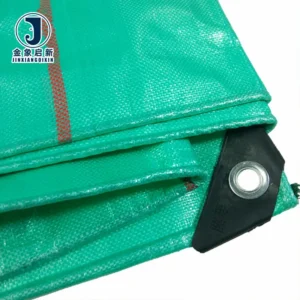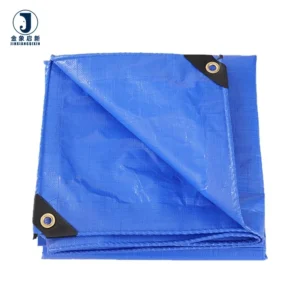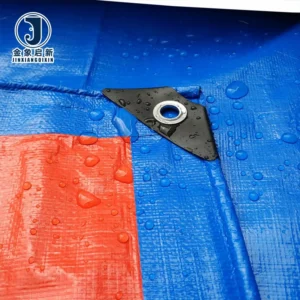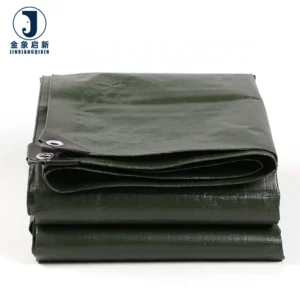
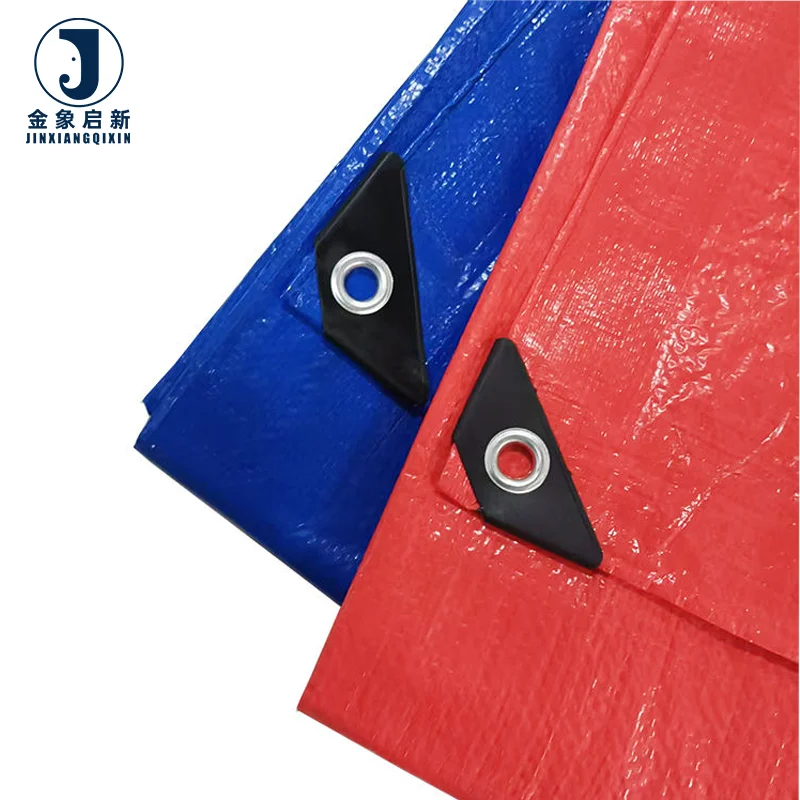
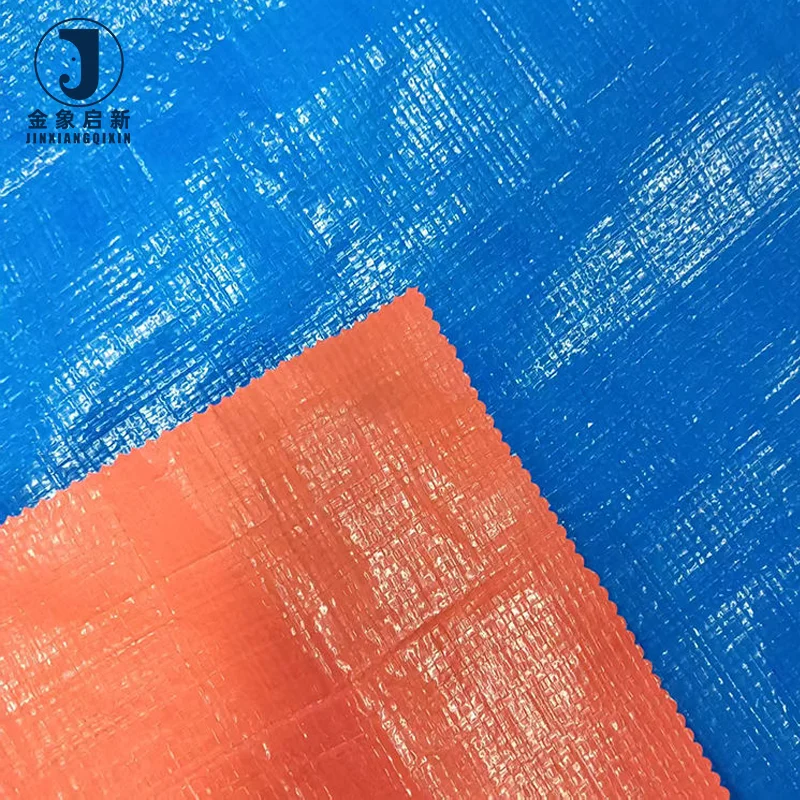
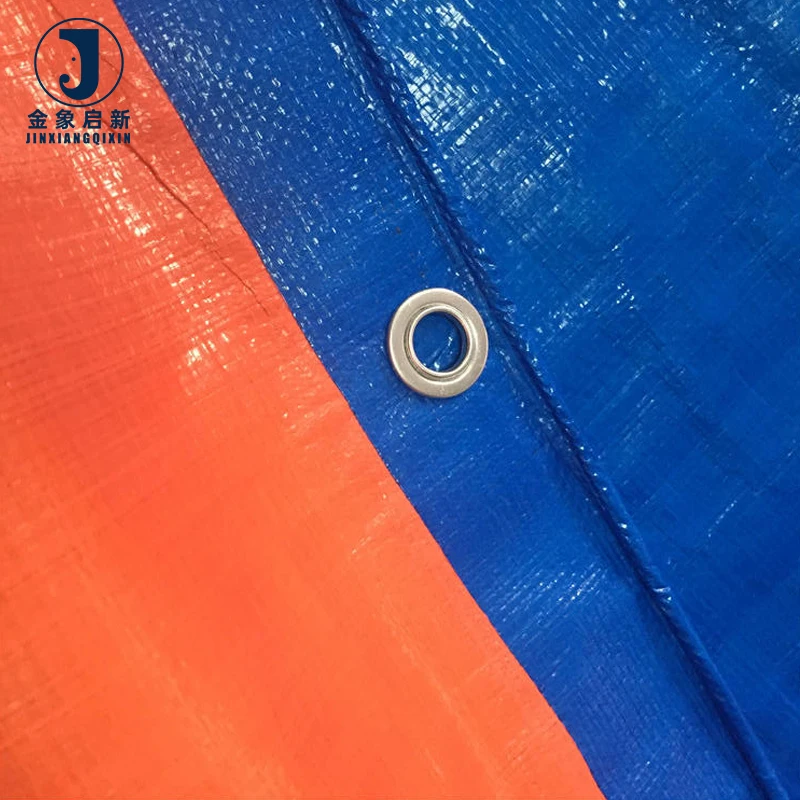
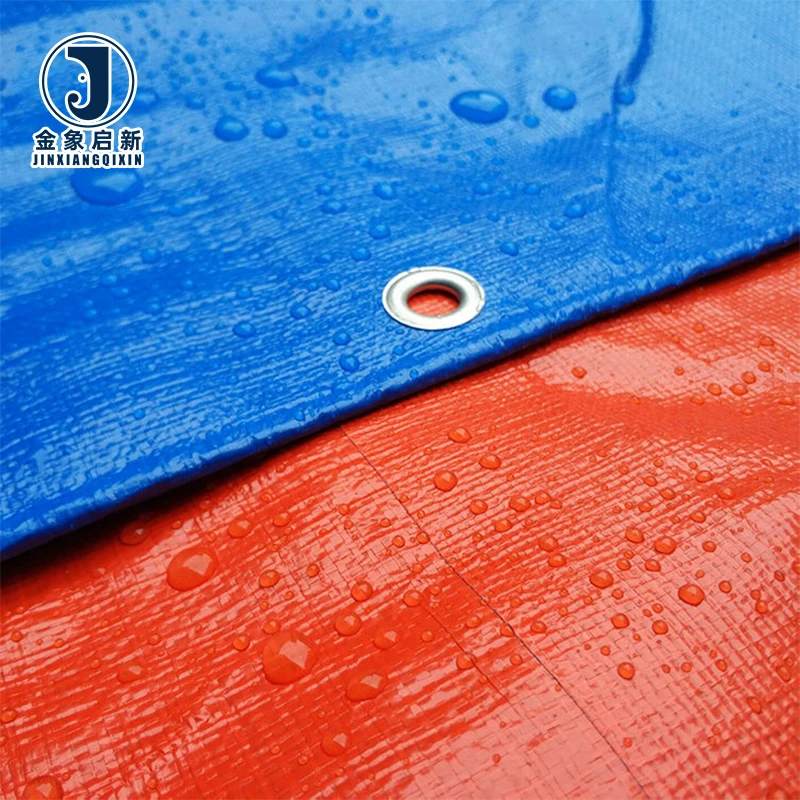
Description
In-process QA on every roll — Weight, weave density, and colour are verified against the batch reference during production so every roll in a container ships within the same tolerance band.
Technical Specifications
| Parameter | Value |
|---|---|
| Product Type | PE Tarpaulin |
| Coating Material | PE |
| Weave Construction | Plain |
| Waterproof | Yes |
| Mildew Resistance | Yes |
| UV Treatment | Yes (test basis not stated in source) |
| Construction Class | Heavyweight |
| Customizable Sizes | Available |
| Customizable Colors | Available |
Application Suitability
| Application | Exposure & Requirement |
|---|---|
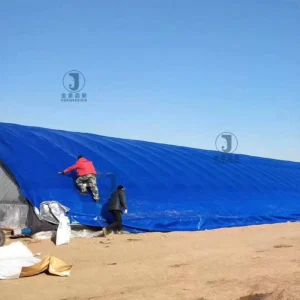
| Outdoor tent and marquee covers | Continuous UV exposure, wind-driven rain, repeated assembly and teardown flexing |
| Vehicle and car covers | Direct sunlight, road dust abrasion, standing water during storage |
| Event canopy and temporary shelter fabric | High foot-traffic environments, weather shifts, fast deployment and pack-down |
| General outdoor waterproof coverings | Prolonged sun and moisture contact, mechanical stress from tie-downs |
Why Roll-to-Roll Colour Drift Is the Buyer’s Biggest Hidden Risk with PE Tarpaulin Roll Wholesale
Colour variation only becomes visible after the material is cut and installed side by side — by which time the container has already cleared customs.
When a distributor sources PE tarpaulin by the roll, the quotation always states one colour code. Yet converters and end users frequently discover that two rolls from the same shipment produce noticeably different shades once panels are placed next to each other on a tent roof or a truck cover. The root cause is uncontrolled pigment dosing or resin batch changes mid-production. [NEED_CITE: coating batch consistency methods for PE woven fabrics]. For wholesale buyers committing full container loads, a single off-colour roll can force the converter to reject an entire cut lot, creating waste, delayed shipments, and charge-backs that far exceed the cost of the roll itself.
Batch-Controlled Production for Consistent Colour and Weight
Maintaining colour uniformity across a multi-roll order starts at the resin compounding stage. Pigment masterbatch must be dosed against the same reference standard for the full run, and extrusion temperatures held within a narrow band to prevent shade shift. Our PE tarpaulin roll wholesale programme assigns a single batch reference to every container order, and in-process QA checks colour against that reference at each roll change. This protocol ensures that a distributor buying twenty rolls of olive green receives twenty rolls that match when laid side by side.
Roll Packing and Container Loading for Volume Buyers
For wholesale importers, how rolls are packed directly affects landed cost and handling efficiency. Each roll is wound on a core, wrapped in protective film, and labelled with batch number, net weight, and roll dimensions so warehouse staff can identify and allocate stock without opening the wrapping. Container loading plans are shared before dispatch, showing roll count per row and total weight, allowing buyers to plan unloading equipment and storage space in advance. [NEED_CITE: standard container loading configurations for PE tarpaulin rolls by width and GSM].
What the Specs Actually Mean for Converters and End Users
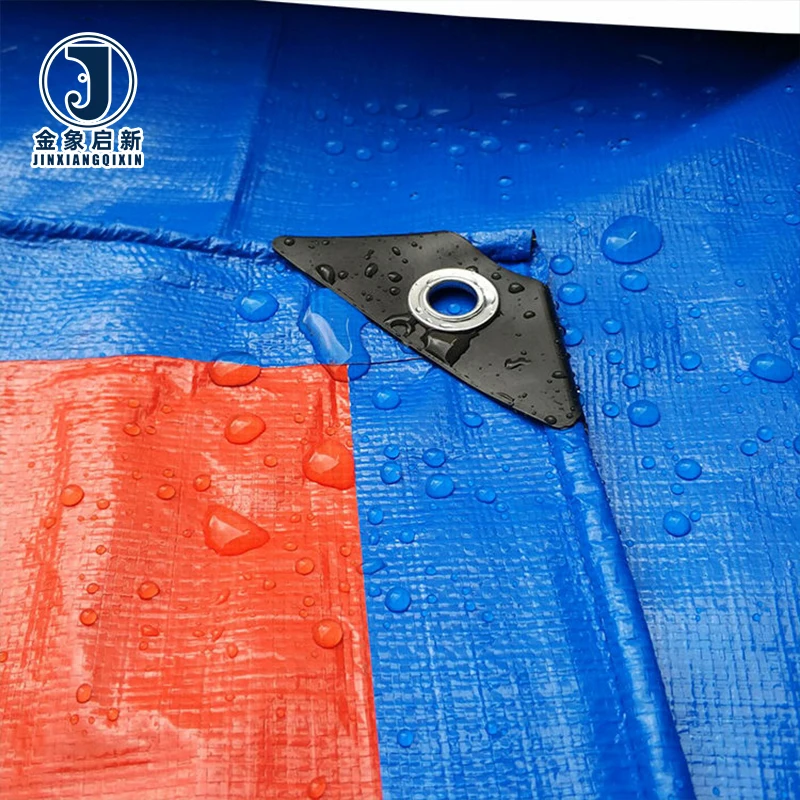
Plain weave construction gives balanced tensile behaviour in both warp and weft directions, which matters when the fabric is cut on the bias for tent panels or curved covers. Unlike ripstop or twill weaves, plain weave distributes load evenly across intersections, reducing the chance that a tear propagates preferentially in one direction. The PE coating applied over this woven base delivers waterproof and mildew-resistant performance, but the actual protection level depends on coating weight and adhesion to the base fabric. UV treatment is available — buyers should confirm the test basis required for their target market before specifying. Heavyweight construction provides the drape and body that converters need for tensioned structures, where lightweight alternatives may sag or flutter under wind load. The availability of custom widths and lengths means a converter can order rolls cut to their panel dimensions, reducing edge waste and the number of welded seams in the finished product.
The Cost of Specifying on Price per Kilogram Alone
Buyers who select PE tarpaulin rolls based solely on the lowest price per kilogram often discover that the material arrives lighter than the stated GSM, with thinner coating that compromises waterproofing and tear strength. Rolls that are underweight in the middle but hit target at the edges pass a simple end-check but fail when the converter cuts the centre panels for tent roofs or pond covers. [NEED_CITE: GSM verification methods for PE tarpaulin at point of receipt]. Mildew-resistant treatment that was not properly applied during coating will only show itself after months of humid storage, by which time the entire inventory is affected. Colour that drifts between rolls — often the result of pigment substitution to cut cost — forces converters to sort and re-match rolls on the production floor, adding labour and delaying deliveries to their own customers.
Why Distributors Source Their Roll Stock Here
Nearly 30 years of coated fabric production gives our team the process knowledge to hold tight tolerances on coating weight and adhesion across long PE tarpaulin roll wholesale runs. Three full production lines and 36 sets of professional equipment provide the capacity to fill container-load orders within agreed lead times, while the 10-person R&D team develops custom colour matches and sample rolls within days rather than weeks. A dedicated QA/QC protocol inspects every roll before it leaves the facility — weight, colour, and weave density are all recorded against the batch reference, not just spot-checked. Samples are produced quickly for buyers evaluating new suppliers, allowing side-by-side comparison with existing stock before any commitment to volume. Documentation accompanies every shipment: material spec sheets, roll packing lists, and certificates of origin are standard, not afterthoughts.
Documentation & Verification
- Material specification sheet confirming GSM, base fabric weave, and PE coating per batch
- Pre-shipment inspection record with roll-by-roll weight verification logged
- Roll packing list detailing roll count, net weight, and container loading plan
- UV and mildew resistance test reports provided where grades are specified
- Certificate of origin and customs documentation included with every dispatch
Fabrication, Handling & Storage
- Heat-seal PE-coated panels at temperatures matched to the heavyweight grade to avoid coating delamination
- Store rolls upright on cores to prevent flat-spot creases across the plain weave base
- Cut panels with allowance for hem fold-back, accounting for the PE coating thickness at seams
- Avoid dragging rolls on concrete floors to protect the outer coating layer from abrasion marks
- Clean finished covers with mild detergent only; solvents can soften the PE coating surface
Share Your Volume and Specification Requirements
To move from inquiry to sample, provide the target GSM range, required roll widths, annual volume estimate, and any colour or print references you need matched. Let us know whether you are converting roll stock in-house or require cut-to-size sheets, and specify any UV or mildew resistance test standards your market demands so we can align the formulation before sampling.
Frequently Asked Questions
Q: How is GSM verified before shipment and what tolerance applies per roll?
A: Every roll is weighed individually during the pre-shipment inspection, and the recorded weight is compared against the stated GSM on the material specification sheet. Rolls that fall outside the agreed tolerance band are flagged and replaced before loading. The inspection record travels with the shipment so you can cross-check on arrival.
Q: How do you control colour consistency across multiple rolls in one order?
A: All rolls in a single container order are produced under one batch reference using the same pigment masterbatch lot. In-process QA checks colour at every roll change against the batch standard. This prevents the shade drift that occurs when pigment is re-dosed mid-run from a different source batch.
Q: What roll widths, lengths, and container loading options are available?
A: Rolls are available in multiple standard and custom widths, with lengths configured to suit your container loading plan. Before dispatch we share a detailed loading diagram showing roll count per row, total weight, and dimensions so your warehouse can plan unloading and storage in advance.
Q: What is the MOQ for custom colour or custom width PE tarpaulin rolls?
A: Custom colours and widths carry minimum quantities that depend on the specific shade and width requested. Provide your colour reference and required width, and we will confirm the minimum alongside a sample roll for approval before any volume commitment is made.
Q: Can you supply UV and mildew resistance test reports matched to the batch?
A: Where UV or mildew resistant grades are specified, test reports are generated for the relevant production batch and included in the shipment documentation. Confirm the test standard your market requires during the inquiry stage so the correct formulation is used from the sampling phase onward.