Description
Bulk Roll Consistency — every PE tarpaulin roll shipped is backed by a pre-shipment inspection record confirming actual coated weight and colour match against the approved sample.
Technical Specifications
| Parameter | Value |
|---|---|
| Product Type | PE Tarpaulin |
| Material | Polyethylene |
| Weight (GSM) | 40g~500g/m² (confirm the grade for this item) |
| Thickness | 0.18-0.35 mm |
| Knitting Density | 8×8 / 10×10 / 12×12 |
| Mesh Count | 5×5~20×20 |
| Tensile Strength (N/5cm) | Meridian 300-1200 / Latitude 250-1000 |
| Center To Center Spacing | 39.4 Inches |
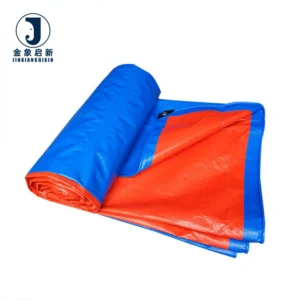
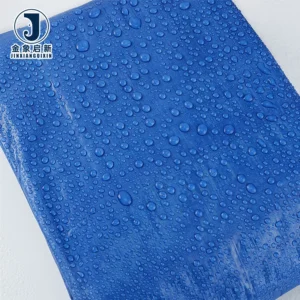
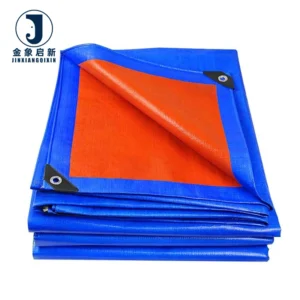
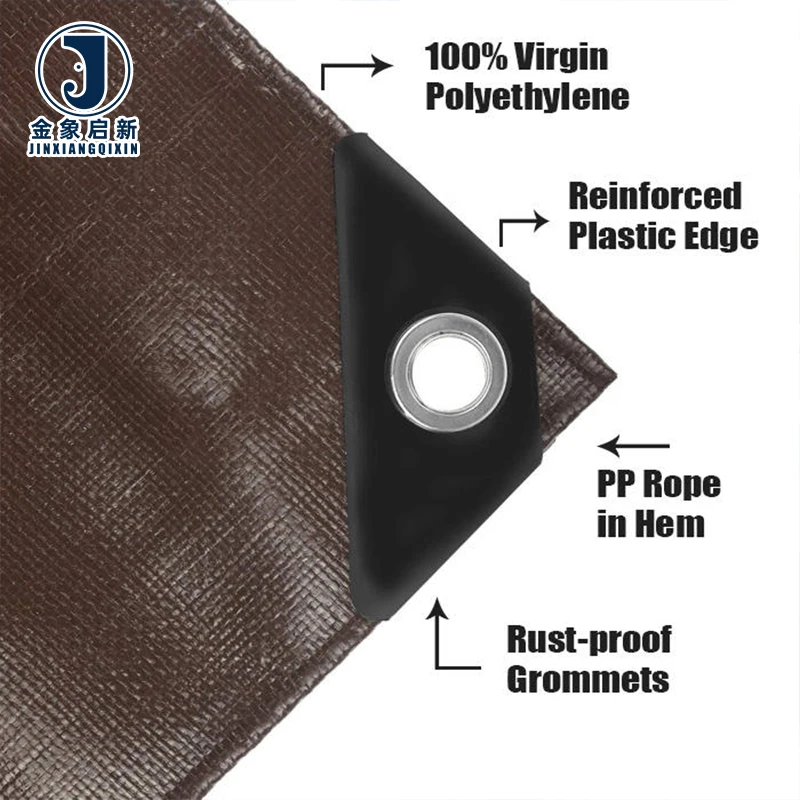
| Water Resistance | Double waterproof surfaces, reinforced corner |
| UV Treatment | Available (test basis not stated) |
| Anti-Mildew | Stated |
| Size | Custom size |
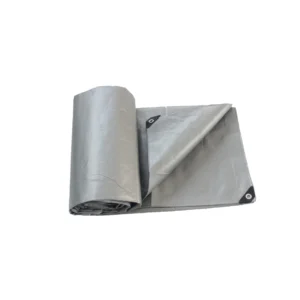
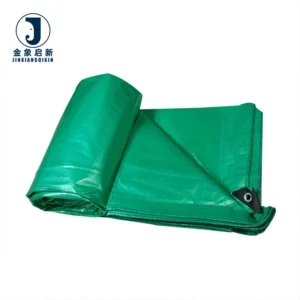
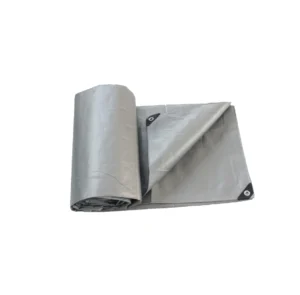
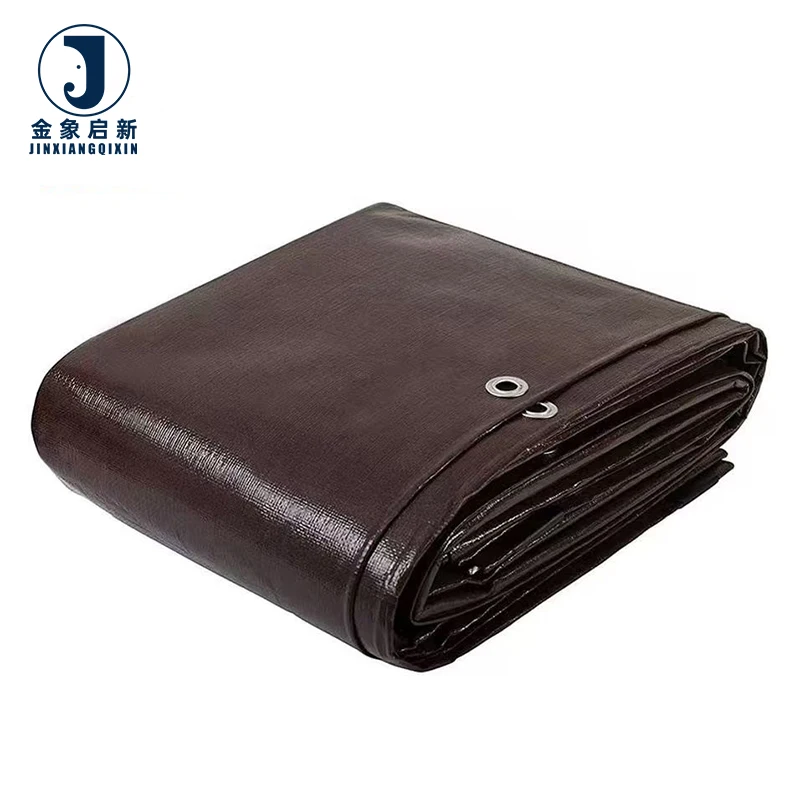
| Color | Custom color |
| Standards | ISO, CE (certification mentioned, specific standard number not stated) |
Application Suitability
| Application | Exposure & Requirement |
|---|---|
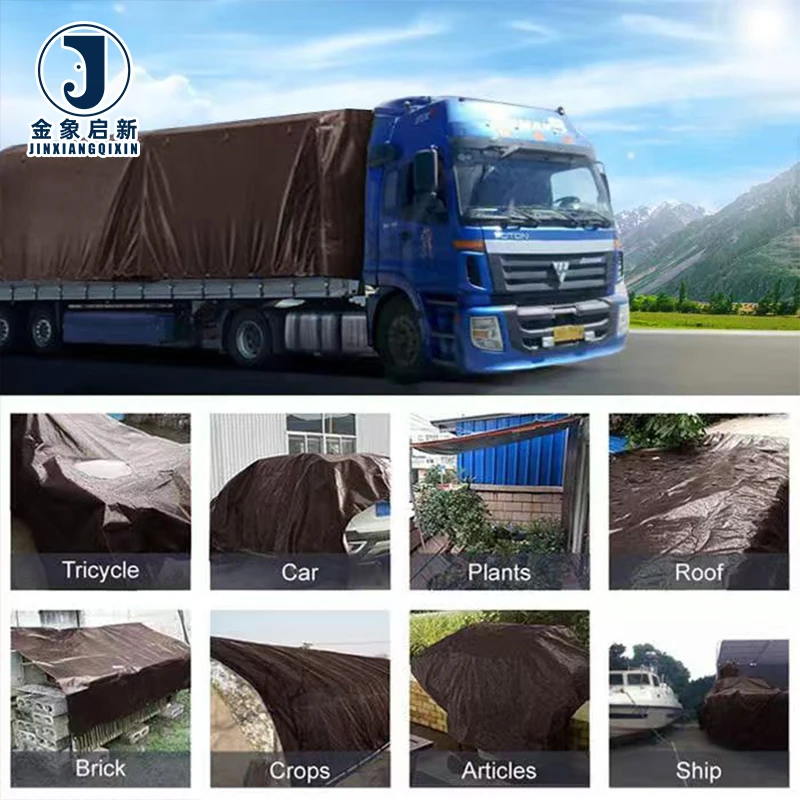
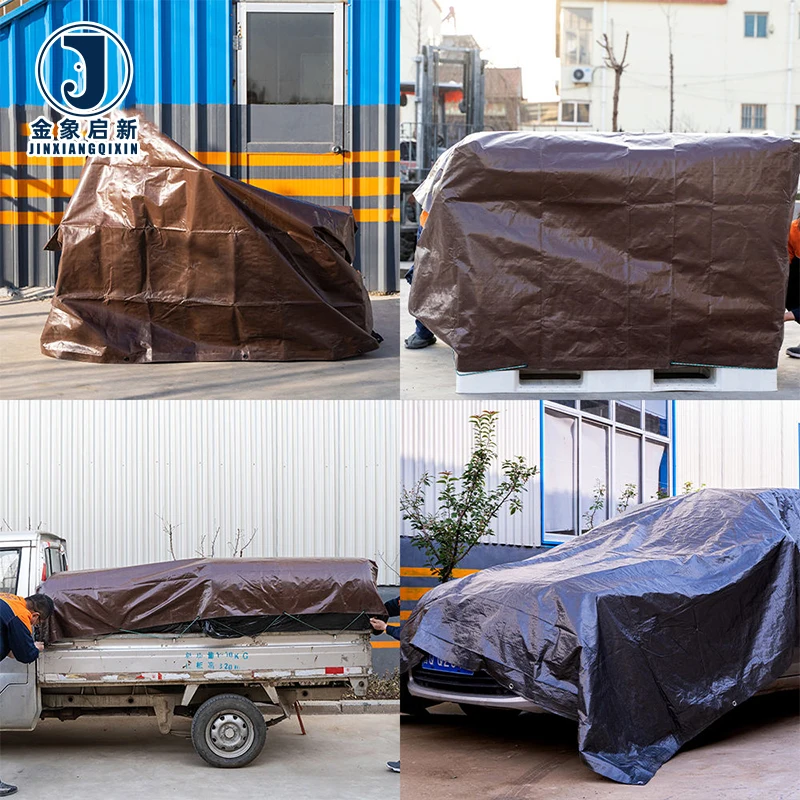
| Agricultural covering | Prolonged sun exposure, moisture, wind loading, seasonal deployment and retrieval |
| Warehouse coverage | Dust and water ingress prevention, wide-span unsupported spans, handling abrasion |
| Truck tarpaulin | Road vibration, constant flexing at load points, UV and weather exposure, tie-down stress |
| Industrial protective covering | Chemical splash resistance, mechanical abrasion, repeated folding and unfolding |
| Transportation tarpaulin | High-speed airflow, tie-down strap friction, multi-trip reuse cycles |
Why Batch Colour Shifts Undermine Your Entire PE Tarpaulin Roll Shipment
Colour consistency is a production control problem, not a raw material problem.
When distributors unload a container of PE tarpaulin rolls and two adjacent rolls show a visible shade difference once laid out, the entire batch becomes unsellable to end users who install them side by side. This is not a minor aesthetic issue — it triggers return claims, erodes buyer trust, and forces you to sort and match rolls manually before resale. [NEED_CITE: colour matching standards for coated fabric production batches] The root cause is almost always inconsistent pigment dosing or temperature variation across the coating line, and it is entirely preventable with in-process QA at every stage.
How Roll-to-Roll Weight Verification Protects Distributors
A PE tarpaulin aftermarket supplier quoting 180 g/m² means little if the rolls arriving at your warehouse average 155 g/m². Lighter rolls mean less coating, which directly reduces waterproofing durability and tensile performance under load. Our production line verifies coated weight at multiple points during each run, not just at the final cutting stage. Every roll is checked against the stated specification before packing, and the inspection record travels with the shipment documentation. This eliminates the common dispute where quoted GSM and actual delivered weight diverge without any paper trail to resolve it.
Matching Knitting Density to Your End-User Applications
The knitting density — whether 8×8, 10×10, or 12×12 — determines the base fabric’s structural behaviour before any coating is applied. A lower density yields a lighter, more flexible roll suited to agricultural and temporary covering applications where ease of handling matters. Higher density produces a stiffer, more dimensionally stable fabric that resists stretching under tie-down tension on flatbed trucks. [NEED_CITE: relationship between weave density and tensile behaviour in polyethylene woven fabrics] Selecting the correct density at the ordering stage prevents downstream complaints about sagging covers or fabric that is too rigid to fold and store.
Reading Beyond the GSM Number on Your Quotation
Weight per square metre tells you how much material is present, but it does not describe how that material is distributed between base fabric and coating layers. A roll that achieves its target GSM primarily through heavy coating but uses a sparse base weave will feel thick yet tear easily along the warp or weft. Conversely, a tighter base fabric with moderate coating delivers better tear propagation resistance and weld seam integrity. The knitting density and tensile strength values together reveal more about real-world performance than GSM alone. Thickness measurements from 0.18 mm through 0.35 mm across the range further indicate which grades suit lightweight seasonal use versus heavy-duty transport covering.
The Hidden Cost of Ordering Without Verified Test Reports
Buyers who accept PE tarpaulin rolls based solely on quoted specifications — without inspecting the supporting test documentation — absorb all the risk when the material underperforms in the field. A cover that fails at the reinforced corner after one season, or a truck sheet that develops pinholes along the fold line after repeated use, traces back to coating adhesion or base fabric quality that was never independently verified before shipment. [NEED_CITE: common failure modes in polyethylene tarpaulin field performance] Distributors who standardise their incoming inspection against documented test parameters reduce return rates and protect their reputation with downstream contractors and fleet operators.
Why Volume Buyers Consolidate Their PE Tarpaulin Supply Here
Three dedicated production lines allow us to run multiple grades and widths simultaneously, so a mixed container of lightweight agricultural rolls and heavy-duty transport stock ships on a single schedule. The 10-person R&D team develops custom colour and width samples within days, letting distributors confirm the exact shade and roll dimensions before committing to a full production run. A dedicated QA/QC process inspects every roll before it leaves the facility, generating a record that matches the physical product to the purchase order specification. Container loading plans are prepared with roll count, individual weight, and dimensions documented so buyers know exactly what is in each unit before it arrives at port.
Documentation & Verification
- Material specification sheet stating confirmed GSM, base fabric type, and coating details per roll
- Pre-shipment inspection record verifying actual weight and colour match before dispatch
- Roll packing list detailing individual roll count, weight, and dimensions for container loading
- Certificate of origin and customs documentation included for import compliance
- Test reports for UV and flame-retardant grades where applicable to the ordered specification
Fabrication, Handling & Storage
- Heat welding parameters should be adjusted based on the specific thickness ordered, from 0.18 mm up to 0.35 mm
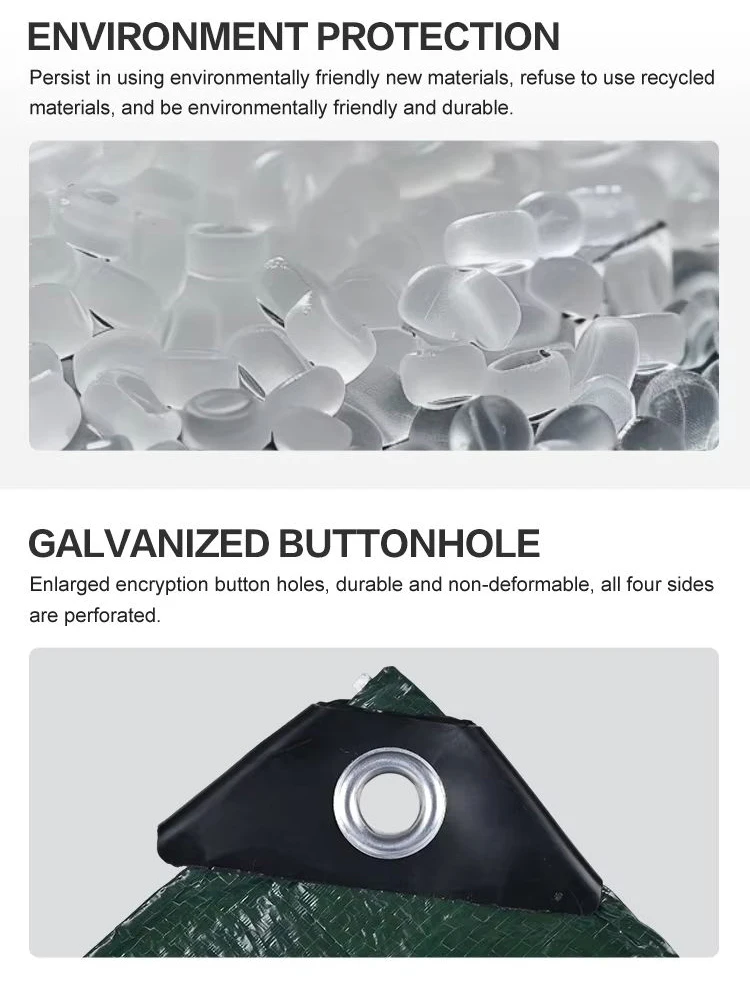
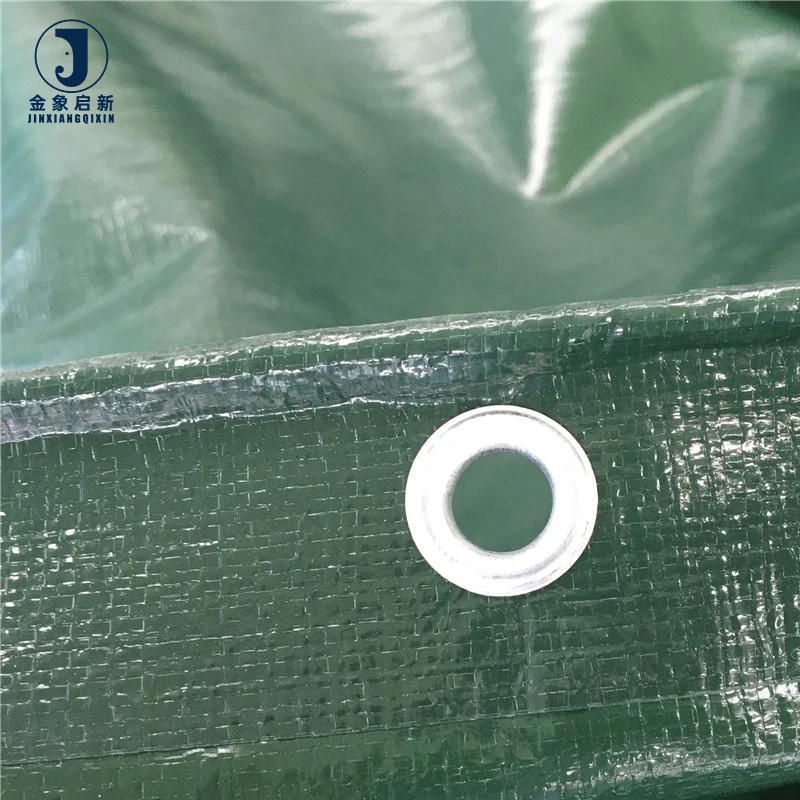
- Reinforced corners on cut sizes require compatible eyelet sizing to distribute tie-down loads evenly
- Store rolls upright on pallets in dry conditions to prevent compression marks on the outer coating layers
- Allow cold-stored rolls to reach ambient temperature before unrolling to avoid coating surface cracking
- Clean double waterproof surfaces with mild detergent; avoid solvents that degrade the polyethylene coating
- When cutting from roll stock, plan panel layout to minimise off-cuts and reduce seam counts on large covers
What to Include in Your PE Tarpaulin Roll Enquiry
Specify the knitting density and weight grade your end users require, along with the target roll width and any custom colour references you need matched across the order. If your market demands UV or flame-retardant treatment, state the applicable standard or test method so we can confirm the correct grade and include the matching documentation. Let us know whether you need rolls only or finished cut sizes with corner reinforcement, and provide your expected annual volume so we can align production scheduling with your container loading plan.
Frequently Asked Questions
Q: How do I verify the actual GSM on arrival versus the quoted weight?
A: Every roll we ship is accompanied by a pre-shipment inspection record that documents the measured coated weight. You can cross-check this against your purchase order specification and perform your own sample cut-and-weigh test on arrival. The documentation trail ensures any discrepancy is traceable to a specific production batch and roll number.
Q: What is the MOQ for custom width and colour runs?
A: Custom width and colour runs require a minimum that covers the coating line setup and pigment batch preparation. Our R&D team produces a physical sample for your approval before full production begins, ensuring the shade and roll dimensions match your requirements. Contact us with your target specifications for a confirmed minimum and lead time.
Q: How do you control colour consistency across rolls in a bulk order?
A: Pigment dosing is calibrated at the start of each production run and monitored at intervals throughout the coating process. Rolls within the same order are produced in a single continuous batch wherever possible, and colour is checked against the approved reference before packing. This prevents the visible shade variation that occurs when rolls from different batches are installed side by side.
Q: How are rolls packed and loaded for container shipment?
A: Each roll is individually wrapped and labelled with its specification details. A roll packing list accompanies the shipment, documenting the count, weight, and dimensions of every roll in the container. Loading plans are prepared to maximise container utilisation while preventing roll deformation during transit, and the complete documentation set supports customs clearance at destination.
Q: What documentation ships with the container?
A: Every shipment includes a material specification sheet, pre-shipment inspection record, roll packing list, certificate of origin, and customs support documentation. Where your order includes UV or flame-retardant treated grades, the corresponding test reports are included. This complete set allows you to verify compliance and clear goods through import procedures without delay.