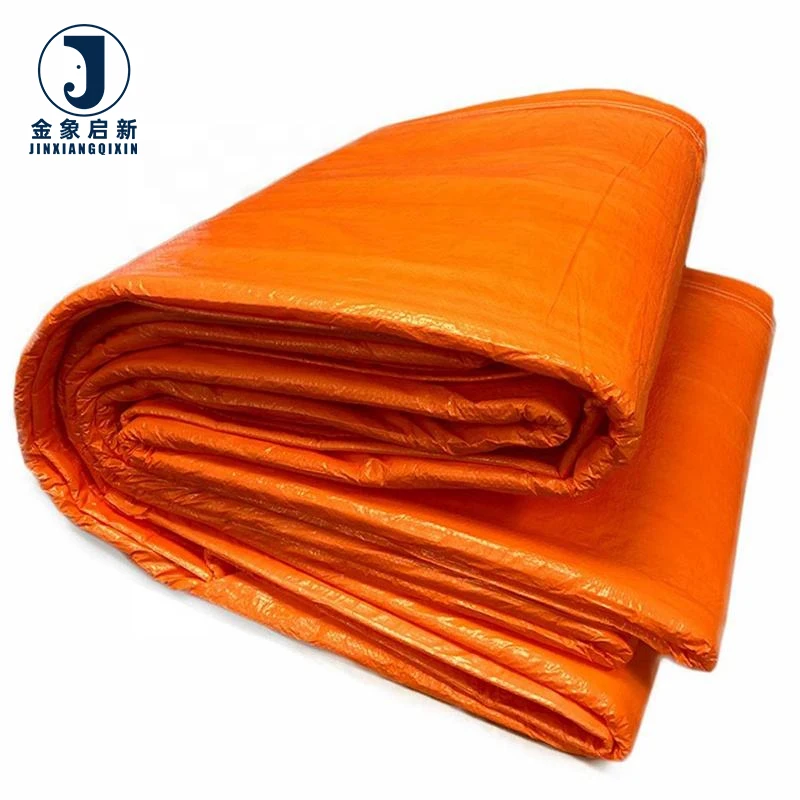
Description
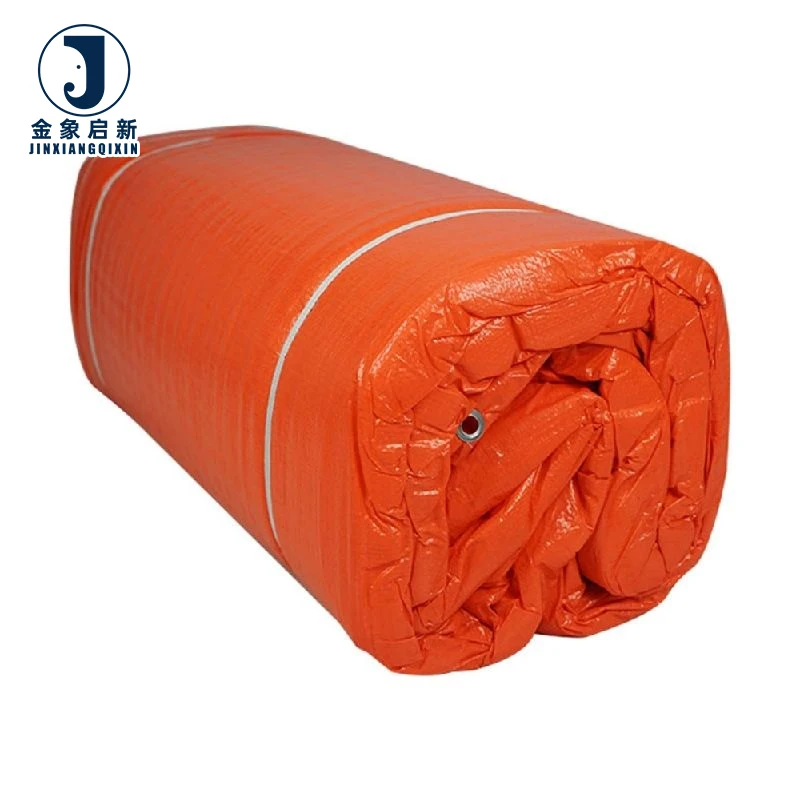
Batch consistency verified per roll — dedicated QA/QC at every production stage ensures thickness, colour and grommet count match the specification sheet before any roll of insulated PE tarpaulin leaves the line.
Technical Specifications
| Parameter | Value |
|---|---|
| Product Type | Insulated PE Tarpaulin |
| Dimensions | 6ft x 24ft / 8ft x 25ft / 12ft x 20ft / 12ft x 24ft |
| Thickness Options | 2x2mm / 3×1.5mm / 1x4mm / 5mm / 6mm / 8mm / 12mm |
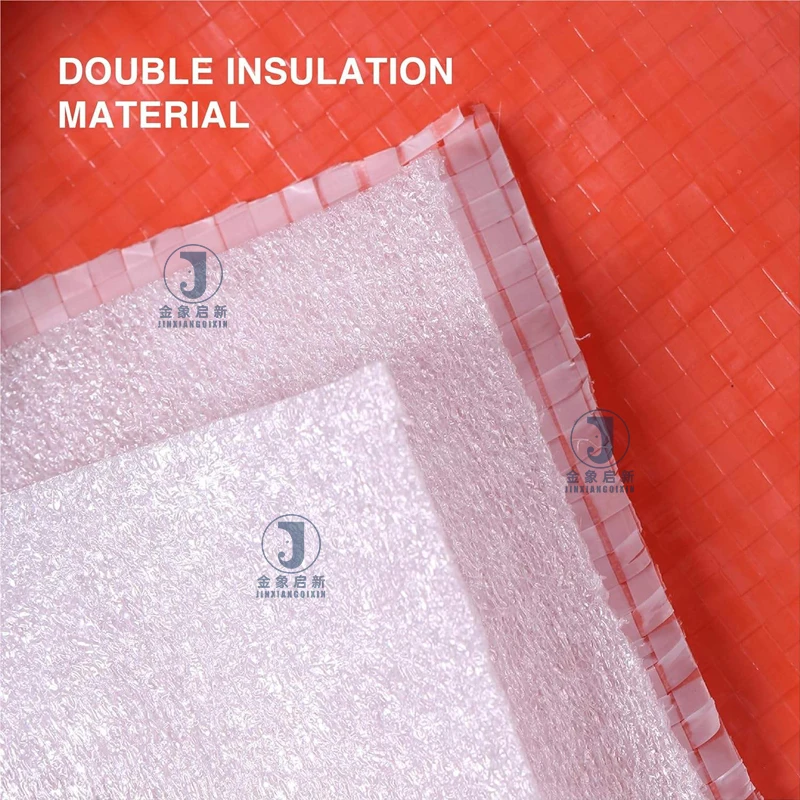
| Structure | PE cloth + closed-cell PE foam core + PE cloth |
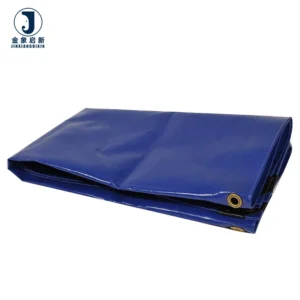
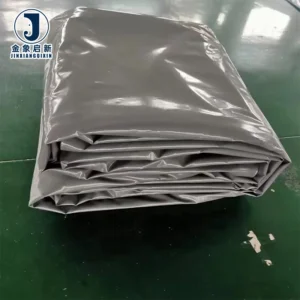
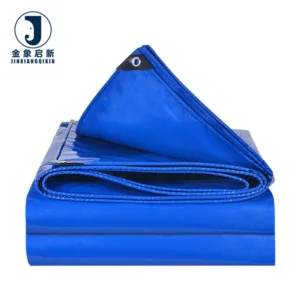
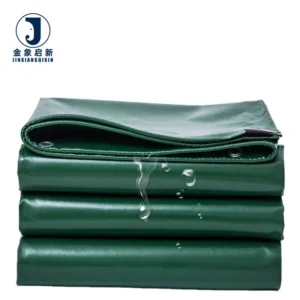
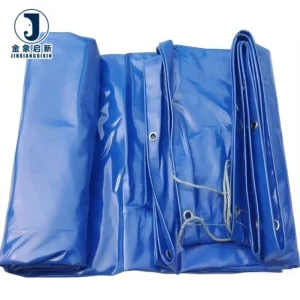
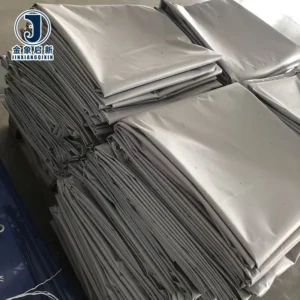
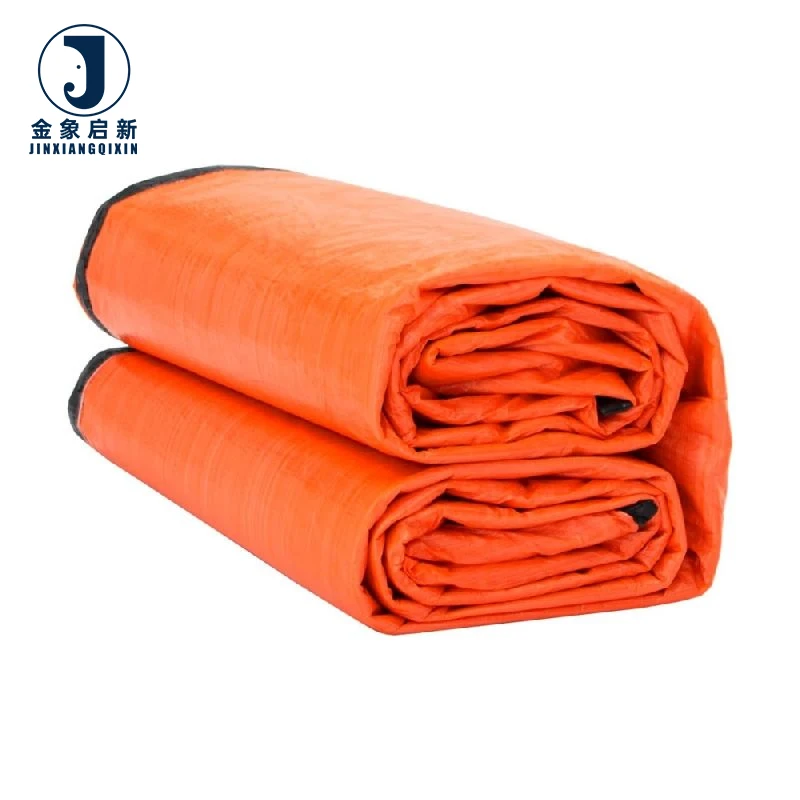
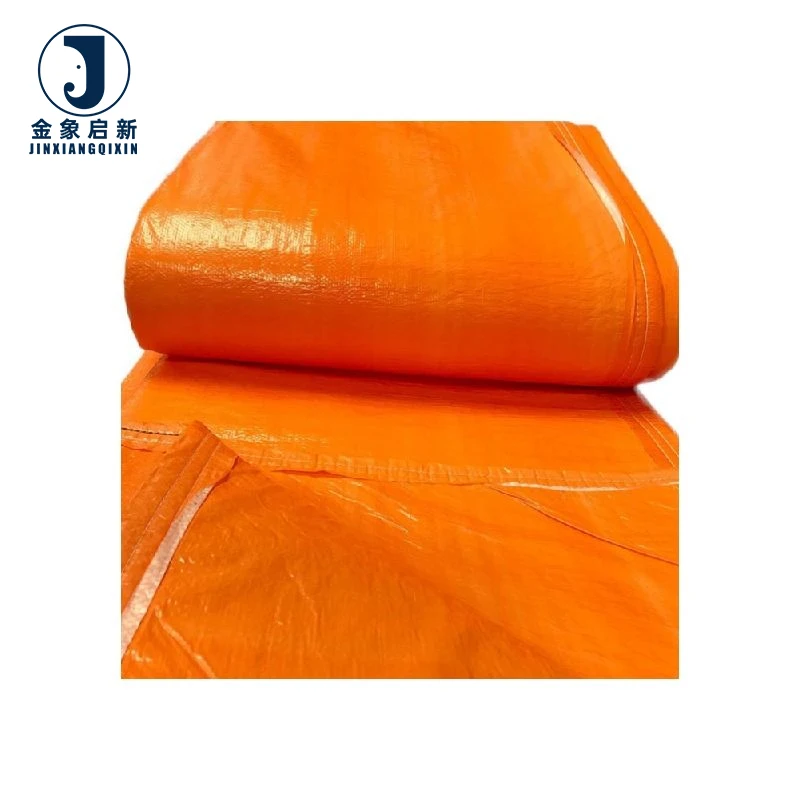
| Color Options | Orange / Black / White / Silver / Customized color |
| Grommet Configuration | Aluminum grommets, hole distance 61cm and 91.5cm |
| Edge Finish | Reinforcement stitch with grommets around all finished edges |
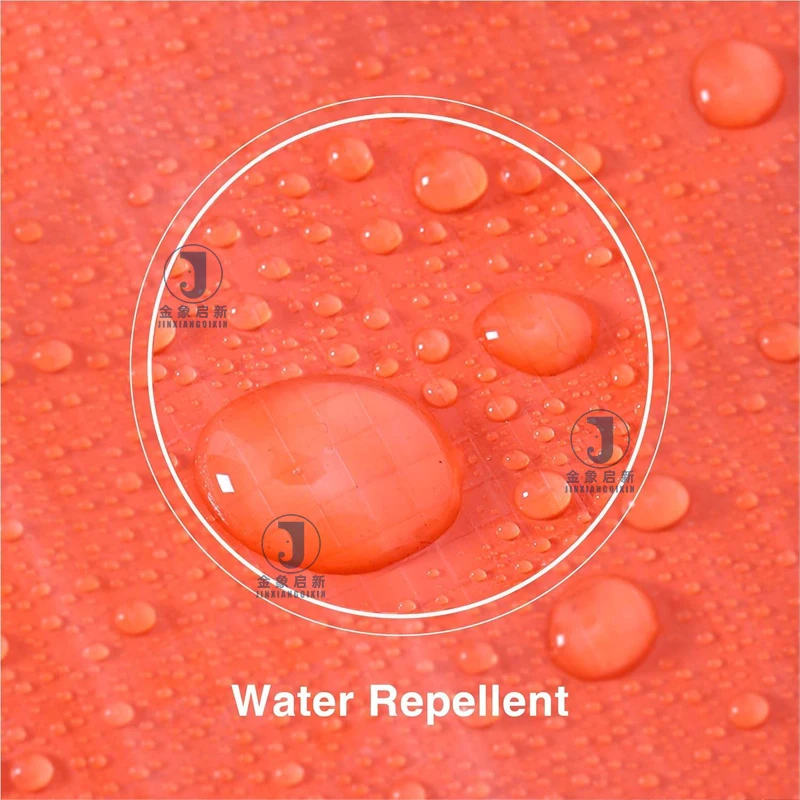
| Water Resistance | Waterproof surface fabric |
| UV Treatment | UV resistant treatment (grade not stated — confirm requirement for your market) |
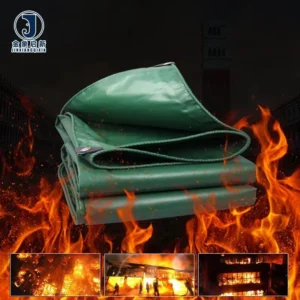
| Flame Retardant | Available in flame retardant grades — confirm the grade required for your market |
| Temperature Performance | Designed for low temperatures and controlled temperature enclosures (test basis not stated) |
| Wind Resistance | Medium to high wind environments (test basis not stated) |
| Mildew Resistance | Resistant (test basis not stated) |
| Standards | ISO (company level), CE (company level) |
Application Suitability
| Application | Exposure & Requirement |
|---|---|
| Concrete curing blanket | Slab surface contact, low ambient temperature, thermal retention to maintain hydration temperature during winter pours |
| Heated enclosure lining | Wind pressure on vertical panels, thermal loss prevention, repeated installation and removal cycles |
| Construction wind block | Sustained wind load on grommets and edge stitching, abrasion against scaffolding and framework |
| Building enclosure | Weather exposure on exterior face, UV degradation over project duration, water ingress prevention |
| Temporary warehouse partition | Internal temperature differential, forklift and personnel contact abrasion, mildew in unventilated spaces |
What Roll-to-Roll Colour Drift Really Costs on an Enclosure Project
A single off-colour roll in a visible wall section can reject an entire installed enclosure.
When sourcing Insulated PE Tarpaulin roll stock for large construction enclosures, the thickness and colour must stay uniform across every roll in the shipment. A contractor hangs twenty rolls side by side on a scaffold frame, and one roll shows a noticeably different shade of orange or silver under site lighting. The client flags it. The panel comes down, the roll is replaced, and the schedule slips. This is not a cosmetic preference — visible colour variation on a high-profile project triggers rework that costs far more than the material itself. Thickness drift between rolls is equally disruptive on concrete curing applications, where thermal performance depends on consistent foam core density across the entire slab surface [NEED_CITE: colour fastness and batch consistency standards for coated fabrics].
Batch Consistency Across Thickness Grades
Insulated PE tarpaulin rolls from 5mm to 12mm thickness each carry a different closed-cell foam core density and lamination profile. Maintaining roll-to-roll uniformity within a single thickness grade requires dedicated in-process checks at the coating and lamination stage. When thickness varies even slightly across rolls of the same nominal grade, the thermal retention performance on a concrete curing slab becomes uneven — sections of the slab cure at different rates, leading to inconsistent strength development [NEED_CITE: concrete curing temperature requirements and insulated blanket specifications]. Every roll is checked against the stated thickness before dispatch, with inspection records tied to the packing list.
Container Loading by Roll Count and Weight
Buying insulated tarpaulin by the roll at wholesale volume means container utilisation directly affects your landed cost per roll. Thinner grades like 2x2mm and 3×1.5mm pack more rolls per container but weigh less per unit, while 8mm and 12mm rolls take more cubic space and limit the roll count per shipment. A precise packing plan stating roll diameter, weight per roll and total roll count per container lets you forecast freight cost accurately before committing to a production run. The roll packing list provided before dispatch confirms the exact count and weight breakdown for customs and receiving.
Reading the Specification Sheet Beyond Thickness
The three-layer construction — PE cloth, closed-cell PE foam core, PE cloth — delivers insulation through trapped air within the foam cells rather than through material mass alone. This means a lighter roll can outperform a heavier single-layer fabric in thermal retention, but only if the foam core maintains its closed-cell integrity under compression. The grommet spacing at 61cm and 91.5cm intervals determines how closely the tarp can be secured to a frame; tighter spacing distributes wind load more evenly across the edge stitching, reducing point stress on individual grommets during sustained wind events. The reinforcement stitch at every edge adds structural redundancy where the tarp flexes most during installation and removal [NEED_CITE: grommet pull-out resistance test methods for heavy-duty tarpaulins].
The Hidden Cost of Specifying Insulation Without Thickness Verification
A buyer orders insulated PE tarpaulin rolls for winter concrete curing based on a quotation stating 8mm thickness. On arrival, the rolls measure closer to 5mm because the foam core compressed during sea freight storage under heavier cargo. The thermal retention falls short, the concrete surface temperature drops below the minimum curing threshold, and the slab must be demolished and repoured. This failure is not a material defect — it is a receiving inspection gap. Without a pre-shipment inspection record confirming measured thickness per roll, the buyer has no baseline to verify against on arrival [NEED_CITE: compression recovery testing for closed-cell foam insulation materials].
Why Volume Buyers Source Insulated Roll Stock Here
Three full production lines with 36 sets of professional equipment support bulk insulated PE tarpaulin orders without splitting production across separate batches that drift in colour or thickness. A 10-person R&D team develops samples within days when a project requires a custom colour or a non-standard width, letting you confirm the exact shade and lamination quality before committing to full production. Dedicated QA/QC runs at every production stage — coating weight, foam core density, edge stitching and grommet count — with 100% inspection before any roll ships. Nearly 30 years of focused coated fabric production means the process controls that govern batch consistency are embedded in the production routine, not added as an afterthought. Roll packing lists and pre-shipment inspection records travel with every container, giving your receiving team the documentation needed to verify the shipment matches the order.
Documentation & Verification
- Material specification sheet stating structure, thickness and colour reference for each roll in the shipment
- Pre-shipment inspection record covering grommet count, edge stitching integrity and surface defect check
- Roll packing list with per-roll thickness and colour reference matched to the purchase order
- Certificate of origin and customs documentation prepared for the destination market
- Test report for UV and flame retardant grades provided where applicable to the specified grade
Fabrication, Handling & Storage
- Store rolls horizontally on pallets to prevent compression damage to the closed-cell PE foam core during transit and warehousing
- Heat-weld seams using temperature settings calibrated to PE cloth surface layers to maintain waterproof integrity at join lines
- Position grommets at the closer 61cm spacing on vertical enclosure panels exposed to sustained wind load to distribute tie-down stress
- Avoid dragging rolls across rough ground during deployment to protect the waterproof PE cloth surface layer from puncture and abrasion
- Use mild detergent for cleaning — solvents may degrade the PE surface treatment and compromise UV resistance
What to Include with Your Inquiry
Provide the thickness grade, total roll count and container volume target so the production plan can be matched to your freight schedule. Specify the colour reference and whether all rolls in the order must fall within a single colour batch. Confirm the fire-retardant or anti-static grade required by your local site regulations, as available grades vary by market compliance standard.
Frequently Asked Questions
Q: How is thickness verified roll by roll before shipment?
A: Each roll is measured against the stated thickness specification during the final inspection stage. The pre-shipment inspection record documents the measured thickness alongside grommet count and edge stitching verification. This record travels with the shipping documentation, giving your receiving team a baseline to confirm the rolls match the order on arrival.
Q: How is colour consistency maintained across rolls in a single bulk order?
A: Rolls within a single order are produced in one continuous run wherever possible, using the same coating batch and colour master. The QA/QC process checks colour reference at the lamination stage, and the packing list records the colour batch per roll so any variation is traceable and contained.
Q: What is the container loading plan by roll count for each thickness grade?
A: Roll count per container depends on the thickness grade and roll diameter. Thinner grades such as 2x2mm pack more rolls per container, while heavier grades like 8mm or 12mm occupy more cubic space. A detailed loading plan with roll count, weight per roll and total container weight is provided at the quotation stage.
Q: What are the MOQ and lead time for custom colour or custom width rolls?
A: Minimum order quantities for custom colours or widths depend on the specific thickness grade and colour formulation required. Samples are developed within days for approval before full production begins. Confirm your colour reference and target roll count during inquiry to receive a precise lead time and minimum.
Q: How are rolls packed to prevent foam core compression during sea freight?
A: Rolls are packed horizontally with spacing and support to distribute weight evenly across the foam core. The packing list documents the stowage arrangement, and the pre-shipment inspection record confirms the rolls are loaded without excessive stacking pressure that could compress the closed-cell PE foam during transit.