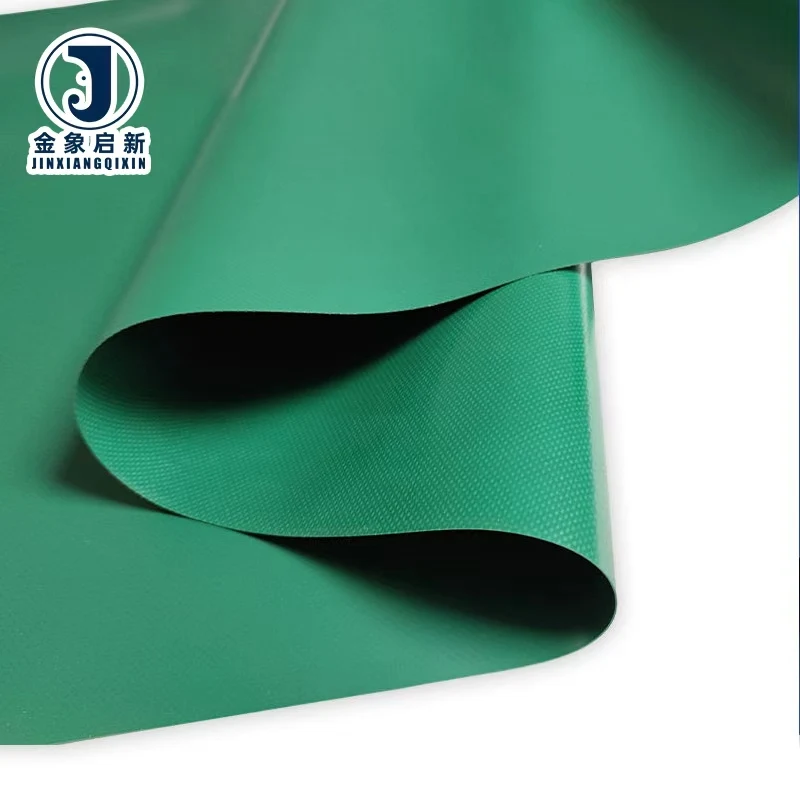
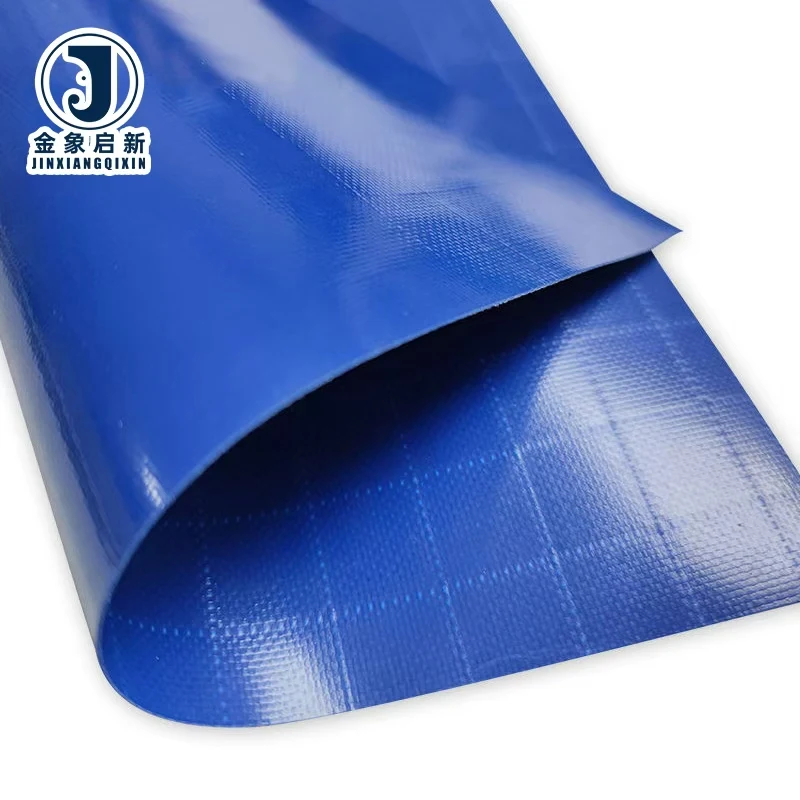
Description
Consistent roll weight — every roll is checked against the spec sheet before dispatch, ensuring the GSM you order is the GSM you receive, critical for wholesale buyers planning downstream fabrication and resale.
Technical Specifications
| Parameter | Value |
|---|---|
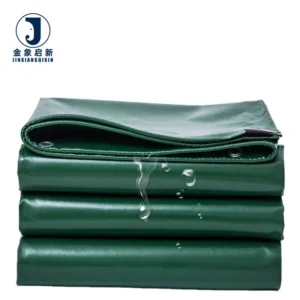
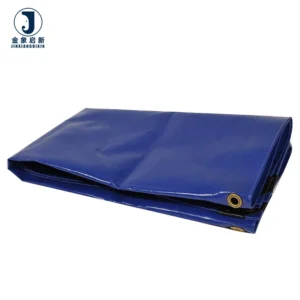
| Product Type | PVC Coated Tarpaulin |
| Coating Material | PVC |
| Base Fabric Material | Polyester |
| Base Fabric Denier Options | 500D×840D / 500D×1000D / 1000D×1000D / 1000D×1300D / 1300D×1300D / 1000D×2000D |
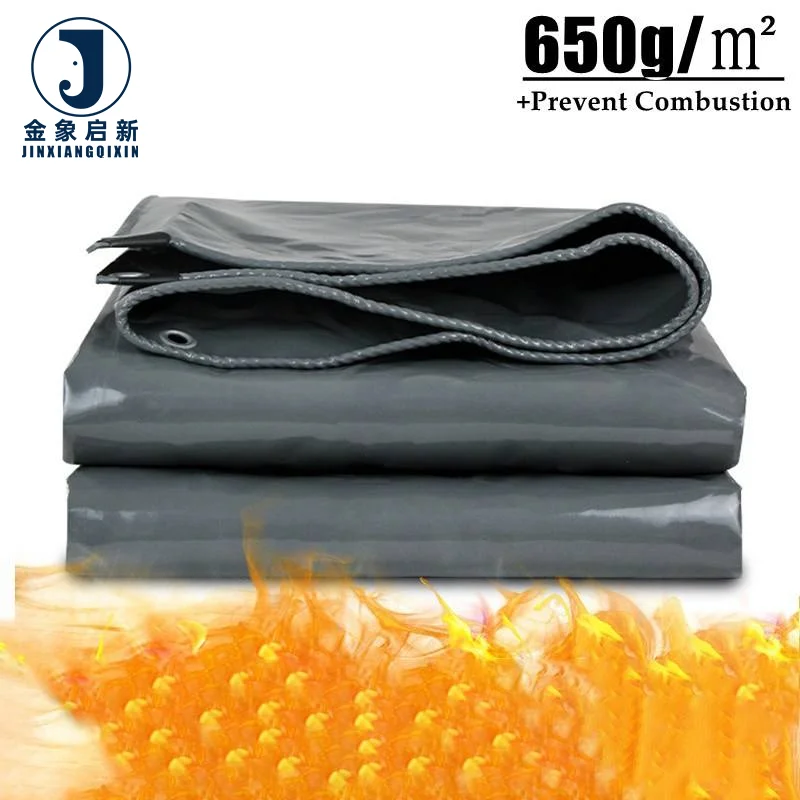
| Weight (GSM) Range | 350 / 400 / 420 / 500 / 600 / 650 / 750 / 900 |
| Total Thickness Range | 0.29mm / 0.32mm / 0.38mm / 0.44mm / 0.46mm / 0.55mm / 0.65mm |
| Mesh Count (Density) | 30×19 / 20×20 / 30×15 |
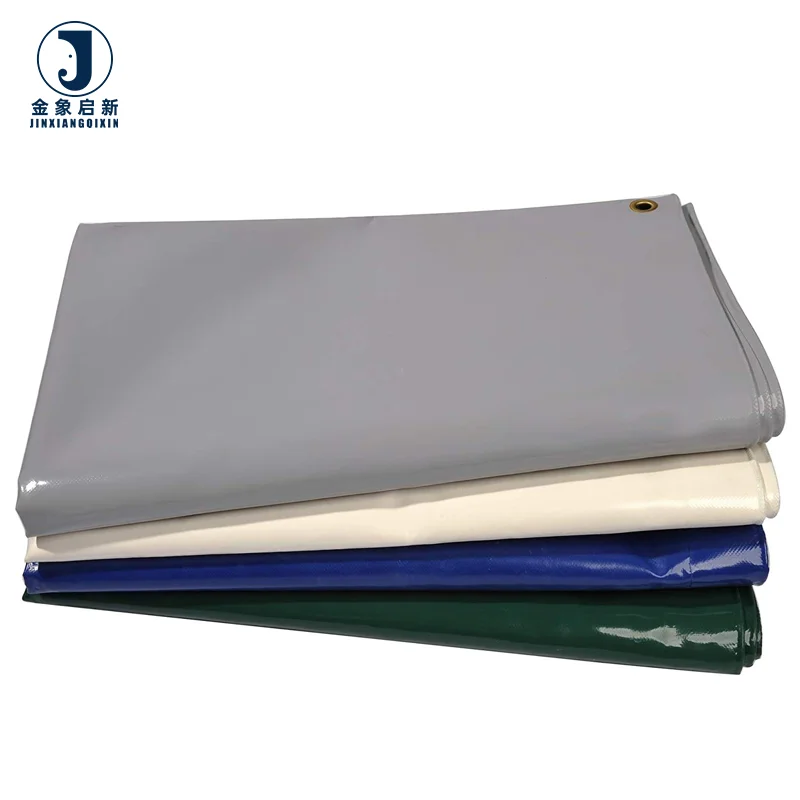
| Colour | Gray |
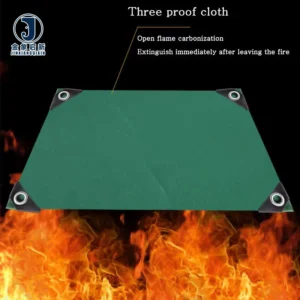
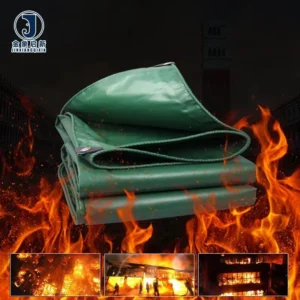
| Flame Retardant | Available in flame retardant grades — confirm the grade required for your market |
| UV Treatment | Available with anti-UV treatment — test basis to be confirmed at inquiry |
| Waterproof | Fully waterproof coated construction |
| Temperature Range | Brittle ≤ -50 to -60°C; Softening ≥ 80°C; Melting point 212°C |
| Standards | ISO 9001, CE |
| Package | Roll packing / Bale packing / Carton |
Application Suitability
| Application | Exposure & Requirement |
|---|---|
| Truck and trailer side curtains | Constant flexing at load points, road debris abrasion, sustained UV and weather exposure |
| Tent and awning fabrication by the roll | Roll-to-roll colour consistency, reliable weld and seam behaviour during production |
| Construction equipment covers | Puncture risk from sharp edges, water pooling, wind uplift on large panels |
| Garden furniture and pergola covers | Intermittent rain and sun, light handling during seasonal install and removal |
Why a Quoted GSM Does Not Guarantee a Consistent PVC Coated Tarpaulin Roll
Roll-to-roll weight verification is the only proof that what was ordered is what was shipped.
A common frustration among tarpaulin distributors and importers is receiving bulk PVC coated tarpaulin aftermarket supplier shipments where individual rolls weigh less than the stated specification. The difference may only be a few percent per roll, but across a container load it accumulates into meaningful material shortfalls and downstream fabrication complaints. Batch colour variation between rolls in the same order compounds the issue when fabric is installed side by side. [NEED_CITE: pre-shipment inspection standards for coated textile rolls]
A Grade Ladder That Covers Your Stocking Strategy
This PVC coated tarpaulin aftermarket supplier product family spans eight weight grades from 350 to 900 GSM, each matched to a specific polyester denier and thickness. That means a distributor can source a full spectrum of stock grades from a single production line, simplifying container loading and reducing the number of supplier relationships required to fill a regional catalogue.
Denier Options Matched to End-Use Stress
The base fabric is available in six denier constructions from 500D×840D through 1000D×2000D. Lighter deniers serve awning and light cover applications where flexibility and pack-down size matter, while heavier deniers suit truck side curtains and equipment covers that experience constant tension and abrasion. Matching denier to application prevents both over-specifying and under-specifying the PVC coated tarpaulin roll you purchase.
Understanding What Drives Real Fabric Strength
The tensile and tear performance of a PVC coated fabric depends on three interacting factors: the polyester yarn denier, the mesh count per centimetre, and the coating weight applied to both faces. A high GSM with a low-density mesh may deliver weight without proportional strength, while a tightly woven base fabric at a moderate GSM can outperform a heavier but loosely woven alternative. The coating method — whether knife-over-roll, laminating, or calendering — further determines peel strength and the behaviour of welded seams during fabrication. [NEED_CITE: tensile and tear test methods for coated fabrics per ISO 1421]
The Hidden Cost of Roll-to-Roll Inconsistency
When colour shifts between rolls in a single shipment, fabricators cutting panels for truck covers or tents face visible seams that trigger customer rejection. When GSM varies roll to roll, heat-sealing parameters set for one grade produce weak bonds on the next. These failures are rarely caught until the finished product is in use, by which point the cost of replacement and reputation damage far exceeds the original material saving. [NEED_CITE: weld failure analysis in coated fabric fabrication]
Why Source Rolls Here
Three full production lines with 36 sets of professional equipment deliver bulk roll stock at volumes that keep lead times predictable for container-level orders. The 10-person R&D team handles custom width requests and sample development within days, not weeks. Dedicated QA/QC at every production stage means each roll passes inspection against the purchase order specification before packing. Batch colour consistency is checked roll-to-roll within the same production run. ISO 9001 and CE certification underpin the manufacturing process. Pre-shipment inspection records accompany every dispatch, giving wholesale buyers documented proof of what was shipped.
Documentation & Verification
- Material specification sheet per roll stating GSM, denier, coating type, and colour reference
- 100% pre-shipment inspection with recorded GSM verification against the purchase order
- Batch colour consistency report across all rolls in the same shipment
- Roll packing list with roll count, individual weight, and dimensions for container loading
- Certificate of origin and customs documentation for destination country clearance
- Flame retardant and anti-UV test reports provided where the specified grade requires them
Fabrication, Handling & Storage
- Heat-sealed seamless edge wrapping maintains bond integrity across the full GSM range from 350 to 900
- Store rolls horizontally on a flat surface to prevent permanent creasing of the PVC coating
- Match welding temperature and dwell time to the specific thickness ordered — 0.29mm requires different settings than 0.65mm
- Allow rolls to acclimatise before unrolling in cold conditions; brittle temperature starts at -50 to -60°C
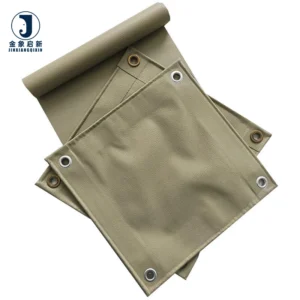
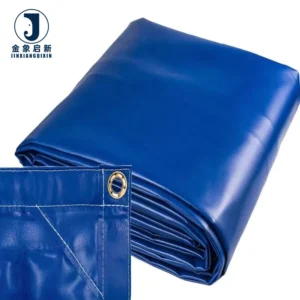
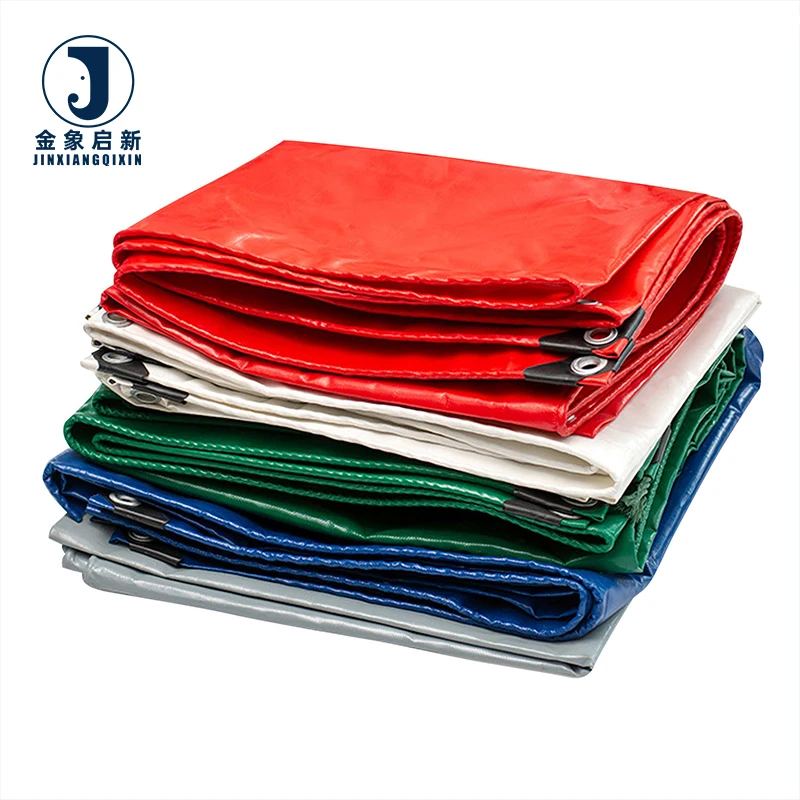
- Use the 3cm enlarged aluminium alloy eyelets at calculated spacing intervals to distribute tie-down loads
- Clean with mild detergent only — harsh solvents may compromise the surface coating and anti-UV treatment
What to Share with Your Inquiry
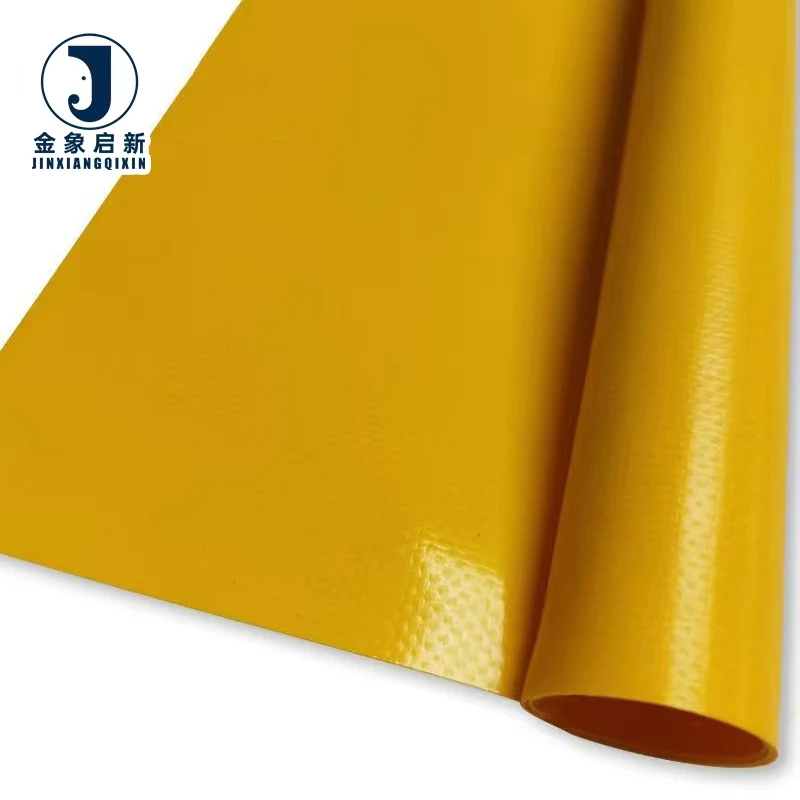
Provide the target GSM, required roll width, and annual volume so we can recommend the matching denier and plan container loading efficiently. If your market requires flame retardant or anti-UV compliance, specify the standard or grade your end customers demand. Let us know whether you need standard grey stock or custom colour and whether rolls will be used as-is or require finished fabrication with eyelets and hems.
Frequently Asked Questions
Q: How is GSM verified on each roll before shipment?
A: Every roll is weighed and measured individually during pre-shipment inspection. The recorded GSM is compared against the purchase order specification, and any roll falling outside tolerance is removed before packing. The inspection record travels with the shipment documentation so you can verify on receipt.
Q: How do you ensure colour consistency across rolls in a bulk order?
A: Rolls within the same production run are coated from a single batch of PVC compound. Colour is checked roll-to-roll against the reference standard before packing. If your order spans multiple production runs, we flag this in advance and provide separate batch colour reports.
Q: What roll widths and lengths are available, and can custom widths be ordered?
A: Standard widths are available across the full GSM range. Custom widths can be produced subject to production line capability and minimum order quantity. Our R&D team provides a sample roll for approval before full production runs on non-standard widths.
Q: How is container loading planned by roll count and weight?
A: We provide a roll packing list showing individual roll dimensions and weight before dispatch. This allows your logistics team to calculate container utilisation in advance. Roll packing, bale packing, and carton options are available depending on your handling preferences and destination port equipment.
Q: What documentation accompanies each shipment?
A: Each shipment includes a material specification sheet per roll, a pre-shipment inspection record with GSM verification, a roll packing list, certificate of origin, and applicable test reports for flame retardant or anti-UV grades. All documents are prepared in English for customs clearance at destination.