Description
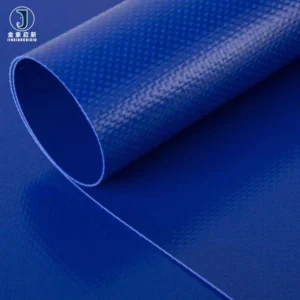
Verified Batch Consistency — Every roll of PVC truck cover tarpaulin ships with a pre-shipment weight and colour record, so distributors and wholesalers receive uniform GSM and shade across the entire container load.
Technical Specifications
| Parameter | Value |
|---|---|
| Product Type | PVC Coated Tarpaulin Truck Cover |
| Coating Material | PVC |
| Base Fabric Denier Options | 200D×300D, 500D×500D, 840D×840D, 1000D×1000D |
| Weight Range | 250gsm–1500gsm (confirm the grade for your application) |
| Finish Options | Glossy or matte |
| Colour Options | Blue, Yellow, Black, Green, White, or custom matched |
| Temperature Range | -15°C to 70°C |
| Waterproof | Yes |
| UV Treatment | Customized (test basis not stated — confirm for your market) |
| Flame Retardant | FR treated (grade not stated — confirm the grade required for your market) |
| Anti-Fungal | Treated |
| OEM/ODM | Accepted |
| Certifications | ISO, CE |
Application Suitability
| Application | Exposure & Requirement |
|---|---|
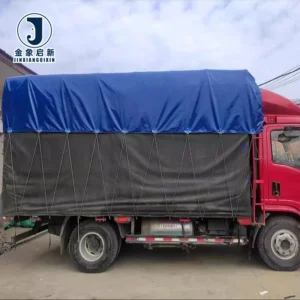
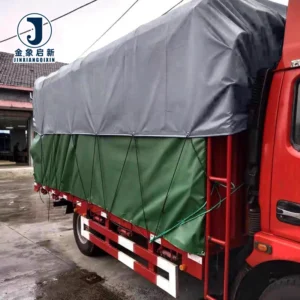
| Truck and trailer load covering | Road debris impact, wind flap, UV exposure, rain ingress, repeated folding at corners |
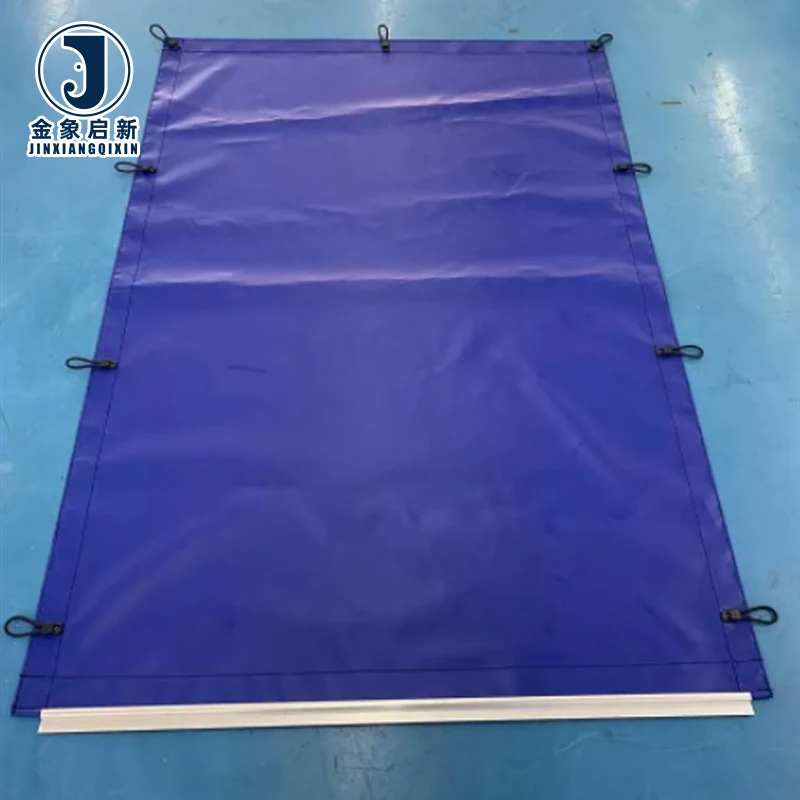
| Fleet operator bulk supply | Roll-to-roll colour and weight consistency across dozens of units, tie-down eyelet reinforcement |
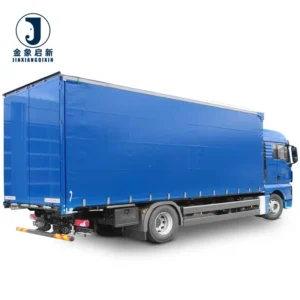
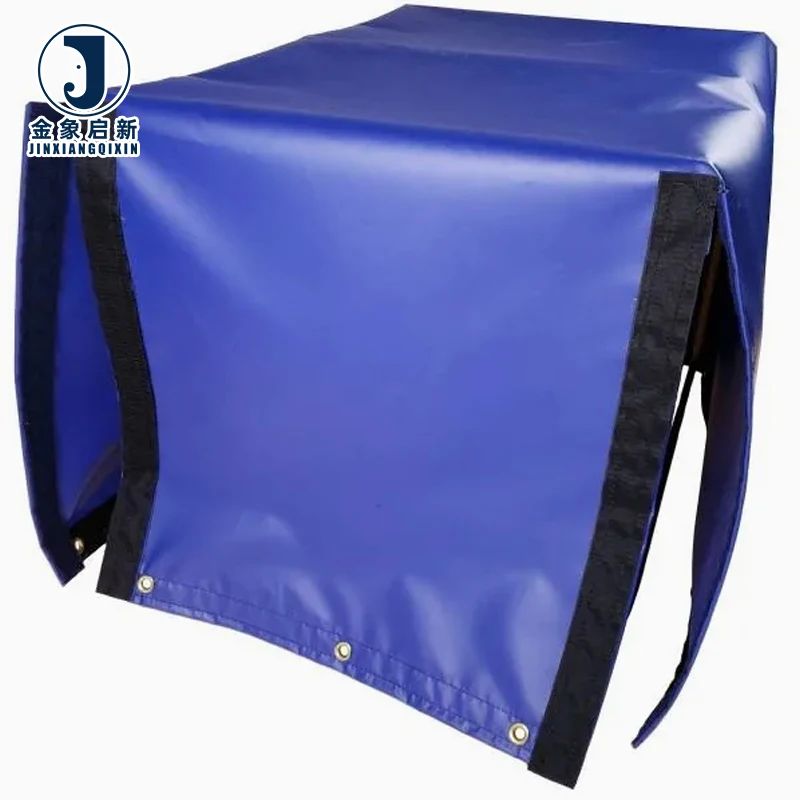
| Trailer side curtain fabrication | Constant flexing at hinge points, abrasion against load edges, welded seam integrity |
| Regional tarpaulin distribution | Stock grade uniformity for resale, cut-to-size options for retail repacking |
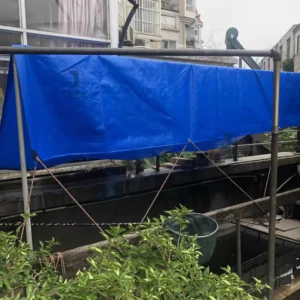
| Outdoor equipment protection | Standing water contact, dust infiltration, long-term solar exposure on static covers |
Why GSM Alone Does Not Tell You If a PVC Truck Cover Roll Will Hold Up
The coating weight and the base fabric denier together determine real-world performance — a 650gsm sheet on a 200D×300D base will behave entirely differently from the same weight on a 1000D×1000D base.
Purchasers of wholesale PVC truck tarpaulin regularly discover this after the order arrives. The quotation states a target GSM, the roll feels right in hand, and the cover goes into service. Within a season, flex points begin to tear — not because the fabric was too light, but because the base yarn count was insufficient for the dynamic load. [NEED_CITE: relationship between base fabric denier and tear propagation in coated fabrics]. I have seen buyers commit to a heavy-grade PVC truck cover roll based on weight alone, only to find the material lacks the structural backbone needed for side curtain applications where wind loading is constant.
Container Loads That Match — Colour, Weight, and Finish
When you stock PVC truck cover tarpaulin for regional resale, the worst outcome is opening a container to find roll number three is a slightly different shade of blue than roll number fourteen. Installed side by side on adjacent trailers, the variation is obvious. Batch colour consistency is not a cosmetic preference — it is a commercial requirement. Our production workflow locks the colour reference at the sample approval stage and checks every roll against it before packing. Glossy and matte finish options are held to the same tolerance, so your retail customers receive product that looks uniform on the shelf and on the truck.
How Denier Selection Drives Fabrication Yield and Cover Life
The base fabric denier range — 200D×300D through 1000D×1000D — exists because truck cover applications span a wide severity spectrum. A 200D×300D base suits light-duty flatbed covers that are handled once and left in place. A 1000D×1000D base is specified for side curtain fabric on articulated trailers where the material flexes thousands of times per trip and must resist abrasion against cargo edges. Selecting the correct denier directly affects how many covers you can cut from a roll and how long those covers survive in the field. [NEED_CITE: coated fabric denier selection guidance for transport applications per ISO 1421]. Specifying too low a denier for a high-flex application concentrates stress at the yarn crossover points, and the coating cracks along the weave before the PVC itself degrades.
Reading the Spec Sheet: What Weight, Denier, and Finish Mean in Practice
The 250gsm to 1500gsm weight range covers everything from temporary dust sheets to heavy-duty truck side curtains, but GSM alone is a misleading metric. Two rolls at the same GSM can have vastly different tensile behaviour if one uses a heavier coating over a lighter base fabric while the other balances coating and yarn weight evenly. The heavier-coated, lighter-based roll will feel stiff, fold poorly in cold weather, and delaminate at the weld line under stress. The balanced construction will drape better, weld more reliably, and resist peel at the seam. Base fabric denier determines how the material handles puncture and tear propagation: a 1000D×1000D weave distributes point loads across more yarns, slowing tear spread. Surface finish matters downstream — glossy surfaces shed dirt and water more readily and accept screen-printed branding with sharper resolution, while matte finishes reduce glare on covers inspected in direct sunlight. The -15°C to 70°C temperature range defines the operational envelope; below this threshold the PVC stiffens and becomes vulnerable to cracking if folded under tension.
What Happens When Roll Consistency Fails Down the Supply Chain
A distributor receives a container of PVC truck cover tarpaulin rolls and cuts them into retail-sized sheets. Halfway through the batch, the fabric is noticeably lighter — the GSM drifted during production, and the coating weight dropped below specification. The covers made from these lighter rolls fail months earlier than the rest, and the end user blames the distributor, not the mill. In another scenario, a trailer body builder welds side curtain panels from rolls with inconsistent coating formulation, and the heat-seal parameters that worked on roll one burn through roll six. [NEED_CITE: impact of coating weight variation on heat-seal parameters in PVC coated fabrics]. These are not hypothetical failures — they are the reason pre-shipment inspection records and roll-by-roll weight verification exist. The cost of catching a variance at the dock is a fraction of the cost of catching it in the field after the product has been sold through.
Why Wholesale Buyers Source PVC Truck Cover Rolls Through This Channel
Three full production lines and 36 sets of professional equipment give us the capacity to fill container orders for PVC truck cover roll stock without compressing lead times at the expense of quality checks. The 10-person R&D team develops samples within days when you need a custom width, colour, or finish matched before committing to volume. Dedicated QA/QC runs at every production stage — coating weight, base fabric adhesion, colour measurement — and a 100% pre-shipment inspection verifies every roll against the order specification. Nearly three decades of focused production on coated fabric means our process control over coating adhesion and weight distribution is built into the line, not added as a final checkpoint. Custom width, colour, and pattern printing are supported with sample approval stages that lock your requirements before the production run begins.
Documentation & Verification
- Material specification sheet stating exact GSM, base fabric denier, and coating weight per roll batch
- Pre-shipment inspection record with roll-by-roll weight verification against the quoted grade
- Roll packing list detailing roll count, net weight, and container loading plan for logistics planning
- Batch colour reference card matched to your approved sample for traceability across orders
- Test reports for flame-retardant and UV-treated grades where applicable to the order specification
- Certificate of origin and customs documentation aligned with destination country requirements
Fabrication, Handling & Storage
- Heat-seal temperature must be calibrated per GSM and coating formulation — test welds on each new roll batch before production cutting
- Store rolls upright on pallets in a dry, shaded area to prevent compression creasing of the PVC coating surface
- Allow cold-stored rolls to reach ambient temperature before unrolling to avoid cracking the PVC at the -15°C threshold
- Cut panels using a sharp blade or die to prevent fraying the base fabric denier edges at high-stress corner points
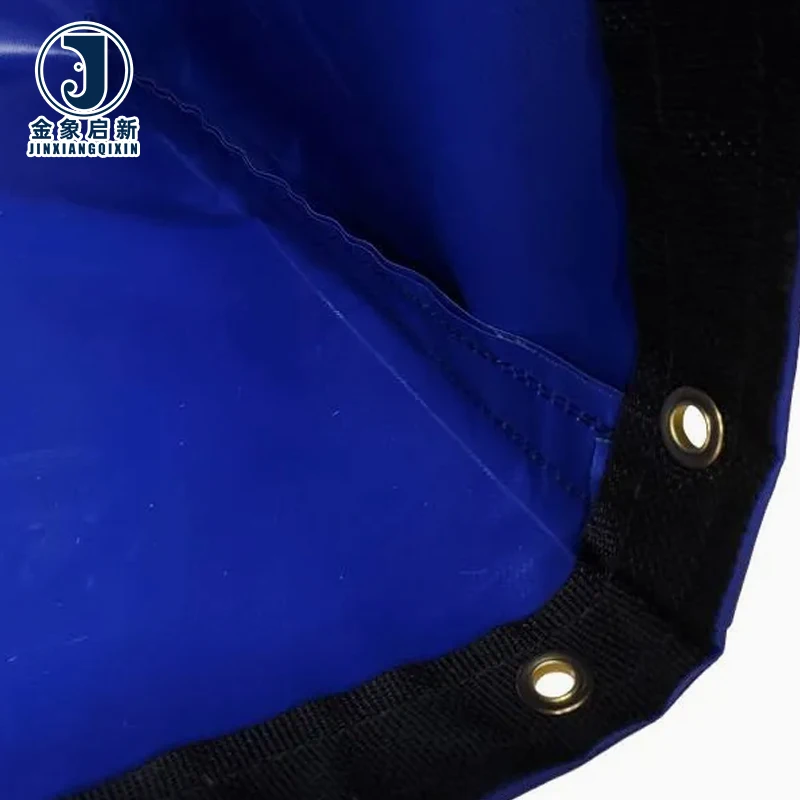
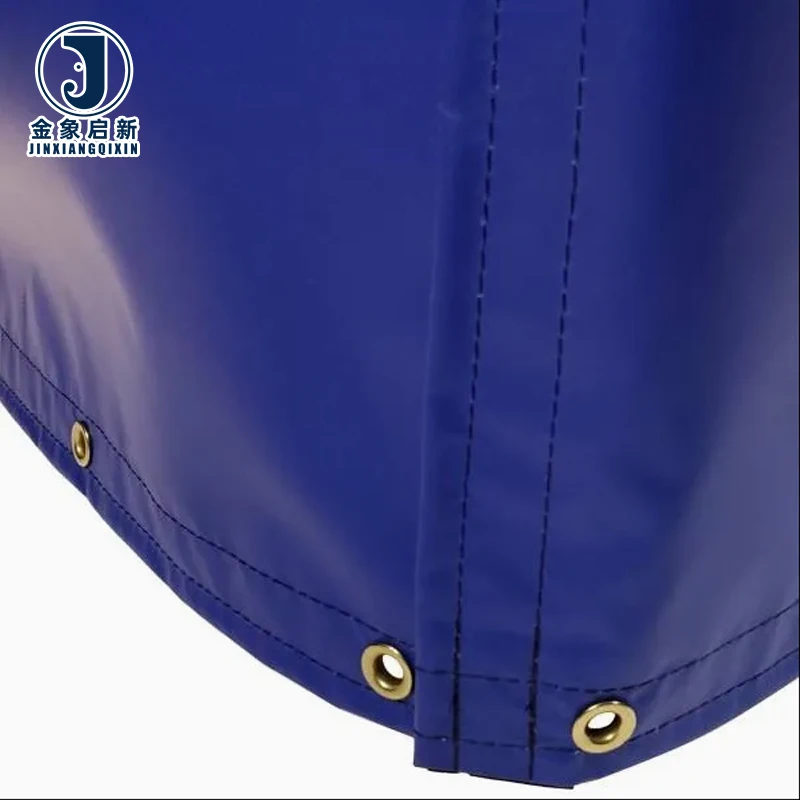
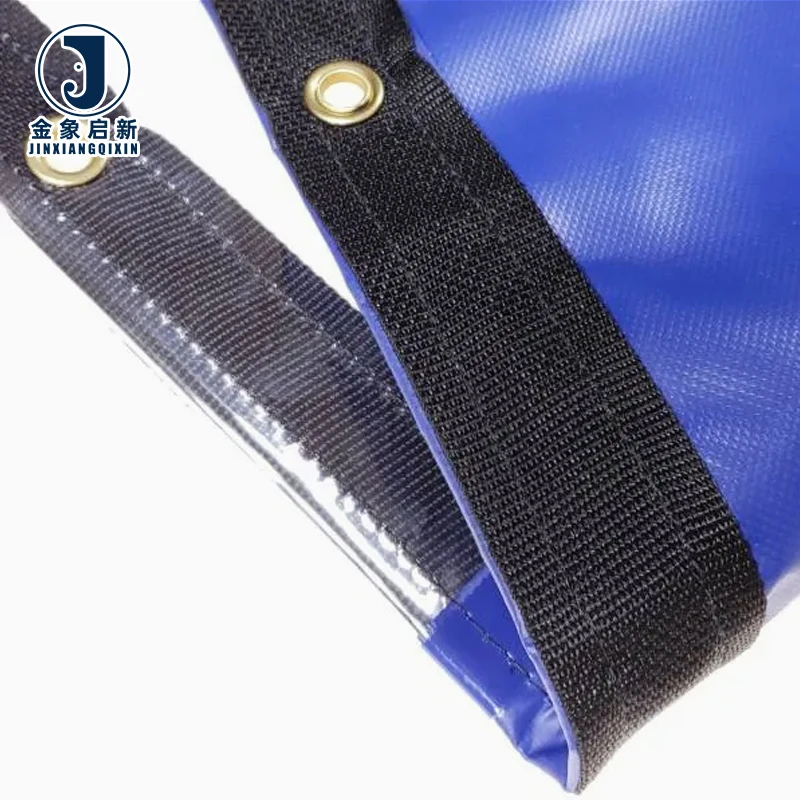
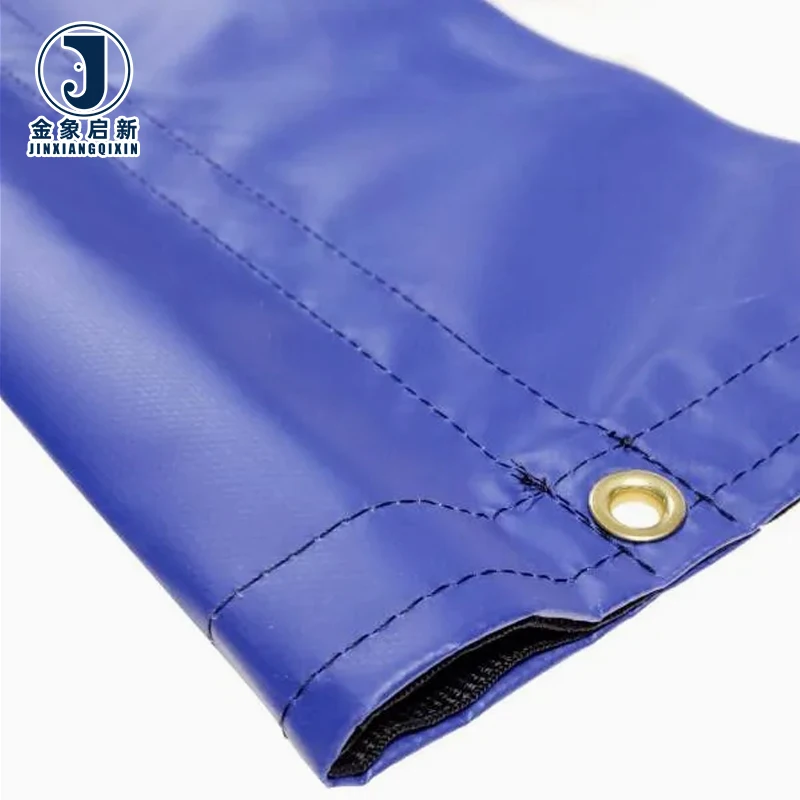
- Reinforce eyelet zones with additional PVC patches welded to both sides, distributing tie-down load across the base weave
- Clean glossy-finish covers with mild detergent and a soft cloth; avoid solvents that degrade the plasticiser in the PVC coating
What We Need to Quote Your PVC Truck Cover Roll Order
To provide an accurate specification and lead time, share the denier and GSM grade you are targeting, along with the roll width and length you need for your cutting layout or retail packing. If colour matching or branded printing is required, send a Pantone reference or physical swatch so we can develop a sample for your approval before the production run. Let us know whether your end market requires flame-retardant or UV-treatment certification, and to which standard, so we include the correct documentation with the shipment.
Frequently Asked Questions
Q: How do you verify GSM on each roll before shipment?
A: Our QA team weighs a standard-sized sample cut from every roll and calculates the GSM against the quoted specification. Any roll falling outside tolerance is pulled from the batch. The pre-shipment inspection record included in your container documentation shows the measured GSM for each roll.
Q: What roll widths and lengths are available for container loading?
A: We produce standard and custom widths to match your cutting layout or retail packing requirements. Roll lengths are set to your order, and we provide a container loading plan showing roll count, net weight, and pallet configuration before dispatch so you can optimise freight cost.
Q: How do you control colour consistency across multiple rolls in one order?
A: Colour is locked at the sample approval stage with a physical reference swatch. During production, each roll is checked against this reference under standardised lighting. Rolls that drift outside the agreed tolerance are rejected before packing. This ensures your entire container load matches when installed side by side.
Q: Do you supply test reports for flame-retardant and UV-treated grades?
A: Yes — where your order specifies flame-retardant or UV treatment, we include the corresponding test report with the shipment documentation. Confirm the grade or standard required for your destination market at the inquiry stage so we apply the correct treatment and testing protocol to your batch.