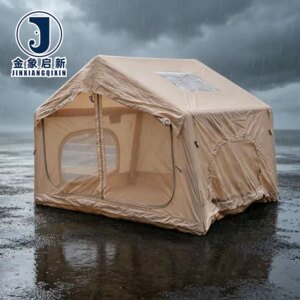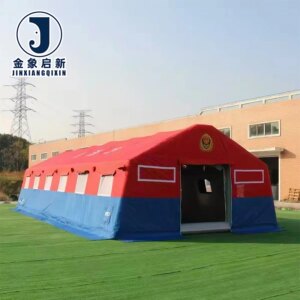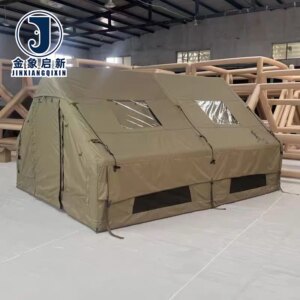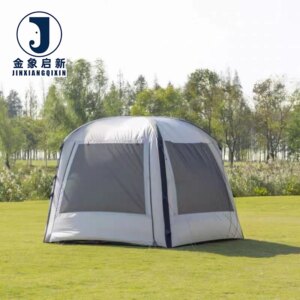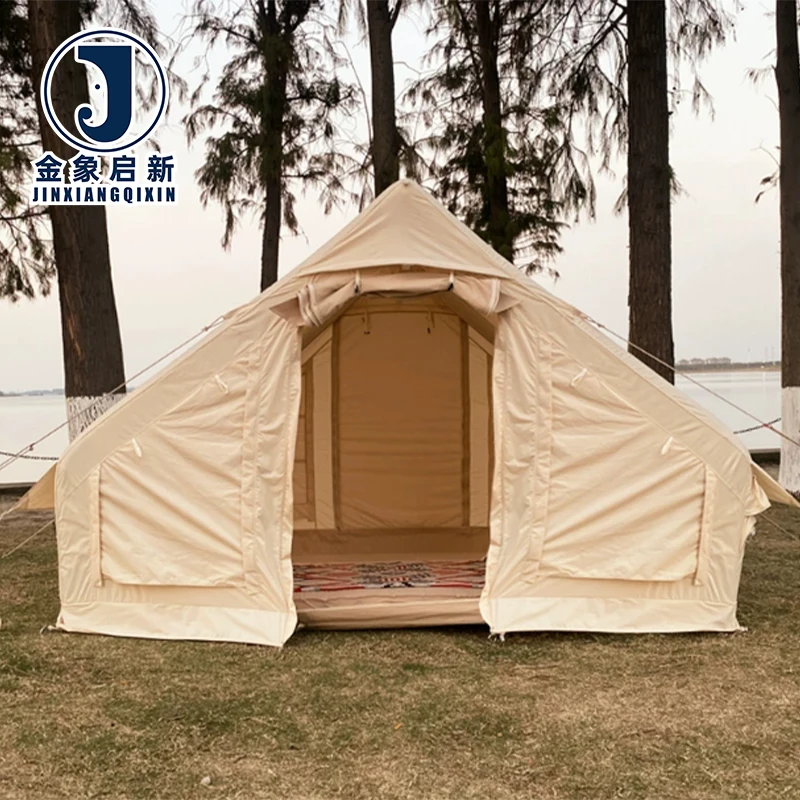
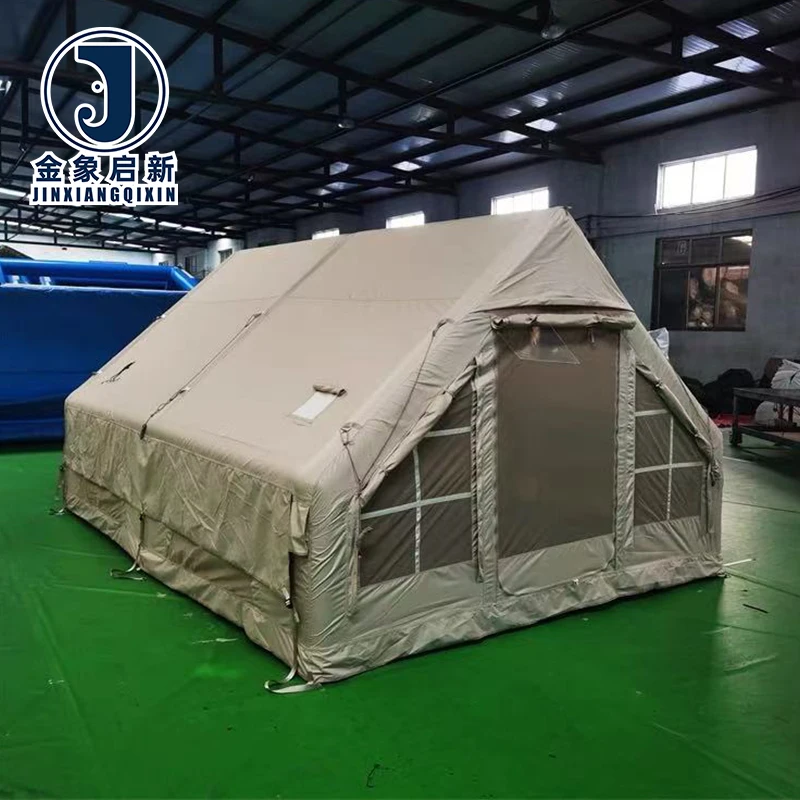
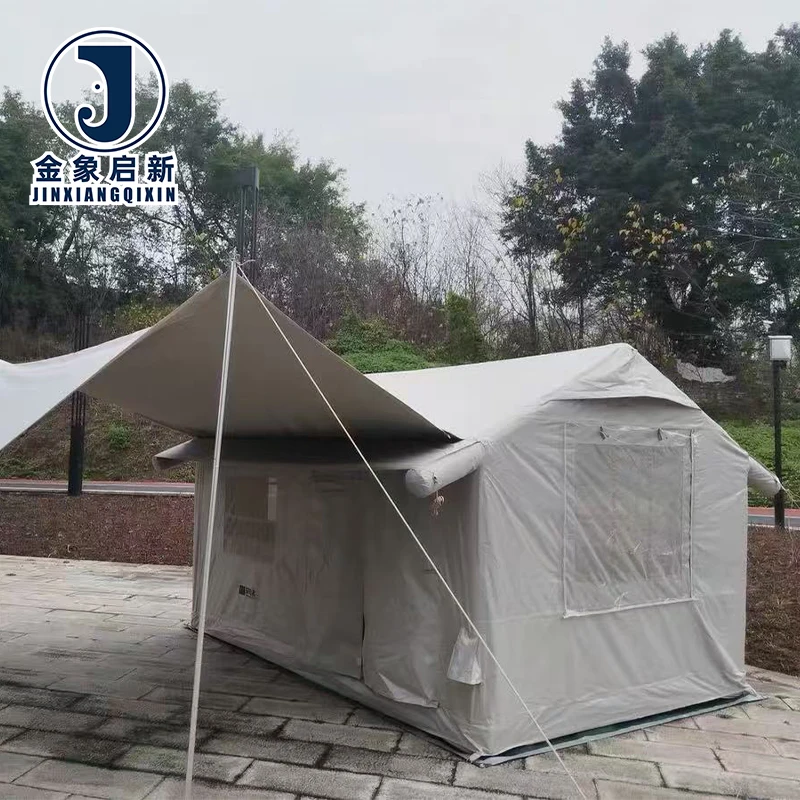
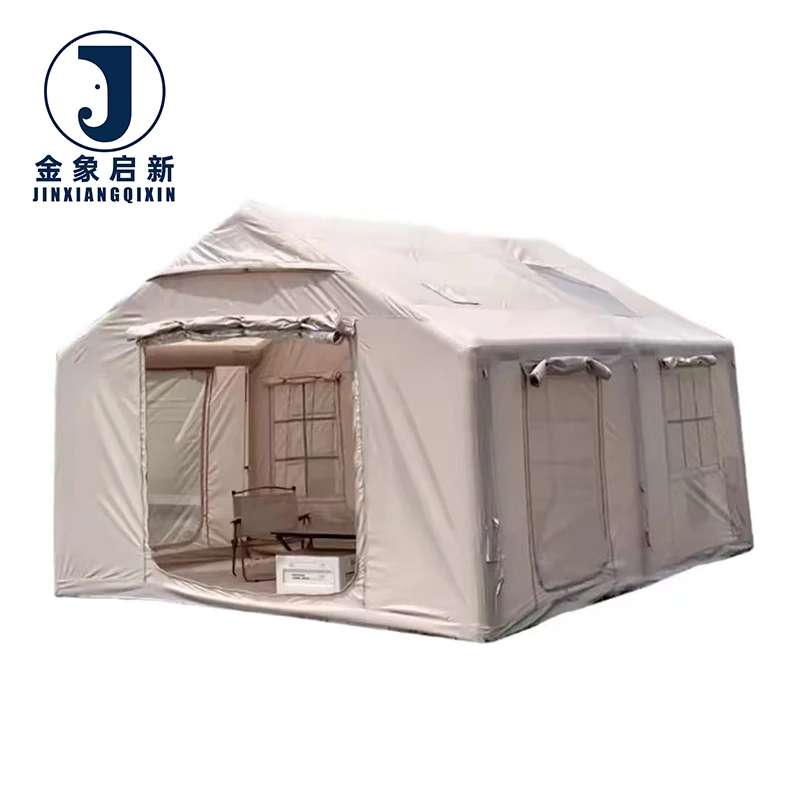
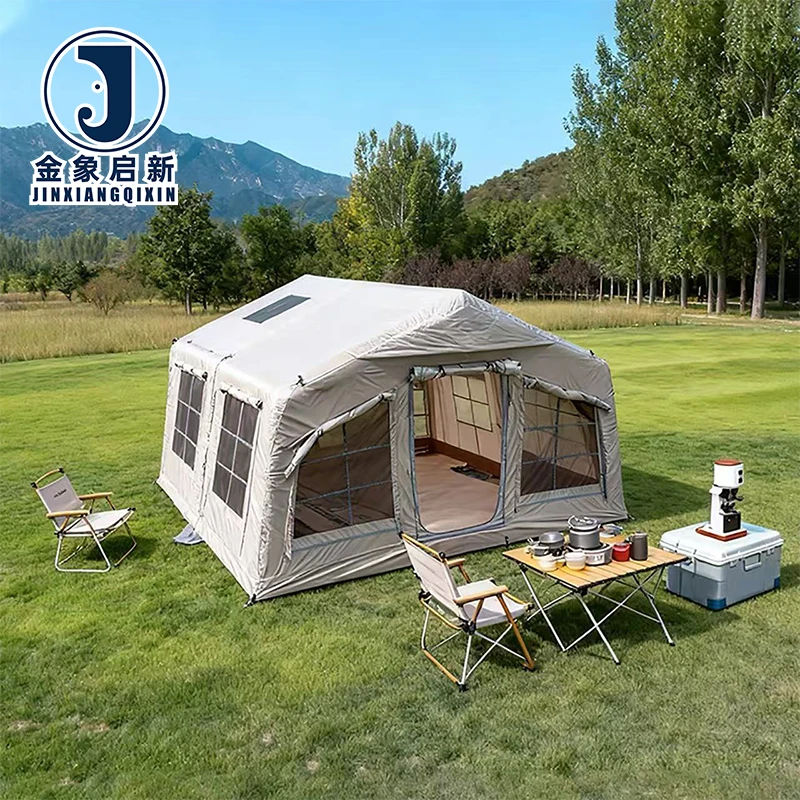
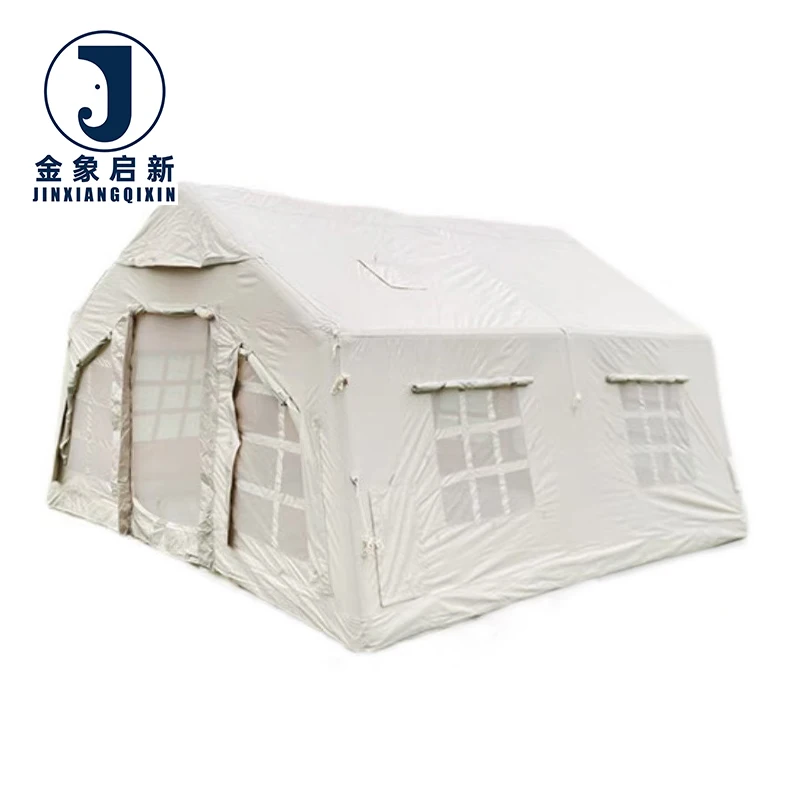
Description
Roll-to-Roll Consistency — our dedicated QA/QC at every production stage verifies batch colour and coating weight before any roll leaves the facility.
Technical Specifications
| Parameter | Value |
|---|---|
| Product Type | Inflatable Tent Fabric |
| Core Material | PVC coated fabric |
| Product Form | Extended type, single layer construction |
| Key Performance | Waterproof, windproof, 4-season suitable, quick automatic opening |
| Customization Service | OEM & ODM (sample customization, pattern printing) |
| Flame Retardant | Available in flame retardant grades — confirm the grade required for your market |
| UV Treatment | UV treatment available — request test report for your specific application |
| Quality Control | 24-hour inflation testing for pressure retention and airtight seam integrity |
| Production Capacity | 3 full production lines, 36 sets of processing equipment |
| R&D Support | 10 technicians handling material selection and sample development |
| Certifications | ISO9001, ISO14001, ISO45001, CE |
Application Suitability
| Application | Exposure & Requirement |
|---|---|
| Tent and inflatable manufacturers | Bulk roll purchasing, batch colour matching, airtight weld seam performance |
| Tarpaulin distributors and importers | Container loading by roll count, regional redistribution, stock grade availability |
| Emergency shelter procurement | Rapid deployment structures, waterproof and windproof membrane, 4-season exposure |
| Temporary site offices and storage | Extended outdoor weathering, equipment protection, structural inflation integrity |
| Material distribution stations | High-frequency inflation cycles, abrasion at contact points, transport handling |
Why Batch Consistency Determines Whether Your Inflatable Tent Fabric Roll Order Actually Works
Colour variation between rolls in the same shipment becomes visible the moment two panels are welded side by side on the production floor.
Purchasing inflatable tent fabric roll stock for wholesale distribution or manufacturing means every roll must match the next in weight, colour, and coating behaviour. When one roll runs lighter than the quoted GSM or shifts in hue, the fabricator discovers it only after cutting and welding — at which point the entire batch is compromised. Dedicated QA/QC monitoring at every production stage catches these deviations before packing, so the material arriving at your facility behaves exactly as the sample you approved. [NEED_CITE: ISO 1421 tensile and tear test methods for coated fabrics]
Batch Matching Across High-Volume Roll Output
Producing inflatable tent fabric roll orders that span multiple production runs requires strict raw material inspection for thickness, tensile strength, and waterproof performance on every batch. Our QA team checks coating weight and colour reference against the approved sample before each roll is released, ensuring that a container loaded with dozens of rolls carries material from matched production cycles. This control matters most when fabricators cut panels from different rolls to assemble a single inflatable structure — any drift in GSM or shade shows up as a visible defect in the finished product.
Airtight Weld Performance Under Inflation Testing
The seams on an inflatable tent carry constant internal pressure, and any weakness in the coating adhesion or base fabric bond will surface during the 24-hour inflation testing we run before shipment. Dedicated QA&QC staff monitor welding process parameters — temperature, dwell time, and pressure — to produce seams that hold as reliably as the parent fabric. For inflatable manufacturers, this means the fabric you receive has already demonstrated pressure retention and structural integrity under sustained load, reducing the risk of field failures that trigger warranty claims. [NEED_CITE: airtight seam testing protocols for inflatable coated fabric structures]
Reading the Specification Sheet Beyond the GSM Number
When evaluating inflatable tent fabric roll stock, the GSM figure alone does not predict how the material will behave during welding or under sustained inflation pressure. The base fabric denier and weave density determine tear propagation resistance — a tightly woven substrate arrests a puncture from spreading, while a loose weave allows it to run. Coating method influences peel strength at the weld line: knife-coated fabrics typically offer superior adhesion between PVC layers compared to laminated constructions, which directly affects whether the heat-welded seam holds or delaminates under pressure. Surface finish — glossy or matte — alters both the visual appearance of the finished tent and the grip during fabrication handling. Flame retardant grades must be confirmed against the fire classification required in your destination market, as different regions enforce distinct standards for temporary structures.
The Hidden Cost of Specifying on Price Per Roll Alone
When procurement decisions rest solely on quoted roll cost, the real expense surfaces later — on the fabrication floor or in the field. A roll that arrives below the stated GSM tears more easily during cutting and produces weaker welds that fail inflation testing. Colour drift between batches forces manufacturers to sort and segregate rolls before cutting, wasting time and generating offcuts that cannot be used. Weld seam failures under inflation pressure mean entire tent sections must be stripped and re-welded, consuming labour and delaying shipment to end users. These downstream costs routinely exceed any saving on the initial roll purchase. [NEED_CITE: coated fabric weld failure analysis and root cause patterns]
Why Volume Buyers Source PVC Inflatable Tent Fabric Here
Three full production lines and 36 sets of processing equipment give us the capacity to fill container-sized inflatable tent fabric roll orders with stable lead times, even during peak demand periods. Our 10-person R&D team develops custom samples within days, matching your required width, colour, and performance grade before bulk production begins. Every roll undergoes dedicated QA/QC inspection — we check coating adhesion, verify GSM against the quotation, and confirm colour consistency against the approved reference. Pre-shipment inspection records accompany every dispatch, documenting 100% inspection coverage so you know exactly what was verified before your container was sealed. Nearly 30 years of coated fabric production experience means our process controls are refined to deliver roll-to-roll consistency that fabricators and distributors rely on for repeat orders.
Documentation & Verification
- Material specification sheet stating GSM, base fabric type, coating method, and colour reference per roll batch
- Pre-shipment inspection record confirming 100% inspection coverage before dispatch
- Roll packing list with individual roll count, net weight, and batch reference for container loading verification
- ISO and CE certificates provided with every shipment; flame retardant test reports available upon request
- Raw material inspection report documenting thickness, tensile strength, and waterproof performance per batch
Fabrication, Handling & Storage
- Heat weld temperature and dwell time must be calibrated to the PVC coating thickness on each roll batch
- Store rolls upright on pallets in shaded conditions to prevent compression marks on the coated surface
- Allow cold-stored rolls to reach ambient temperature before unrolling to avoid coating crack or delamination
- Cut panels with sharp blades to prevent base fabric fraying at edges that will form the airtight weld zone
- Use mild detergent and soft cloth for cleaning — avoid solvents that attack the PVC coating bond
What We Need to Quoting Your Roll Order
To provide an accurate specification and lead time for your inflatable tent fabric roll requirement, share your target width, roll length, and annual volume. Let us know whether you need flame retardant or UV-treated grades and which certification your end market requires. If you are producing finished inflatable structures, tell us the inflation pressure range so we can recommend the appropriate base fabric density and coating weight. Sample development is available before you commit to bulk production.
Frequently Asked Questions
Q: How do you ensure roll-to-roll colour consistency across a bulk order?
A: Every batch undergoes colour reference verification against the approved sample before packing. Our QA team checks coating weight and shade at every production stage, matching rolls to the same production cycle where possible. The pre-shipment inspection record documents the colour check for each roll, so fabricators cutting panels from multiple rolls receive material that matches visually when welded together.
Q: How is the stated GSM verified before my rolls ship?
A: Dedicated QC staff measure coating weight and total fabric GSM on samples taken from each production batch. The material specification sheet included with your shipment states the verified GSM, base fabric type, and coating reference for every roll. The pre-shipment inspection record confirms these checks were completed before the container was loaded.
Q: What are the minimums and lead times for custom roll widths?
A: Non-stock widths and custom roll lengths are produced on any of our three full production lines, with minimums depending on the base fabric grade and colour selected. Sample development by our R&D team is completed before bulk production to confirm dimensions and coating performance. Contact our team with your target dimensions for a specific lead time and minimum quantity.
Q: How should I plan container loading for a wholesale roll order?
A: The roll packing list provided with each shipment details individual roll count, net weight, and batch reference to support your container planning. We can advise on roll count per container based on your selected width and roll length, helping you maximise load efficiency for inflatable tent fabric roll shipments.
Q: How does your inflation testing ensure seam reliability for my end products?
A: We run 24-hour inflation testing on welded samples to verify pressure retention and structural integrity before bulk fabric is approved for shipment. Dedicated QA&QC staff monitor welding parameters during production to ensure seams hold as reliably as the parent PVC coated fabric, giving inflatable manufacturers confidence in the material’s airtight performance.