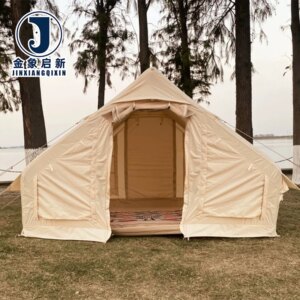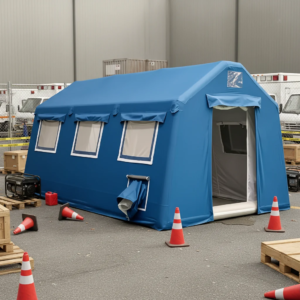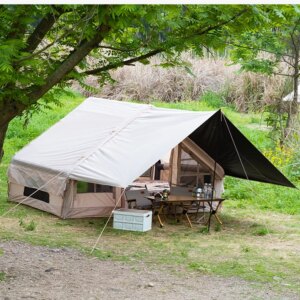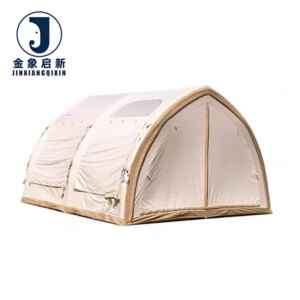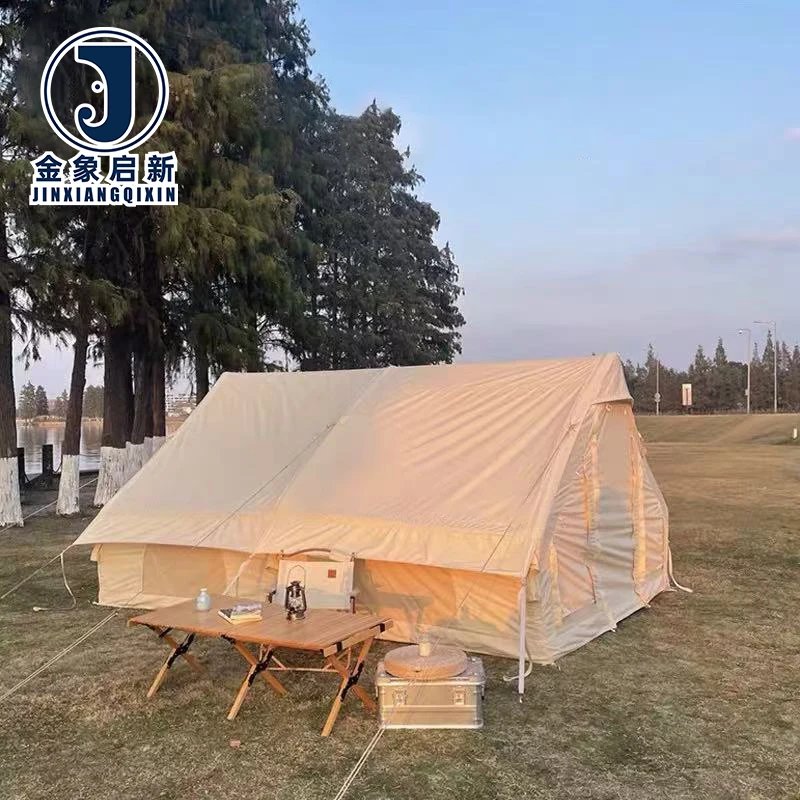
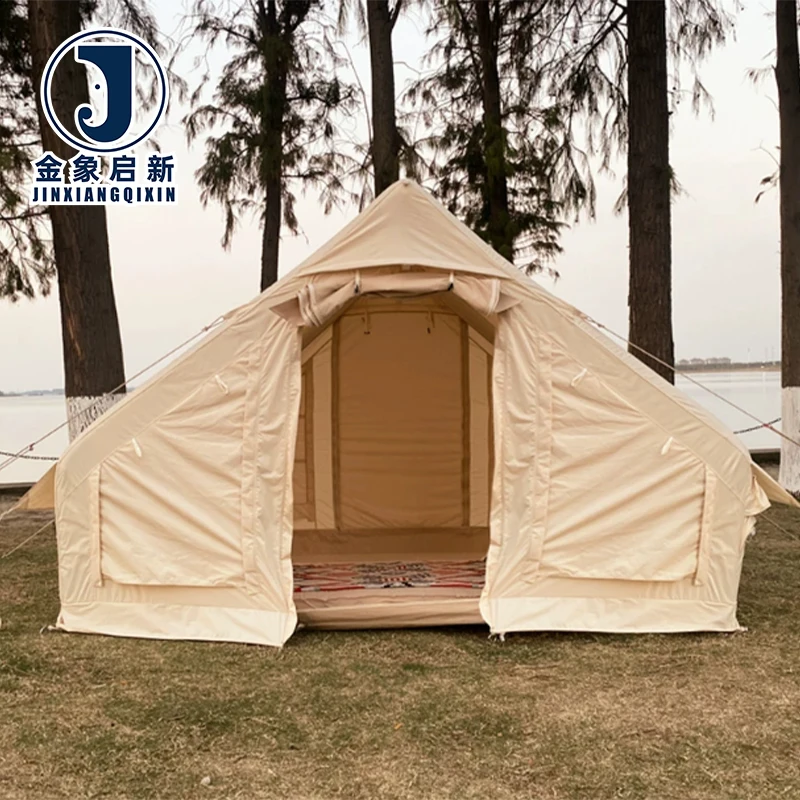
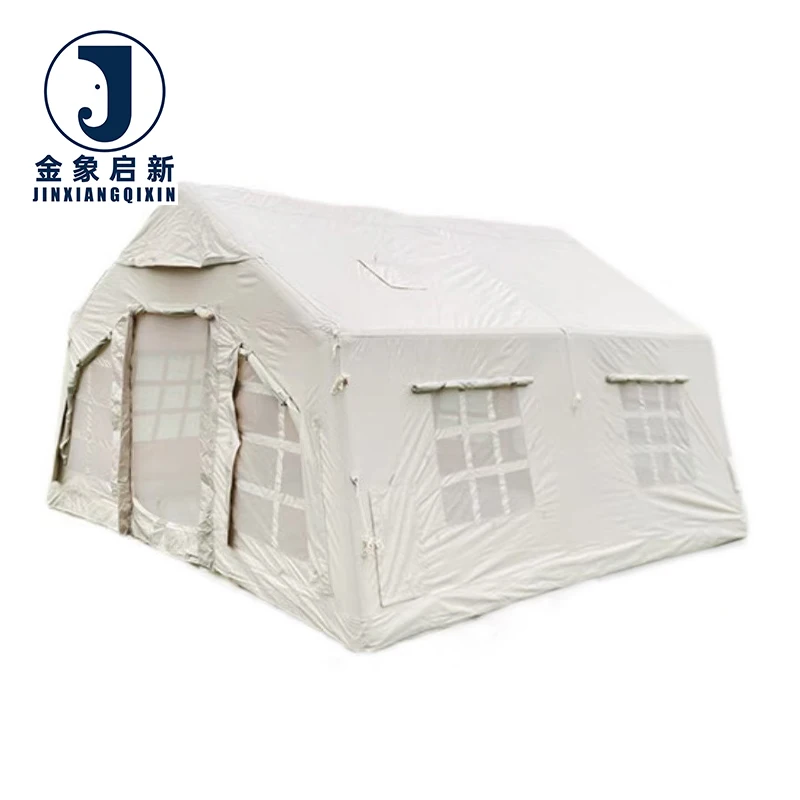
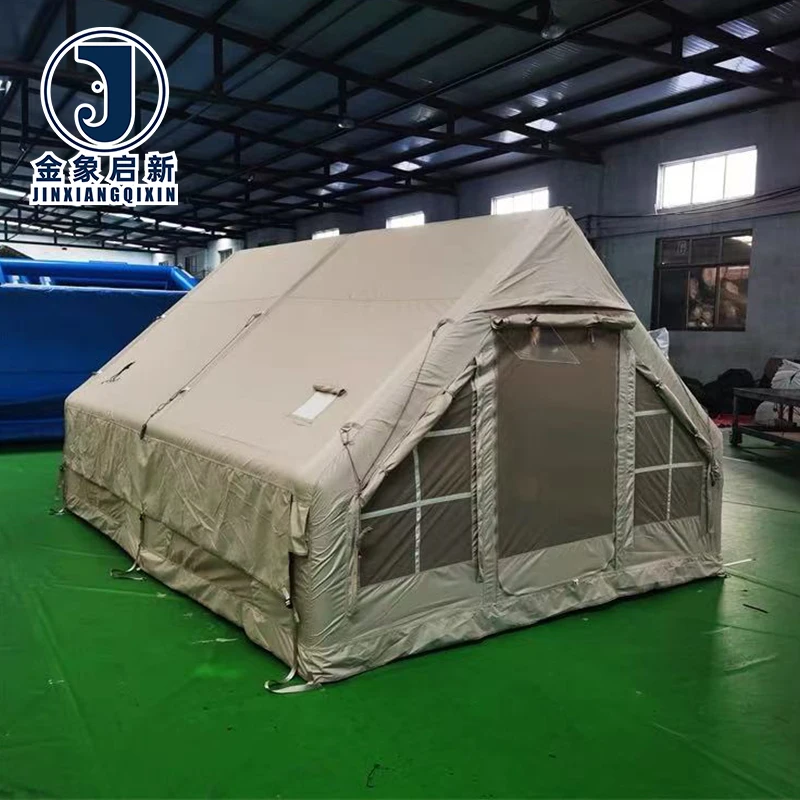
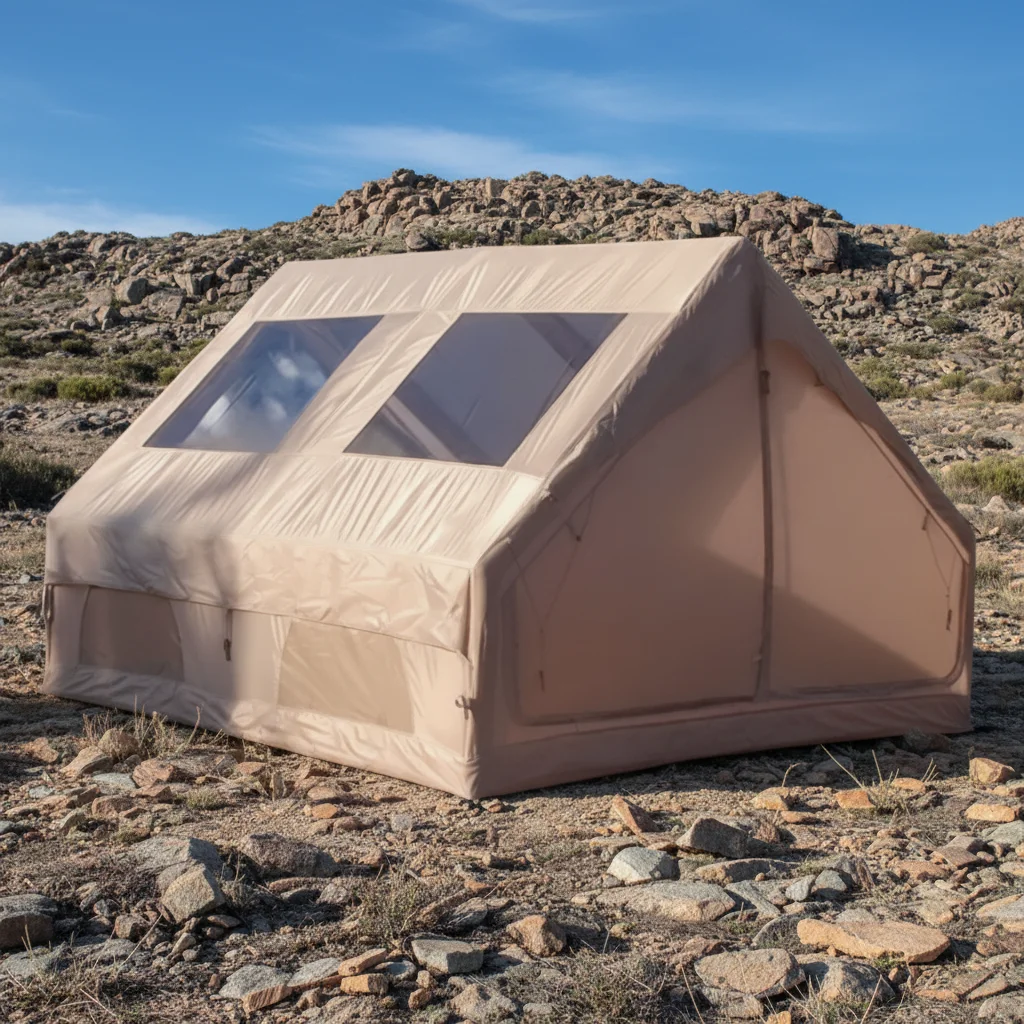

Description
Production Line Redundancy — Three full coating lines running PVC glamping tent fabric in parallel ensure that a single line servicing an unexpected order does not delay your bulk roll shipment.
Technical Specifications
| Parameter | Value |
|---|---|
| Product Type | PVC Tent |
| Core Material | PVC |
| Key Performance | Waterproof, Quick Automatic Opening, Four-Season Design, Single Layer Construction |
| Customization Service | OEM & ODM (sample customization, pattern printing) |
| Standards | ISO9001, ISO14001, ISO45001, CE |
Application Suitability
| Application | Exposure & Requirement |
|---|---|
| Commercial camping grounds | Year-round weather cycling, guest-facing aesthetics, repeated setup and teardown |
| Outdoor festivals and events | Rapid deployment at scale, temporary shelter under sun and rain, transport efficiency |
| Remote workforce housing projects | Industrial-grade durability, all-weather protection, long-term outdoor siting |
Why Batch Colour Drift Costs More Than the Fabric Itself
Roll-to-roll shade variation is the silent line-item that inflates commercial glamping tent projects after the fabric arrives.
When a commercial camping operator orders enough PVC tent material for a full site rollout, the expectation is visual uniformity across every unit. What often happens instead is that rolls from different production batches land with subtle but visible colour shifts — differences that only become apparent once the tents are erected side by side on the campground [NEED_CITE: colour consistency standards in coated fabric production]. For an Inflatable tent wholesale buyer, this means either accepting an inconsistent guest experience or absorbing the cost of selective replacement. The root cause is typically uncontrolled pigment dosing or coating temperature variance between production runs, issues that compound across large orders where multiple batches are blended to meet volume.
Volume Supply Without Sacrificing Batch Integrity
Securing PVC glamping tent material at commercial scale requires more than a factory that can produce volume — it demands process discipline at every coating stage. Our production approach assigns each bulk order to a defined production window with controlled pigment formulation, so that every roll within a single shipment shares the same colour reference. This matters particularly for glamping operators who expand their sites in phases and need replacement stock months later to match existing inventory. The quick automatic opening mechanism built into these tent designs reduces on-site labour during deployment, but that efficiency is undermined if the fabric itself forces selective sorting upon arrival.
Single Layer Construction and the Transport Equation
Single layer PVC construction occupies a specific position in the shelter material spectrum: it delivers waterproof protection and structural coherence while keeping roll weight and packed volume manageable for logistics. For festival operators deploying hundreds of units over a weekend, or remote workforce housing projects shipping tent stock to inaccessible sites, the difference between single layer and multi-layer laminates shows up in container loading density and freight cost per unit. The four-season design addresses thermal exposure across a wide operating range, though the specific low-temperature flexibility and high-temperature stability boundaries should be confirmed against your local climate data before committing to a full order [NEED_CITE: thermal performance range of single layer PVC tent fabrics].
Reading Beyond the Specification Sheet
The interplay between PVC coating weight and base fabric denier determines how the material behaves under the cyclical loading that inflatable tents experience during inflation, deflation, and wind events. A heavier coating does not automatically mean a stronger panel — if the base fabric weave is loose, tensile loads transfer poorly to the coating and tear propagation accelerates at stress points. The single layer construction used here means that coating adhesion to the substrate becomes the critical failure boundary; unlike multi-layer builds where a delaminated layer can redistribute load, a single layer depends entirely on the bond integrity achieved during coating. Pattern printing, available through our OEM and ODM customization, introduces additional variables: ink compatibility with the PVC surface chemistry affects both colour longevity and the adhesion of any subsequent protective topcoat applied over the print.
When the Wrong Specification Reaches the Field
A glamping tent that passes initial inspection but fails within its first season typically fails for reasons traceable to specification decisions made at the sourcing stage. Waterproof claims without verified hydrostatic test data leave buyers exposed when heavy precipitation events test the coating beyond its actual capacity rather than its marketed capacity. Similarly, UV treatment assertions without a documented test basis mean the buyer cannot predict how quickly the PVC surface will chalk, stiffen, or lose tensile strength under sustained solar exposure — outcomes that directly affect the commercial viability of a glamping installation where guest satisfaction depends on fabric condition [NEED_CITE: UV degradation mechanisms in PVC coated fabrics]. Flame retardant requirements add another dimension: specifying a grade without confirming the test standard applicable to your market can result in tent stock that fails local fire inspection despite carrying a flame retardant designation from the manufacturer.
Production Capability That Shows Up in Your Delivery
Three full production lines mean that an Inflatable tent wholesale order for commercial deployment does not compete with other product families for machine time — dedicated lines handle coated fabric runs with scheduling that protects your delivery window. The 10-person R&D team manages sample development and pattern printing proofs before your mass production begins, so that colour matching and custom sizing are locked in rather than adjusted after the first batch ships. Every roll undergoes inspection before dispatch against the material specification sheet that accompanied your quotation, closing the gap between what was quoted and what arrives at your warehouse. ISO9001, ISO14001, ISO45001, and CE certified production provides the documentation framework that commercial buyers and their project stakeholders require for compliance audits.
Documentation & Verification
- Material specification sheet confirming PVC grade and single layer construction parameters per roll batch
- Batch quality inspection report shipped with each order documenting visual and dimensional checks
- Pre-production sample records retained for colour and print reference on repeat orders
- ISO9001, ISO14001, ISO45001, and CE certification documentation available for project compliance files
- Customization parameter sheet detailing OEM and ODM specifications including pattern printing proofs
Fabrication, Handling & Storage
- Heat-seal PVC panels at temperatures matched to single layer coating thickness to avoid surface scorching
- Store rolls upright on pallets in shaded conditions to prevent flat-spot deformation of the PVC surface
- Allow cold-stored rolls to acclimatise before unrolling to prevent coating micro-cracking at low temperatures
- Use PVC-compatible cleaners only; solvent-based products degrade the single layer coating bond
- Match inflation pressure to panel design limits to avoid over-stressing heat-sealed seams
What We Need to Move Your Inquiry Forward
Provide your target deployment environment, expected unit count per order, and whether you require roll stock or pre-cut panels sized to your tent frame pattern. If your market mandates specific fire classification or UV documentation, state the test standard your project specifies so we can confirm availability before sampling. Include your colour reference, any pattern printing requirements, and whether you need pre-production samples for stakeholder approval before committing to full production volume.
Frequently Asked Questions
Q: How is batch-to-batch colour consistency maintained across large Inflatable tent wholesale orders?
A: Each bulk order is scheduled within a defined production window using locked pigment formulations. Pre-production samples are provided for your approval, and retained reference samples ensure that any future repeat orders match the original batch. Roll-to-roll inspection during production catches variance before material reaches the packing stage.
Q: What UV resistance documentation ships with PVC glamping tent orders?
A: UV treatment is available for this product line — confirm the test standard required by your market or project specification. Where applicable, test reports documenting performance against the relevant standard accompany the shipment documentation package. Contact our team with your specific compliance requirement to verify availability.
Q: What is the lead time and minimum order for custom width or pattern printing?
A: Custom widths and printed patterns are handled through our OEM and ODM service. Lead times and minimums depend on the complexity of the print design and the roll quantity required. Pre-production samples are developed for your evaluation and approval before mass production begins, ensuring specifications are confirmed early in the process.
Q: How do I verify waterproof and four-season performance before placing a bulk order?
A: Request the material specification sheet and batch inspection report for review against your project requirements. Pre-production samples can be subjected to your own field testing under local conditions. Our facility holds ISO9001, ISO14001, ISO45001, and CE certifications, and full documentation accompanies every shipment for independent verification.