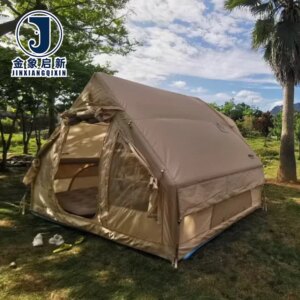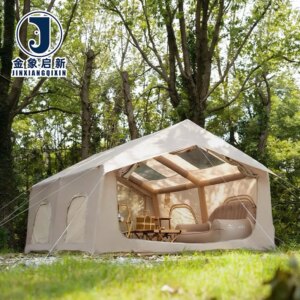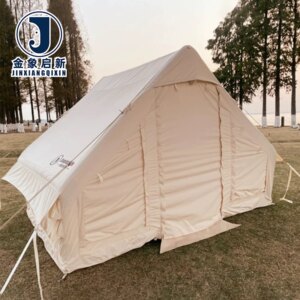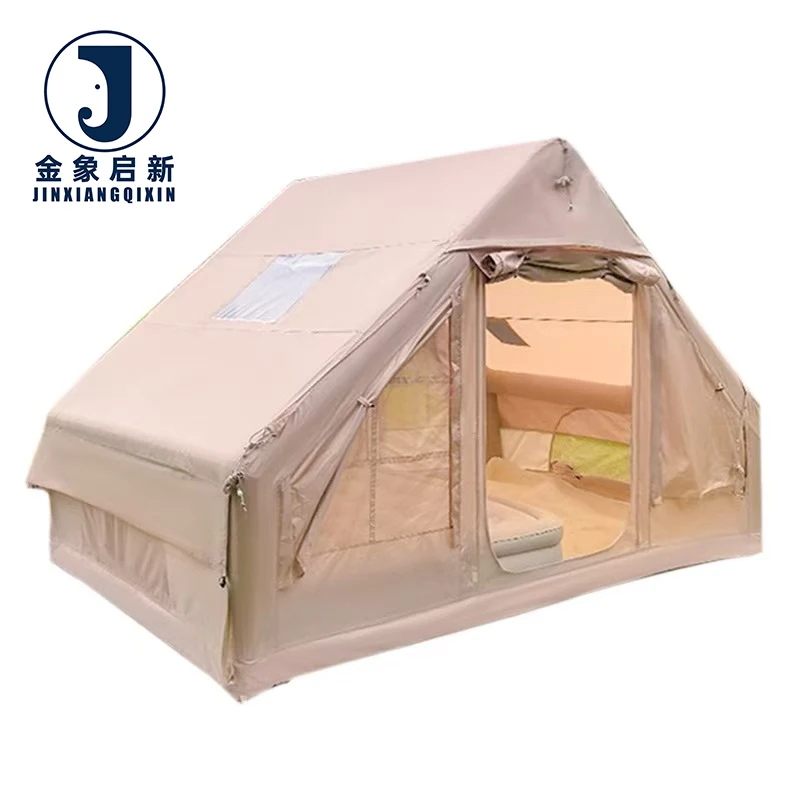
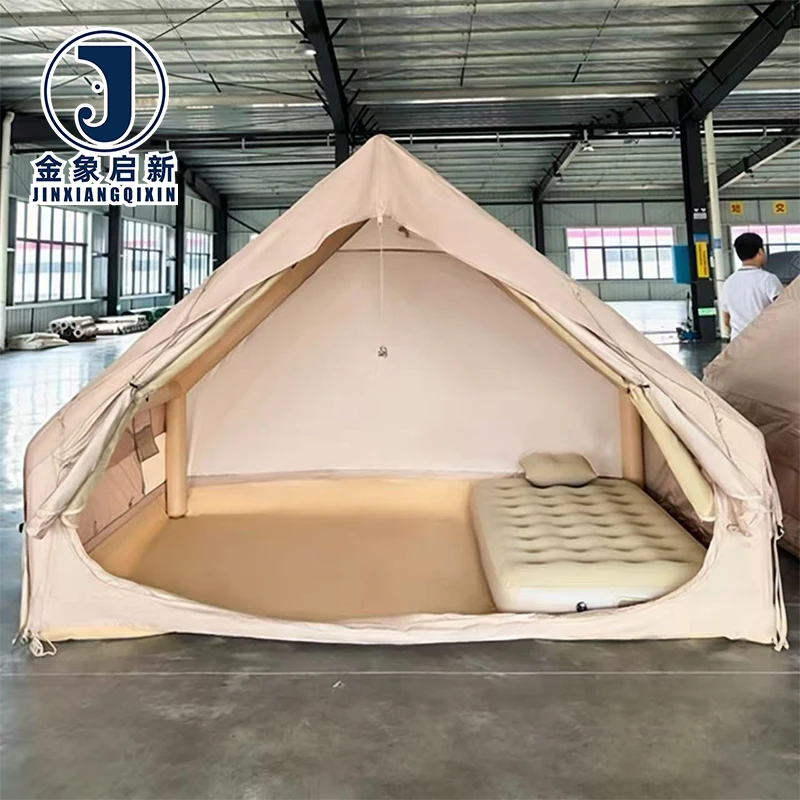
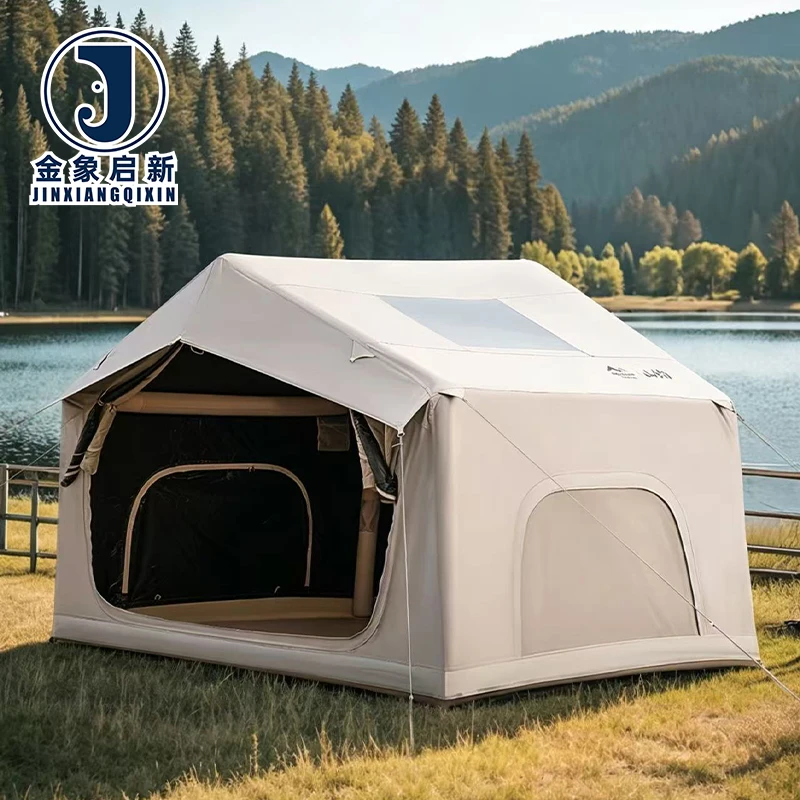
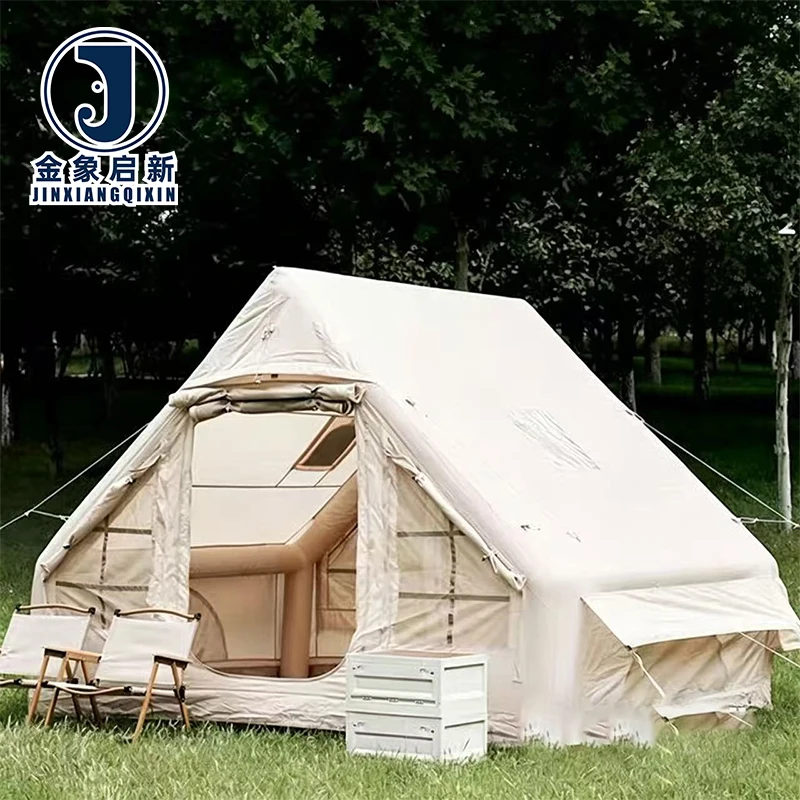
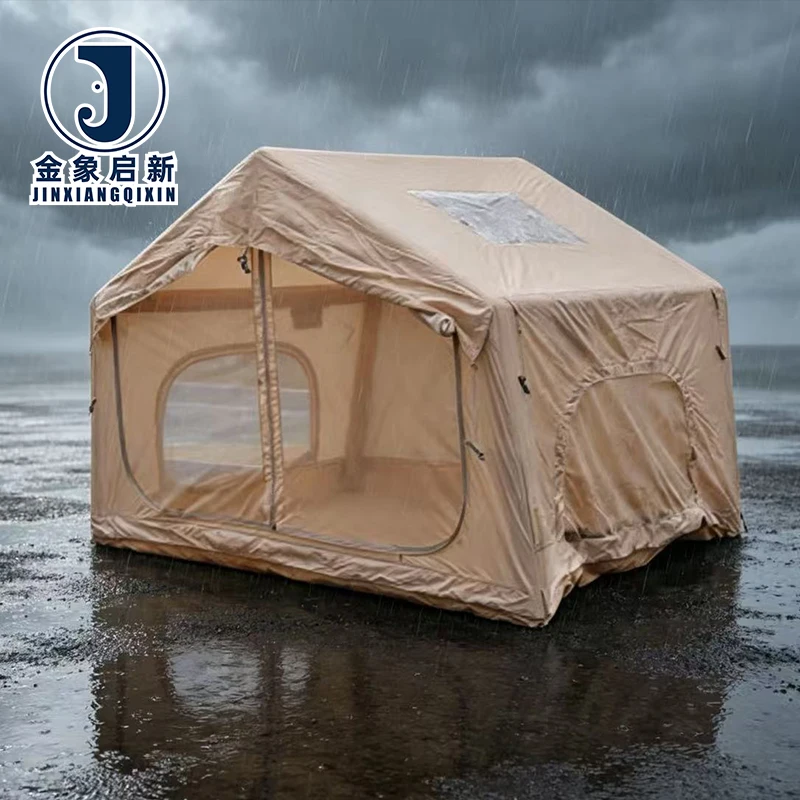
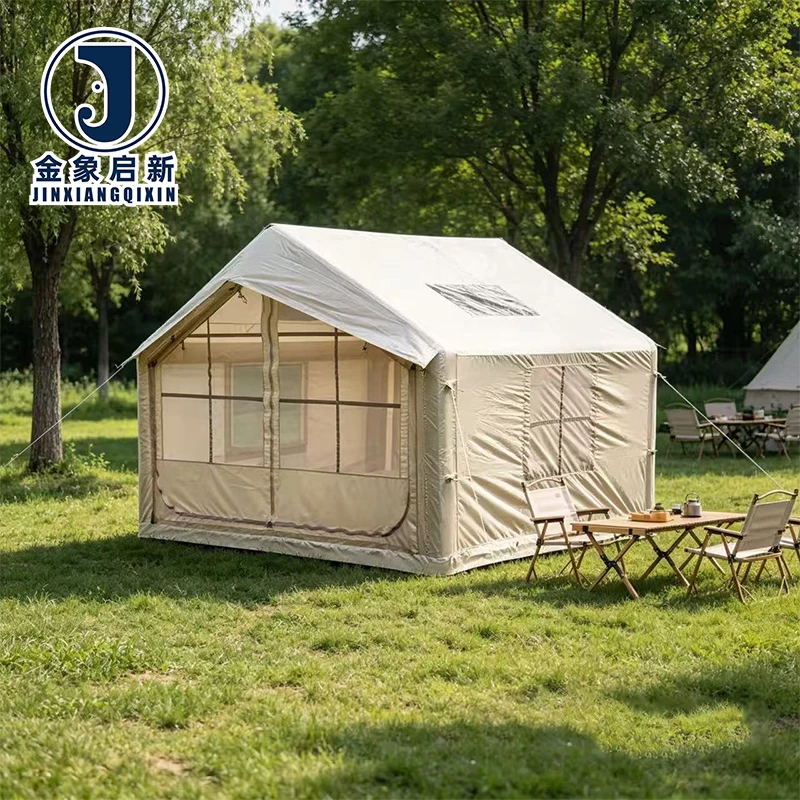
Description
Roll-to-Roll Consistency — every batch of Inflatable Fabric roll passes dedicated QA/QC inspection across coating weight, colour reference and adhesion before dispatch, ensuring membrane and inflatable structure fabricators receive uniform material across large orders.
Technical Specifications
| Parameter | Value |
|---|---|
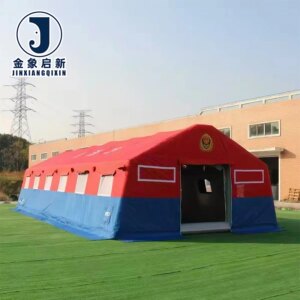
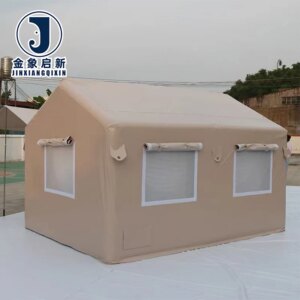
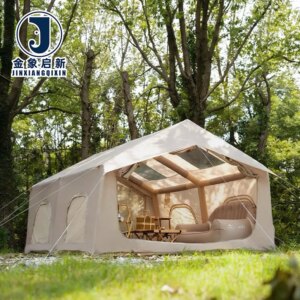
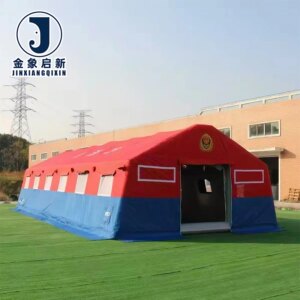
| Product Type | Inflatable Tent |
| Core Material | PVC Tarpaulin |
| Coating Material | PVC |
| Waterproof | Yes (rating not stated in source) |
| UV Treatment | UV-resistant (test basis not stated in source) |
| Flame Retardant | Fire-retardant (grade not stated in source) |
| Anti-Static | Anti-static (surface resistance or standard not stated in source) |
| Tear Resistance | Tear-resistant (test standard not stated in source) |
| Customization Service | OEM & ODM, sample customization, pattern printing |
| Key Features | Waterproof, UV-resistant, tear-resistant, fire-retardant, anti-static |
| Certifications | ISO 9001, ISO 14001, ISO 45001, CE |
Application Suitability
| Application | Exposure & Requirement |
|---|---|
| Inflatable tent and awning manufacturing | Repeated inflation cycles, seam stress at air-beam channels, UV exposure during outdoor display |
| Membrane and inflatable structure fabrication | Large-panel welding consistency, colour uniformity across adjacent panels, structural load at heat-welded joints |
| Tarpaulin distributors stocking inflatable fabric | Shelf-stable roll storage, batch-to-batch GSM verification for downstream resale, container loading efficiency |
Why Colour Drift Between Rolls Costs More Than the Fabric Itself
Colour variance across rolls in one Inflatable Fabric bulk order is the single most visible defect once panels are welded side by side.
Inflatable tent makers who cut and join panels from different rolls often discover shade shifts only after assembly. By that stage, the labour, welding energy and logistics of replacement far exceed the material cost itself. Batch-to-batch colour control is not a premium feature — it is a baseline requirement for any Inflatable Fabric wholesale programme serving commercial tent manufacturers [NEED_CITE: ISO 105 colour fastness evaluation methods for coated textiles].
How Roll-Stock Consistency Directly Affects Inflatable Panel Yield
When fabricators cut inflatable tent panels from an Inflatable Fabric roll, any coating-weight variation across the web changes how the material responds to heat welding. Panels that weld cleanly on one roll may require parameter adjustment on the next, causing production-line downtime. Coating adhesion uniformity, controlled during the PVC coating process, determines whether the weld bond fails before the base fabric does at the flex points the structure experiences during inflation and deflation cycles.
Bulk Ordering Discipline for Membrane and Inflatable Structure Fabricators
Fabricators producing large inflatable structures — whether for commercial events, expedition base camps or industrial shelters — need every roll in a shipment to behave identically on the welding table. A 10-person R&D team handles material selection and sample development so that the Inflatable Fabric roll you approve at sample stage matches production output. Custom width and roll length options reduce off-cuts and eliminate mid-panel joins that compromise both air-holding integrity and visual continuity [NEED_CITE: DIN 53354 tensile test standard for coated fabrics].
Reading Beyond the GSM Number on the Quotation
GSM alone does not define how an inflatable tent fabric will perform in service. The denier of the base polyester yarn and the weave density together determine how the material resists tear propagation once a puncture occurs. A lower-GSM fabric woven from high-denier yarn with a tight weave can outperform a heavier, loosely woven alternative in tear resistance. The PVC coating method — whether knife-over-roll, calendering or lamination — governs peel strength and, by extension, how reliably heat-welded seams hold under the cyclic pressure of inflation. Surface finish also plays a role: glossy coatings shed dirt and water more readily, while matte surfaces reduce glare and improve printing adhesion for branded tent panels. Available fire-retardant grades should be confirmed against the compliance requirements of your destination market before placing a bulk order.
What Happens When Roll Specifications Are Wrong for the Inflatable Structure
Selecting a roll without verifying coating adhesion can lead to weld-line failure at the exact point the inflatable beam flexes most during inflation. Fire-retardant treatment claimed without a supporting test report risks failed site inspections and rejected installations [NEED_CITE: fire classification standards for temporary membrane structures]. Colour inconsistency discovered after panels are welded means the entire assembled structure must be disassembled, re-cut and re-welded — a cost that compounds with every day of delayed delivery to the end client.
Why Procurement Teams Consolidate Inflatable Fabric Sourcing Here
Three full production lines and 36 sets of professional processing equipment support bulk roll orders with consistent output quality across every shipment. A dedicated QA/QC process inspects every roll before dispatch, catching coating-weight deviation and colour drift before they leave the factory. OEM and ODM customisation, including pattern printing and sample development, is handled in-house rather than outsourced to third-party converters. Pre-shipment inspection records accompany each container, giving buyers documented proof that the Inflatable Fabric bulk delivery matches the approved sample. ISO 9001, ISO 14001, ISO 45001 and CE certifications are maintained across the production system, and full documentation ships with every order.
Documentation & Verification
- Material specification sheet stating GSM, base fabric, coating type and colour reference for each roll
- Test report for UV and flame-retardant grades where applicable, matched to batch number
- Pre-shipment inspection record confirming 100% roll inspection before container loading
- Roll packing list detailing roll count, individual roll weight and container loading plan
- ISO and CE certificate copies included with customs documentation package
- Certificate of origin prepared for destination-country import requirements
Fabrication, Handling & Storage
- Heat-weld parameters should be tested on each new Inflatable Tent roll before full production runs begin
- Store rolls upright on pallets to prevent flat-spotting and permanent creasing of the PVC coating
- Allow cold-stored rolls to acclimatise before unrolling to avoid coating cracking at low temperatures
- Use compatible PVC solvent or hot-air welding for seam joints on inflatable beam channels
- Clean finished inflatable panels with mild detergent; avoid abrasive solvents that damage the coating surface
- Plan panel cutting layout to maximise roll-width utilisation and minimise transverse welds
What We Need to Quotate Your Inflatable Fabric Requirement
To move from enquiry to sample, share the intended application and the environmental conditions the inflatable structure will face — including UV exposure level and any fire-safety or anti-static compliance required in your market. Specify the roll width and annual volume you need so we can confirm production-line allocation and lead time. If pattern printing or branded colour matching is part of the project, provide artwork files and Pantone references at the enquiry stage to accelerate sample approval.
Frequently Asked Questions
Q: How can I verify the GSM of each Inflatable Fabric roll when it arrives?
A: Every roll ships with a material specification sheet stating the quoted GSM. On receipt, cut a measured sample from the roll end, weigh it on a calibrated scale and compare the result against the documented value. Our pre-shipment inspection records also confirm coating-weight checks performed before dispatch.
Q: How is colour consistency controlled across multiple rolls in one bulk order?
A: Production runs for a single order use matched raw-material batches and continuous coating-line monitoring. Each roll is checked against the approved colour reference during pre-shipment inspection. Rolls showing deviation are segregated before packing, ensuring every roll in your container matches the approved shade.
Q: Can I order custom widths and roll lengths for inflatable tent panel optimisation?
A: Yes. Custom width and roll length are available to reduce off-cuts and align with your panel-cutting layout. Provide your target dimensions and annual volume at enquiry stage so our R&D team can confirm feasibility, prepare samples and calculate container loading efficiency for your bulk order.
Q: What is the process for approving printed branding on inflatable fabric rolls?
A: Submit artwork files and Pantone colour references with your enquiry. Our R&D team produces a printed sample for colour and registration approval before bulk production begins. Once you sign off the sample, production runs proceed with the same ink batch and print settings across all rolls in the order.